How One Song Became a Timeless Classic Across Generations
There are songs that enjoy a season of popularity, and then there are songs that seem to settle into the culture so deeply that they never really disappear. This song belongs to the second category. Its journey began in 1955, yet it continues to feel present, as if it has been quietly traveling alongside generations of listeners ever since. Musical styles have shifted dramatically over the decades, audiences have changed, and still this song remains recognizable in an immediate, almost instinctive way.
That kind of endurance is rare. It cannot be explained only by chart success or by the fame of a particular recording. A lasting standard survives because it continues to meet people where they are. It returns in different moments of life and somehow says something new each time, even while remaining unmistakably the same song. For some, it is tied to romance. For others, it stirs memory. For many, it carries that difficult-to-name mix of tenderness, distance, and hope that great music can express better than ordinary conversation ever could.
A Song That Never Really Left
One reason this song has lasted is that it speaks to emotions people never outgrow. Longing does not belong to any one era. Neither do affection, remembrance, or the fragile optimism that love and memory often bring with them. Those feelings are as real now as they were when the song first began its life in 1955. That is why a listener hearing it for the first time today can still feel an immediate connection, almost as if the melody had been waiting for them all along.
There is something remarkable about music that creates recognition before familiarity. Some songs need repeated listens before they unfold. Others seem to arrive already understood. This one carries that quality. Its emotional world feels accessible from the start, but not simple. It holds several feelings at once, which is part of what makes it so durable. It can sound loving and wistful in the same breath. It can feel comforting while also opening a small ache. That emotional complexity gives people room to bring their own lives into the listening experience.
Over time, songs like this become more than recordings. They become companions. They are played at meaningful moments, remembered across years, and passed from one generation to the next. A parent may love it for one reason, a child for another, and both may feel they are hearing something deeply true. That handoff matters. It is one of the ways a classic stays alive, not as a museum piece, but as something continuously felt.
The Righteous Brothers and a Second Life
About a decade after the song began its journey, The Righteous Brothers recorded their version and gave it renewed power. That cover did more than revisit a beloved tune. It expanded the song’s emotional reach. Rather than simply preserving what listeners already knew, their performance opened the center of it wider, allowing the drama and intimacy to grow at the same time.
This is often what the greatest reinterpretations do. They honor a song’s heart while revealing another dimension within it. In the hands of The Righteous Brothers, the song took on a larger emotional scale without losing its personal quality. It could feel sweeping and direct at once, which is not easy to achieve. That balance helped introduce the song to an even broader audience and ensured that it would not be remembered as belonging only to its original moment.
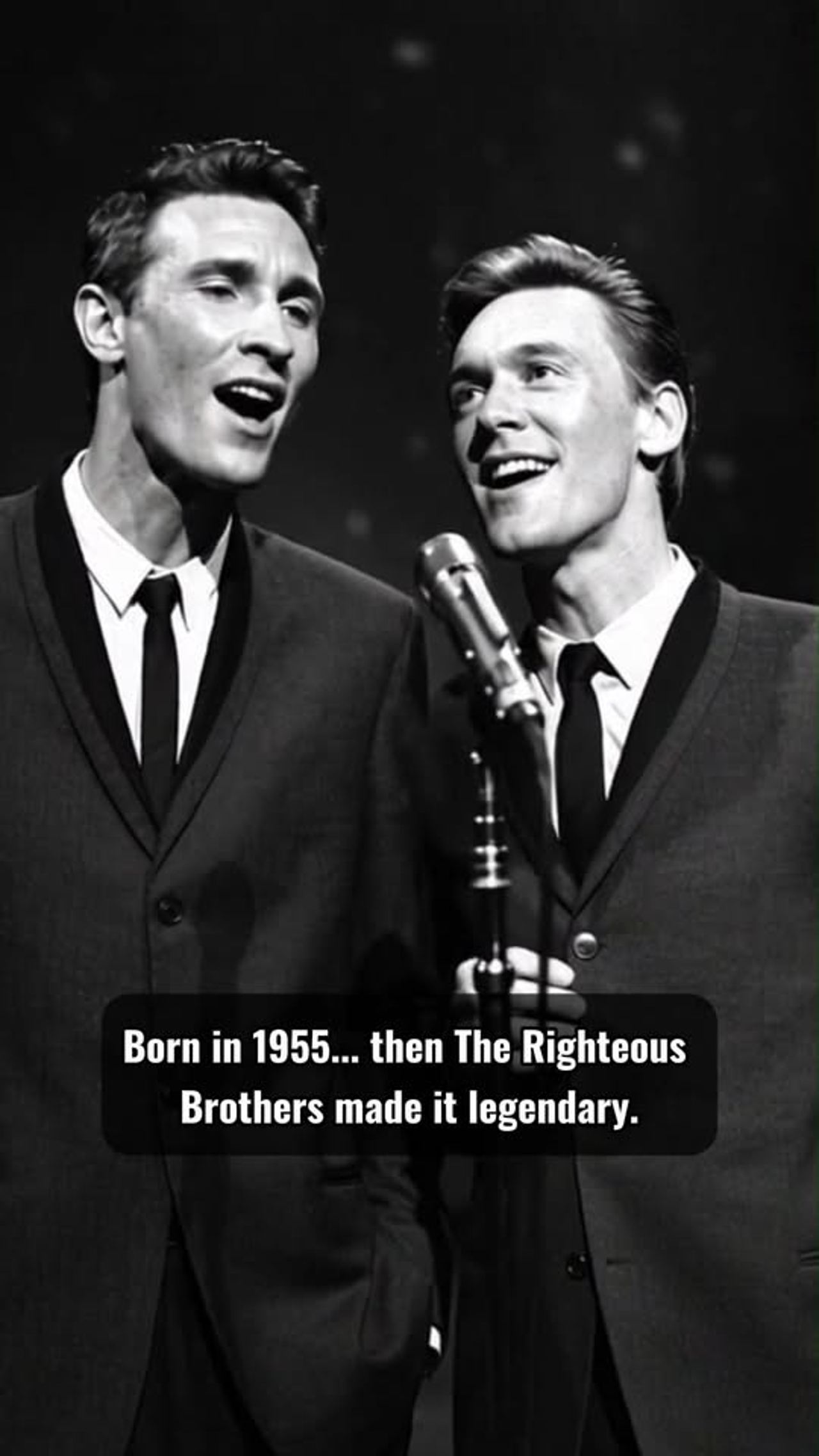
When a later version becomes deeply associated with a song, it can sometimes overshadow everything that came before. But in this case, the story feels richer than that. The song’s original life and its later revival are part of the same continuing legacy. One gave it a beginning, the other gave it fresh momentum, and both helped shape the lasting place it holds in listeners’ hearts.
Why It Still Feels So Personal
What makes the song unforgettable is not merely a single lyric, a famous phrase, or one especially striking note. Its power comes from the way all of its elements seem to arrive together. The melody rises with aching grace. The phrasing lingers in just the right places, allowing each line to feel intimate rather than distant. The performance does not rush past emotion; it stays there long enough for the listener to fully enter it.
That quality explains why people often stop what they are doing when the song comes on. Some music can live comfortably in the background. A true standard asks for more attention. It invites stillness. It creates a brief space where memory and feeling come to the surface. A listener may think of someone they love, someone they miss, or simply a time in life that left a lasting mark. The song does not dictate one specific memory. Instead, it offers a feeling large enough to hold many kinds of remembrance.
And that may be the deepest mark of its success. It feels personal without becoming private. Millions of people can hear the same performance, yet each person can experience it differently. That blend of universality and intimacy is one of the hardest things for any song to achieve. When it happens, the result is music that does not just entertain for a few minutes. It stays with people.
A Classic That Changes With the Listener
The rare gift of a classic is that it can keep changing while never losing its identity. In one decade, a song may be heard mainly as romantic. In another, it may sound nostalgic. Later still, it may feel almost heartbreakingly reflective. The song itself remains steady, but the listener changes, and so does the culture around it. That shifting relationship is part of what keeps a great song alive across generations.
This one endures because it captures something timeless in the human heart. It does not belong only to 1955, nor only to the version recorded about a decade later by The Righteous Brothers. It belongs to the emotional experiences that people continue to recognize in it. That is why it never seems fully tied to one era, one trend, or even one interpretation. It is rediscovered again and again because what it expresses remains relevant.
Some songs fade when the moment that created them passes. Others stay close, waiting quietly until someone needs them again. This song has done exactly that for decades. Every return reminds listeners that while tastes may change, emotional truth does not age in the same way. If this song has meant something to you, or if you heard yourself in its story here, share your thoughts and the memories it brings back.
Read more stories
- In 1967, in Timmins, a mining town in northern Ontario, a two-year-old girl named Eilleen
- Fresh Details Emerge in the Death of Chad Lowe’s 13-Year-Old Daughter Fiona
- A Father Shaved His Identical Twin Sons’ Heads So He Could Tell Them Apart — But What Their Mother Saw on the Baby Monitor That Night Made Her Sprint Upstairs
- REACHING THEIR THIRTIETH WEDDING ANNIVERSARY SHOWED SHE WAS THE ONLY PERSON WHO COULD STEADY AN OUTLAW — BUT THAT MILESTONE WAS SOON OVERTAKEN BY AN UNIMAGINABLE TRAGEDY THAT FOLLOWED.