I Will Follow Him — How Little Peggy March Turned a Teenage Voice into a Global Sensation
A voice that arrived fully formed
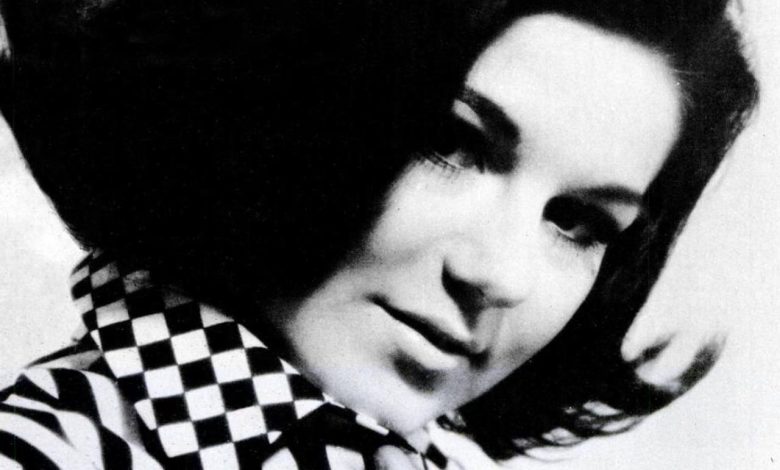
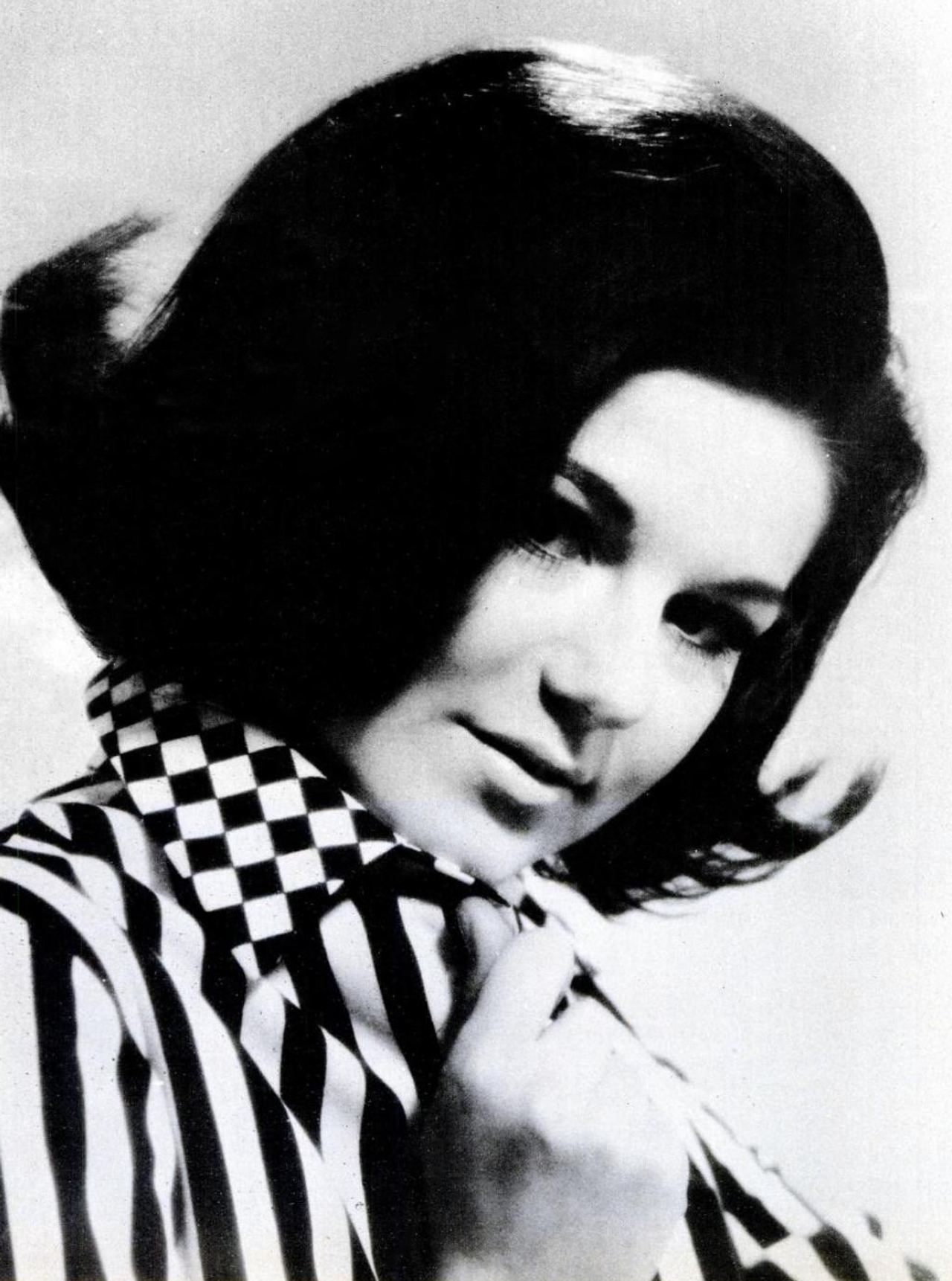
There is a reason “I Will Follow Him” still feels familiar within seconds. Its opening is clean, direct and almost deceptively light, but it carries a built-in momentum that keeps pushing forward. When Little Peggy March recorded it in 1963, she did not sound tentative or overawed by the moment. She sounded ready for it.
That was part of the shock of the record’s impact. Peggy March was only fifteen, an age that might have encouraged audiences to see her as a novelty. Instead, listeners heard a singer with poise, timing and a confident emotional center. In a pop landscape crowded with established names, her breakthrough felt sudden, but the performance itself never did. It sounded sure of where it was going from the first note.
There’s something unforgettable about a teenage singer who doesn’t just sound young, but sounds certain.
The song that would not stop climbing
Once “I Will Follow Him” caught on, its ascent was swift and emphatic. The record reached No. 1 on the Billboard Hot 100, turning Peggy March from a promising young performer into a headline-making success story. For audiences, it was the kind of chart run that makes a song feel inescapable in the best possible way: on radios, in record collections and in the wider culture all at once.
Its appeal came from the balance it struck. The melody felt simple enough to remember after a single listen, yet insistent enough to demand another. Peggy March’s vocal gave that structure a clear identity. She did not overpower the song; she animated it. That combination of accessibility and conviction is often what separates a hit from a phenomenon.
Why the performance mattered
Teen pop has always depended on a fragile equation. Youth can attract attention, but it can also invite condescension. What made Peggy March’s breakout so compelling was that her age added tension to the story while her voice resolved it. The public may have first noticed how young she was, but the record held attention because she delivered it with control and clarity.
That is a large part of why “I Will Follow Him” has endured beyond the moment of its chart success. It is not simply remembered as a novelty attached to a teenager. It is remembered as a sharp, effective pop performance. Even now, the recording communicates the same thing it did in 1963: a singer who understood exactly how to ride a melody that never lets up.
A teenage breakthrough in a competitive era
The early 1960s were hardly short on major voices or polished pop productions. For any newcomer, especially one so young, breaking through required more than timing. It required a record distinctive enough to cut across the noise and a performer capable of giving it personality. Peggy March had both. “I Will Follow Him” was catchy, yes, but many songs are catchy. Few are delivered with a stamp this immediate.
Her success also tapped into a broader fascination with youthful stardom. Audiences have long been drawn to artists who seem to arrive early, as if talent has accelerated the usual timetable. But youthful success can disappear as quickly as it appears. What made Peggy March’s rise feel meaningful was that it was anchored in a real performance, not merely in the surprise of her age.
The making of an enduring pop memory
Some hits survive because they are tied to a specific era; others survive because they continue to function perfectly outside it. “I Will Follow Him” belongs to the second category. Its structure is tight, its hook is immediate and Peggy March’s voice gives it a human spark that keeps it from feeling mechanical. Even listeners encountering it decades later can hear why it broke through.
That durability matters when assessing Peggy March’s place in pop history. Her story is not only about a chart milestone. It is about how a teenage singer met a song at exactly the right moment and elevated it with a performance that remains easy to recognize and hard to shake. In pop music, that kind of alignment is rare, and when it happens, it can define an artist forever.
More than a moment of surprise
It is tempting to tell Peggy March’s story as a tale of astonishment: a fifteen-year-old steps into the spotlight and suddenly tops the charts. That version is true as far as it goes, but it misses the deeper point. Surprise may have opened the door, yet craft kept the song inside the room. What sounded fresh in 1963 still sounds disciplined now.
That is why “I Will Follow Him” continues to stand as more than a period piece. It captures a young artist at the instant when promise becomes proof. Little Peggy March did not simply benefit from a memorable melody. She gave it shape, lift and staying power, transforming a catchy single into a global sensation and securing her place in pop memory.

Quick Facts
- Artist: Little Peggy March
- Breakthrough song: I Will Follow Him
- Release year: 1963
- Age at release: 15
- U.S. chart achievement: Reached No. 1 on the Billboard Hot 100
Image credits: RCA Victor / Wikimedia Commons / Public domain; Anefo / Wikimedia Commons / CC0; Olaf Kosinsky / Wikimedia Commons / CC BY-SA 3.0 de.