Loretta Lynn might have turned her whole legacy over to a display case in downtown Nashville. Instead, she decided to create an 18,000-square-foot museum on her own property in Hurricane Mills.
Most icons of country music eventually ship their guitars, honors, and stage gowns off to climate-controlled collections in downtown Nashville. Loretta Lynn purchased an entire nineteenth-century country town and created her own place instead.
In the late 1960s, Lynn and her husband Mooney came across an expansive property in Humphreys County, Tennessee. It was much more than a quiet rural getaway. The Hurricane Mills estate was a historic community that featured an enormous plantation house from the 1880s, a functioning grist mill run by the nearby creek, a post office, and a general store.
They bought the property, essentially acquiring the town itself. Over the next fifty years, Hurricane Mills became the physical heart of her life. She devoted years to restoring the old grist mill and the nearby buildings, making sure the area’s nineteenth-century past remained intact.
Even as she turned the land into a huge destination for country music fans, and later into the home of a globally known amateur motocross championship, the estate continued to serve as a refuge for her personal history.
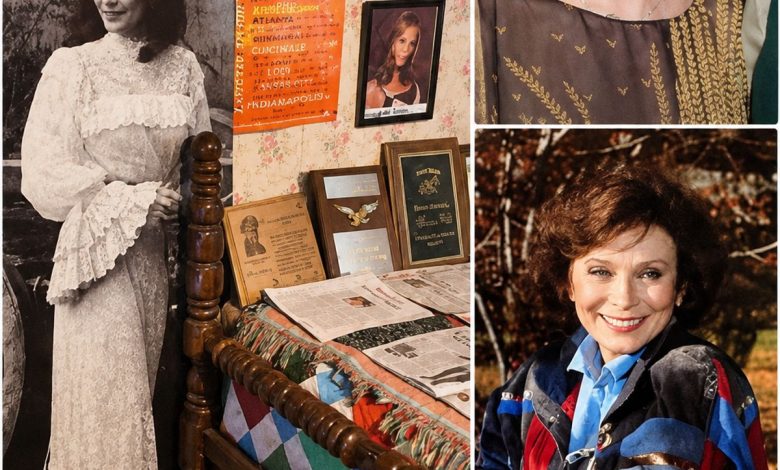
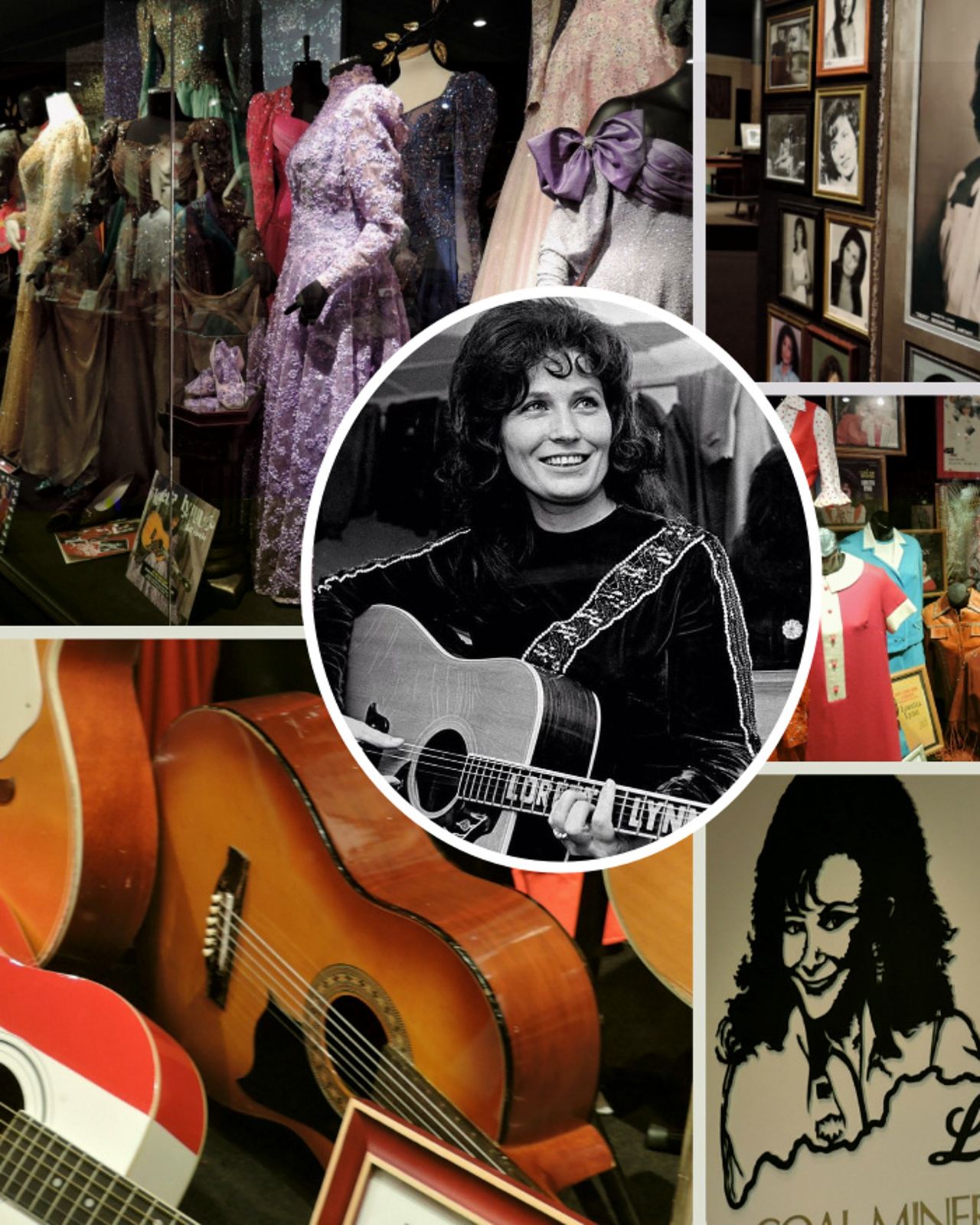
That work of preservation reached its peak with the building of the Coal Miner’s Daughter Museum. Instead of turning her life’s work over to outside curators who might smooth out or sanitize her story, Lynn constructed an 18,000-square-foot museum right on her own property.
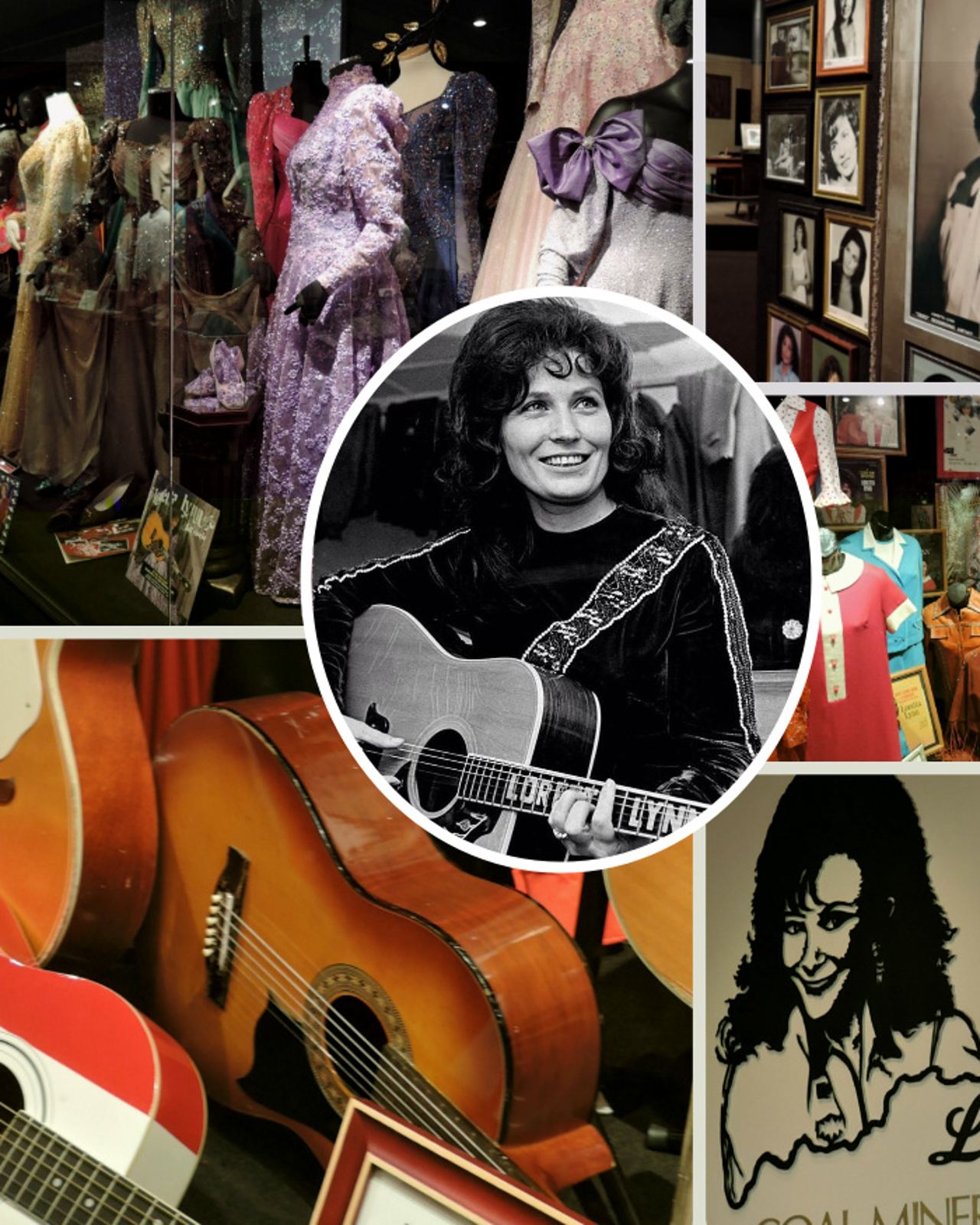
She was determined to arrange the exhibits herself. Serving as her own archivist, she made certain the galleries presented the unfiltered truth of her path from the severe poverty of eastern Kentucky to the biggest stages in the music business.
The contrast inside the museum is deliberately tangible. Weighty gold records, gleaming industry awards, and sparkling stage costumes occupy the same space as the worn and frayed objects that marked her earliest years.
Her songwriting is recorded not with polished display plaques, but with the real yellowed, ripped scraps of paper she used to jot down thoughts late at night. Visitors are able to see the physical evidence of her private hardships and victories written in her own handwriting.
One particular section of the museum carries a quieter and heavier feeling. After the 1963 plane crash that took Patsy Cline’s life, Lynn assumed the lifelong responsibility of guarding the memory of her closest friend.
She created a dedicated area specifically for Cline’s beaded stage dresses and personal items. Across decades of changing eras and shifting trends in country music, the tangible remains of that friendship stayed securely rooted on Lynn’s land.
Her commitment to preserving history reached well beyond the museum itself. To ensure the truth of her beginnings would never be softened or glossed over, Lynn built an exact replica of her childhood cabin in Butcher Holler on the grounds at Hurricane Mills.
She wanted people to grasp the true scale of the poverty she came from by standing on those floorboards themselves, instead of merely viewing a photograph behind a sheet of glass.
The estate became an unusual meeting point between a very public legacy and a deeply private existence. Lynn lived for years in the main antebellum house before relocating to a newly constructed home on the same property. Her family, her career landmarks, and her ghosts all remained planted in the same ground.
Those who worked around the ranch understood that her bond with the museum was more than a tourist attraction. After the visitors had gone and the vast property had fallen silent, Lynn would sometimes unlock the doors and walk through the aisles by herself at night.
She would move past rows of guitars, carefully preserved gowns, and faded scraps of paper. She never had to drive into a city to visit her own history. By bringing every piece of her struggle, her success, and her sorrow onto one stretch of land, she made sure the people and memories she treasured most were never any farther away than a walk beyond her front door.