Movie Star Regina King Announces the Tragic Death of Her Son Remembering Him as Such a Bright Light

Regina King’s story is not only one of extraordinary achievement in film and television. It is also the story of a mother whose life was profoundly changed by the loss of her only son, Ian Alexander Jr. When the family announced his death in January 2022, their words were brief, deeply personal, and filled with love. They remembered a young man who cared about others, brought warmth into the lives around him, and remained an irreplaceable part of his mother’s world.
The tragedy touched audiences not simply because King is a celebrated actor, but because the loss at its center was painfully human. Behind the awards, red carpets, and public recognition was a family confronting grief that no public achievement could soften. Understanding what King shared, what the family chose to keep private, and how she has spoken about grief since then offers a more meaningful picture of the headline than sensational details ever could.
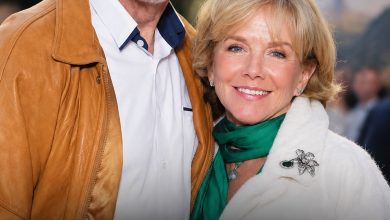
Regina King and her son Ian Alexander Jr. at a public event. Their close relationship was often visible when they appeared together.
A Family’s Announcement That Revealed an Unimaginable Loss
In January 2022, news emerged that Regina King’s only son, Ian Alexander Jr., had died at the age of 26. The announcement brought an outpouring of sympathy for the actor, whose career had placed her among the most respected performers in American film and television. Yet the family’s statement did not focus on fame, awards, or public attention. It focused on Ian himself: the person they loved, the young man whose presence had brought happiness to others, and the family member whose absence had left them devastated.
“Our family is devastated at the deepest level by the loss of Ian,” the statement said. It remembered him as “such a bright light who cared so deeply about the happiness of others.” The family also asked for respectful consideration and privacy during a profoundly painful period.
Those words carried a particular weight because they were so restrained. There were no lengthy explanations, no attempt to turn the family’s grief into a public spectacle, and no invitation for strangers to speculate about private circumstances. Instead, the statement communicated the essential truth: a family had lost someone deeply loved, and it needed space to mourn.
A representative confirmed that Ian had died by suicide. The family did not publicly release further details about the circumstances, and the request for privacy deserved to be respected. His death was a tragedy, but the story of his life cannot be reduced to the way it ended.
For readers who knew Regina King primarily through her performances, the announcement also revealed another side of her identity. She was not simply an award-winning actor and director. She was a mother facing a loss that would change her life in ways that public recognition could never measure.
The distinction matters. Celebrity news can sometimes turn a deeply personal event into a stream of speculation, repeated headlines, and intrusive questions. In this case, the most responsible approach is to begin with what the family actually said, recognize the magnitude of the loss, and remember that Ian was a person in his own right.
His life included family relationships, creative interests, friendships, and ambitions. He had appeared alongside his mother at public events and was pursuing music as a DJ. He was also a young adult whose experiences extended far beyond the moments that cameras captured.
The announcement therefore marked two things at once: the end of a young life and the beginning of a very public period of mourning for a family that had not chosen to make its private pain the center of public conversation.
For King, the loss would remain part of her story long after the initial headlines faded. In later years, she would speak more openly about grief, mental health, guilt, and the challenge of accepting what had happened. Those reflections would help explain why the phrase “such a bright light” was not merely a line in a statement. It was an expression of love for a son whose significance to his family could never be captured by a headline.
Ian Alexander Jr. Was More Than the Son of a Famous Actor
Ian Alexander Jr. was born on January 19, 1996, and was Regina King’s only child with her former husband, record producer Ian Alexander Sr. He turned 26 shortly before his death in January 2022. Although he grew up with a mother whose work brought her into the public eye, his identity was not limited to that family connection.
King had built a career over decades, taking on roles in television and film while establishing herself as a performer capable of moving between drama, comedy, and emotionally demanding stories. Her professional achievements attracted attention, but she also spoke with affection about the importance of motherhood. Ian occupied a central place in her personal life.
For a child growing up around a well-known parent, public attention can create a complicated environment. People may feel that they know a family because they have seen photographs, interviews, and red-carpet appearances. In reality, those moments reveal only a small portion of the relationships behind them.
The public saw Ian beside his mother at selected events. It could not see the ordinary rhythms of their lives: the conversations, private jokes, everyday encouragement, disagreements, shared interests, or the small gestures through which families build their bonds. Those experiences are often the most important parts of a relationship, even though they rarely become news.
Ian also pursued his own creative path. He worked as a DJ and musician under the name Desduné. In January 2022, shortly before his death, he released a track titled “Green Eyes.” King had shared the song with her followers, showing support for her son’s creative work.
That detail is important because it places Ian within a life that was still unfolding. At 26, he was young, with interests and possibilities of his own. His musical work represented an effort to express himself and develop an identity through something he cared about.
It would be inaccurate to suggest that a single song, photograph, or public appearance tells us everything about him. It would also be unfair to assume that his work could reveal the private struggles he may have experienced. A person’s creative output can offer a glimpse of their interests, but it cannot provide a complete explanation of their emotional life.
The respectful way to remember Ian is to acknowledge both his individuality and his relationships. He was a musician, a son, a friend, and a young man with a future that his family had reason to hope would continue. He was not merely a tragic figure whose identity began and ended with a news announcement.
This distinction becomes especially important when discussing suicide. After a death, people naturally search for explanations. They revisit photographs, old posts, public appearances, and comments made long before the tragedy. They may try to identify one moment that appears to explain everything. But grief rarely offers such a clear answer, and outsiders cannot reliably reconstruct another person’s inner experience from fragments of public information.
A life can contain affection, achievements, plans, humor, and meaningful relationships while also including struggles that other people do not fully see. Recognizing that complexity is not a way of minimizing the loss. It is a way of respecting the person who lived that life.
For King and those closest to Ian, the memories that matter most are likely to extend far beyond the public record. The photographs may be familiar to audiences, but the full story of their relationship belongs to the people who shared it.
Ian Alexander Jr. pursued music as a DJ and artist, using the name Desduné. His creative interests were part of his life beyond his family’s public profile.
A Mother and Son Whose Bond Was Visible to the Public
Regina King and Ian Alexander Jr. were seen together at entertainment events over the years, including award ceremonies and film-related gatherings. Their appearances offered a glimpse of a relationship that King often described with warmth. Ian was not simply accompanying a celebrity parent; in public comments, he showed that he appreciated the person she was away from the spotlight as well.
One particularly memorable example came at the 2019 Golden Globes, where Ian spoke affectionately about his mother. He described her as a “super mom” and praised the way she kept the pressures of work from overwhelming the time they spent together. His remarks suggested a relationship in which affection and mutual respect were important.
The comment resonated because it was simple and specific. Rather than speaking about his mother’s awards or professional status, Ian focused on the experience of being her son. He appreciated the attention she gave him and the effort she made to protect their time together.
That kind of observation can mean more than a grand public declaration. A parent may have a demanding career, long working hours, and responsibilities that reach far beyond the home. For a child, knowing that a parent remains emotionally present can become one of the strongest expressions of love.
King’s career included major film and television projects, award campaigns, directing responsibilities, and the public demands that accompany a long-standing entertainment career. Yet Ian’s words indicated that he valued her not only as an accomplished professional but as someone who made room for him in her life.
The pair also shared matching tattoos that read “unconditional love” in Aramaic. The tattoos became a widely reported detail after Ian’s death, partly because they offered a tangible symbol of the connection between them. The phrase expressed a value that many families recognize but may not put into words so permanently.
A tattoo cannot capture the entirety of a relationship, of course. No symbol can describe every moment of love, tension, growth, and reconciliation that occurs between a parent and child. But the matching words were meaningful because they had been chosen by the two people who wore them. They represented something personal rather than something created for an audience.
When news of Ian’s death reached the public, those earlier moments took on a different emotional weight. The red-carpet photographs were no longer simply records of celebrity events. They became reminders of a bond that continued to matter even after one of the people in the photographs was gone.
For the public, the temptation may be to look at those images and search for signs of what would happen later. That temptation is understandable, but it can also be misleading. A photograph captures one instant. A warm exchange on a red carpet reveals only what was visible in that moment. Neither can explain everything a person might be experiencing privately.
It is important not to turn ordinary memories into evidence in a retrospective investigation of someone’s life. Ian’s affection for his mother was real, and so was the tragedy of his death. One fact does not cancel out the other.
The relationship also reminds readers that the people closest to someone who dies by suicide may be left with questions that do not have easy answers. Parents can spend years caring for their children, supporting them through difficulties, and trying to make the best decisions they can. After a loss, they may still wonder whether something was missed or whether another choice could have changed the outcome.
Those questions can be especially painful because love encourages people to believe they should be able to protect those they care about from every harm. In reality, even a deeply committed parent cannot control every aspect of another person’s internal experience. Families can provide support, seek professional care, and remain present, but they cannot always know the full extent of someone else’s distress.
King would later discuss some of these complicated emotions in public. Her reflections did not provide a simple explanation for Ian’s death. Instead, they showed how grief can coexist with love, anger, confusion, and the slow work of trying to live with a reality that cannot be reversed.
That is one reason the family’s early request for privacy mattered. In the first days after a death, relatives may not be ready to discuss details, answer questions, or respond to public interpretations. Respecting that boundary gives them room to experience their loss without the added burden of managing other people’s curiosity.
The News That Reached the Public in January 2022

The news of Ian’s death was reported in January 2022, shortly after his 26th birthday. The family’s representative confirmed the death and shared a statement that expressed the depth of their devastation. The statement’s language was direct, but it was also protective: the family asked the public to respect their privacy during the period of mourning.
The announcement quickly spread through entertainment news outlets. Regina King had a large audience, and many people felt a connection to her through performances they had watched over the years. News of a tragedy involving her only child therefore drew widespread attention.
Messages of sympathy followed from colleagues, public figures, and people who admired King’s work. Many expressed condolences and wished the family strength. Such messages can be meaningful, particularly when they come from people who have worked closely with the family or understand the pressures of life in the public eye.
At the same time, the volume of attention can make a private loss feel even more exposed. A family that is trying to process an overwhelming event may suddenly find its name appearing in headlines, social-media posts, comment threads, and discussions among people who have never met the person who died.
That public response creates a difficult balance. People may genuinely wish to show compassion, but attention is not always the same as support. Repeated speculation, unverified claims, and intrusive questions can add distress to a situation that is already painful.
The family did not offer a detailed account of the circumstances surrounding Ian’s death. News organizations reported the confirmation they received, but no further explanation was released by the family in the initial statement. That boundary should remain clear when recounting the event.
There is a difference between reporting what has been confirmed and filling gaps with assumptions. A responsible account does not invent a final conversation, assign a motive, or present unverified details as facts. It recognizes that the people closest to Ian had access to experiences and information that the public did not.
The same principle applies to the photographs that accompanied the news. Images of King and her son at events can help illustrate their public relationship, but they should not be treated as evidence of what happened in private. A red-carpet image is not a clinical assessment, and a social-media post is not a complete account of a person’s mental health.
The most important confirmed details were already significant: Ian had died at 26; the family was devastated; and they remembered him as someone who cared deeply about other people’s happiness. The statement also made clear that the family needed privacy.
Those facts offered enough to understand the gravity of the news without crossing into speculation. The public did not need every private detail to recognize the tragedy or to express sympathy.
For King, the immediate period after the announcement was a time of profound personal loss. She did not owe the public an immediate interview, a detailed explanation, or a display of emotion that matched anyone else’s expectations. People grieve differently, and the demands placed on public figures can make that process even more complicated.
Some people speak about their loss almost immediately. Others need months or years before they can discuss it. Some find comfort in sharing memories, while others protect those memories by keeping them private. None of these responses is automatically more sincere than another.
King’s later decision to speak publicly about Ian was her own, made on her own timeline. When she eventually discussed her grief, she did so in a way that emphasized the complexity of mourning rather than offering a tidy narrative. Her words suggested that the passage of time can change a person without removing the love or the sadness attached to a loss.
That distinction is central to understanding what happened after January 2022. The initial headline marked a devastating event, but it could not describe the long and uneven process that followed. The family’s life continued, even as it had been fundamentally changed.
The Music He Left Behind
Ian’s work as a DJ and musician is another important part of his story. He performed under the name Desduné and was developing a creative identity separate from his mother’s career. Music gave him a way to share his interests and connect with listeners, just as it does for countless artists building their work outside the mainstream spotlight.
Shortly before his death, Ian released “Green Eyes.” King shared the track with her audience, an act of encouragement that reflected a mother’s interest in her son’s work. The timing meant that the song became associated with the news of his death, but it should first be understood as a piece of music he created while pursuing his own path.
When an artist dies young, listeners often return to their work with a new sense of significance. Lyrics, melodies, photographs, and performances can take on meanings that were not apparent when they first appeared. People may listen again, share the work with friends, or discover it for the first time because they want to understand more about the person behind it.
This response can be a form of remembrance. Art can preserve something of a person’s voice, interests, and creative energy. It allows audiences to encounter a piece of what the artist chose to share, even when the artist is no longer present to explain it.
But it is important to avoid treating a song as a secret message about a death unless there is reliable evidence to support that interpretation. Music is open to personal meaning, and listeners may find their own emotional connections in it. That does not mean they can reliably infer an artist’s private state of mind from a title, a lyric, or a particular sound.
Ian’s work deserves to be approached with the same care. “Green Eyes” was part of his creative output, and King’s decision to share it showed that she was proud of his efforts. The song may carry special meaning for those who remember him, but its existence does not provide a complete explanation for his death.
His music also helps widen the frame through which he is remembered. If the only information people encounter is the headline announcing his death, the story becomes painfully narrow. Remembering his artistic ambitions acknowledges that he was creating, exploring, and building a life of his own.
That does not mean every account must become a celebration or that sadness should be set aside. Grief and appreciation can exist together. A family can mourn the future that was lost while also valuing the experiences and achievements that were part of the person’s life.
For King, supporting Ian’s music was one visible expression of the bond between them. She could share his work, celebrate his creativity, and take pride in his efforts. Those acts do not need to be interpreted as clues to anything else. They are meaningful in their own right.
For readers discovering Ian’s music after his death, the most respectful response is to approach it as the work of an individual artist rather than as a puzzle to solve. Listening can be a way to appreciate what he made, but it cannot substitute for the private memories held by his family and friends.
His creative work remains one part of his story, alongside his relationship with his mother and the memories of people who knew him personally. Together, those details offer a fuller portrait than a single tragic headline ever could.
In a later interview, King spoke about the lasting impact of losing her son and the difficult, personal journey of grief.
When Regina King Finally Spoke About Grief
More than two years after Ian’s death, King spoke publicly about her experience of losing him in an interview with Robin Roberts on Good Morning America. The conversation, published in March 2024, offered a more personal view of what the family’s brief statement could not convey.
King described grief as a journey and reflected on how different she felt from the person she had been before January 19, 2022, Ian’s birthday and a date that had become inseparable from the loss. She explained that grief was not a process with a simple finish line. Instead, it continued to shape her understanding of life and her relationship with her son’s memory.
One of her most widely repeated reflections was that grief is “love that has no place to go.” The phrase captures an experience many bereaved parents describe: the love remains, but the ordinary ways of expressing it have been changed by the person’s absence.
A parent may still want to call a child to share news, ask how a day went, celebrate a new opportunity, or offer encouragement. Birthdays and family milestones may bring a renewed sense of the future that will no longer unfold as expected. Even familiar routines can become reminders of the person who is missing.
There is no single timetable for those feelings. Some days may feel manageable, while other moments bring sadness with unexpected intensity. An ordinary sound, a place, a song, or a passing memory can suddenly make a loss feel immediate again. The fact that someone appears composed in public does not mean that grief has disappeared.
King’s willingness to speak about these experiences helped shift the conversation away from the initial shock of the headline. She did not suggest that she had reached a final stage where everything was resolved. Instead, she acknowledged that she had changed and that the sadness remained part of her life.
Her comments also showed why it is misleading to assume that a public figure’s return to work means the person has moved on. People may continue their professional responsibilities while carrying profound pain. A film premiere, an award ceremony, or a new project does not reveal the full emotional reality of the person participating in it.
For King, acting and directing were established parts of her life, but her professional identity could not erase her experience as Ian’s mother. The two realities existed together. She could continue working and still experience moments of sadness, anger, guilt, and longing.
During the interview, King spoke about the difficulty of accepting her son’s death and the questions that can arise for a parent after such a loss. She described feeling angry with God and wondering why Ian had been burdened with the suffering he experienced. Her comments reflected the painful search for meaning that can accompany bereavement.
It is important to understand these remarks in context. They were King’s personal reflections, not a universal account of how every parent grieves. Other people may experience different emotions, draw on different beliefs, or find comfort in different forms of support. There is no correct sequence of feelings that everyone must follow.
What made the interview significant was its honesty about uncertainty. King was not presenting a formula for overcoming grief. She was describing the work of living with a loss that could not be undone.
Her decision to speak also gave her an opportunity to remember Ian as a whole person. Rather than allowing his death to define every public mention of him, she spoke about the joy and happiness he brought into the lives of those who loved him. She made clear that he continued to matter to her in the present, not only as someone she had lost but as her son.
For an audience accustomed to carefully edited celebrity interviews, the conversation offered something more personal than a promotional appearance. It showed the limits of the public image. A celebrated actor can be vulnerable, uncertain, and deeply affected by events that no award or professional accomplishment can make easier.
King’s words also underscored the importance of allowing bereaved people to speak on their own terms. She had not discussed the loss in a major television interview immediately aft…
Read more stories
- With heavy hearts we say goodbye to a true television legend
- A Rich Woman Took Every Discounted Turkey While an Elderly Grandma Begged for Just One for Her Sick Grandson – Then a Man’s Voice Came over the Store Intercom, and the Rich Woman Went Pale
- After 34 Years of Marriage My Husband Left Me to Keep Our 2 4 Million Lottery Win but He Overlooked One Detail
- I Paid $2,100 a Month Toward Daddy’s Nursing Home for Three Years, Then I Found the $26,000 Rent My Sister Never Mentioned