Patsy Cline Survived a Terrible Crash — Then Recorded the Song That Made Her Immortal
From Virginia Patterson Hensley to Patsy Cline
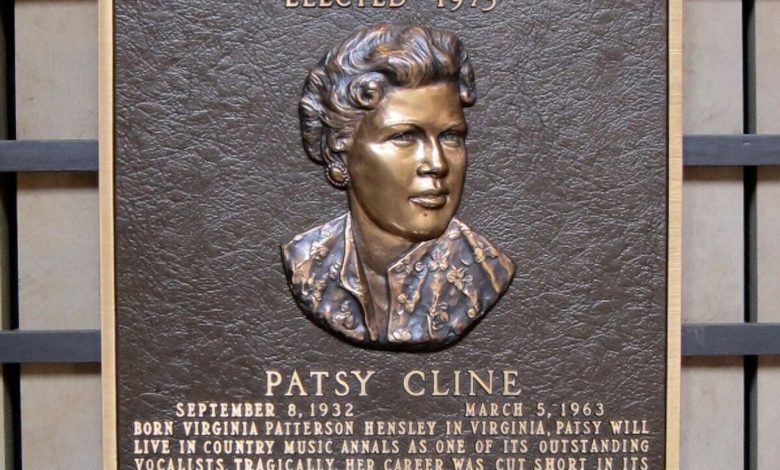
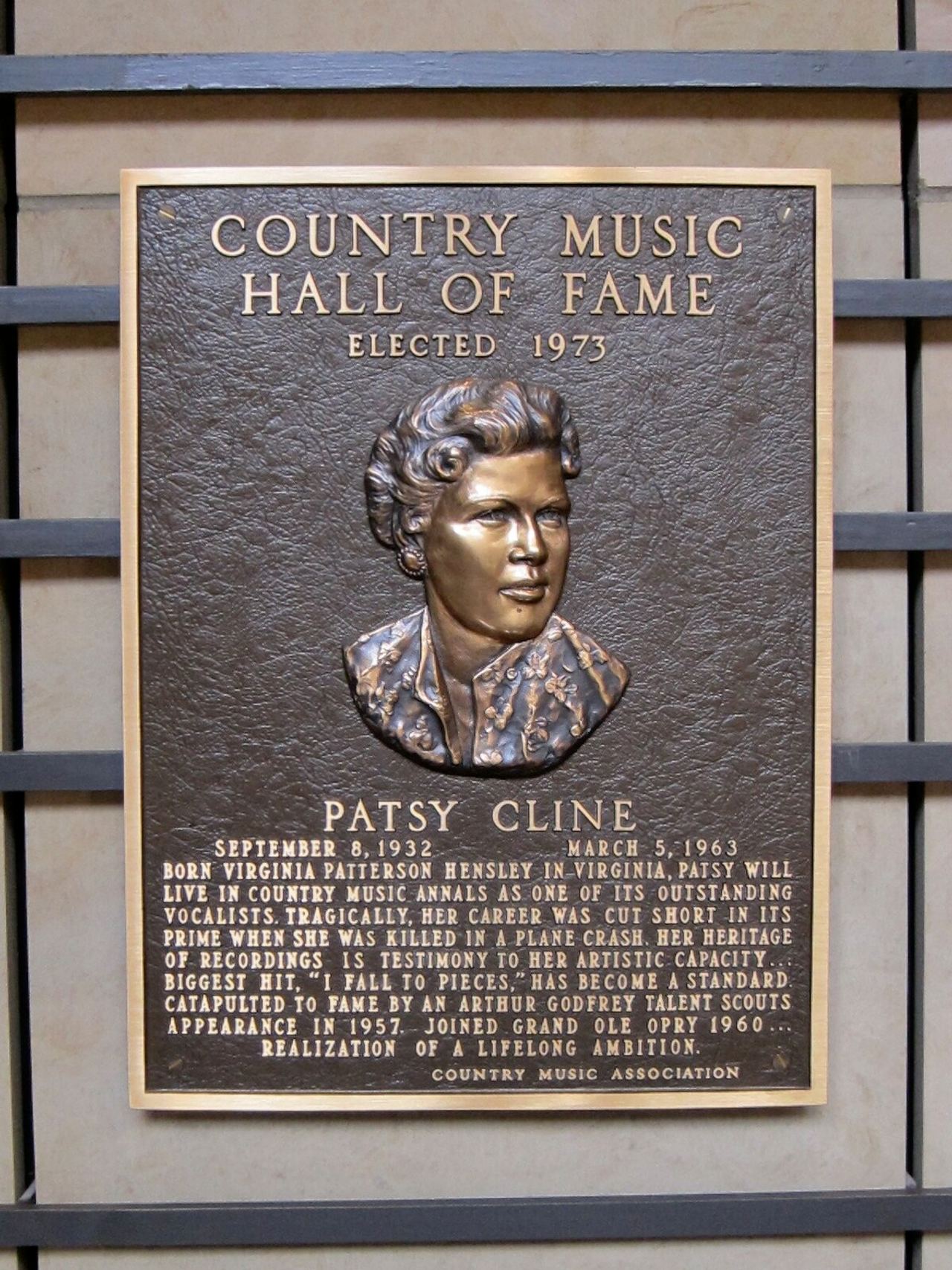
On September 8, 1932, Virginia Patterson Hensley was born in Winchester, Virginia, into circumstances that offered little comfort and no clear path to fame. Her family struggled financially, and when her father left, the burden on the household grew heavier. The future star who would one day command stages and radio waves was, first, a working-class girl in a family trying to get by.
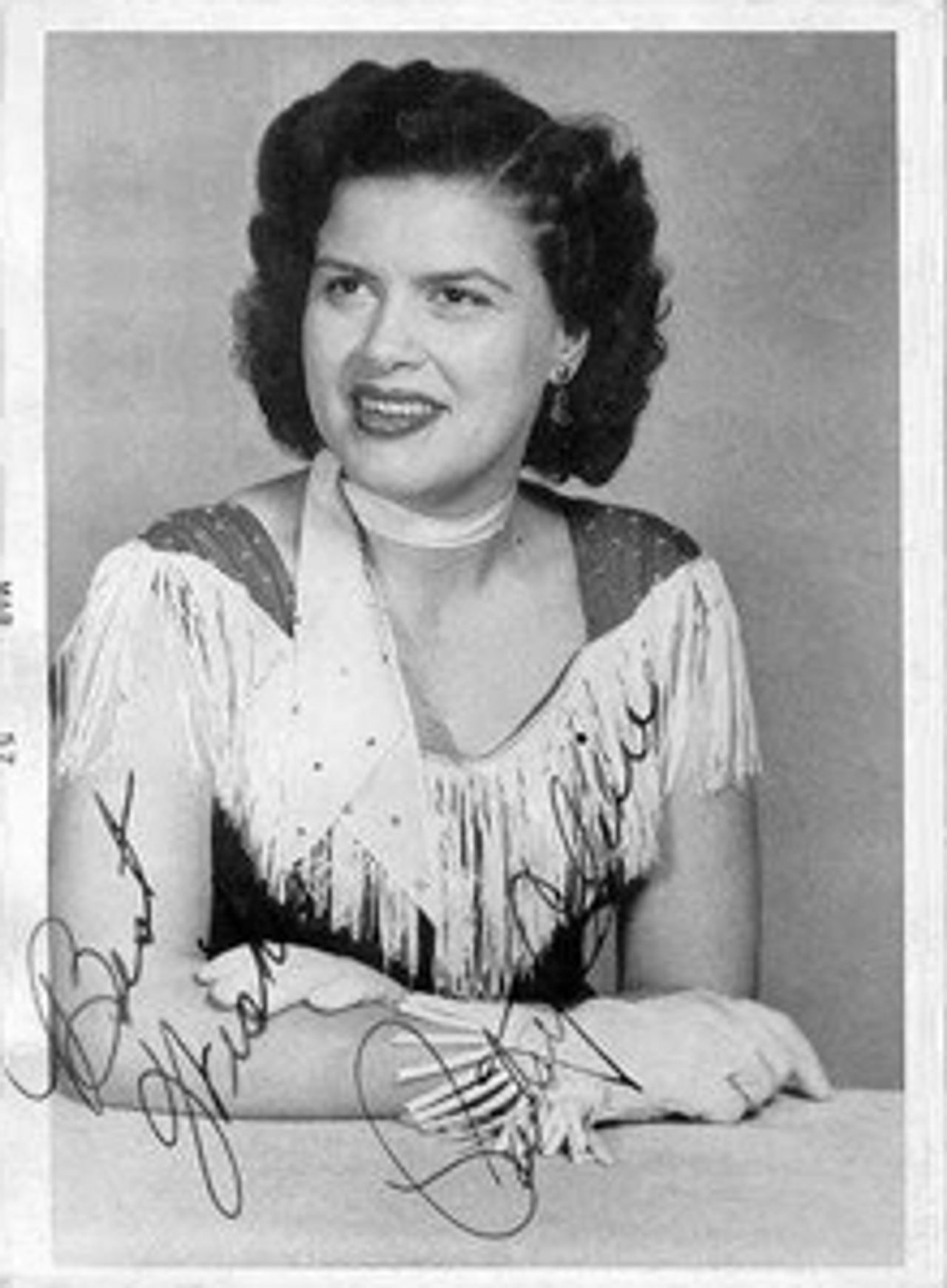
She left school as a teenager to help support her mother and younger siblings, taking ordinary jobs while carrying an extraordinary gift. Music lived in the margins of those long days. At night, she sang. In local radio appearances, talent contests, and small performances, she began building the life that would eventually transform her. By the mid-1950s, Virginia Hensley had become Patsy Cline, a name that sounded sleek, memorable, and ready for a marquee.
A voice shaped in public, one small stage at a time
Cline’s rise did not arrive in a rush. It came through repetition, persistence, and the hard apprenticeship of live performance. Small venues and regional broadcasts gave her not only exposure but discipline. She learned how to hold a room, how to deliver a line, and how to turn personal ache into something a stranger could feel across a dance floor or through a radio speaker.
That gradual climb mattered. Patsy Cline’s artistry was rooted in more than natural ability; it was sharpened by experience. She emerged from the world of local entertainment with a voice that carried both polish and gravity, equally at home in country music’s plainspoken storytelling and in the richer emotional currents that made her records feel larger than life.
At night, she sang.
Hardship never left the story
The mythology of stardom often smooths out the years before success, but Cline’s early life remained central to her identity. Poverty, responsibility, and the need to work were not decorative details in her biography. They formed the texture of her ambition. She knew what it meant to earn money because a family needed it, not because a dream required funding.
That reality helps explain the emotional force listeners still hear in her recordings. Patsy Cline did not sound like someone pretending to understand heartbreak, longing, or endurance. She sounded like someone who had lived with uncertainty and kept moving anyway. The authority in her voice came from experience as much as technique.
The crash that might have ended everything
The turning point that deepened her legend was not only artistic but physical. Patsy Cline survived a terrible car crash, an event that could easily have ended her career—or her life. For an artist whose rise had already demanded uncommon grit, the accident became another brutal test. Recovery brought pain, interruption, and the terrifying possibility that the momentum she had fought so hard to build might vanish.
Instead, the crash became part of the story of her resilience. There is a particular power in the image of a singer returning from catastrophe to stand before a microphone again. In Cline’s case, that return would soon be tied to the recording most closely associated with her name, the song that would cement her immortality in American music.
The record that made Patsy Cline eternal
After surviving the crash, Cline recorded the song that made her immortal: “Crazy.” The title alone feels almost too neat for a life already marked by struggle and survival, but the performance is what gives it permanence. Her reading of the song is intimate without being fragile, controlled without sounding cold. Every phrase seems suspended between dignity and devastation.
What makes “Crazy” endure is not simply its melody or its place in the country canon. It is the sense that Cline inhabited the song completely. She brought to it the steadiness of someone who had already endured enough to understand pain without exaggerating it. The result was a recording that outlived its moment and became a permanent part of the American songbook.
Why her story still resonates
Patsy Cline’s life continues to grip audiences because it contains the elements of classic American legend without losing the human scale: poverty, work, reinvention, catastrophe, and triumph through artistry. She did not begin in privilege or move easily toward fame. She pieced a career together in spare hours, in local rooms, under pressure, and against the odds.
That is why the story of Patsy Cline still feels immediate. It is not only about a famous voice; it is about what that voice had to travel through to be heard. The girl born Virginia Patterson Hensley in Winchester became Patsy Cline through determination and talent, but also through survival. In the end, that combination is what still gives her music its power.
Quick Facts
- Born: September 8, 1932
- Birth name: Virginia Patterson Hensley
- Born in: Winchester, Virginia
- Known as: Patsy Cline
- Early hardship: Left school as a teenager to help support her mother and younger siblings
- Breakthrough path: Local radio shows, talent contests, and small performances
- Mid-1950s: She had become Patsy Cline
- Enduring signature song: “Crazy”
Image credits: arianravan from Arnold, MD, USA / Wikimedia Commons / CC BY 2.0; Four Star Records derivative work: User:Dottiewest1fan / Wikimedia Commons / Public domain; Four Star Records / Wikimedia Commons / Public domain.