Paul Anka’s “Puppy Love” and the Serious Feelings Behind a Teen Ballad
A young voice singing about feelings that felt enormous
When Paul Anka released “Puppy Love” in 1960, he tapped into a part of adolescence that pop music had often treated lightly: the overwhelming seriousness of first love. The title might have suggested something small or fleeting, but the song itself leaned in the opposite direction. It treated teenage emotion with tenderness, not condescension.
That approach helped the record stand out. Anka was already a major presence in pop, but “Puppy Love” sharpened his connection to young listeners by giving voice to heartbreak that felt immediate and real. For teenagers hearing it at the time, the song mirrored an experience adults might dismiss, but that could feel all-consuming when lived for the first time.
Why the song connected so quickly
Part of the power of “Puppy Love” lies in its simplicity. Written by Anka himself, the ballad uses direct language and an unguarded tone to express longing, confusion, and devotion. There is no irony in it, no attempt to distance the singer from his emotions. That openness made it easy for listeners to recognize themselves in the song.
Its success on the Billboard Hot 100, where it reached number two, reflected more than teen-idol popularity. The record worked because it captured a universal emotional truth through a specifically youthful lens. Even listeners far removed from adolescence could understand the ache at its center: wanting a feeling to be taken seriously when the world insists it is only a phase.
“Puppy Love” endures because it never laughs at young love; it sings as if those early feelings deserve the same weight as any adult heartbreak.
Paul Anka’s emotional control as a performer
Anka’s performance is central to the song’s staying power. He does not oversell the material. Instead, his delivery is measured, earnest, and gently wounded, allowing the emotion to build through phrasing rather than melodrama. That balance gave the ballad a maturity that helped separate it from more disposable pop of the era.
In the early 1960s, teen-oriented hits often emphasized fun, danceability, or novelty. “Puppy Love” moved in another direction. Its emotional focus and Anka’s composed vocal made the song feel intimate, almost confessional, as though the listener were hearing a private plea rather than a manufactured pop product.
A defining song in the teen-idol era
The era that produced “Puppy Love” was filled with stars whose appeal depended on charisma, style, and relatability. Anka had those qualities, but he also brought a songwriter’s perspective to his work. Because he wrote the song himself, “Puppy Love” carried an added sense of authorship and authenticity that strengthened its impact.
That helped cement Anka’s standing as one of the period’s most influential teen idols. He was not simply performing material handed to him; he was shaping his own emotional world in song. “Puppy Love” became one of his signature tracks precisely because it blended commercial appeal with personal expression.
From teen heartbreak to pop standard
Over time, “Puppy Love” has outlasted the moment that first made it a hit. Its setting is unmistakably youthful, yet its emotional logic remains familiar across generations. Nearly everyone remembers a first romance that seemed fragile and permanent at once, and the song preserves that contradiction with unusual grace.
That is why the record continues to be remembered not just as a period piece from 1960, but as a timeless ballad. It belongs to a tradition of pop songs that treat private feeling as something worthy of public expression. In Anka’s hands, teenage heartbreak became not trivial but universal.
What “Puppy Love” still says today
Listening now, the song offers a reminder that pop’s most durable themes are often the simplest ones. Young romance, uncertainty, longing, and the desire to be understood are not dated subjects. What changes is the production around them, not the emotional core. “Puppy Love” survives because its core is clear and sincere.
For modern audiences, the song also captures a moment when mainstream pop could be gentle, vulnerable, and direct without losing mass appeal. That combination is a large part of its legacy. More than a hit, “Puppy Love” remains a snapshot of how deeply a three-minute song can honor feelings that many people experience before they even know how to name them.

Quick Facts
- Song: “Puppy Love”
- Artist: Paul Anka
- Release year: 1960
- Writer: Paul Anka
- Billboard Hot 100 peak: No. 2
- Theme: Young romance and heartbreak
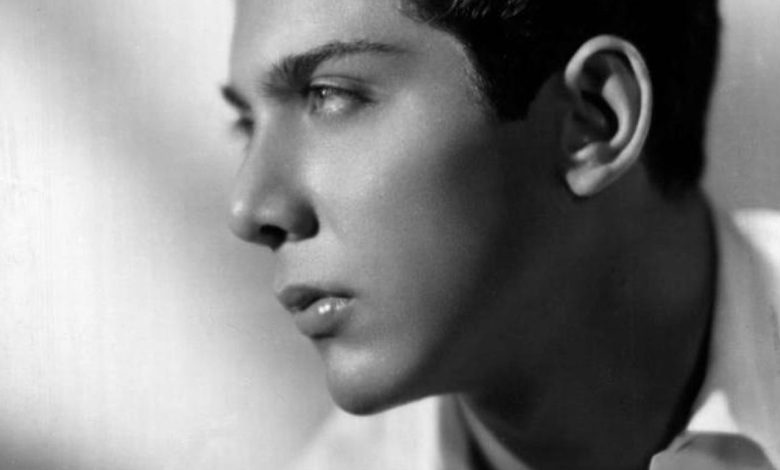
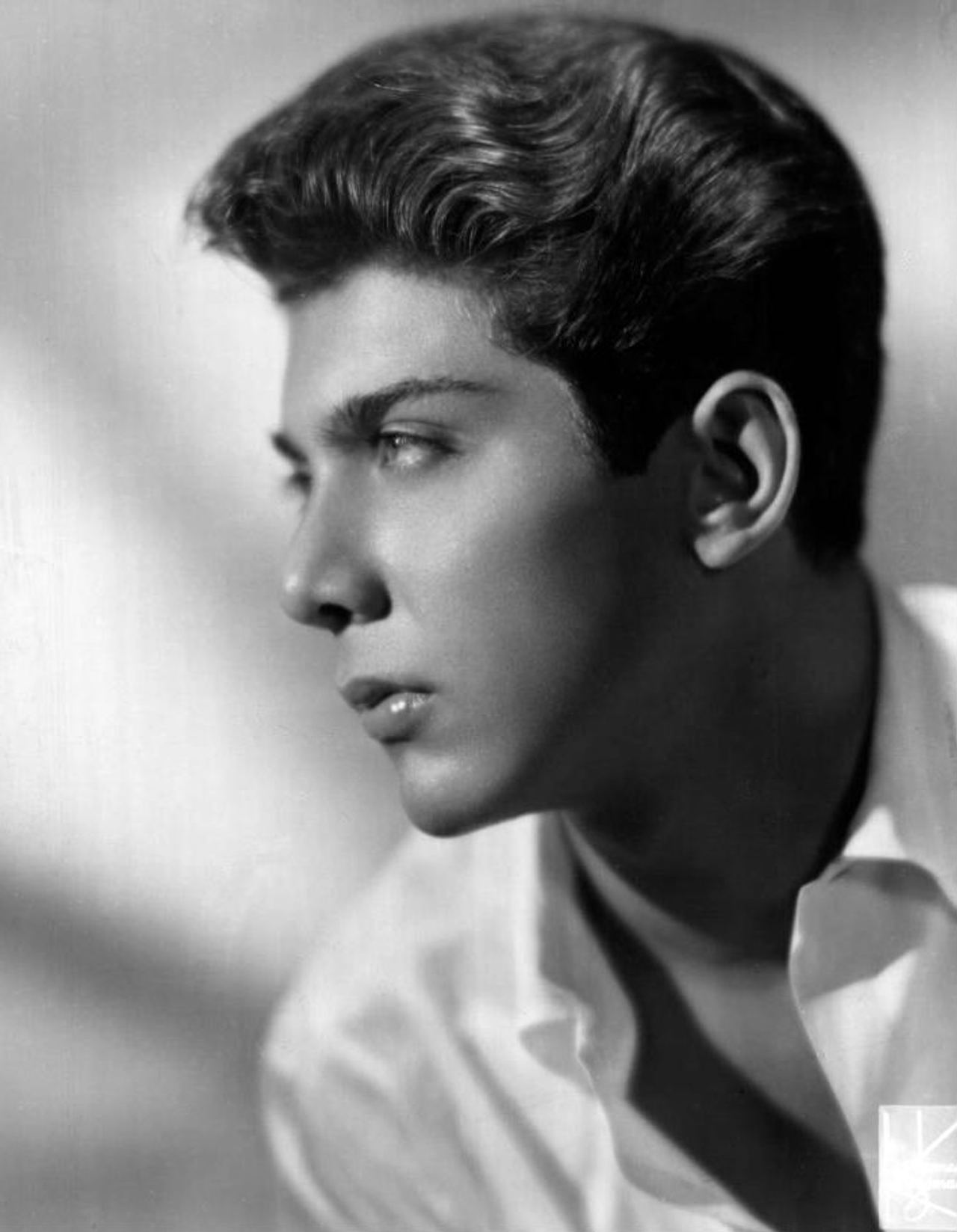
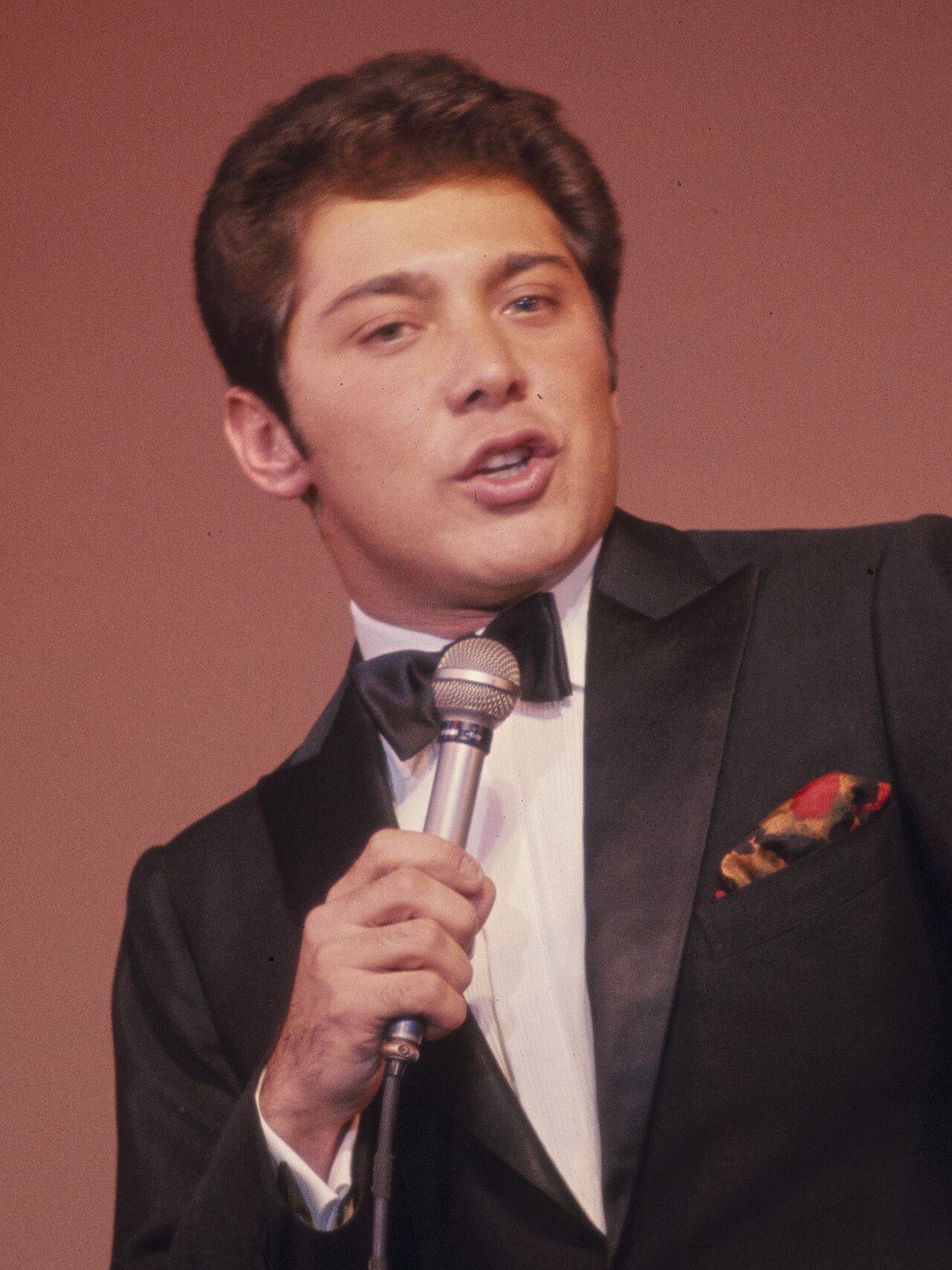
Image credits: General Artists Corporation (management); photographer: James Kriegsmann, New York. / Wikimedia Commons / Public domain; Kingkongphoto & www.celebrity-photos.com from Laurel Maryland, USA / Wikimedia Commons / CC BY-SA 2.0; Gotfryd, Bernard, photographer / Wikimedia Commons / Public domain.