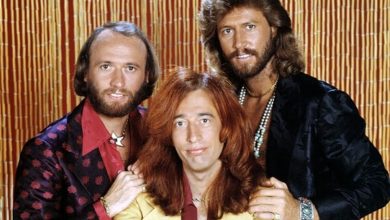
Released in 1958 this song sounded simple on the surface, but beneath the rockabilly rhythm was the quiet heartbreak of not knowing who to believe anymore.
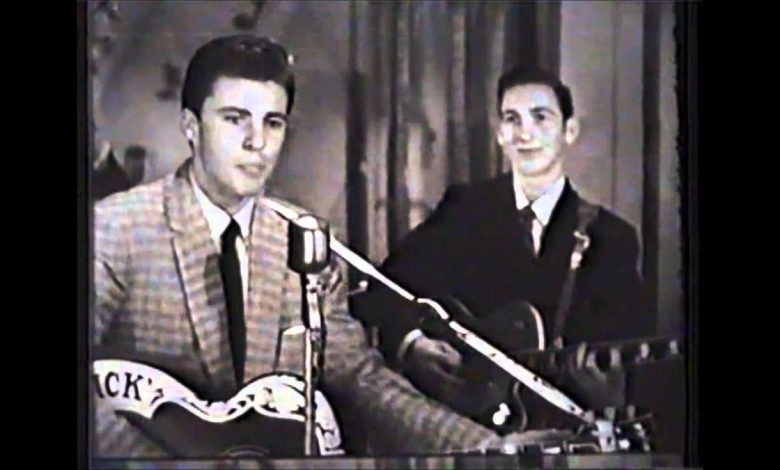
When Ricky Nelson released “Believe What You Say” in 1958, rock and roll was still finding its identity in postwar America.
Teenagers were flooding record stores, jukeboxes were glowing in diners across the country, and young artists were transforming popular music faster than anyone could fully understand.
In the middle of that cultural explosion, Ricky Nelson emerged as one of the era’s most polished and charismatic young stars.
Unlike many early rock singers who came from difficult backgrounds or rebellious subcultures, Nelson arrived with a clean-cut television image already familiar to millions of Americans.
As the son of entertainers Ozzie and Harriet Nelson, he had grown up in front of audiences through the hugely successful television program The Adventures of Ozzie and Harriet.
But despite his wholesome public image, Ricky Nelson possessed a genuine musical instinct that separated him from many television personalities attempting music careers.
He loved rockabilly, country music, and Southern rhythm and blues, and he studied the work of artists like Carl Perkins and Elvis Presley closely.
“Believe What You Say” became one of the clearest examples of how effectively Nelson could merge youthful charm with authentic rock and roll energy.
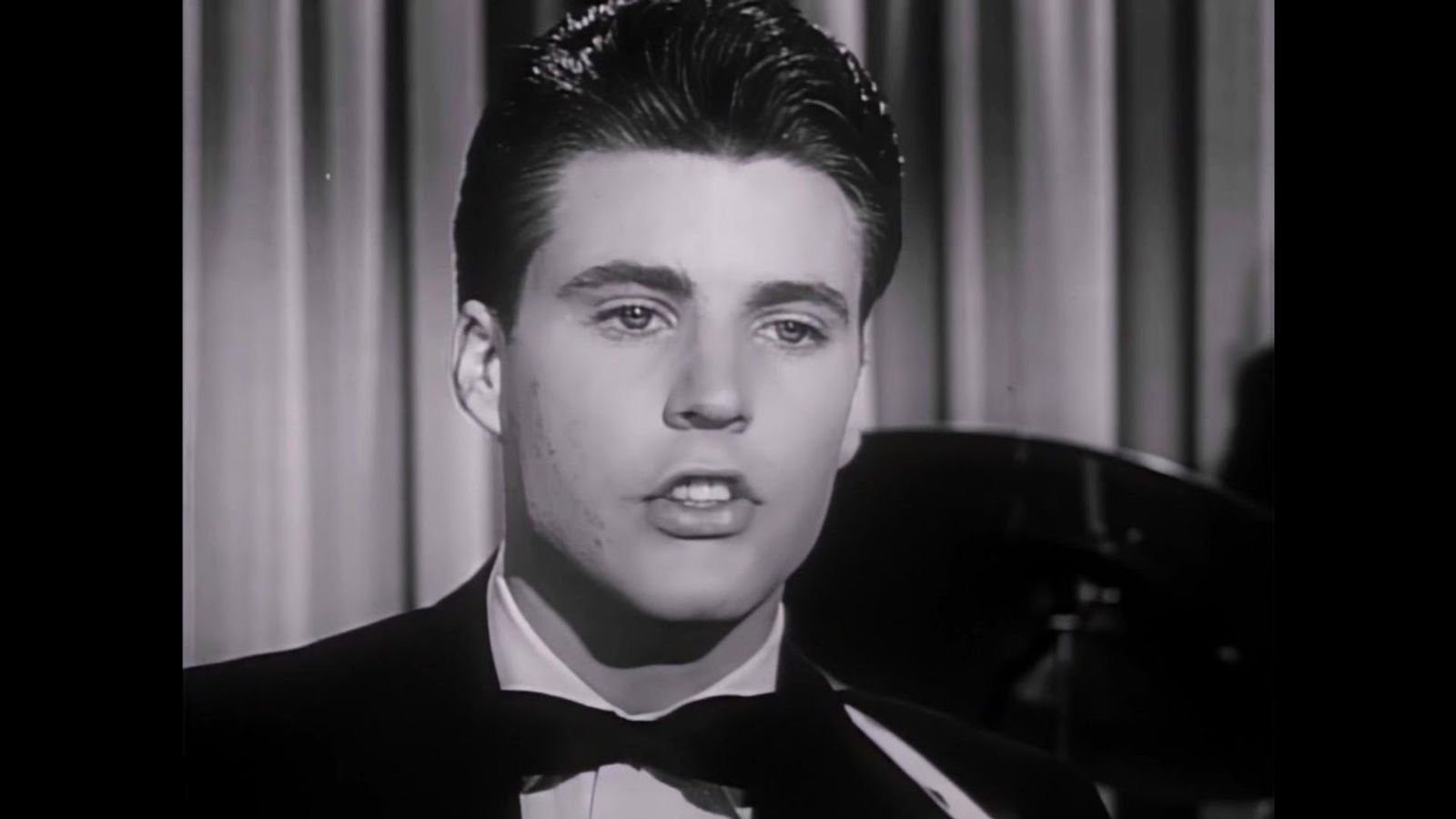
Written by the songwriting duo of Dorsey Burnette and Johnny Burnette, the song carried the playful confidence of late-1950s rockabilly.
Its lyrics revolve around romantic uncertainty, with the narrator questioning mixed signals from someone whose words and actions no longer match.
That emotional confusion gave the song a relatable edge beneath its upbeat rhythm and catchy melody.
The track opens with crisp guitar lines and an infectious rhythm section that immediately captures the listener’s attention.
James Burton’s legendary guitar work added a sharp, twangy texture that helped define Nelson’s signature sound during this period.
Burton, who would later become one of the most respected guitarists in American music, brought precision and swing to every note he played.
Together, Nelson’s smooth vocals and Burton’s guitar created a sound that felt both relaxed and emotionally alive.
Unlike the wild vocal intensity of some early rock singers, Ricky Nelson projected calm confidence and understated coolness.
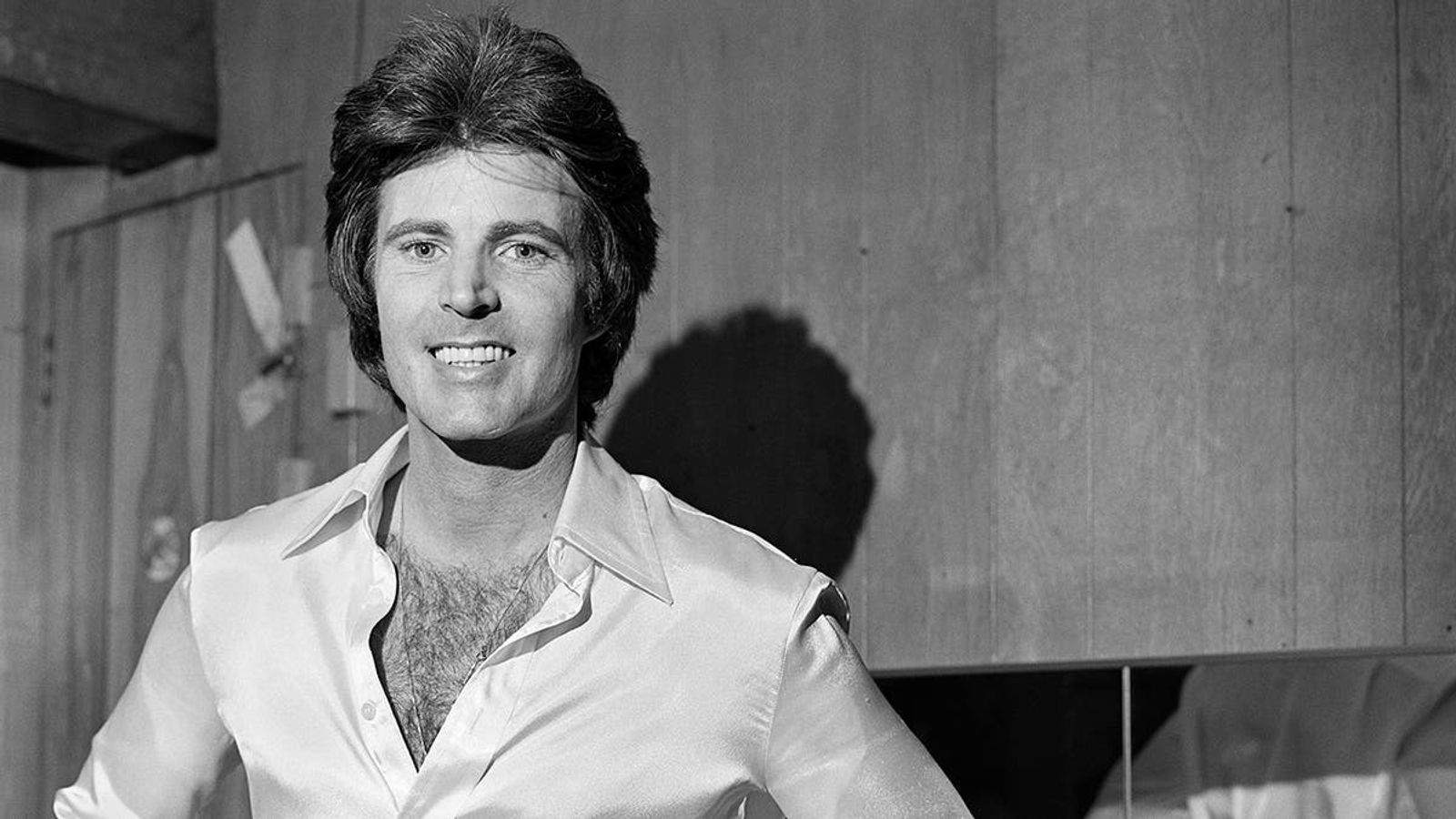
That style appealed strongly to teenage listeners who wanted music that felt rebellious enough to be exciting but accessible enough to feel familiar.
When “Believe What You Say” hit radio stations in 1958, it quickly climbed the charts and strengthened Nelson’s growing reputation as a major recording artist.
The song reached the Top 10 on the Billboard charts and became one of the defining records of his early career.
Its success also confirmed that Nelson was far more than a television celebrity experimenting with music.
He had become one of the leading voices of mainstream rock and roll during a period of enormous cultural change.
At the time, American youth culture was rapidly evolving as teenagers gained greater influence over fashion, entertainment, and popular trends.
Rock and roll became the soundtrack of that transformation, and Ricky Nelson occupied a unique space within it.
He bridged the gap between rebellious youth culture and mainstream American households.
Parents trusted him because of his television image, while teenagers embraced him because his music still carried the pulse of rockabilly energy.
That balance helped make “Believe What You Say” especially successful across different audiences.
The production itself reflected the changing sound of late-1950s American pop music.
While earlier rock recordings often sounded raw and improvised, Nelson’s sessions were tighter, cleaner, and more carefully arranged.
Producer Joe Reisman understood how to preserve the excitement of rock and roll while giving the records enough polish for mainstream radio.
This combination allowed Ricky Nelson’s music to thrive during a transitional moment in the industry.
As the 1950s came to a close, audiences increasingly expected stronger production quality alongside catchy songwriting.
“Believe What You Say” captured that shift perfectly without losing the spontaneity that made rockabilly exciting in the first place.
The song also highlighted Nelson’s ability to communicate emotional uncertainty without sounding overly dramatic.
His delivery feels conversational, almost effortless, which gives the lyrics an authenticity that still resonates decades later.
Rather than pleading or shouting, Nelson sounds like someone genuinely trying to understand mixed emotions in a relationship.
That subtle emotional realism became one of the trademarks of his best recordings.
Over time, “Believe What You Say” remained a staple of oldies radio and classic rockabilly collections.
Fans continued to revisit the track because of its irresistible rhythm, memorable guitar work, and timeless youthful energy.
The song also helped preserve the legacy of Ricky Nelson during periods when other early rock stars faded from mainstream memory.
Although musical trends shifted dramatically during the 1960s with the arrival of the British Invasion and psychedelic rock, Nelson’s recordings retained their emotional warmth and melodic charm.
Many later artists admired the effortless coolness of his vocal style and the clarity of his recordings.
Musicians from country, rock, and Americana traditions continued to cite Nelson as an important influence on their understanding of simplicity and restraint in performance.
His music demonstrated that emotional sincerity did not always require grand theatrics or overwhelming intensity.
Tragically, Ricky Nelson’s life would later be cut short in a plane crash in 1985, transforming many of his songs into emotional time capsules of a vanished era.
Listening to “Believe What You Say” today feels like stepping into a glowing snapshot of late-1950s America.
The record carries the innocence, optimism, and restless energy of a generation discovering its own cultural identity through music.
More than sixty years after its release, the song still sounds remarkably fresh because its emotions remain universal and uncomplicated.
Everyone understands the confusion of mixed signals, uncertain affection, and trying to trust someone’s words.
That emotional simplicity, combined with Ricky Nelson’s relaxed charisma and unforgettable melody, keeps the song alive for new generations of listeners.
In the history of early rock and roll, “Believe What You Say” stands as more than just a hit single.
Read more stories
- KSI Freaks Out as a Britain’s Got Talent Performance Pushes the Limits
- The McCoys’ “Hang On Sloopy” Rockets to No. 1 and Grows into Ohio’s Unofficial Anthem in 1965
- Jackie DeShannon’s Timeless Classic “What the World Needs Now Is Love” Still Uplifts and Inspires Generations
- Released in 1971, this heartbreaking ballad changed how people heard breakup songs forever… because it wasn’t about anger or betrayal, but the quiet moment two people realize love is already gone.