Released in 1967, this explosive two-minute classic raced through radio speakers with raw desperation, smoky vocals, and the feeling of someone willing to cross the country just to get back to the one they loved.
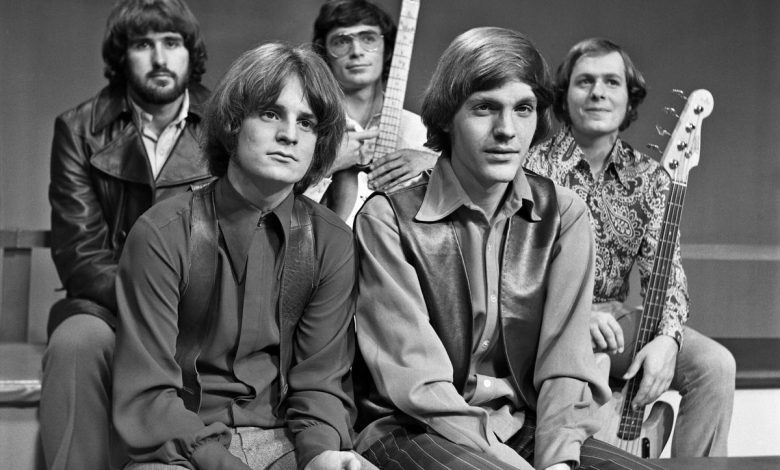
Released in the summer of 1967, The Box Tops’ “The Letter” exploded onto the airwaves with a raw urgency that instantly separated it from the polished psychedelia dominating much of late-1960s pop music.
Clocking in at under two minutes, the song proved that emotional intensity did not require elaborate arrangements or lengthy solos to leave a permanent mark on listeners.
Its gritty vocal delivery, pounding rhythm, and desperate sense of longing transformed it into one of the most unforgettable singles of the decade.
At a time when many artists were expanding songs into sprawling experimental productions, “The Letter” arrived like a lightning strike—fast, direct, and impossible to ignore.
The Box Tops were formed in Memphis, Tennessee, a city already legendary for shaping the sound of American soul, blues, and rock and roll.
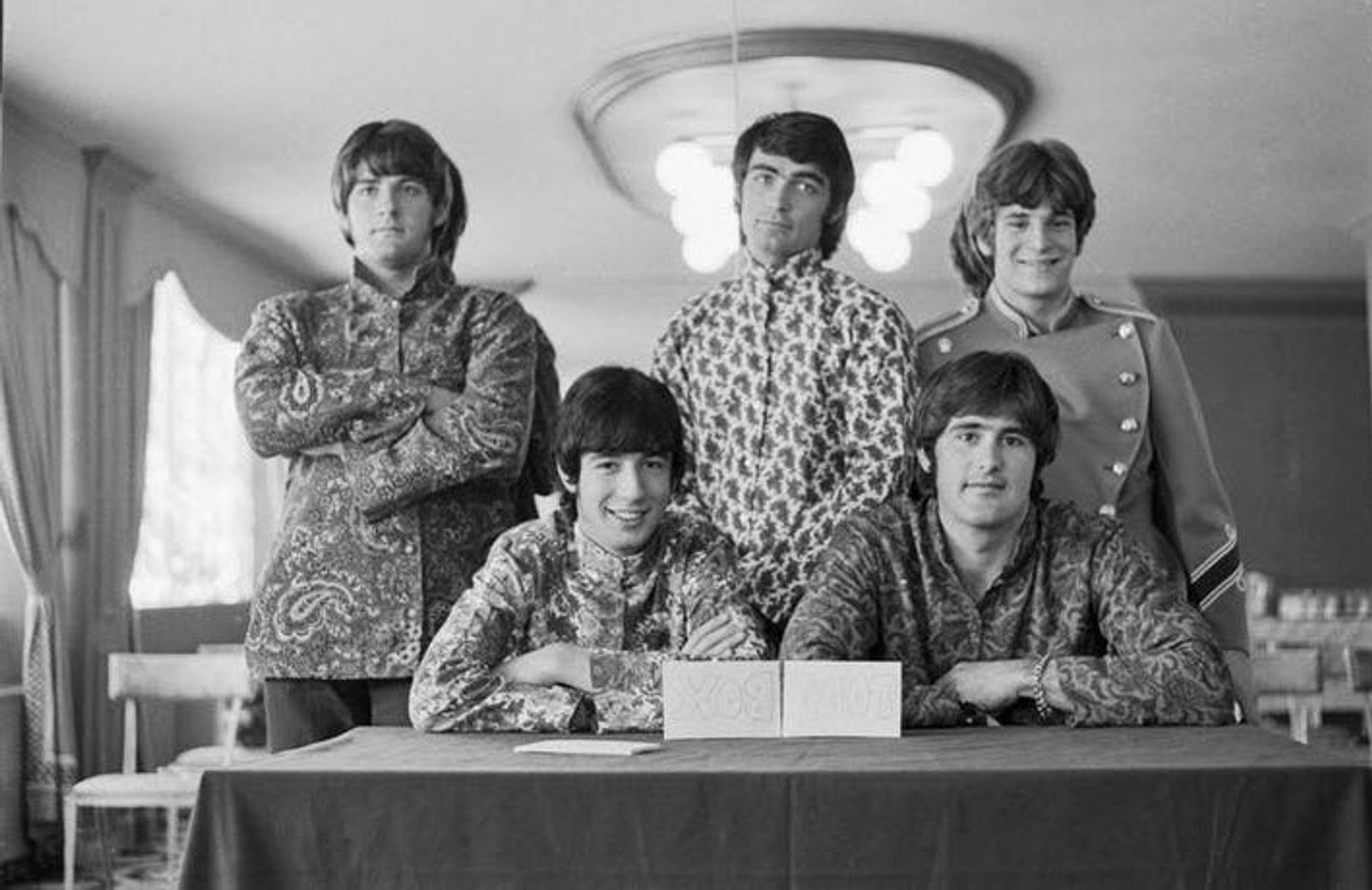
The group originally consisted of Alex Chilton, Danny Smythe, John Evans, Bill Cunningham, and Gary Talley, all remarkably young musicians when success suddenly arrived.
What immediately distinguished the band from their contemporaries was the voice of sixteen-year-old Alex Chilton.
Despite his age, Chilton possessed a smoky, world-weary vocal tone that sounded decades older than he actually was.
That rough emotional texture gave “The Letter” a sense of authenticity and exhaustion that listeners instantly connected with.
The origins of the song trace back to songwriter Wayne Carson, who reportedly drew inspiration from the everyday frustrations of travel and separation.
Carson crafted lyrics centered around a man receiving news from the woman he loves and becoming determined to return home immediately.
The narrative itself was simple, but its emotional core felt universal.
Anyone who had ever missed someone desperately could recognize themselves in the song’s restless urgency.
The famous opening line immediately established the emotional stakes without wasting a single second of time.
When listeners heard the declaration that “my baby just wrote me a letter,” the emotional journey began instantly.
The recording session for “The Letter” captured a raw energy that perfectly matched the desperation within the lyrics.
Produced by Dan Penn, the song blended Memphis soul influences with garage rock intensity, creating a sound that felt both polished and emotionally untamed.
The instrumentation was stripped down but highly effective, driven by sharp guitar riffs, pounding drums, and a swirling electric organ.
Rather than overcrowding the production, the arrangement left space for Chilton’s commanding voice to dominate the recording.
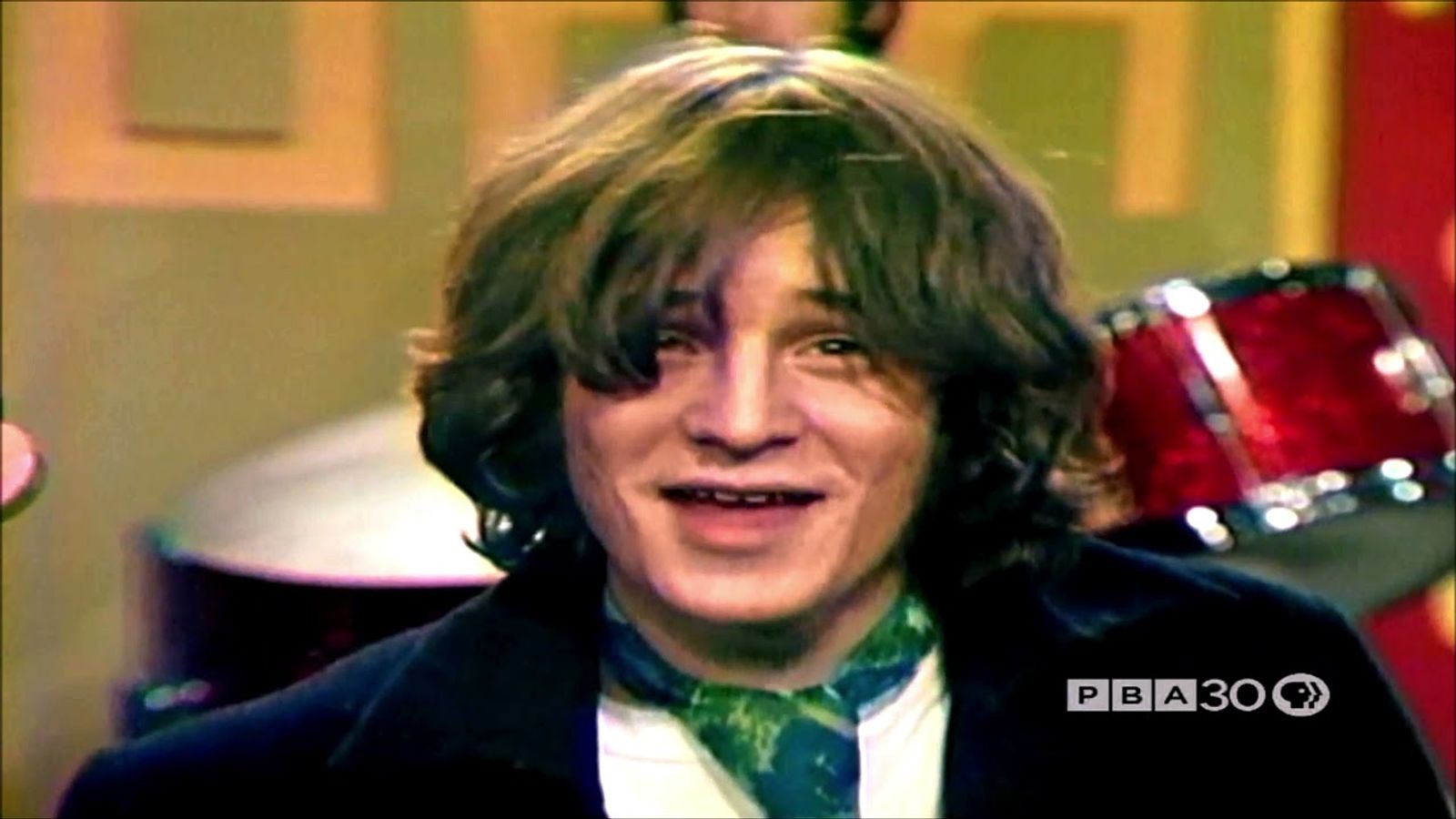
His vocal performance carried an aching urgency that elevated the song far beyond a standard pop single.
One of the most remarkable aspects of “The Letter” was its brevity.
Running for less than two minutes, the track became one of the shortest songs ever to reach number one on the Billboard Hot 100.
Yet despite its short length, it never felt incomplete or rushed.
Every second served a purpose, creating an intensity that lingered long after the record stopped spinning.
Upon its release, “The Letter” became an immediate commercial sensation.
The song rapidly climbed the charts and reached number one in the United States in September 1967.
It remained at the top spot for four consecutive weeks and eventually became one of the best-selling singles of the entire year.
International audiences embraced the song as well, turning The Box Tops into global stars almost overnight.
For many listeners, the track captured the restless emotional spirit of the era better than far more elaborate recordings.
Culturally, “The Letter” stood apart because it blended multiple American musical traditions into a single explosive performance.
The song carried traces of Southern soul, rhythm and blues, garage rock, and pop accessibility all at once.
That fusion helped bridge audiences across different musical tastes during a period when genre boundaries were rapidly evolving.
The Memphis influence within the recording also reinforced the city’s importance as one of the great musical capitals of America.
While cities like San Francisco and London became associated with psychedelic experimentation, Memphis continued producing emotionally direct music rooted in soul and human experience.
“The Letter” became one of the clearest examples of that tradition reaching mainstream pop success during the late 1960s.
The success of the single transformed The Box Tops from local teenage musicians into major recording stars.
They suddenly found themselves touring nationally, appearing on television, and navigating the pressures of fame at incredibly young ages.
For Alex Chilton in particular, the song marked the beginning of a career that would later take unexpected artistic turns.
Though he would eventually become a cult icon through his work with Big Star, many listeners still first discovered his voice through “The Letter.”
The song’s influence extended well beyond its original release.
Countless artists admired its economy, proving that a powerful emotional statement did not require excessive complexity or production.
Its stripped-down structure influenced generations of rock and pop musicians seeking to capture immediacy and emotional honesty within short song formats.
The recording also demonstrated how vocal texture alone could transform simple lyrics into something unforgettable.
Over the decades, “The Letter” has been covered by numerous artists across different genres.
Joe Cocker’s famous 1970 rendition slowed the song down and infused it with bluesy emotional weight, revealing entirely new dimensions within the lyrics.
While Cocker’s interpretation became iconic in its own right, The Box Tops’ original version retained a youthful urgency that remained impossible to duplicate fully.
Each cover version highlighted the timeless flexibility of Wayne Carson’s songwriting.
At the height of the Vietnam War era, some listeners even interpreted the song through the lens of soldiers longing to return home.
Though not explicitly political, the themes of distance, urgency, and emotional yearning resonated deeply within a generation shaped by separation and uncertainty.
That broader emotional context helped the song maintain cultural relevance beyond simple romantic storytelling.
Even today, “The Letter” continues appearing in films, television shows, and nostalgic retrospectives celebrating classic rock and soul music.
Its instantly recognizable opening lines and driving rhythm still create an immediate emotional reaction among listeners across generations.
The song remains a staple of oldies radio because its emotional power never depended on trends or elaborate production techniques.
Instead, it succeeded through directness, sincerity, and sheer musical energy.
For many fans of classic music, “The Letter” represents a perfect example of how simplicity can become timeless when executed with passion and authenticity.
Its lean structure, unforgettable vocal performance, and relentless momentum continue to influence artists seeking to capture raw emotional truth within a pop framework.
Read more stories
- KSI Freaks Out as a Britain’s Got Talent Performance Pushes the Limits
- The McCoys’ “Hang On Sloopy” Rockets to No. 1 and Grows into Ohio’s Unofficial Anthem in 1965
- Jackie DeShannon’s Timeless Classic “What the World Needs Now Is Love” Still Uplifts and Inspires Generations
- Released in 1971, this heartbreaking ballad changed how people heard breakup songs forever… because it wasn’t about anger or betrayal, but the quiet moment two people realize love is already gone.