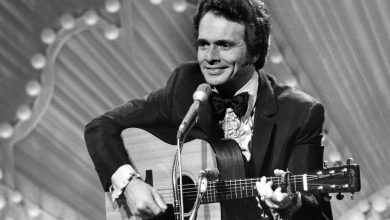
Released in 1978… this wasn’t a loud love song, it was the quiet sound of two hearts realizing some feelings arrive no matter how hard we try to resist them.
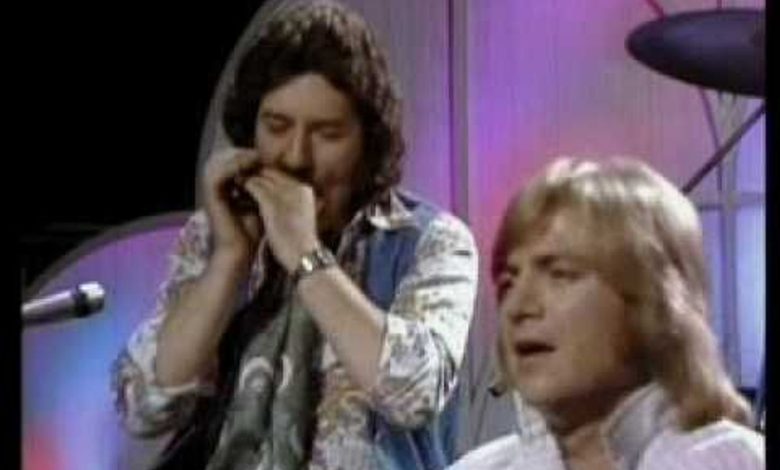
When The Moody Blues released “Had to Fall in Love” in 1978, the musical world around them was changing faster than ever before.
Disco rhythms dominated dance floors, punk rock was challenging the old guard, and progressive rock bands were struggling to maintain relevance in a rapidly shifting industry.
Yet The Moody Blues managed to carve out their own emotional space with a song that felt warm, reflective, and quietly timeless.
“Had to Fall in Love” emerged from the band’s album Octave, a record created during one of the most emotionally fragile periods in their history.
After years of relentless touring and recording throughout the late 1960s and early 1970s, tensions within the group had begun to grow.
The members had temporarily stepped away from one another, pursuing solo projects and personal lives before eventually reuniting to record again.
That emotional distance gave Octave a different atmosphere from the band’s earlier, more spiritually ambitious albums.
Instead of cosmic exploration and philosophical grandeur, many of the songs focused on human relationships, longing, and emotional vulnerability.
“Had to Fall in Love” became one of the clearest examples of that emotional shift.
Written primarily by Justin Hayward, the song carried the melodic elegance and bittersweet romanticism that had long defined his songwriting style.
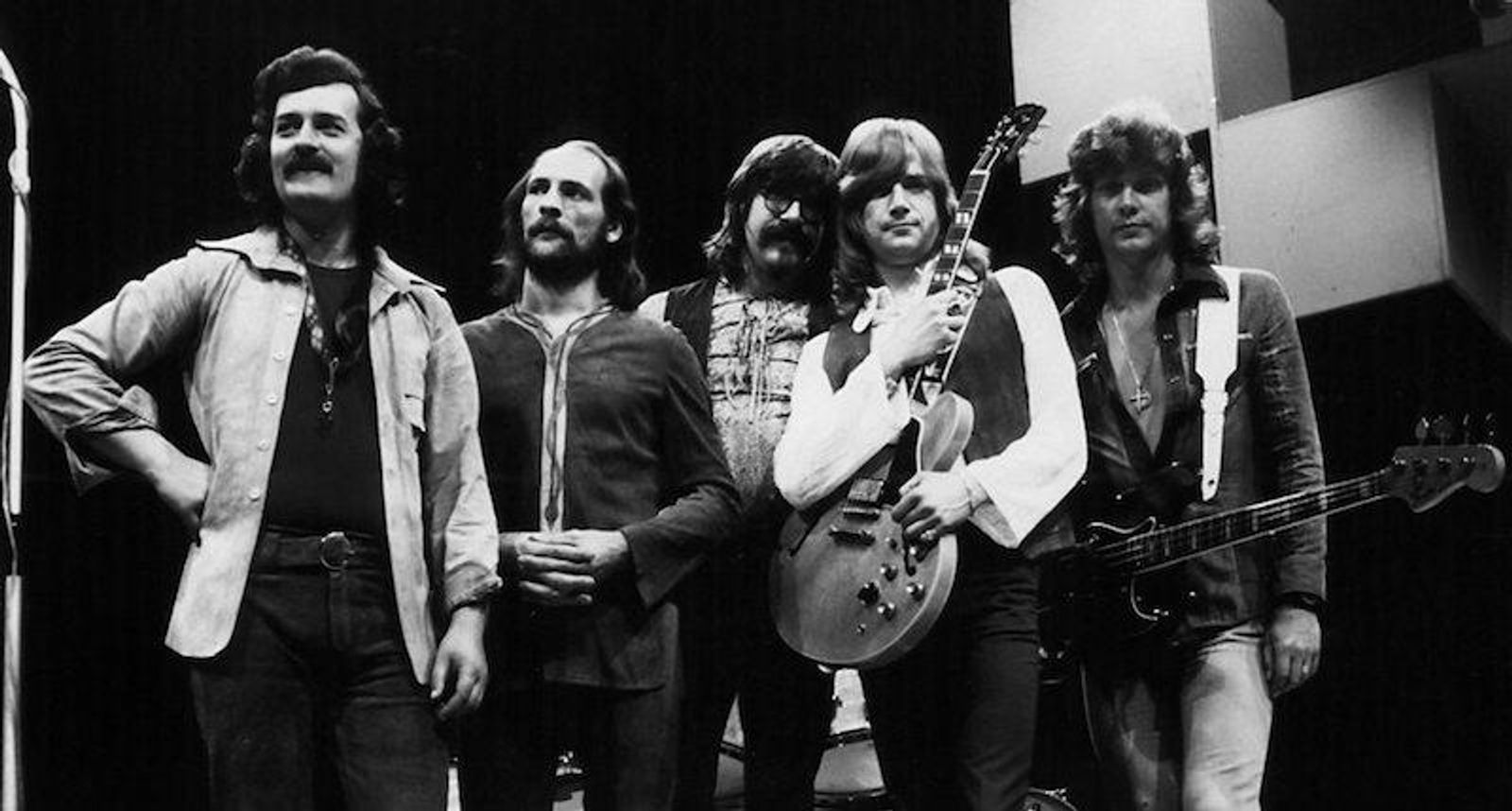
Hayward had already established himself as one of the most emotionally expressive writers in progressive and symphonic rock.
Songs like “Nights in White Satin” and “Tuesday Afternoon” had transformed The Moody Blues into one of the most distinctive bands of their generation.
But by 1978, Hayward’s writing had become more intimate and restrained, focusing less on fantasy and more on emotional realism.
“Had to Fall in Love” captures the strange inevitability of romance, the feeling that love arrives not through logic but through emotional surrender.
Its lyrics reflect uncertainty and emotional hesitation while still embracing the irresistible pull of connection.
That emotional conflict gave the song a mature quality that resonated deeply with adult listeners.
Musically, the track blended soft rock warmth with the atmospheric textures that The Moody Blues had perfected over the previous decade.
Gentle acoustic guitars, layered harmonies, and smooth keyboard arrangements created a sound that felt soothing yet emotionally charged.
Unlike the dramatic orchestral experiments of their earlier records, “Had to Fall in Love” relied on subtlety and mood.
The production emphasized emotional clarity over spectacle, allowing the melody and vocals to carry the weight of the song.
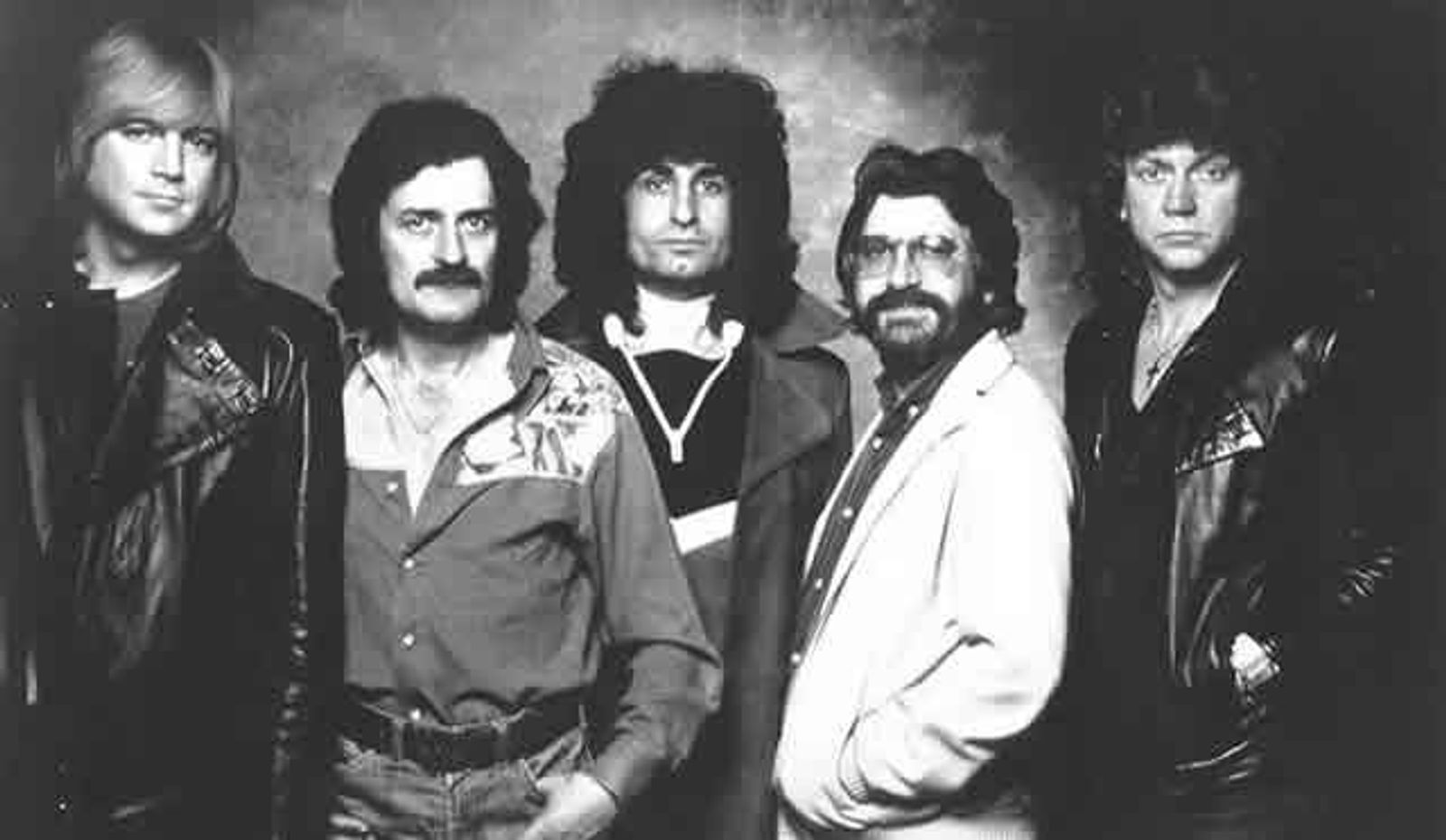
Hayward’s vocal performance remains one of the song’s defining strengths.
His voice moves through the lyrics with tenderness and restraint, sounding reflective rather than theatrical.
That calm emotional delivery gave the song a sincerity that stood apart from the louder musical trends dominating late-1970s radio.
At a time when many artists competed for attention through excess and intensity, The Moody Blues chose emotional elegance instead.
When the single was released, it achieved respectable commercial success, particularly in the United States.
The song reached the Billboard Hot 100 and found strong support on adult contemporary radio stations.
Listeners who had grown alongside the band during the late 1960s connected with the song’s mature emotional perspective.
For many fans, “Had to Fall in Love” felt like a reunion not just with the band, but with an earlier emotional era of rock music itself.
The song also reflected how The Moody Blues adapted to changing musical landscapes without abandoning their identity.
While progressive rock as a genre faced criticism for becoming overly grandiose, The Moody Blues survived by focusing on emotional songwriting and melodic accessibility.
They understood that audiences still craved sincerity and atmosphere even as musical fashions evolved.
That ability to evolve without losing their emotional core helped preserve the band’s relevance during difficult transitional years.
Behind the scenes, however, the recording of Octave revealed fractures that would continue affecting the group.
The reunion sessions were reportedly tense, with unresolved personal conflicts lingering beneath the surface.
Drummer Graeme Edge later described parts of the recording process as emotionally exhausting.
Yet those tensions may have contributed to the emotional honesty that gives “Had to Fall in Love” its lasting resonance.
There is a quiet weariness beneath the song’s beauty, as though the band understood how fragile both love and creative partnerships could become over time.
That emotional complexity elevated the track beyond a simple romantic ballad.
It became a reflection on vulnerability, aging, and the emotional risks that continue long after youth fades away.
Over the years, “Had to Fall in Love” remained an important part of The Moody Blues’ later catalog, even if it never overshadowed their classic 1960s material.
Fans continued to appreciate the song for its warmth, melodic craftsmanship, and emotional honesty.
Its smooth production and reflective mood allowed it to age gracefully alongside the adult contemporary sound that would dominate much of the late 1970s and early 1980s.
The song also demonstrated how effectively The Moody Blues could balance progressive influences with mainstream accessibility.
They never fully abandoned their atmospheric identity, but they learned how to express it through simpler and more emotionally direct songwriting.
That balance influenced many later soft rock and progressive pop artists searching for emotional sophistication without excessive complexity.
Even decades later, “Had to Fall in Love” still carries the gentle emotional glow that made it memorable upon release.
Listening to it now feels like opening an old photograph filled with faded colors and forgotten emotions.
The song captures not only romantic longing, but also the bittersweet realization that life moves forward whether we are emotionally prepared or not.
For listeners who grew up with The Moody Blues, the track became part of the soundtrack of adulthood itself.
It represented a quieter phase of life where emotions became deeper, subtler, and more difficult to explain.
In the broader history of The Moody Blues, “Had to Fall in Love” stands as an important bridge between the band’s psychedelic origins and their later soft rock evolution.
It showed that emotional depth did not require grand concepts or elaborate arrangements to leave a lasting impression.
Read more stories
- KSI Freaks Out as a Britain’s Got Talent Performance Pushes the Limits
- The McCoys’ “Hang On Sloopy” Rockets to No. 1 and Grows into Ohio’s Unofficial Anthem in 1965
- Jackie DeShannon’s Timeless Classic “What the World Needs Now Is Love” Still Uplifts and Inspires Generations
- Released in 1971, this heartbreaking ballad changed how people heard breakup songs forever… because it wasn’t about anger or betrayal, but the quiet moment two people realize love is already gone.