Released in the 1980s, this haunting ballad still feels like a late-night conversation with someone you never truly forgot. Some songs fade with time… this one only hurts more the older you get.
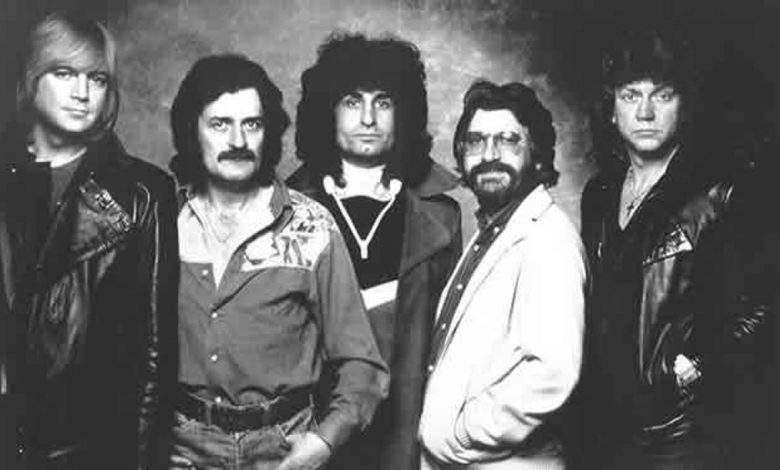
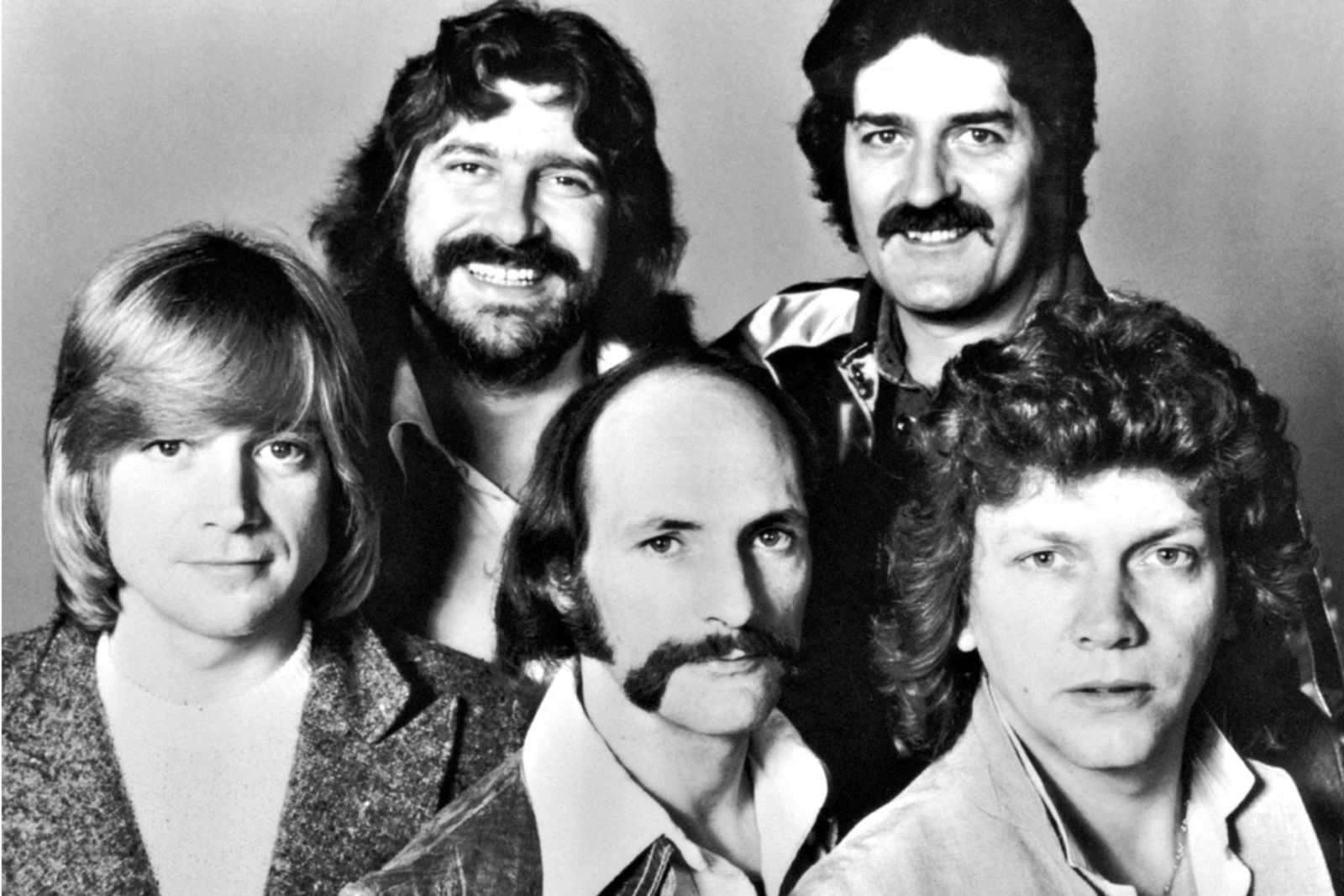
When The Moody Blues released “Your Wildest Dreams” in 1986, it felt less like a comeback single and more like a wistful letter sent across time.
At a moment when synthesizers and glossy production dominated radio, the band somehow managed to create a song that sounded modern while carrying the emotional weight of an old photograph discovered in a forgotten drawer.
The track became one of the group’s biggest late-career successes, reaching the Top 10 on the Billboard Hot 100 and introducing a new generation to the poetic melancholy that had always defined The Moody Blues.
For longtime fans, however, “Your Wildest Dreams” represented something even more powerful: the return of a band that understood memory better than almost anyone else in rock music.
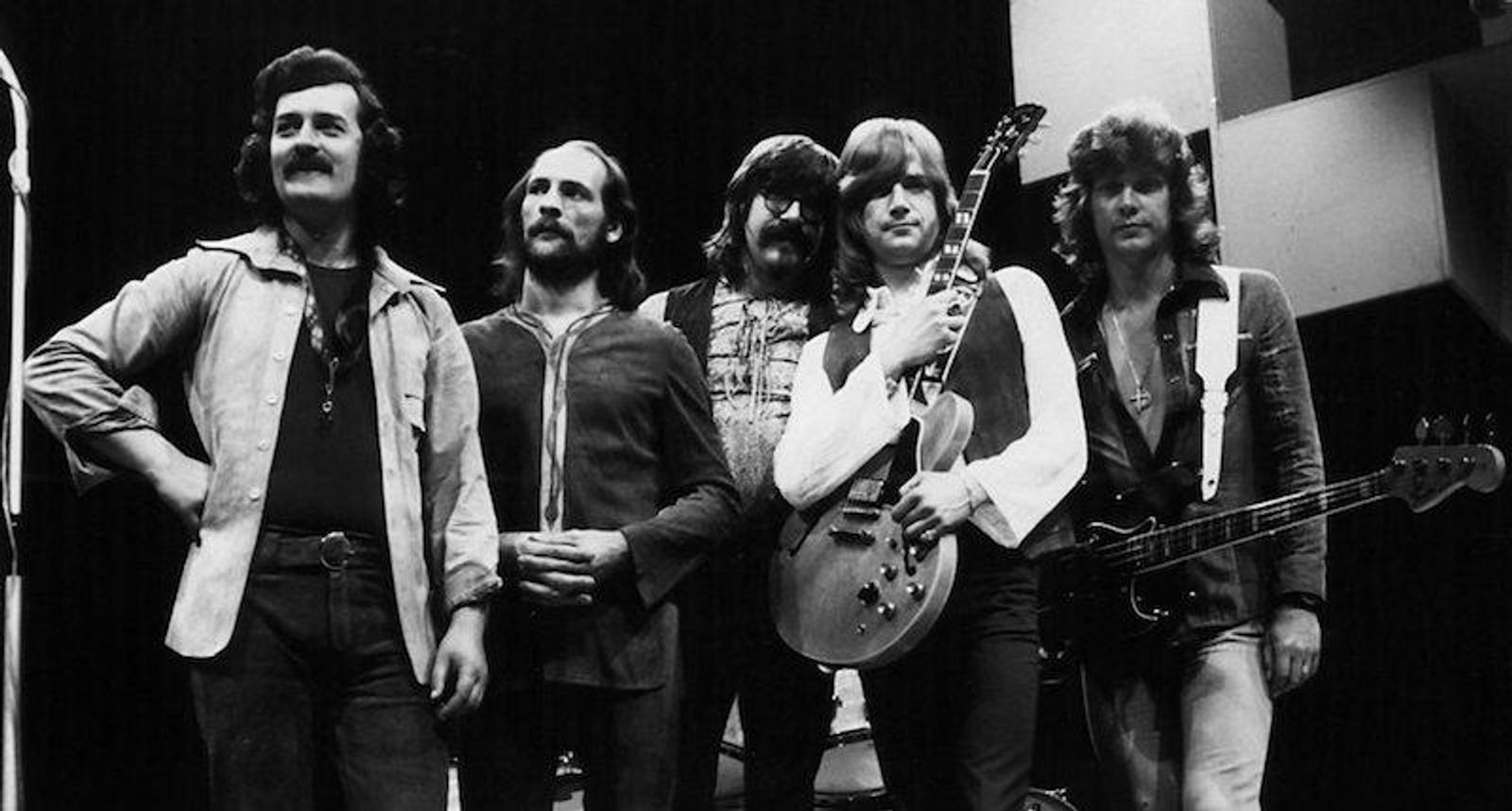
Formed in Birmingham, England, in the mid-1960s, The Moody Blues had already transformed themselves several times before arriving at the MTV era.
Originally rooted in rhythm and blues, the band evolved into pioneers of progressive and symphonic rock with landmark albums like Days of Future Passed and In Search of the Lost Chord.
Their music often blurred the line between rock, poetry, philosophy, and orchestral experimentation.
While many groups from the psychedelic era faded as trends changed, The Moody Blues survived because they understood how to make emotion timeless.
By the mid-1980s, however, the musical landscape looked entirely different from the world they had once ruled.
Synth-pop, arena rock, and visually driven MTV acts now controlled the charts, leaving many classic bands struggling to remain relevant.
Yet instead of trying to imitate younger artists completely, The Moody Blues leaned into what they did best—nostalgia, longing, and emotional storytelling.
“Your Wildest Dreams,” written primarily by Justin Hayward, became the perfect bridge between past and present.
Hayward later admitted that the song was deeply personal, inspired by reflections on lost youth and wondering whether people from our past still remember us years later.
That universal ache sits at the center of every line in the song.
It isn’t really about rekindling an old romance.
It’s about wondering if a version of yourself still exists in someone else’s memory.
That emotional uncertainty gave the song a depth rarely heard in mainstream 1980s pop radio.
Produced by Tony Visconti, whose résumé already included work with David Bowie and T. Rex, the recording balanced sleek contemporary production with the band’s signature atmospheric richness.
The synthesizers shimmered softly beneath the arrangement while the guitars carried a warm, almost dreamlike glow.
Hayward’s vocal performance was restrained and intimate, allowing the lyrics to feel conversational rather than theatrical.
Instead of overpowering listeners with drama, the song quietly pulled them inward.
The now-iconic music video also played a massive role in the song’s success.
At a time when MTV exposure could redefine a career overnight, the nostalgic storyline of former lovers reconnecting through memories resonated deeply with audiences.
The video cleverly mirrored the themes of the song itself, blurring youth and adulthood into one emotional continuum.
For many viewers, it felt painfully familiar.
Everyone had someone they once knew who occasionally drifted back into their thoughts late at night.
Commercially, “Your Wildest Dreams” became The Moody Blues’ biggest American hit in years.
It climbed to No. 9 on the Billboard Hot 100 and received heavy rotation across adult contemporary and mainstream radio stations alike.
Its success proved that emotionally mature songwriting still had a place in an industry increasingly obsessed with image and instant gratification.
More importantly, it reintroduced The Moody Blues to younger listeners who had never experienced their earlier progressive-rock masterpieces.
The song’s cultural impact extended beyond simple chart performance.
During the mid-1980s, many pop songs celebrated excess, glamour, and escapism, but “Your Wildest Dreams” offered reflection instead.
It reminded listeners that growing older did not erase emotional history.
In many ways, the song captured the bittersweet realization that memory itself can become a form of heartbreak.
That theme gave the track unusual longevity.
Even decades later, listeners continue discovering new meanings in its lyrics depending on where they are in life.
For Justin Hayward personally, the song marked one of the defining moments of his songwriting career.
Though he had already written classics like “Nights in White Satin,” “Your Wildest Dreams” proved he could still translate deeply human emotions into songs that felt universal.
It also reaffirmed his ability to evolve artistically without abandoning the emotional sincerity that made The Moody Blues unique in the first place.
The influence of “Your Wildest Dreams” can still be heard in later adult contemporary and soft rock music.
Its combination of reflective lyrics, polished production, and emotional vulnerability became a blueprint for many artists navigating the balance between nostalgia and modernity.
Bands and singers throughout the late 1980s and early 1990s borrowed heavily from this formula, whether consciously or not.
The song also helped normalize emotional introspection within mainstream rock at a time when irony and spectacle often dominated pop culture.
Over the years, “Your Wildest Dreams” has remained a staple on classic rock and adult contemporary radio.
Its presence in nostalgic playlists, television programs, and retro compilations has only strengthened its emotional reputation.
Unlike many songs tied heavily to the sound of the 1980s, it continues to resonate because its central question never ages.
Who remembers us after time moves on?
That lingering emotional thread keeps listeners returning to the song again and again.
For fans of The Moody Blues, the track represents more than a successful single.
It symbolizes survival.
A band born during the British Invasion somehow adapted to changing decades without losing its soul.
Few groups from the 1960s managed that transition with such grace.
“Your Wildest Dreams” also demonstrated that nostalgia itself could become an art form when handled honestly.
Rather than romanticizing the past blindly, the song acknowledged how memory can both comfort and wound us.
That honesty gave the track emotional credibility far beyond its polished production.
Even now, nearly forty years after its release, “Your Wildest Dreams” still feels strangely intimate.
It drifts through speakers like a conversation with an old version of yourself you thought had disappeared forever.
Read more stories
- KSI Freaks Out as a Britain’s Got Talent Performance Pushes the Limits
- The McCoys’ “Hang On Sloopy” Rockets to No. 1 and Grows into Ohio’s Unofficial Anthem in 1965
- Jackie DeShannon’s Timeless Classic “What the World Needs Now Is Love” Still Uplifts and Inspires Generations
- Released in 1971, this heartbreaking ballad changed how people heard breakup songs forever… because it wasn’t about anger or betrayal, but the quiet moment two people realize love is already gone.