The Animals’ ‘The House of the Rising Sun’: A Pivotal Moment in the Evolution of Folk Rock in 1964
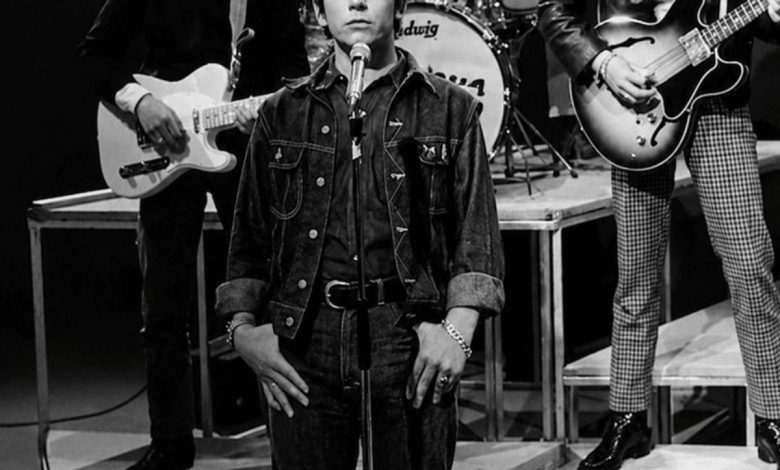
In 1964, The Animals released their unforgettable version of “The House of the Rising Sun,” transforming a traditional folk tune into a dark, electrifying rock anthem. The track soared to No. 1 in both the UK and US, marking a defining moment in the British Invasion.
With Eric Burdon delivering raw, gripping vocals and Hilton Valentine crafting the iconic arpeggiated riff, the song stood apart from the upbeat pop dominating the era. Its brooding tone and tragic storytelling gave rock music a deeper emotional edge.
“It wasn’t just a song—it was a mood, a story, and a revolution in sound.”
The Historical Roots of ‘The House of the Rising Sun’
Originally rooted in 18th-century folk tradition, ‘The House of the Rising Sun’ has a rich history, having been performed by notable artists such as Woody Guthrie and Lead Belly. These early renditions laid the groundwork for what would become a transformative piece in the music landscape.
The Animals’ Revolutionary Interpretation
However, it was The Animals’ one-take recording that reimagined the song entirely—blending haunting organ lines, powerful vocals, and electric intensity. This innovative approach not only revitalized the classic but also set a new standard for future interpretations.
The Impact on Folk Rock
The success of The Animals’ version played a crucial role in sparking the rise of folk rock, influencing legendary artists like Bob Dylan to embrace electrified sounds in their own music. This shift marked a significant evolution in the genre, merging traditional storytelling with contemporary musical elements.
“This wasn’t protest music shouting—it was sorrow echoing through every note.”
A Lasting Cultural Landmark
Decades later, ‘The House of the Rising Sun’ remains a cultural landmark, proving that storytelling, when paired with deep emotion and innovative sound, can transcend generations. Its legacy continues to inspire artists and resonate with audiences around the world.
1 minute read
Continue reading
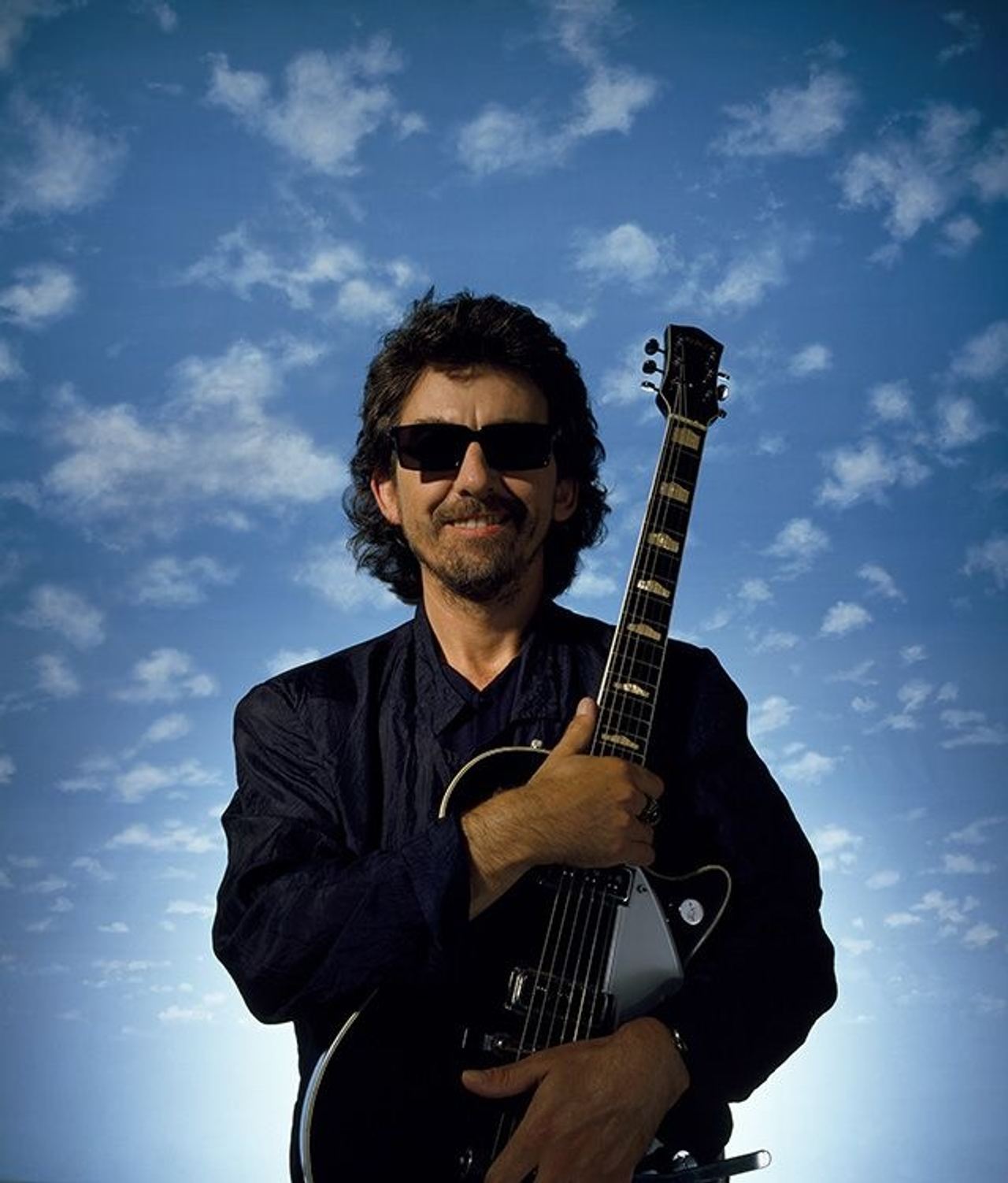
How George Harrison Wrote the Beatles Love Song That Finally Put Him on the A-Side
“Something”: How George Harrison Wrote the Beatles Love Song That Finally Put Him on the A-Side
Written by George Harrison and released on Abbey Road in 1969, “Something” became his first Beatles composition issued as an A-side—and the only Harrison-written Beatles song to top the U.S. chart.
The Beatles perform “Something,” with George Harrison singing lead and playing guitar. George Martin produced the recording.
Watch on YouTube
2024: Two Country Voices Collided and Created the Biggest Hit of Their Careers — A Raw Duet That Dominated the Charts and Defined the Year
In 2024, two country voices collided and created the biggest hit of their careers.
What started as a collaboration between Post Malone and Morgan Wallen turned into a chart-topping, award-nominated phenomenon. Two distinct voices. One undeniable chemistry. The result shot to No. 1 on Country Airplay and became the song everyone was talking about.
They didn’t set out to make the biggest song of the year. It just happened. Raw tension, real feeling, and no overproduction — just two voices locking into something authentic. Radio couldn’t ignore it. Neither could the awards.
A track full of honesty.
A moment that belonged to both of them.
The Church-Basement Recording Its Writer Watched Become a Hit From Thousands of Miles Away
New Haven, Connecticut, February 19, 1956. Fred Parris was home on leave from the U.S. Army when he gathered a small group of singers and musicians in the basement of St. Bernadette’s Catholic Church.
It was hardly the setting anyone would choose for making music history.
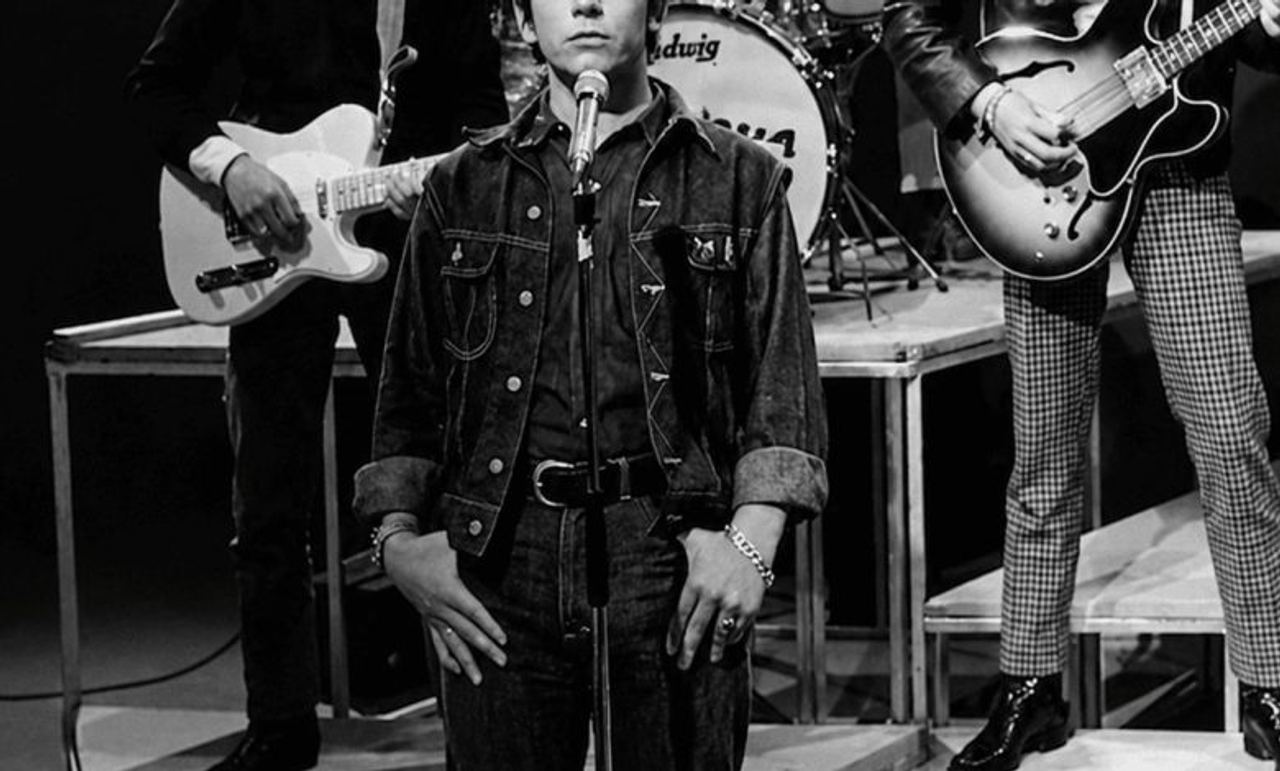
The Five Satins did not even have all five members present. Only four singers were available: Parris, Al Denby, Eddie Martin and Jim Freeman. Producer Marty Kugell worked with a simple two-track recording setup, while local musicians provided piano, bass, drums and saxophone.
But Parris had brought home something special.
He had written In the Still of the Nite while serving in the Army. Parris later remembered being inspired by a young woman he had met around Savin Rock in Connecticut. During the long journey back toward his military base, the melody and words began forming in his mind.
YOUTUBE 1 — ORIGINAL 1956 RECORDING
When Parris reached camp, he went to a piano and worked out what he had been hearing in his head.
Then, during his leave in February 1956, he finally had the chance to record it.
The church basement turned out to be almost perfect. Its walls helped keep outside noise away, while the room gave the voices a natural warmth. The arrangement was simple, leaving Parris’ tender lead vocal surrounded by the soft harmonies that would become one of doo-wop’s most recognizable sounds.
There was no enormous record company waiting.
No expensive studio.
Just a young serviceman, a handful of musicians and a basement beneath a church.
YOUTUBE 2 — 1956 REMASTERED PERFORMANCE
Soon afterward, military duty pulled Parris away again.
By the time the record began climbing the American charts, the man who had written and sung it was thousands of miles from home, stationed in Japan.
He later recalled discovering that the recording was becoming successful while serving overseas.
The irony was extraordinary.
A love song created out of longing and distance was becoming famous while its writer was separated from the group, his home and the audience embracing it.
In 1956, In the Still of the Nite reached No. 3 on the R&B chart and No. 24 on the national pop chart.
Those numbers, however, barely explain what happened afterward.
YOUTUBE 3 — 1956 STEREO REMASTER
The recording kept returning to radio, record collections and new generations of listeners. Its reputation eventually grew far beyond its original chart performance, until it became one of the songs most closely identified with the entire doo-wop era.
More than seventy years later, the church-basement recording still sounds intimate.
That may be why it survived.
There is no sense of spectacle—only a young voice remembering someone he wanted to hold again.
In 1956, Fred Parris recorded that longing while briefly home from the Army.
Then he left.
The song stayed behind.
And while he was thousands of miles away, it began becoming immortal.
Share
X
Telegram
Other posts
Aug 04, 2026
The Six-Minute Arrangement That Had to Be Torn Apart Before It Became a Swing Anthem
Jun 28, 2026
The Last-Minute Miracle Behind Dolly Parton and Kenny Rogers Islands in the Stream
Jun 12, 2026
This Song Still Brings Entire Crowds Together More Than 50 Years Later
Jun 15, 2026
This 1963 Classic Was Inspired by One of Country Music’s Greatest Love Stories
Jun 08, 2026
Released in 1980, This Heartbreaking Country Song Became More Than a Song—For Millions, It…
Jul 26, 2026
Stevie Nicks’ “Edge of Seventeen” Soars as a Symbol of Loss, Power, and Rock Identity in 1…
Jun 14, 2026
Released in 1966, it told the story of a traveler watching planes leave without him. Decad…
Jul 14, 2026
One of the Greatest Love Songs Ever Written Was Inspired by a Forbidden Romance
Read more stories
- Dolly Parton’s Last Instagram Post, Published 10 Days Before Her Death, Takes on a Heartbreaking New Meaning
- Linda Ronstadt’s ‘You’re No Good’ Reshapes Pop-Rock Radio and Secures Her Crown as the Queen of the ‘70s Sound in 1975 – StoryPulse
- Dolly Parton Once Revealed the Life-Changing Discovery That Came After Her Surgery — and Why She Never Regretted It
- The Boy Who Silenced the Arena: Why One Child’s Talent-Show Audition Struck Such a Nerve