The Breakup Song That Refused to Turn Either Person Into the Villain

Some endings leave you rehearsing an argument for years. You remember what you should have said, what the other person refused to hear, and the exact moment a conversation became a goodbye.
Dave Mason’s “We Just Disagree” offers a different ending.
Nobody has to win it.
Released on his 1977 album Let It Flow, the recording carries a surprisingly difficult idea inside an easygoing melody: two people can lose their connection without either one becoming the villain.
And the man whose voice made that idea so familiar was not the man who wrote it.
The songwriting credit belongs to Jim Krueger. Mason, himself an established songwriter, became the interpreter. It is a distinction worth remembering, because a convincing vocal can make a listener assume every word came straight from the singer’s life.
Here, conviction comes from the performance, not a claim of autobiography.
The acoustic sound feels open and unhurried. Mason does not crowd the melody with anguish. He lets the phrases settle, as if the argument has already exhausted everyone involved and there is nothing left to gain by raising his voice.
That restraint changes the song.
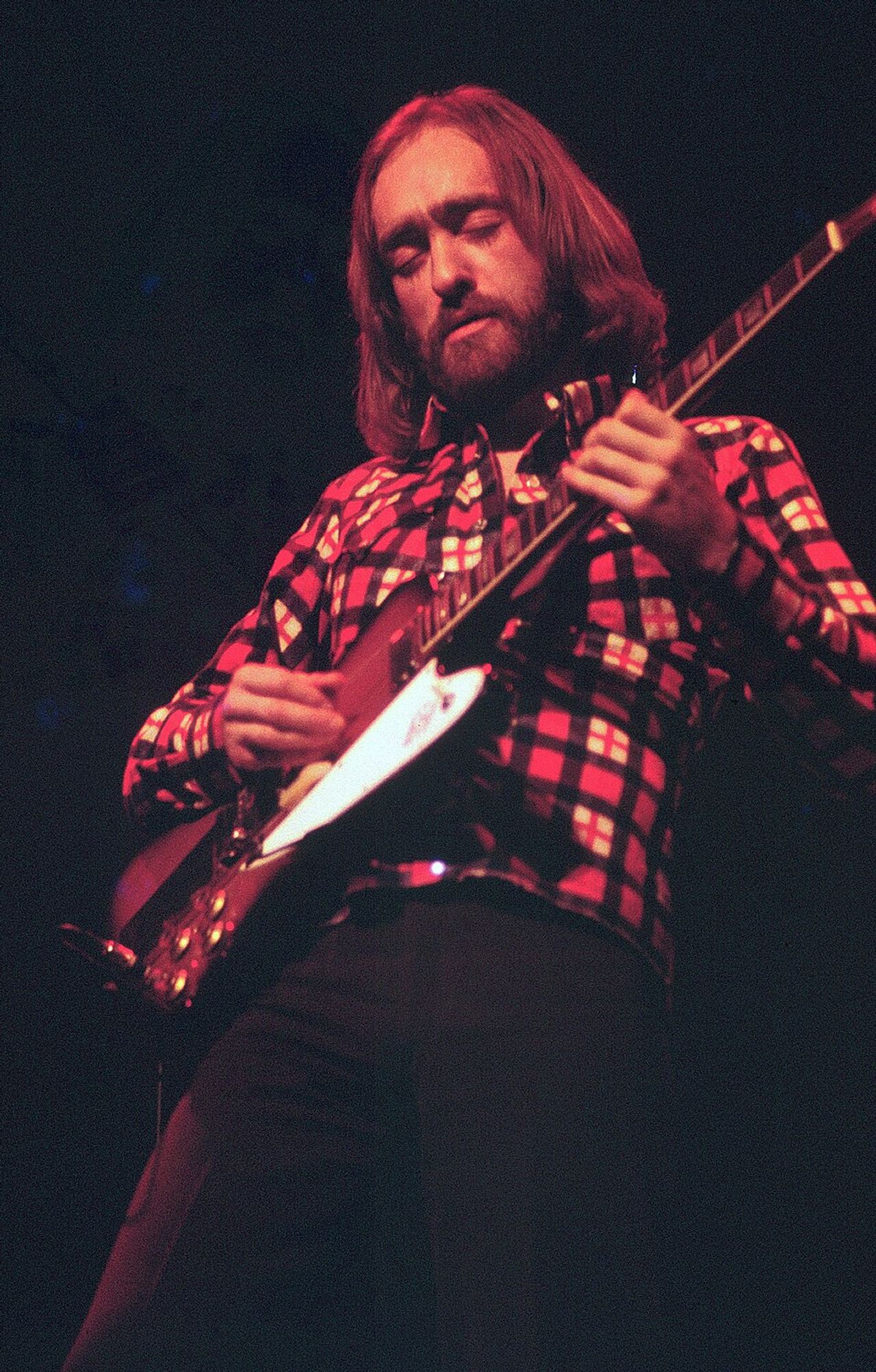
A louder reading might have turned it into an accusation. A sweeter one might have suggested that reconciliation was just around the corner. Mason leaves room for something less comfortable: affection and separation existing at the same time.
The narrator recognizes distance. Shared history has not disappeared, but it no longer guarantees that two people understand each other. The song does not solve that contradiction. It gives it a melody you can live with.
Listeners can hear a broken romance in it. Others may recognize an old friendship, a family disagreement, or someone they stopped calling because every conversation became an exercise in defending themselves. Those are possible readings, not a documented account of whom Krueger meant.
What connects them is the refusal to turn disappointment into a trial.
That does not make the farewell painless. In some ways, it makes it harder. Anger gives you something to do. You can argue, blame, or imagine the perfect reply. Acceptance asks you to put all of that down while the loss is still there.
Mason’s vocal makes that quiet moment feel substantial enough to carry a whole record.
His official career materials still identify “We Just Disagree” as one of his major hits. But its emotional appeal is easier to understand in a smaller setting: a familiar tune returning on the radio just as you remember somebody you no longer speak to.
Listen again to how little the performance insists on itself. The guitars provide movement. The voice keeps its composure. The sadness arrives without being announced.
The song ends without giving either person the last word in an argument.
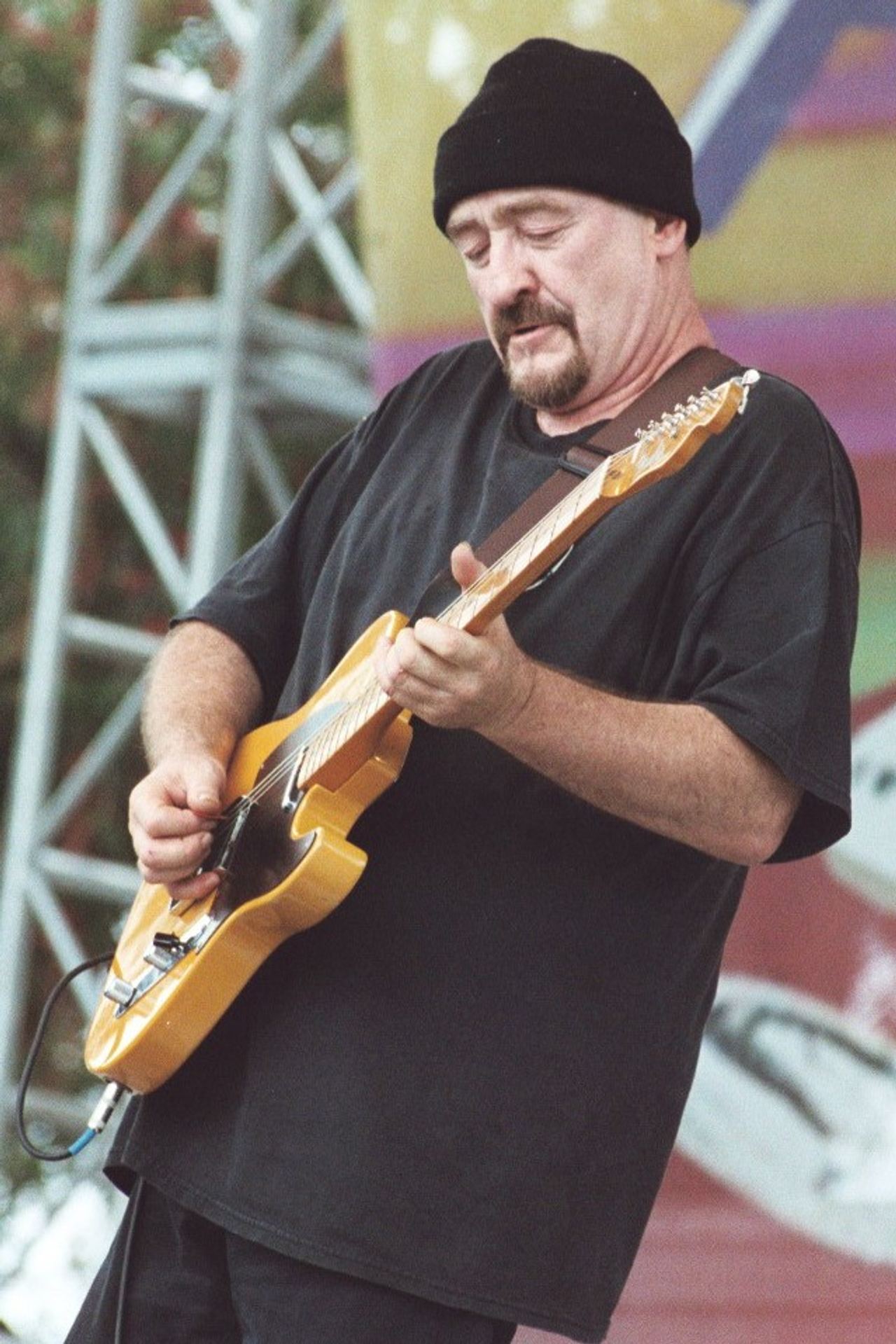
Perhaps that is its most generous gesture: allowing something to be over without demanding that everything it once meant be destroyed.
Listen to the recording
[EMBED:
Continue reading
The Heartbreak Song That Had to Wait Years to Become a Hit
John Oates had plans for New Year’s Eve. The woman he was waiting for never arrived.
What he picked up instead was a guitar.
That small, disappointing evening would help begin a song with a much bigger life. But the finished recording had a wait of its own ahead of it: Hall & Oates released it before they had the audience that would eventually embrace it.
The song was “She’s Gone.”
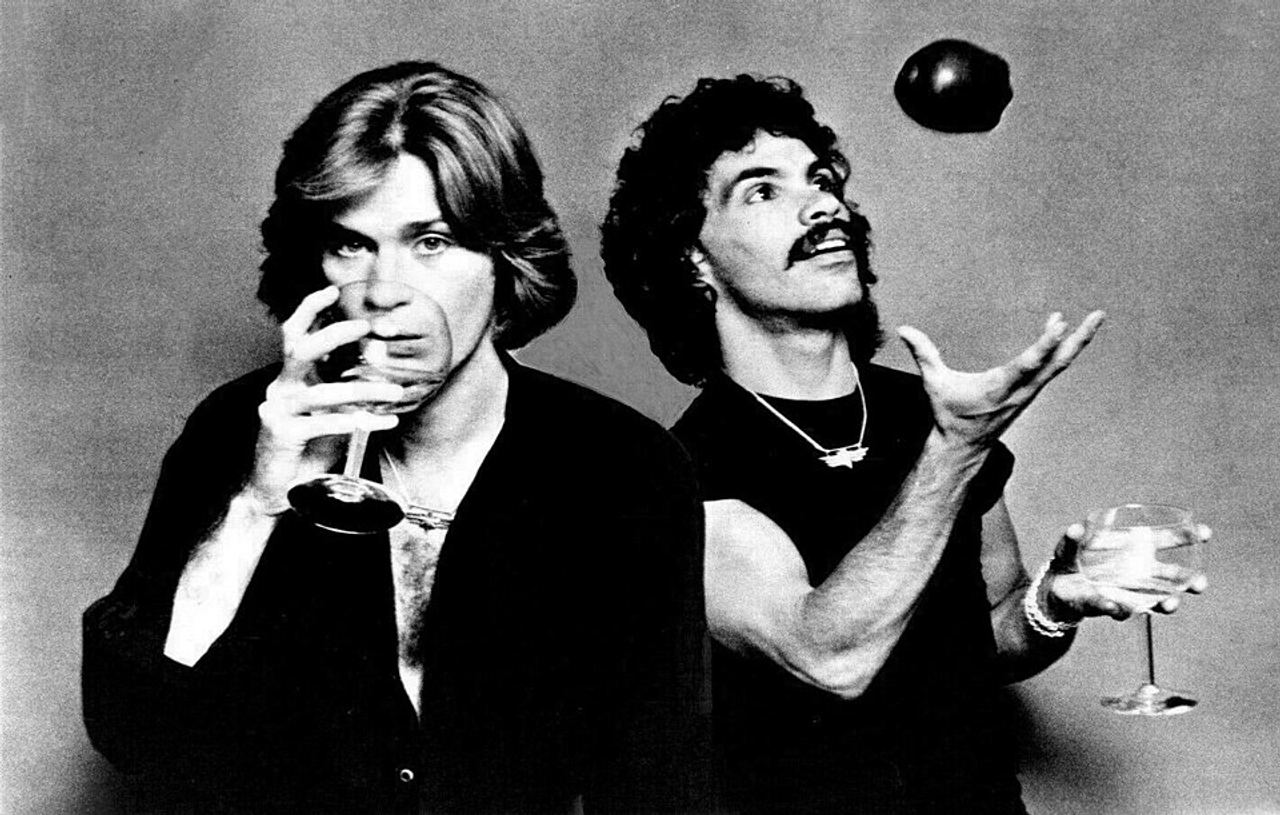
Daryl Hall and John Oates in a 1976 RCA publicity photograph for Bigger Than Both of Us, the year their earlier recording became a US Top 10 hit. This is not a photograph of the 1973 recording session. Via Wikimedia Commons; listed as public domain in the United States.
Oates later recalled the missed date in interviews, describing the first idea as a simple, folk-like lament. Daryl Hall then joined the writing, adding the piano figure and helping develop the unfinished idea into a song. Their collaboration turned a private disappointment into something neither man had to carry alone.
There was more than one emotional history feeding the music. In a 2011 interview, Oates remembered that both musicians had been dealing with separations. The song was not a literal report of a single evening. It grew into a wider picture of loneliness.
That distinction helps explain its reach.
The person who inspired the first idea is not somebody the listener needs to know. The feeling is familiar enough: an expected presence becomes an absence, and suddenly ordinary surroundings seem to have changed their meaning.
Hall & Oates put the song on their 1973 album Abandoned Luncheonette. Producer Arif Mardin and the studio players gave it a scale far beyond the guitar idea Oates had started with. The arrangement is rich, but it never loses its connection to the uneasy human voice at the center.
Listen to how patiently it develops. The opening doesn’t demand that you feel everything immediately. There is movement, there is space, and then the voices begin to push against the restraint. When the emotion rises, it feels like something the song has been holding back rather than something added for effect.
Yet a persuasive record is not automatically an immediate hit.
Its first American chart run peaked at No. 60 on the Billboard Hot 100. That wasn’t no audience at all, but it was a long way from the recognition the recording would later receive.
The story might have ended there. Instead, the composition found another route forward.
Tavares recorded it and reached No. 1 on the R&B chart in 1974. Another group’s voices helped demonstrate how naturally the song could speak through soul music. Hall & Oates’ own breakthrough with “Sara Smile” followed in 1976, and Atlantic brought their earlier recording back into circulation.
This time, “She’s Gone” reached No. 7 on the Hot 100.
The important change wasn’t that a failed song had finally been rewritten into a good one. An existing recording was meeting listeners under different circumstances, with the duo now far more visible.
There is a poignant contrast between that history and the music. The record received another opportunity. The person inside the song cannot be so sure that what has been lost will return.
Perhaps that is why the success story doesn’t make the performance any less sad. Knowing it became a hit doesn’t resolve the feeling you hear when the voices rise.
Return to the full recording and let it take its time. The familiar refrain is only part of its power. The gradual build lets you hear how a quiet disappointment can become something much harder to contain.
One evening, Oates waited for someone who did not come.
Years later, the music that began in that absence finally found more of the people who needed to hear it.
Listen to the recording
[EMBED:
Read more stories
- Prince George Makes His Eton Debut Alongside William and Catherine, and Netizens Can’t Stop Talking About One Detail — Photos
- Crockpot Chicken and Dumplings
- Lori Loughlin Files for Divorce from Mossimo Giannulli After 28 Years — and Her Specific Request Raises Eyebrows
- Inside Lori Loughlin and Mossimo Giannulli’s Hidden Hills Mansion They Shared Through Their Hardest Years — and Later Left Behind — Photos