The Childhood Rhyme That Turned a 21-Year-Old Singer Into a Star
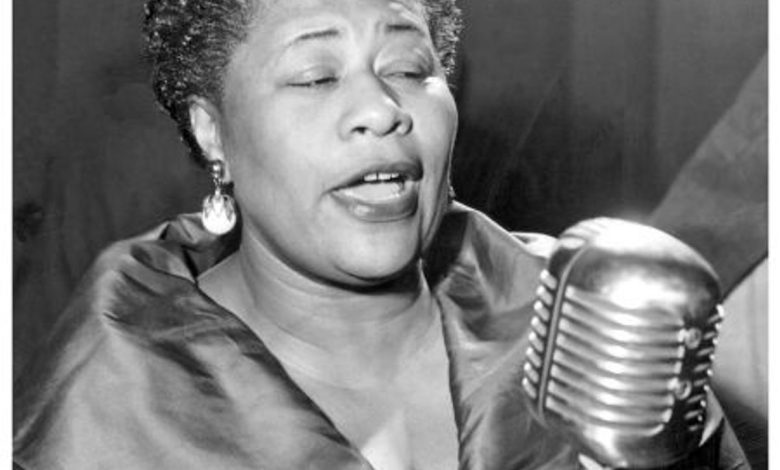
Boston, 1938. Ella Fitzgerald was only twenty-one when a simple childhood rhyme suddenly offered her the breakthrough that years of performing had not yet delivered.
Her road there had been anything but easy. After losing her mother as a teenager, Fitzgerald passed through a painful period of instability. By 1934, she was standing nervously on the Apollo Theater stage, originally planning to dance before changing her mind at the last moment and singing instead. She won the amateur contest, caught the attention of musicians around Harlem, and eventually joined drummer Chick Webb’s orchestra.
By 1938, she was an established member of Webb’s band—but she was not yet a national star.
Then Webb became ill.
To cheer him up, Fitzgerald began working with young arranger Van Alexander on a musical version of a nursery rhyme she had known since childhood.
The idea was almost disarmingly simple. Instead of searching for a sophisticated new composition, Fitzgerald and Alexander transformed familiar children’s words into a playful swing number built around Ella’s youthful voice and personality.
While the orchestra was appearing at the Flamingo Room in Boston, the band performed the new number during a coast-to-coast radio broadcast. Something clicked immediately. Word reached Robbins Music in New York, and on May 2, 1938, Fitzgerald and Chick Webb’s Orchestra recorded A-Tisket, A-Tasket for Decca Records.
What had begun as a lighthearted attempt to lift Webb’s spirits was suddenly moving far beyond the nightclub.
The record became a sensation.
It reached No. 1 on the Hit Parade and sold more than a million copies. Almost overnight, the shy young singer who had once stepped uncertainly onto an amateur stage became one of the recognizable voices of the Swing Era.
That success also changed the balance inside the orchestra. Fitzgerald was no longer simply the young vocalist Chick Webb had taken a chance on. Her name now drew audiences of its own.
When Webb died the following year, Fitzgerald took over leadership of the band—an extraordinary responsibility for a young Black woman in the American music business of the late 1930s.
Looking back, the contrast is remarkable.
The recording that launched one of the most celebrated singing careers of the twentieth century did not begin with a grand artistic statement. It began with a sick bandleader, a young arranger and a twenty-one-year-old singer remembering a rhyme children had repeated for generations.
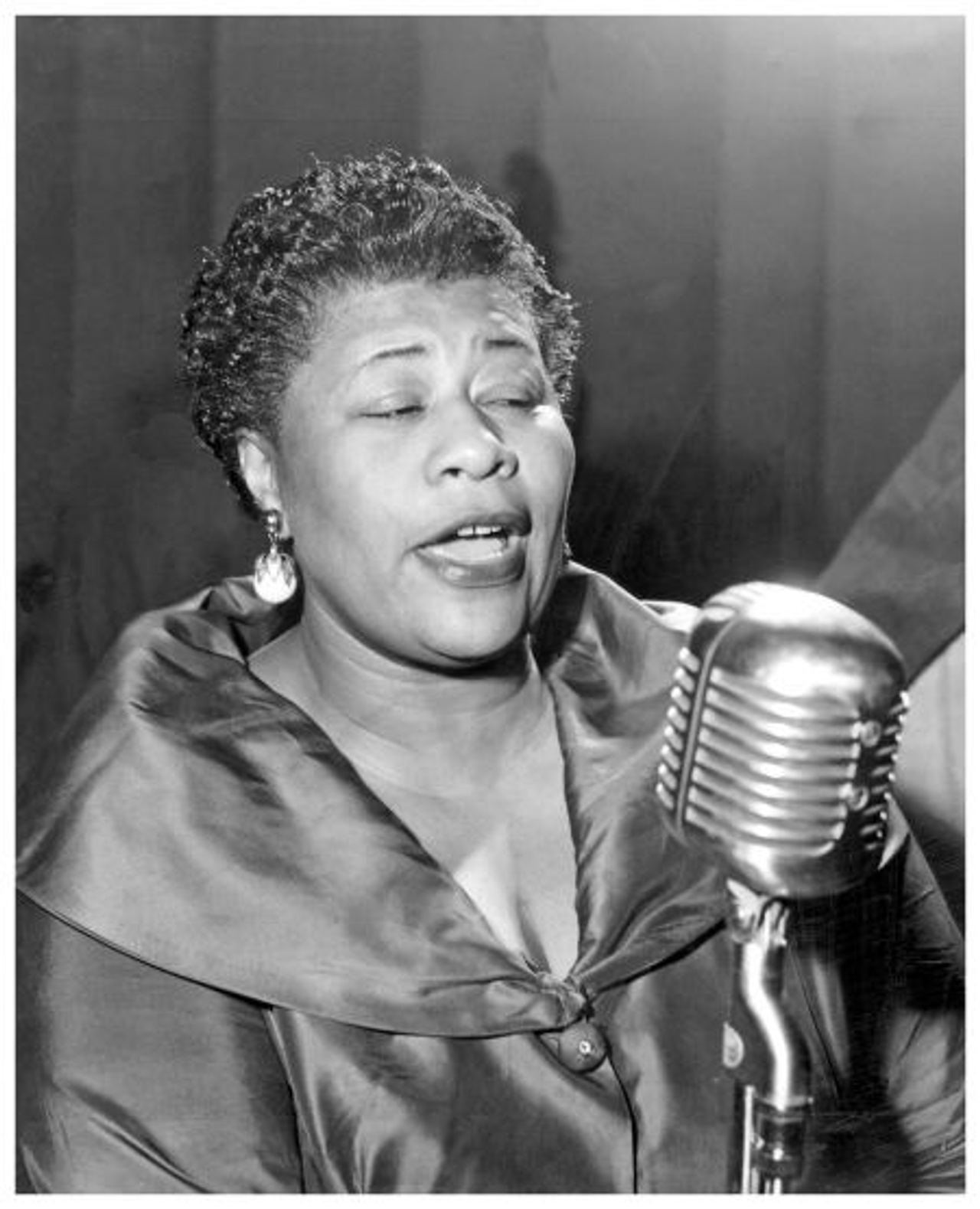
In 1938, Ella Fitzgerald took something almost everyone already knew and made it unmistakably hers.
A childhood game became a radio sensation.
And a young singer became a star.
Continue reading
John Anderson’s “Swingin’” Breaks the Mold and Puts Country Swagger Back on the Map in 1983
In 1983, John Anderson’s “Swingin’” burst onto the country music scene with an infectious groove that challenged the norm and redefined what mainstream country could sound like.
The song quickly shot to No. 1 on the Billboard Hot Country Singles chart and became one of the most memorable country hits of the decade.
With its catchy melody, lighthearted storytelling, and bold instrumentation, “Swingin’” not only gave Anderson the biggest hit of his career but also signaled a fresh direction for country music during a time when the genre was becoming increasingly polished and pop-oriented.
John Anderson was no stranger to the country charts by the early ’80s, but “Swingin’” launched him into a different stratosphere.
Born in Apopka, Florida, Anderson had a distinctive voice—nasally, rich in twang, and full of character—that stood out in an era dominated by slick production and smooth crooners.
Drawing inspiration from Merle Haggard and George Jones, Anderson brought a working-class authenticity to every track he recorded.
That raw, unfiltered style helped carve a unique space for him in the country landscape, where he was often seen as a torchbearer of the genre’s traditional spirit.
The inspiration behind “Swingin’” came from a collaboration between Anderson and songwriter Lionel Delmore, the son of Grand Ole Opry star Alton Delmore.
The song’s narrative about a playful, flirtatious afternoon with a girl named Charlotte Johnson is deceptively simple, but its charm lies in its unabashed sense of fun and personality.
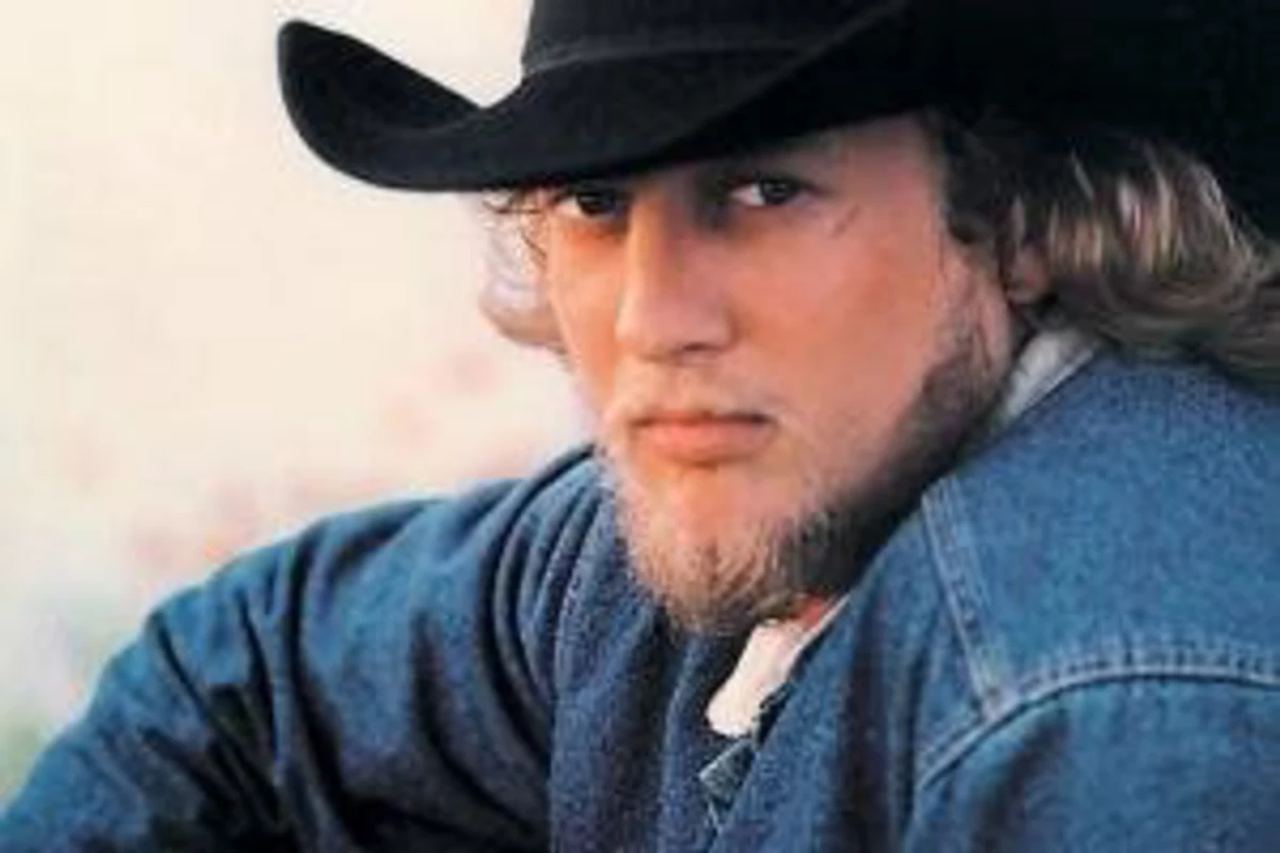
Reportedly written in a single day, “Swingin’” captured the kind of spontaneous energy that can’t be manufactured.
It wasn’t chasing trends—it was just being itself, and that authenticity became its secret weapon.
Produced by Frank Jones and co-produced by Anderson himself, “Swingin’” stood out immediately with its bouncy rhythm, prominent bassline, and laid-back electric guitar riffs.
The instrumentation felt more like a front-porch jam than a studio track, giving it an immediacy that resonated with listeners.
Anderson’s vocal delivery—half-spoken, half-sung—added to the playful tone, breaking the formality of traditional country phrasing and creating a conversational style that would later be echoed by artists like Brad Paisley and Blake Shelton.
Upon its release, “Swingin’” became an instant hit.
It topped the country charts and stayed there for a full week, eventually becoming the most-played country song of 1983.
It also earned Anderson a slew of accolades, including the CMA Award for Single of the Year.
The song’s widespread popularity brought Anderson to national television and into the homes of fans who had previously never paid much attention to country music.
The crossover appeal was subtle but undeniable—“Swingin’” had the charisma to pull in pop and rock listeners without ever compromising its country core.
“Swingin’” marked a turning point for country music in the early ’80s.
At a time when the genre risked becoming overly polished and popified, Anderson’s hit brought back a sense of humor, grit, and rural swagger.
It reminded listeners—and record executives—that country music could be fun and commercially successful without abandoning its roots.
The song’s popularity helped open the door for the neotraditionalist movement that would follow later in the decade, led by artists like Randy Travis and Dwight Yoakam.
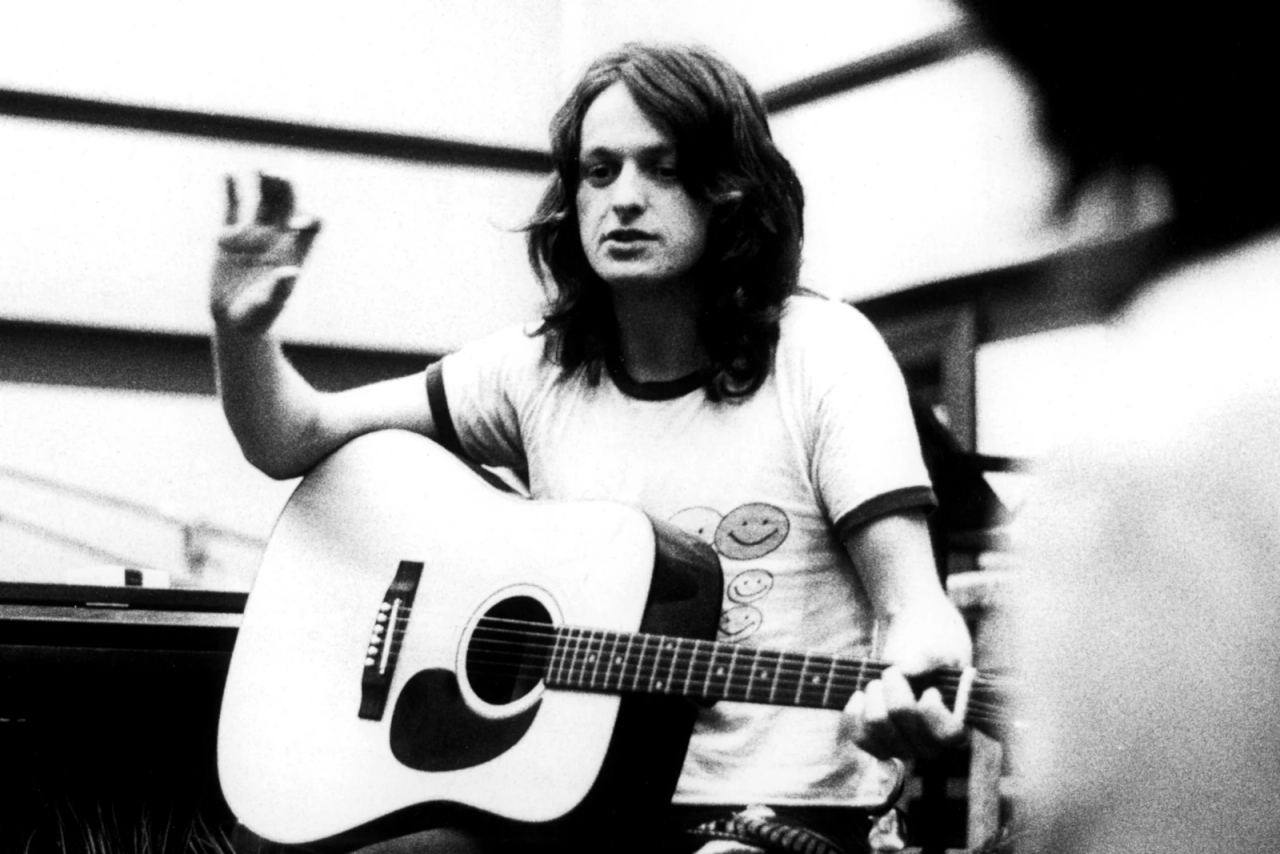
For Anderson himself, the song was a game-changer.
Before “Swingin’,” he had a handful of hits, but none that defined him.
Afterward, he was a household name.
The success of the single earned him a loyal fan base and solidified his reputation as a major force in country music.
It allowed him to headline bigger venues, expand his touring circuit, and secure a lasting recording career that continues to influence the genre today.
The influence of “Swingin’” can be felt in how it inspired artists to embrace more personality-driven performances.
The song’s relaxed, conversational tone paved the way for modern country hits that prioritize storytelling and character over vocal precision alone.
Anderson proved that you didn’t need a powerhouse voice or a slick image to captivate audiences—you just needed sincerity and a good story.
Over the years, “Swingin’” has been covered by a variety of artists, including LeAnn Rimes, who gave the song a pop-country twist in the early 2000s.
Her version introduced the classic to a new generation and demonstrated its versatility.
Though the original remains the definitive recording, its adaptability across decades and styles speaks to the strength of the songwriting and the timelessness of its spirit.
In the broader context of John Anderson’s life and career, “Swingin’” came at a time of momentum.
He had recently released a string of successful singles and was finally hitting his stride.
The song’s runaway success brought with it not just fame but also the pressure to follow it up—a challenge that Anderson met with further chart-toppers like “Black Sheep” and “Wild and Blue.”
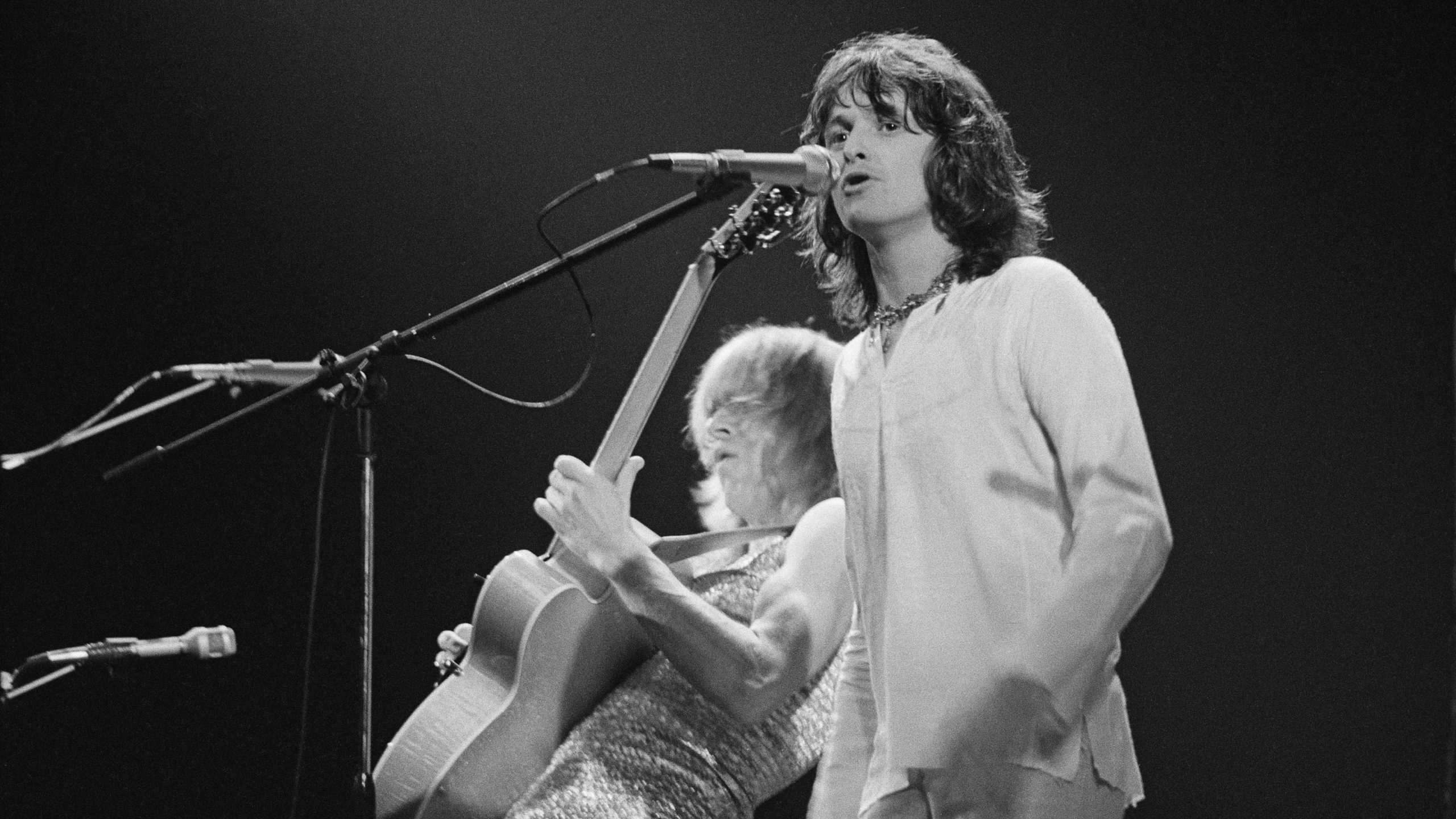
Yet none would capture lightning in a bottle quite like “Swingin’.”
Today, “Swingin’” still enjoys regular rotation on classic country radio and is often cited in lists of the greatest country singles of all time.
Its playful tone, instantly recognizable guitar riff, and Anderson’s signature vocal twang continue to resonate with both longtime fans and newcomers.
It’s a track that makes people smile, sing along, and remember why they fell in love with country music in the first place.
The song’s legacy also lies in its boldness.
“Swingin’” didn’t sound like anything else on the radio in 1983, and yet it became the most-requested and most-played song of the year.
It didn’t need a dramatic ballad or polished production—it just needed a good groove and an honest voice.
In doing so, it reasserted that country music could be joyful without being shallow.
Anderson himself would continue to enjoy a long, storied career, even collaborating with newer artists like Blake Shelton and Luke Combs decades later.
He’s received numerous honors, including an induction into the Nashville Songwriters Hall of Fame.
Yet for many, “Swingin’” remains the signature moment—the song that captured his spirit and country music’s playful resilience in one unforgettable track.
In retrospect, “Swingin’” endures not just as a nostalgic favorite but as a pivotal moment in the evolution of country music.
It’s a reminder that great songs often come from unexpected places—and that the ones that last are usually the ones that feel the most like real life.
With a grin in its rhythm and heart in every note, “Swingin’” still dances through the speakers, nearly 40 years later, as proudly as ever.
Read more stories
- My Daughter-in-Law Never Showed Her Hands or Back – During a Beach Trip, I Found Out Why
- My 9-Year-Old Saw His Teacher Crying Alone in Her Car — What He Told Me When He Got Home Left Me Speechless
- Prince George’s Solemn Look at Crathie Kirk Service Sparks Reactions as Royal Family Gathers Near Balmoral — Photos
- Did Susan Boyle’s Grandson Stun Simon Cowell on Stage? Inside the Viral Talent-Show Bait Behind the Claim