The man who wanted revenge and the child who changed his mind
Atlanta, Georgia, in November 2000, began with an ordinary return home and ended in a horror that would echo far beyond one house. Patricia Nuckles, 43, came in from work and walked into a danger she could not see: a man hiding in her closet, waiting for the chance to disappear once she was asleep. When she opened the door and found him, the moment turned instantly into fear, then restraint, then violence. Her hands were tied. Her life was taken. Yet in the middle of that nightmare, Patricia did something that would later leave an imprint on everyone who heard her story: she did not scream or plead. She talked to him, telling him he needed help, that his drug habit was going to kill him. He listened long enough to answer her, even offering advice about how to better secure her home from burglars like him, before the encounter turned deadly.
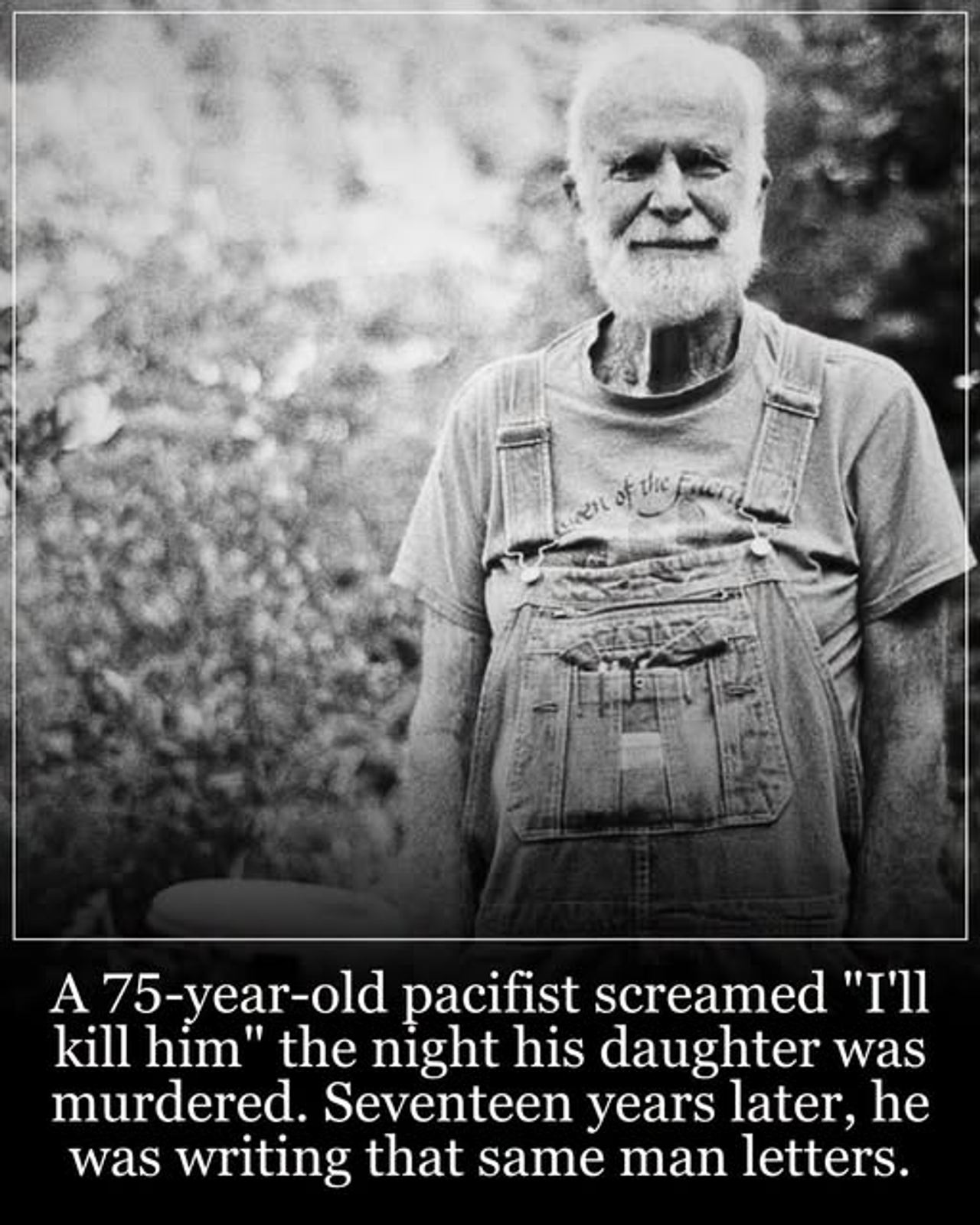
Hundreds of miles away, on an organic berry farm in Tennessee, the phone rang and Patricia’s father, Hector Black, answered. He was 75 years old and had spent a lifetime building his beliefs around nonviolence. He had raised a family and built a farm around those convictions, and before that he had lived through the hard work of the civil rights era, moving his family to Atlanta to stand with the most vulnerable. He had organized a rent strike against slum landlords, been arrested, and then received one of the great honors of his life when Martin Luther King Jr. came to picket outside the jail in support of his release.
That history mattered because Hector was not someone who made peace with violence easily. When he learned what had happened to his daughter, something in him snapped. He shouted into the phone, “I’ll kill the bastard.” He meant it. In that raw first blast of grief, all the principles he had spent decades defending seemed to fall away. The state was preparing to seek the death penalty, and no one would have been surprised if Hector simply stepped aside and let the system exact its revenge.
But grief, in Hector’s case, did not stay simple. He began asking who the man was who had killed Patricia. The answer he found was shattering in a different way. Ivan Simpson had been born inside a mental hospital. He had never had a real chance at an ordinary childhood. As a boy, he lived inside a family story marked by illness and collapse, until one day, when he was about 11, his mother took him and his younger siblings to a swimming pool and told them God had ordered her to end their lives. Ivan and his brother escaped. His little sister did not. He watched his mother drown her.
That knowledge did not erase Patricia’s death, and it did not excuse what Ivan did. But it changed the shape of Hector’s rage. The man who had once believed nonviolence was a way of life now found himself facing a question that was harder than revenge: what does justice look like when the person who caused unbearable harm was also once a child inside unbearable pain?
Hector sat with that question for a long time. In the end, the story of Patricia’s death became more than a crime story or a family tragedy. It became a measure of how grief can push a person toward fury, and how compassion can still, sometimes, find a way in. Even after everything, Hector’s journey reminds us that love does not vanish when violence enters a home. Sometimes it simply has to struggle harder to be heard.