The Monkees Turned Suburban Life Into a Hit With “Pleasant Valley Sunday”
A sunny single with a sharper edge
In the summer of 1967, The Monkees released “Pleasant Valley Sunday,” a record that arrived wrapped in all the pleasures of radio pop: chiming guitars, an easy hook, and a title that sounded as comfortable as a weekend drive through a tidy neighborhood. On first listen, it felt light and immediate, the kind of song built to stick after a single spin.
But the song’s real power came from the tension inside it. Its melody was bright, even buoyant, while its lyrics pushed in another direction, toward dissatisfaction, routine, and the uneasy sameness of postwar suburbia. That contrast helped make the record memorable: it could play as a hit single and a social observation at the same time.
The genius of “Pleasant Valley Sunday” is that it smiles while it winces.
Gerry Goffin and Carole King’s suburban inspiration
“Pleasant Valley Sunday” was written by Gerry Goffin and Carole King, one of the most celebrated songwriting partnerships of the era. By the time they wrote it, they were already known for turning everyday emotions into compact, unforgettable pop songs. Here, they aimed that gift at a setting that was becoming central to the American middle-class imagination: the suburbs.
The song was inspired by Pleasant Valley Way in West Orange, New Jersey, after the couple had moved to the suburbs. Goffin, according to the story attached to the song, disliked the conformity and status-conscious atmosphere around him. That frustration became the emotional engine of the lyric, which looked past neat lawns and comfortable houses to the social pressures underneath.
The suburbs as a 1960s symbol
By the late 1960s, suburban life had become both a promise and a punch line. It represented stability, homeownership, and postwar success, but it also invited criticism for uniformity, competition, and a kind of polished emptiness. “Pleasant Valley Sunday” tapped into that contradiction with unusual precision.
Its lyrics evoke a world where appearances matter, where comfort can slide into complacency, and where the rituals of neighborhood life start to feel strangely mechanical. The song did not need a lecture-like tone to make its point. Instead, it let small details and a breezy surface carry a deeper skepticism about what, exactly, all that striving was for.
Why The Monkees were the right messengers
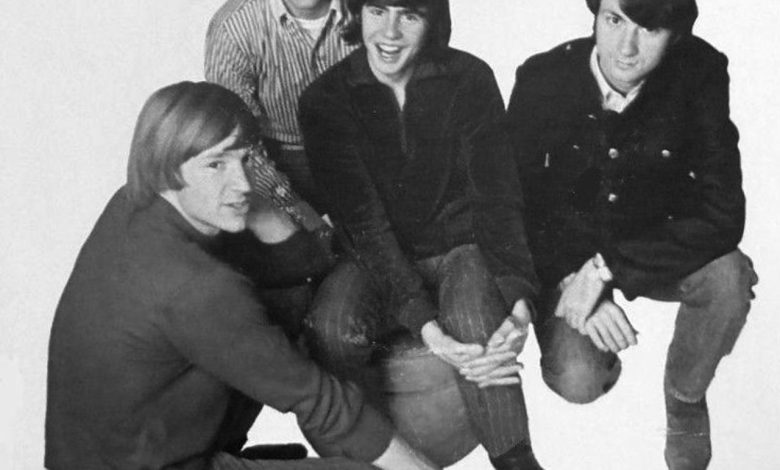
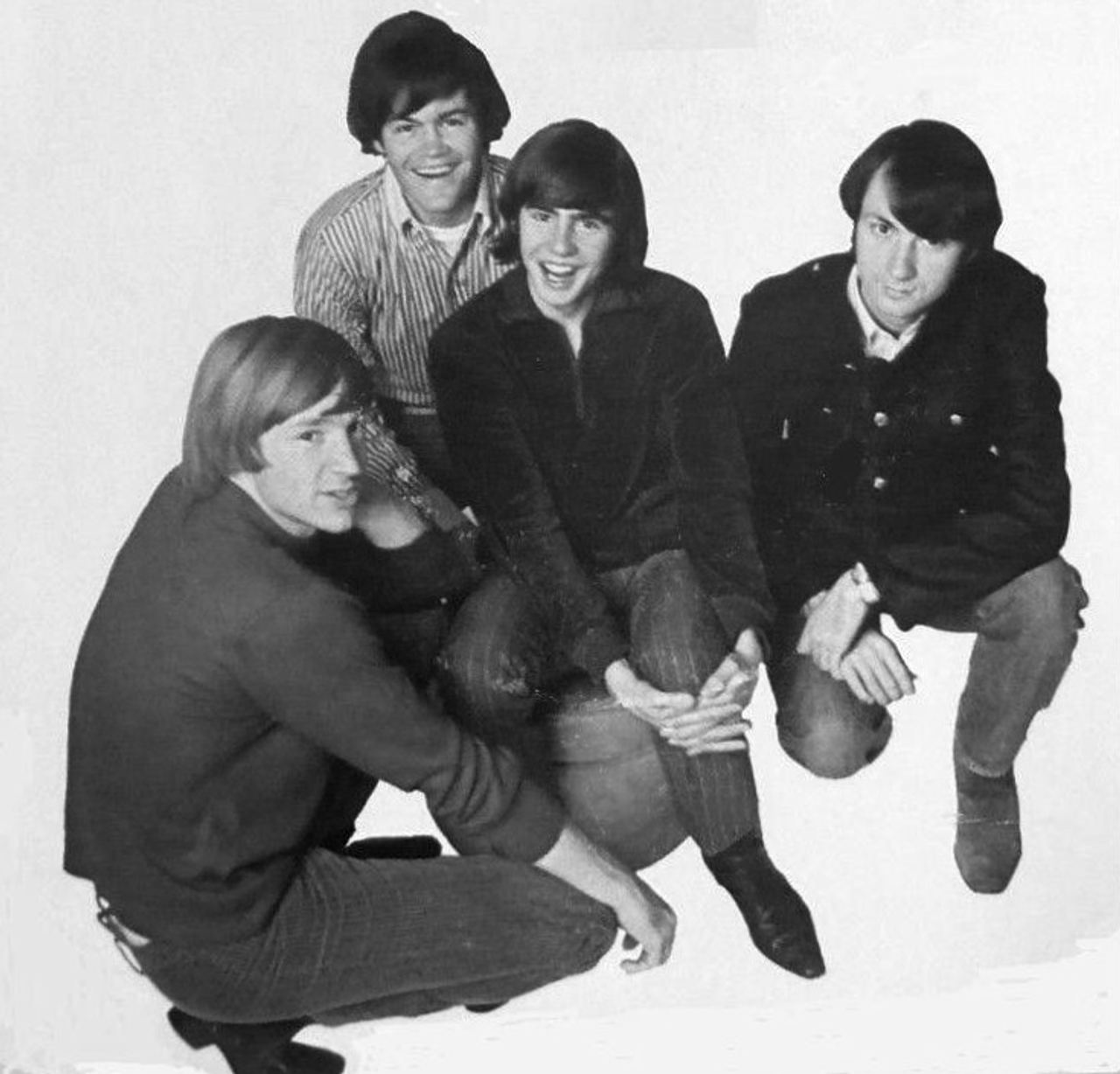
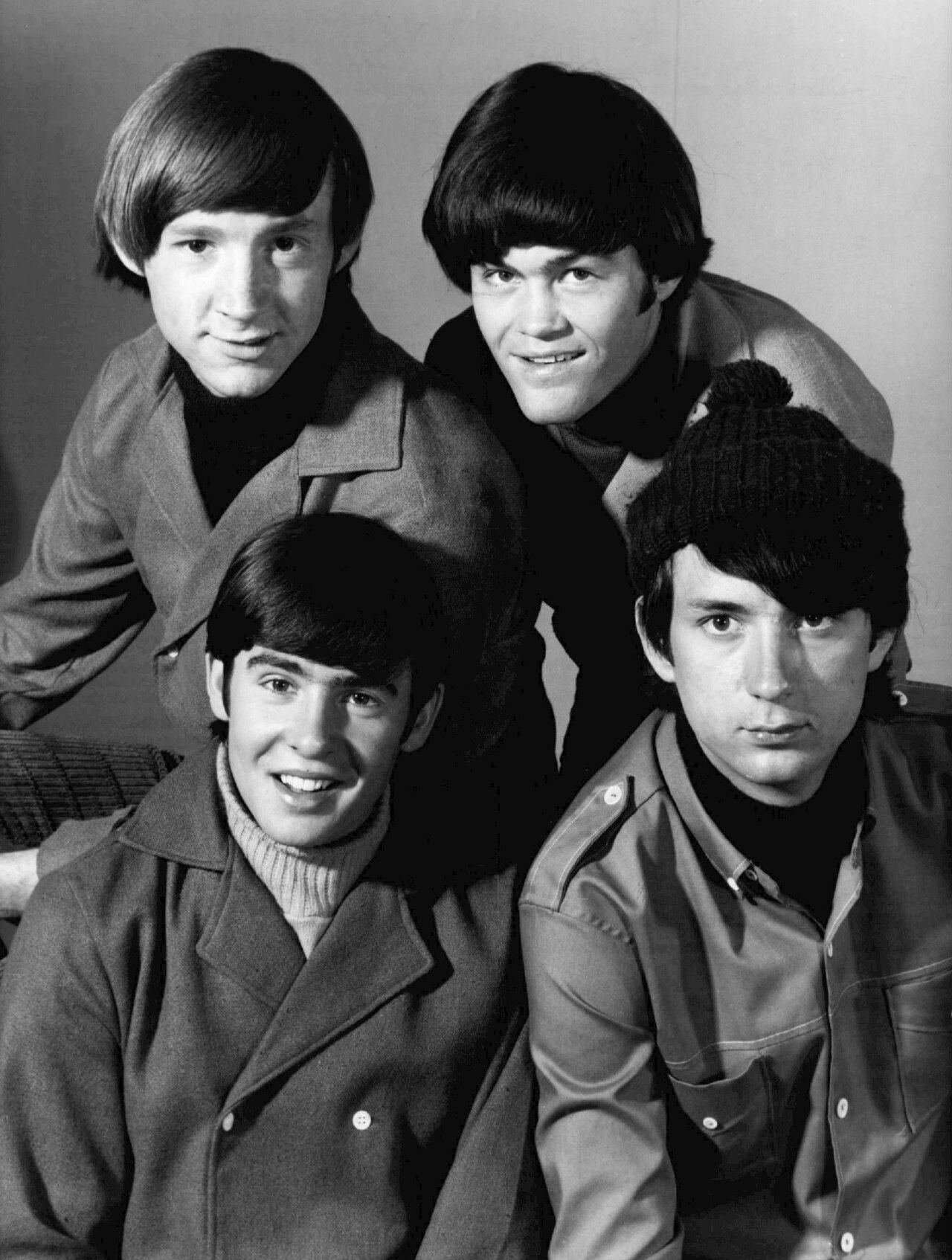
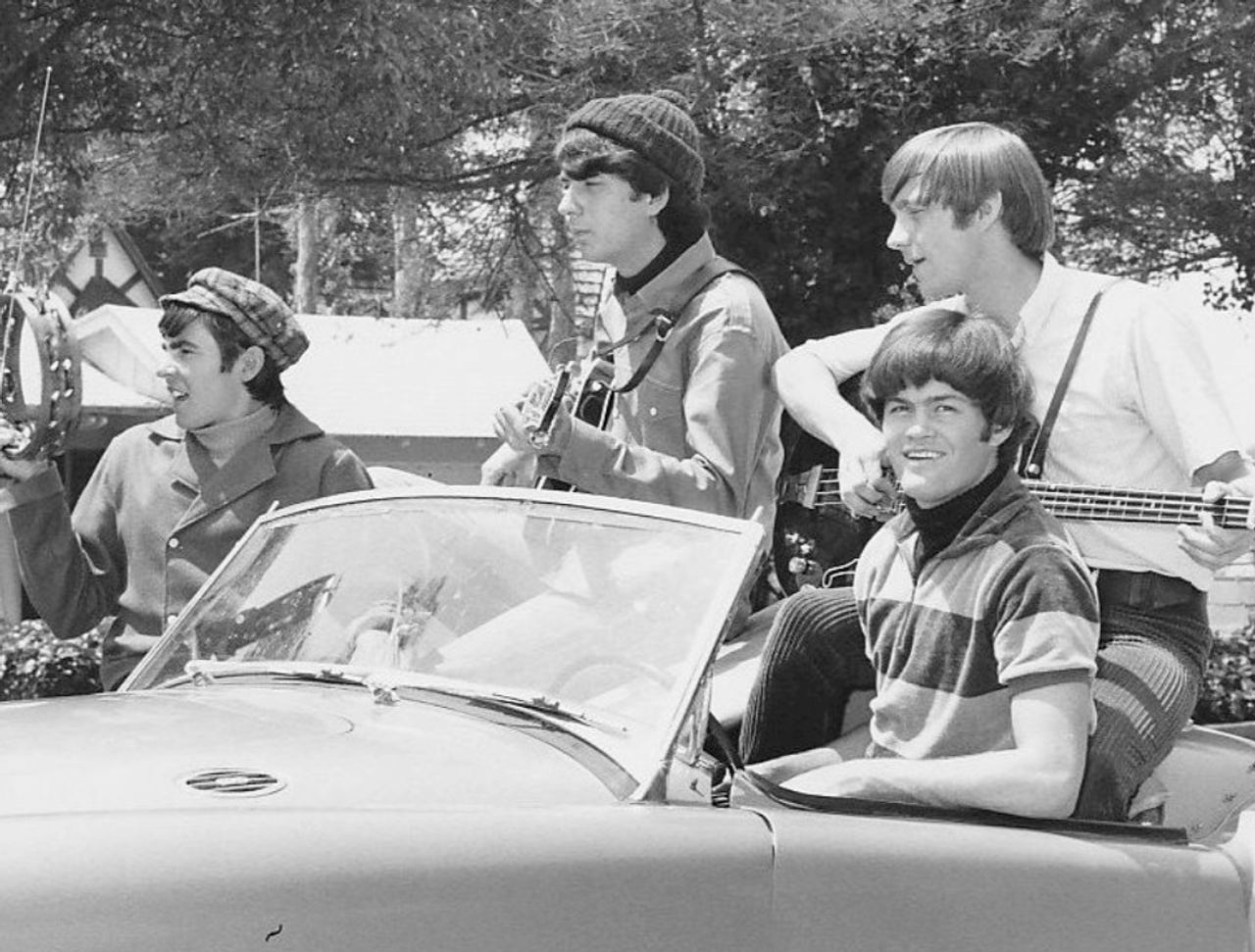
The Monkees were uniquely positioned to deliver a song like this. They were pop stars associated with television, youth culture, and infectious singles, which meant listeners came to them expecting energy and entertainment. That made “Pleasant Valley Sunday” more effective, not less. A critique of suburban American life landed differently when it came through a band identified with mainstream pop appeal.
Their performance leaned into the song’s dual nature. The recording feels animated and immediate, but there is an edge in the vocal delivery and arrangement that keeps the track from becoming merely cheerful. The Monkees helped turn the song into something broader than a novelty about one street in New Jersey; it became a catchy portrait of a national mood.
A pop song that looked past the picket fence
Part of what has kept “Pleasant Valley Sunday” alive is its precision. It is not a vague complaint about modern life. It is a song about a very specific version of American comfort, one where social ambition and everyday boredom sit side by side. The suburban setting gives it texture, but the feeling at its center is widely recognizable: the sense that a life can look successful from the outside while feeling stifling within.
That emotional split gave the song a durability beyond its moment. The images may belong to the 1960s, but the pressures it describes — keeping up appearances, measuring status, mistaking consumption for contentment — remain familiar. The track still sounds like a dispatch from a place many people know, even if they have never set foot on Pleasant Valley Way.
The lasting appeal of “Pleasant Valley Sunday”
“Pleasant Valley Sunday” endures because it does what the best pop music often does: it condenses a cultural argument into three compelling minutes. It is catchy enough to enjoy casually and smart enough to revisit for what it says about its era. That balance is not easy to achieve, and it explains why the song still stands out in The Monkees’ catalog.
More than a period piece, it remains a sly document of American aspiration and anxiety. In turning suburban life into a hit, The Monkees — with Goffin and King behind the song — captured a mood that was bigger than one band, one neighborhood, or one summer. They made criticism singable.
Quick Facts
- Song: “Pleasant Valley Sunday”
- Artist: The Monkees
- Writers: Gerry Goffin and Carole King
- Released: Summer 1967
- Inspiration: Pleasant Valley Way in West Orange, New Jersey
- Theme: A sharp look at conformity and status-conscious suburban life
Image credits: Colgems Records / Wikimedia Commons / Public domain; NBC Television. The photo was also used to answer fan mail during the height of their popularity. The card had no copyright marks either. / Wikimedia Commons / Public domain; NBC Television / Wikimedia Commons / Public domain.