The Night Elvis Presley Conquered Television Without Ed Sullivan in the Room
A television event wrapped in controversy
By the time Elvis Presley was booked for The Ed Sullivan Show, he was already more than a singer with a hit record. He was a national argument. To teenage fans, he was thrilling, funny, handsome, and impossible to ignore. To many parents and cultural gatekeepers, he was a symbol of unruly change: a young performer whose voice, swagger, and physicality seemed to announce that the old rules no longer applied.
That tension made his arrival on America’s biggest variety program feel inevitable and explosive at once. The Ed Sullivan Show was not a fringe stage; it was a family institution, the kind of program watched together in living rooms across the country. Putting Elvis there meant bringing rock and roll into the center of respectable American entertainment, whether the nation was ready or not.
Elvis on Sullivan was not just a booking. It was television admitting that youth culture had become too powerful to keep outside the door.
Why Sullivan wasn’t present
One of the enduring curiosities of Elvis’s first Sullivan appearance is that Ed Sullivan himself did not introduce him in person. Sullivan was recovering after a serious car accident, and actor Charles Laughton served as guest host for that broadcast. The substitution only deepened the strangeness of the moment: the most talked-about performer in America arriving on the most famous variety show in America, while the man whose name was on the marquee was away.
Even in absence, though, Sullivan’s authority hung over the evening. His show represented mainstream approval, or at least mainstream acknowledgment. Elvis did not need Sullivan physically onstage to make history; he only needed the platform. The broadcast delivered exactly that.
The first appearance that everyone had an opinion about
When Elvis appeared, viewers did not merely watch a musical guest—they watched a cultural test case. His stage style had already generated headlines and hand-wringing, and television magnified every gesture. Cameras turned performance into a referendum: Was he charismatic or dangerous, modern or vulgar, liberating or alarming? Millions of Americans answered those questions in real time from their couches.
That is part of what made the performance matter so much. In the 1950s, television could consolidate attention in a way almost nothing else could. A single appearance could transform gossip into consensus, or outrage into ratings. Elvis brought both. He was a sensation before Sullivan, but after appearing on that stage, he became even more deeply embedded in the national imagination.
Rock and roll meets the American living room
The significance of Elvis on Sullivan was larger than one star turn. It marked a moment when rock and roll stopped being something older generations could dismiss as a passing teenage disturbance happening somewhere else. Once it arrived through a trusted Sunday-night program, it became part of the household conversation. Parents who would never have bought an Elvis record still had to contend with him flickering across the family television set.
That clash between containment and disruption is what makes the broadcast so memorable. Sullivan’s show specialized in packaging entertainment for wide audiences, smoothing rough edges and placing everything—from singers to comics to novelty acts—inside a reassuring format. Elvis fit the format and unsettled it at the same time. He could be introduced as just another guest, but he did not land that way.
The performance, the panic, and the legend
Much of the mythology around Elvis on television comes from the way his image was discussed, policed, and replayed. Critics fixated on his movements. Supporters saw joy, spontaneity, and a fresh energy that older performers rarely projected. What one side called scandalous, the other recognized as charisma. The gap between those interpretations helped turn each appearance into an event beyond the songs themselves.
That dynamic is why the story still circulates in nostalgia posts, documentary clips, and social media captions. It was never only about whether Elvis sang well or looked good on camera. It was about what America thought it was seeing when youth, sexuality, class tension, and mass entertainment were compressed into a few minutes of live television. The legend persists because the anxiety was real—and so was the excitement.
Why the moment still resonates
Looking back, the phrase ‘when music mattered’ captures only part of the story. Music mattered, certainly, but so did the medium. Elvis on The Ed Sullivan Show was a lesson in how television can formalize a cultural shift that is already underway. By the time he stepped onto that stage, the country was changing; the broadcast simply made the change impossible to ignore.
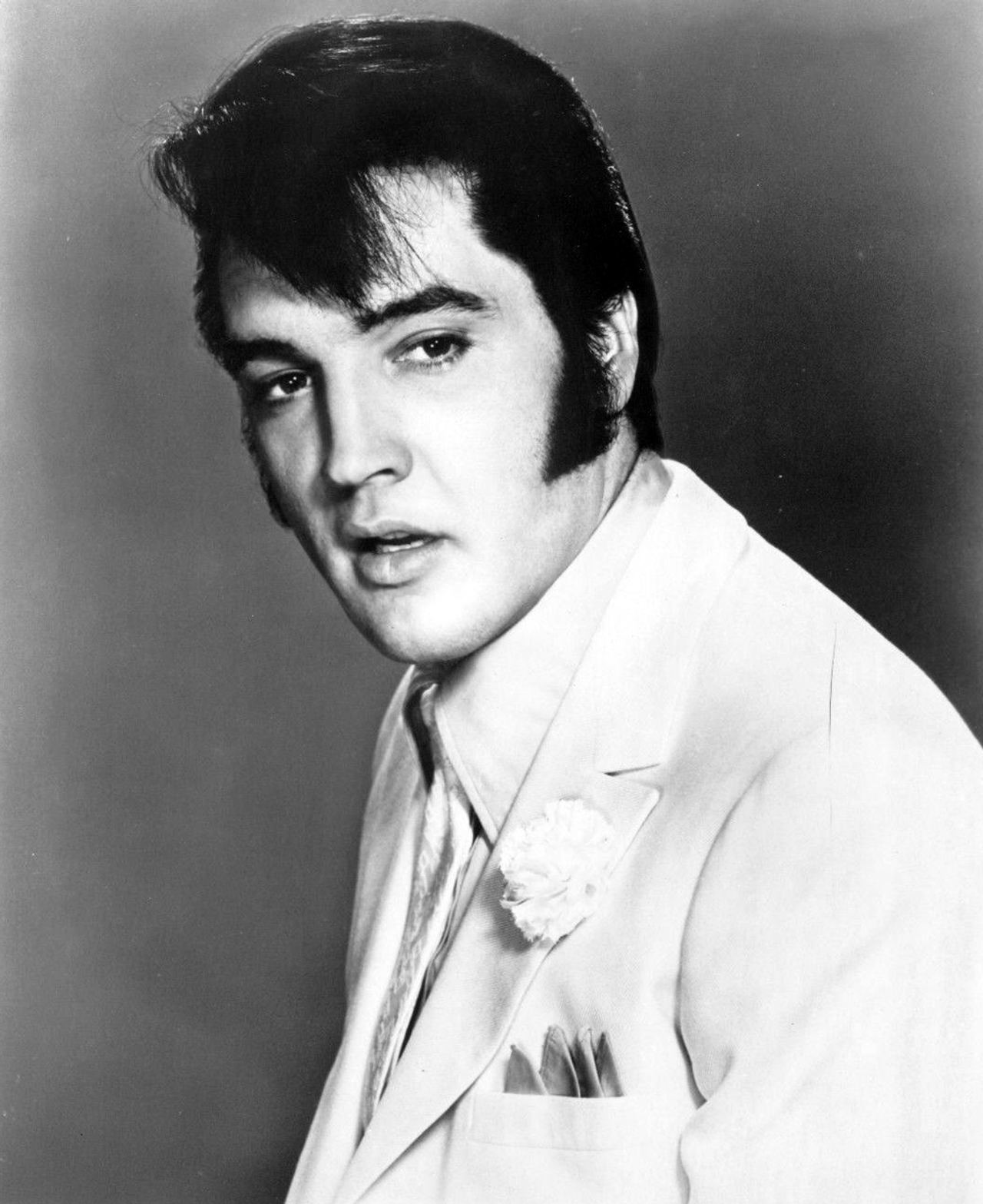
The image endures because it contains a contradiction Americans still recognize: institutions often resist cultural upheaval right up until the moment they televise it. Elvis’s Sullivan debut remains a perfect example. The establishment may have had reservations, the host may not even have been in the room, but the cameras were rolling—and a new era walked straight into the frame.
Quick Facts
- Subject: Elvis Presley’s first appearance on The Ed Sullivan Show
- Show host that night: Charles Laughton served as guest host
- Why Ed Sullivan was absent: He was recovering from a serious car accident
- Why it mattered: It brought Elvis and rock and roll into one of America’s biggest mainstream TV showcases
- Cultural impact: The appearance became a defining flashpoint in the national debate over youth culture and popular music
Image credits: Ollie Atkins, chief White House photographer at the time. See ARC record. / Wikimedia Commons / Public domain; Ollie Atkins, chief White House photographer at the time. See ARC / Wikimedia Commons / Public domain; MGM / Wikimedia Commons / Public domain.