The Queen of Soul and the Flight She Never Forgot


A superstar at the height of her powers
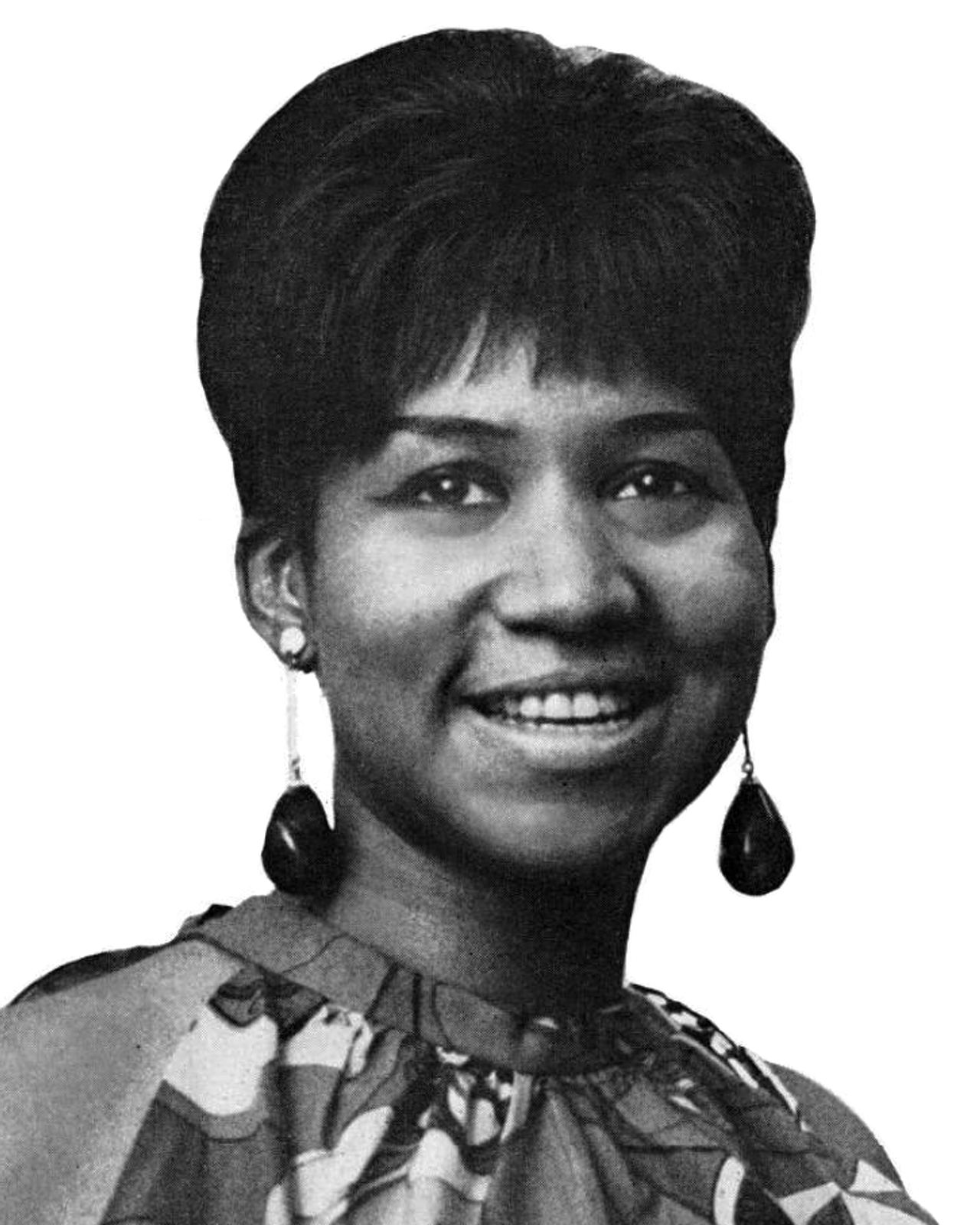
In the mid-1980s, Aretha Franklin was not a nostalgia act or a distant legend. She was a living force in American music, a singer whose voice carried the authority of gospel, the ache of soul and the polish of pop. By 1984, she had already spent decades redefining what popular singing could sound like, moving effortlessly from church-rooted intensity to radio-ready sophistication.
It was also a moment when celebrity culture seemed built on motion. Artists crisscrossed the country, TV appearances multiplied, and touring became inseparable from visibility. For a performer of Franklin’s stature, air travel was not a luxury but part of the machinery of fame. That is what makes what happened next so striking: one frightening experience in the air would alter the logistics of her career and become one of the most talked-about private rules of her public life.
The turbulence that changed everything
Franklin later spoke about a frightening flight in the 1980s that left her shaken so badly she decided she would no longer fly. Accounts of the incident vary in detail, but the core of the story remained consistent for years: severe turbulence triggered a lasting fear, and the fear was powerful enough to override convenience, professional pressure and expectation.
For many people, turbulence is an unpleasant but passing event. For others, it becomes something more enduring—a moment when the body remembers danger long after the plane has landed. In Franklin’s case, that memory appears to have hardened into a boundary. She did not treat it as a temporary phase. She treated it as a line she would not cross again.
I stopped flying in 1984.
A phobia that became part of her legend
Franklin’s refusal to fly eventually became one of those details that followed her through interviews and profile pieces, not because it was trivial, but because it seemed so at odds with the image of an artist of her magnitude. Here was one of the most commanding voices in modern music, yet she lived with a fear she did not conquer for the sake of appearances.
That contrast made the story compelling, but it also humanized her. Celebrity profiles often flatten stars into symbols of confidence or glamour. Franklin’s fear of flying did the opposite. It revealed the practical, vulnerable side of a woman whose gift could feel almost superhuman. She was not branding herself as eccentric. She was adapting her life around a real anxiety.
How she kept working without getting on a plane
The decision had consequences. It meant that travel had to be planned around ground routes, buses and geography. It narrowed certain opportunities while making others more complicated. Yet Franklin did not disappear. She continued recording, performing selectively and maintaining her stature as one of the central figures in American music.
Her workaround became part of the story too. If a concert or appearance required a flight, that demand had to be reconsidered. If it could be reached another way, it stood a better chance. In an industry built on speed, Franklin moved according to a different clock. That choice may have seemed impractical from the outside, but it reflected something important: she was willing to inconvenience the machine of celebrity rather than betray her own sense of safety.
More than a quirky anecdote
It is tempting to file Franklin’s no-flying rule under celebrity lore, alongside backstage requests and colorful habits. But that misses the emotional truth of it. Fear of flying is one of the most common anxieties in the world, and Franklin’s story resonates because it attaches that fear to someone otherwise associated with command, majesty and control.
Her experience also offers a quiet counterpoint to the mythology of toughness. Public figures are often expected to push through everything, to treat fear as weakness and limitation as defeat. Franklin did not seem interested in performing that kind of toughness. She set a boundary, lived with it and kept going. There is dignity in that, and perhaps a kind of courage too.
The lasting image of Aretha on her own terms
By the time Franklin died in 2018, the story of her giving up flying had become a familiar part of the larger portrait: the peerless singer, the church-trained prodigy, the civil-rights-era voice of dignity and demand, and the woman who, after one terrifying encounter in the air, chose the ground. It was a small detail in the scale of her legacy, yet somehow an unforgettable one.
Maybe that is because it fits a broader truth about Franklin. She spent her life asserting authority over her sound, her phrasing, her presence and her terms. The refusal to fly was not part of her art, but it belonged to the same instinct. She knew what she could bear and what she would not. Even in fear, she remained unmistakably herself.
Quick Facts
- Subject: Aretha Franklin
- Known as: The Queen of Soul
- Reported turning point: A frightening turbulent flight in the 1980s
- Life change: She stopped flying afterward
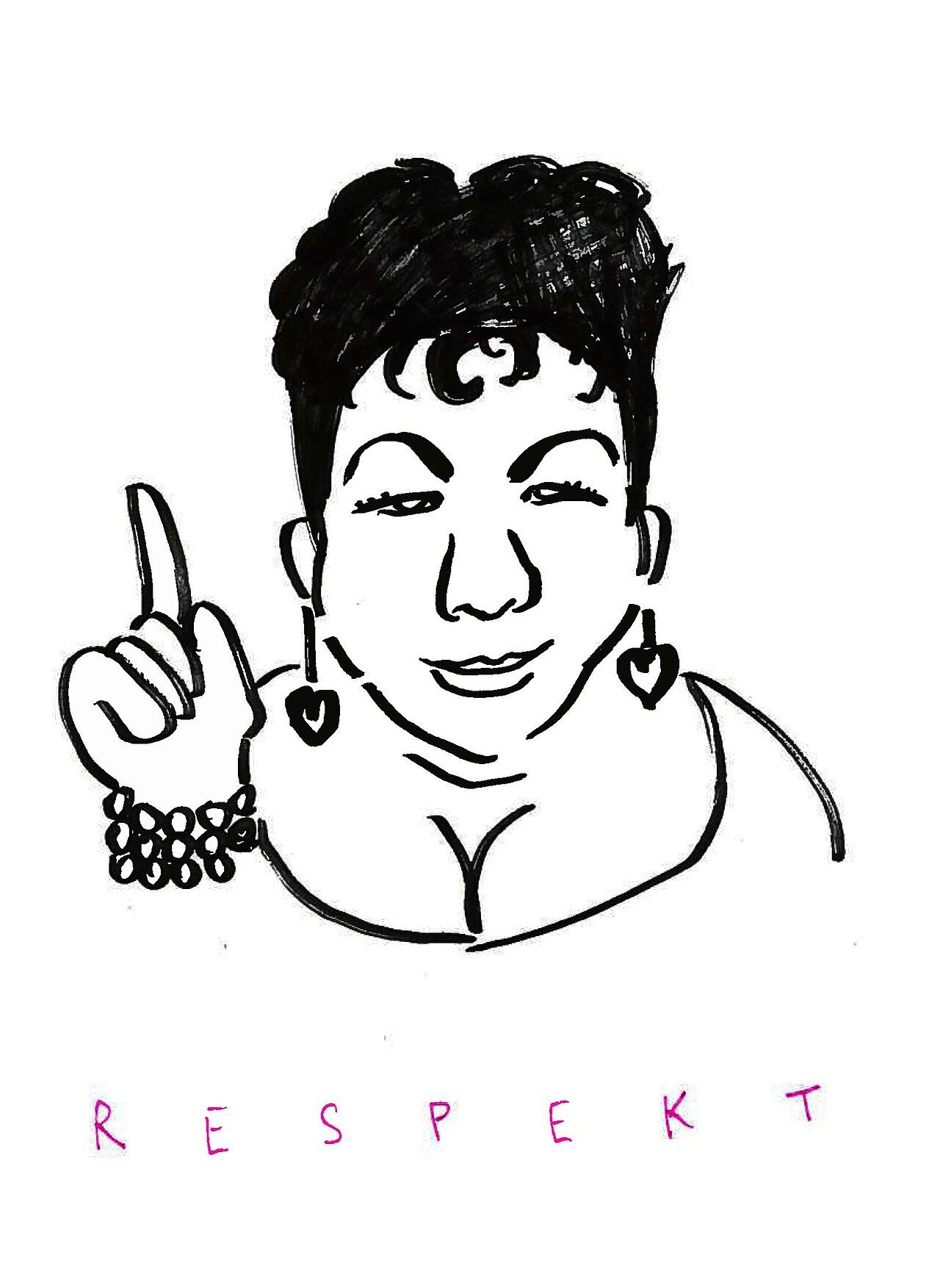
- Why the story endures: It reveals a vulnerable, deeply human side of a musical icon
Image credits: Boss Tweed from New York / Wikimedia Commons / CC BY 2.0; Elise Jakobsen / Wikimedia Commons / CC BY-SA 4.0; Atlantic Records / Wikimedia Commons / Public domain.