The Record Company Buried This Song on a B-Side – Then a Club DJ Changed Everything
Back in 1978, the record company did not treat this song like a future anthem. It was placed on the B-side, the part of the single most listeners were never expected to hear. Then a club DJ turned the record over and changed its destiny.
The song begins in the aftermath of humiliation. The narrator has been left, underestimated and expected to collapse. Instead of begging for another chance, the performance gradually discovers a new posture: standing up, looking forward and refusing to return to the old arrangement.
That emotional turn is what made the recording larger than a breakup song. The verses remember fear and loneliness, but the chorus does not stay there. It transforms private pain into a public movement, something a dance floor can repeat together.
The production helped the transformation. A steady disco pulse carries the song forward while the vocal moves from controlled vulnerability to unmistakable command. Nothing in the arrangement feels accidental; every layer is designed to make the release arrive at exactly the right moment.
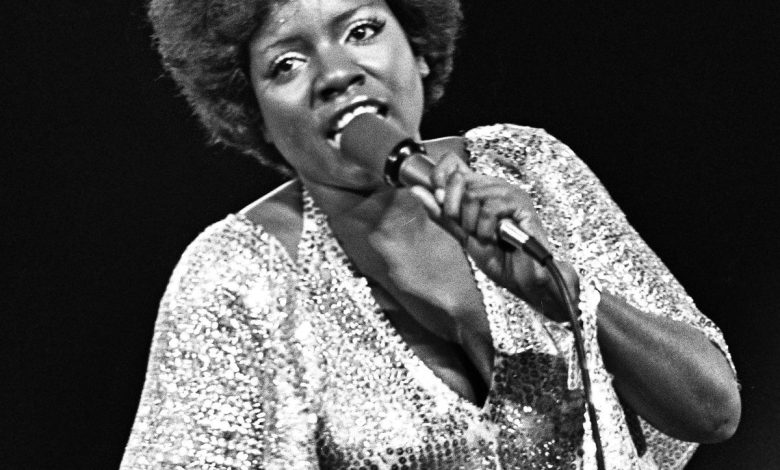
Gloria Gaynor performing during the disco era in 1978.
Once DJs began playing it, audiences responded before traditional gatekeepers could decide what the song was supposed to be. The track traveled through clubs, radio and word of mouth, proving that listeners often recognize a record’s purpose before the industry does.
The singer’s delivery is central to that story. She does not pretend the heartbreak never happened. She lets the first lines carry the weight, then changes the entire temperature of the performance when the refrain arrives.
That shift gave the song a life far beyond its original disco setting. It became a soundtrack for people leaving bad relationships, rebuilding after setbacks and finding language for a strength they had not yet felt out loud.
The anthem also crossed communities that were rarely addressed by mainstream pop in such direct terms. In clubs, especially, the song could mean romantic survival, personal independence, queer self-definition or simply the relief of making it through a difficult night.
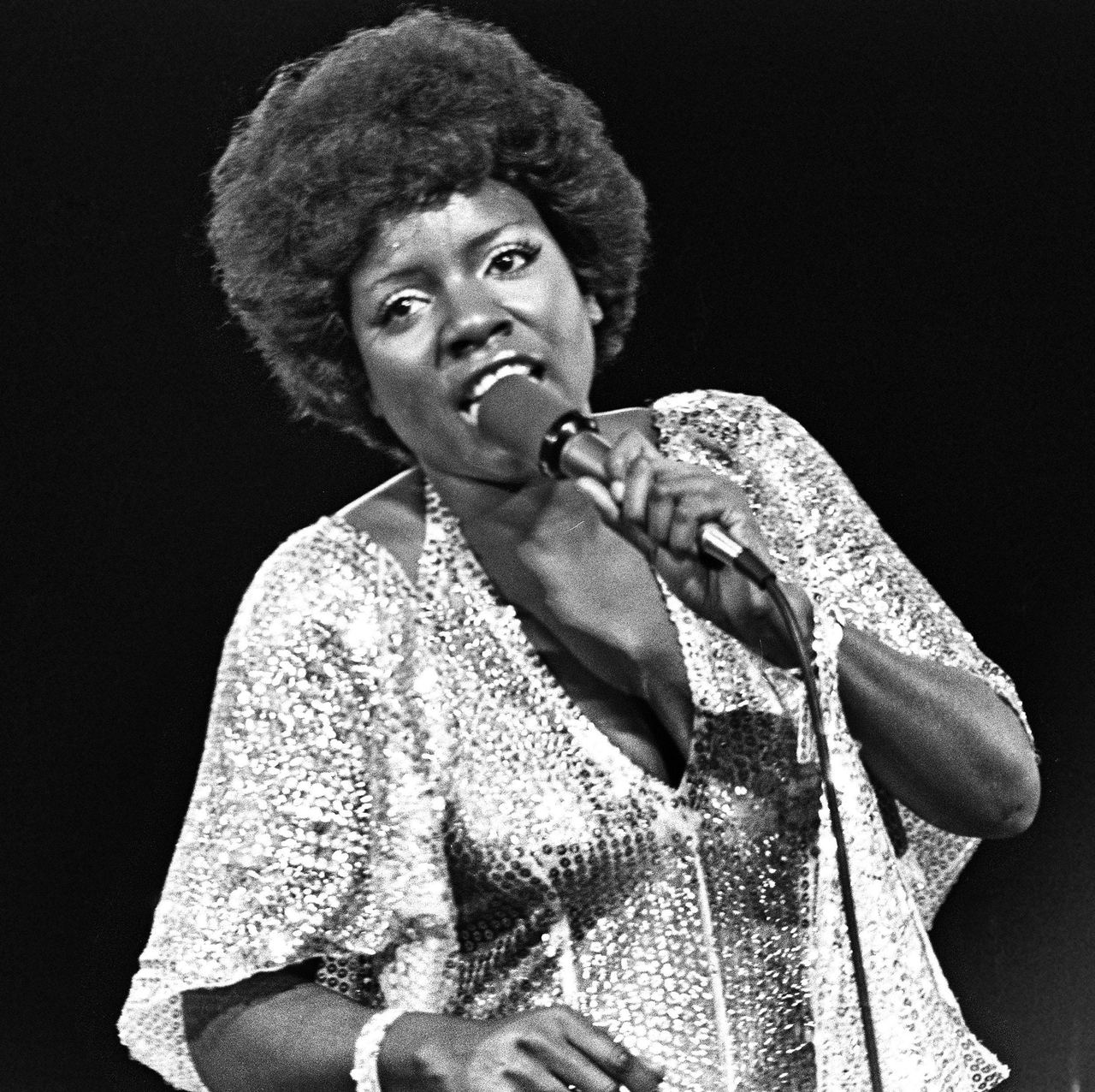
Its endurance comes from the clarity of the message and the discipline of the arrangement. The recording never buries the vocal under spectacle. The beat creates momentum, but the voice supplies the reason to keep moving.
Gloria Gaynor singing onstage in the late 1970s, when the overlooked recording became a dance-floor anthem.
What began as a neglected flip side eventually became one of the defining declarations of the late 1970s. The irony is almost perfect: a song about reclaiming control first had to escape the people who thought they knew its value.
Every generation finds a new use for it because the emotional sequence remains true. First comes the shock, then the silence, then the moment when survival stops being a hope and becomes a decision.
Listen for that decision in the chorus. It is not just a line in a song; it is the instant the entire room realizes the narrator is no longer asking permission.
Listen to the recording
[EMBED:
Continue reading
She Added an Old Breakup Song at the Last Minute – Then It Became Her Only Number-One Hit

In 1974, Linda Ronstadt was finishing the album that would move her from respected country-rock singer to national star. One of its most important tracks arrived almost as an afterthought: an older breakup song added late, rebuilt more than once and nearly altered again after an all-night studio experiment.
The song was "You’re No Good," written by Clint Ballard Jr. and first recorded by Dee Dee Warwick in 1963. Betty Everett and the Swinging Blue Jeans also recorded notable versions before Ronstadt approached it, so she was not introducing an unknown composition. Her challenge was to make a familiar song sound newly dangerous.
Bassist Kenny Edwards had encouraged her to use it in concert. Ronstadt needed a forceful closer for sets that often leaned toward ballads, especially while opening for Neil Young. Onstage, the song gave her a release point: a place where control could turn into accusation without losing musical precision.
When producer Peter Asher brought the song into the Heart Like a Wheel sessions, the first studio attempt did not settle into the right character. A lineup mixing country and R&B players produced a version that felt too fast and too rhythmically uncomfortable for the vocal Ronstadt wanted to deliver.
Linda Ronstadt singing onstage during the period when her country-rock sound reached a national audience.
Rather than accept a respectable take, Asher started again. The second arrangement slowed the pulse and gave multi-instrumentalist Andrew Gold room to build much of the track’s instrumental architecture. The result felt heavier and more deliberate, allowing the lyric’s dismissal to land without being rushed.
The record’s closing guitar section required another leap. Asher and Gold spent roughly twelve hours assembling layers of overdubbed guitar into a dramatic montage. They finished proud of the construction, believing they had found an ending large enough to complete the track’s slow accumulation of tension.
Ronstadt did not agree when she first heard it. She thought the guitar textures sounded too much like the Beatles and considered replacing them. Only after repeated listening did she reverse her judgment and accept the ending that now feels inseparable from the record.
That disagreement reveals something important about the session. The performance was not a lucky vocal placed on top of a ready-made backing track. It was shaped through rejection, reconstruction and argument, with each participant testing how far a country-rooted singer could move into darker rock and pop production.
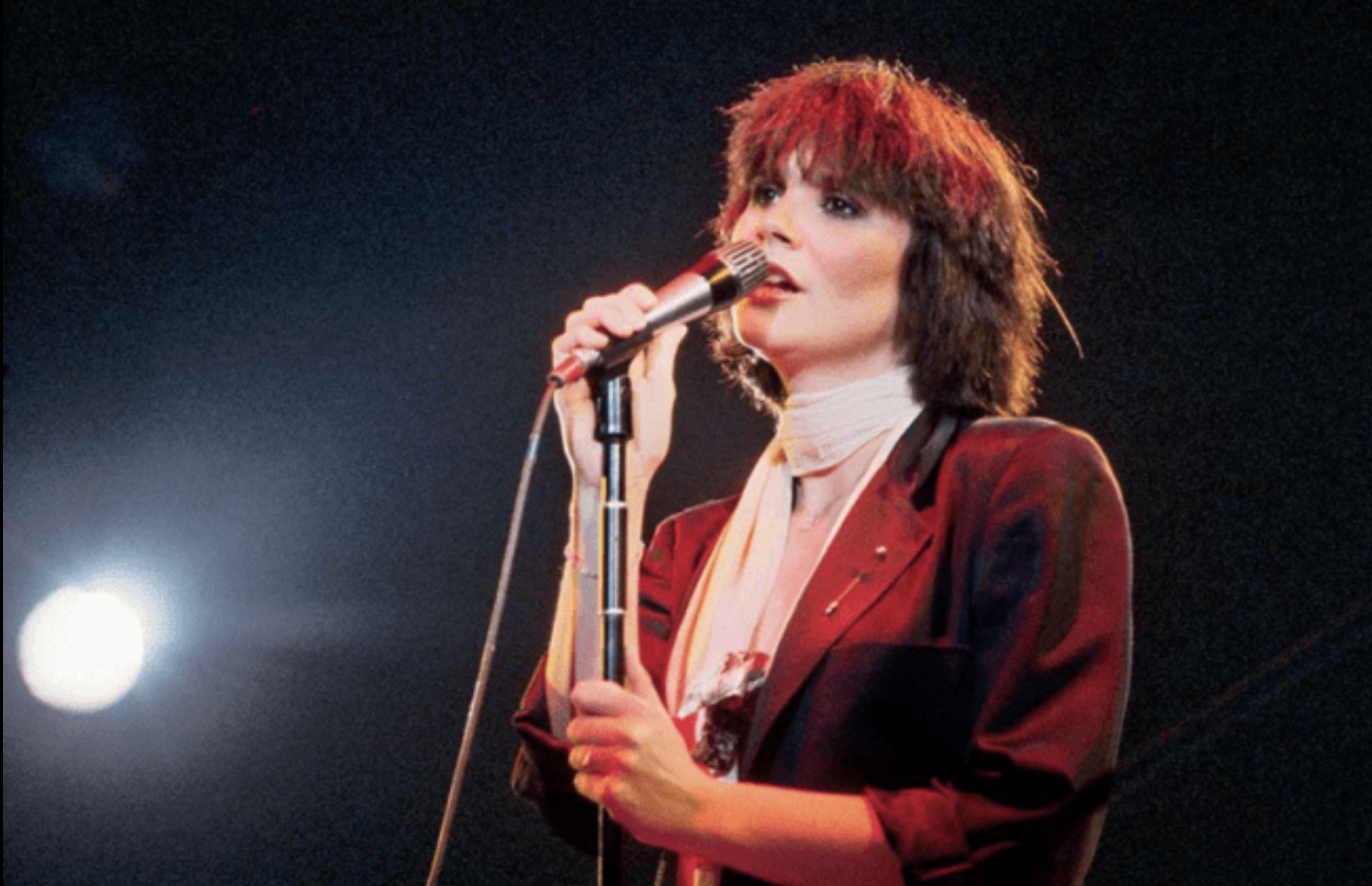
The final arrangement advances by degrees. The rhythm section stays patient, backing voices deepen the atmosphere and the guitars gather around Ronstadt without covering her. When the ending opens outward, it feels less like decoration than the emotional consequence of everything held back earlier.
Linda Ronstadt performing in the 1970s, when her command of older songs became central to her success.
Ronstadt’s vocal supplies the center. She does not sing the lyric as a victim asking for sympathy. She sounds clear-eyed and resolved, but small changes in pressure reveal that certainty had to be earned. The dismissal has weight because the listener can still hear the hurt underneath it.
Heart Like a Wheel was released in late 1974, and "You’re No Good" became its lead single. In February 1975, it reached the top of the Billboard Hot 100. Despite the many major hits that followed, it remained Ronstadt’s only solo number-one single on that chart.
The success changed the scale of her career, but it also clarified the nature of her artistry. Ronstadt was not primarily celebrated for writing songs. Her gift was interpretation: selecting material from different traditions, discovering the emotional position that belonged to her and singing with enough authority to reset the listener’s memory.
That achievement was especially meaningful in a period when women singers were often expected to fit a narrow category. Ronstadt could move between country, rock, pop and older rhythm-and-blues material without treating any of them as a costume. The continuity came from the intelligence and physical control of her singing.
The single also created a striking reversal. A song that had once helped strengthen her live set became the studio recording that introduced her to millions of new listeners. Instead of smoothing away its confrontational edge for pop radio, the production made that edge clearer and let the audience meet her at full intensity.
This recording is a perfect example. The composition had already lived several lives, yet Ronstadt and Asher did not preserve it like a museum piece. They changed its pace, weight and sonic atmosphere until the old breakup statement fit the force and vulnerability of her voice.
The track also helped define the Los Angeles studio sound of the decade, where country instrumentation, rock dynamics and pop discipline could occupy the same recording. Andrew Gold’s layered work and Asher’s patience created sophistication without making the performance feel distant.
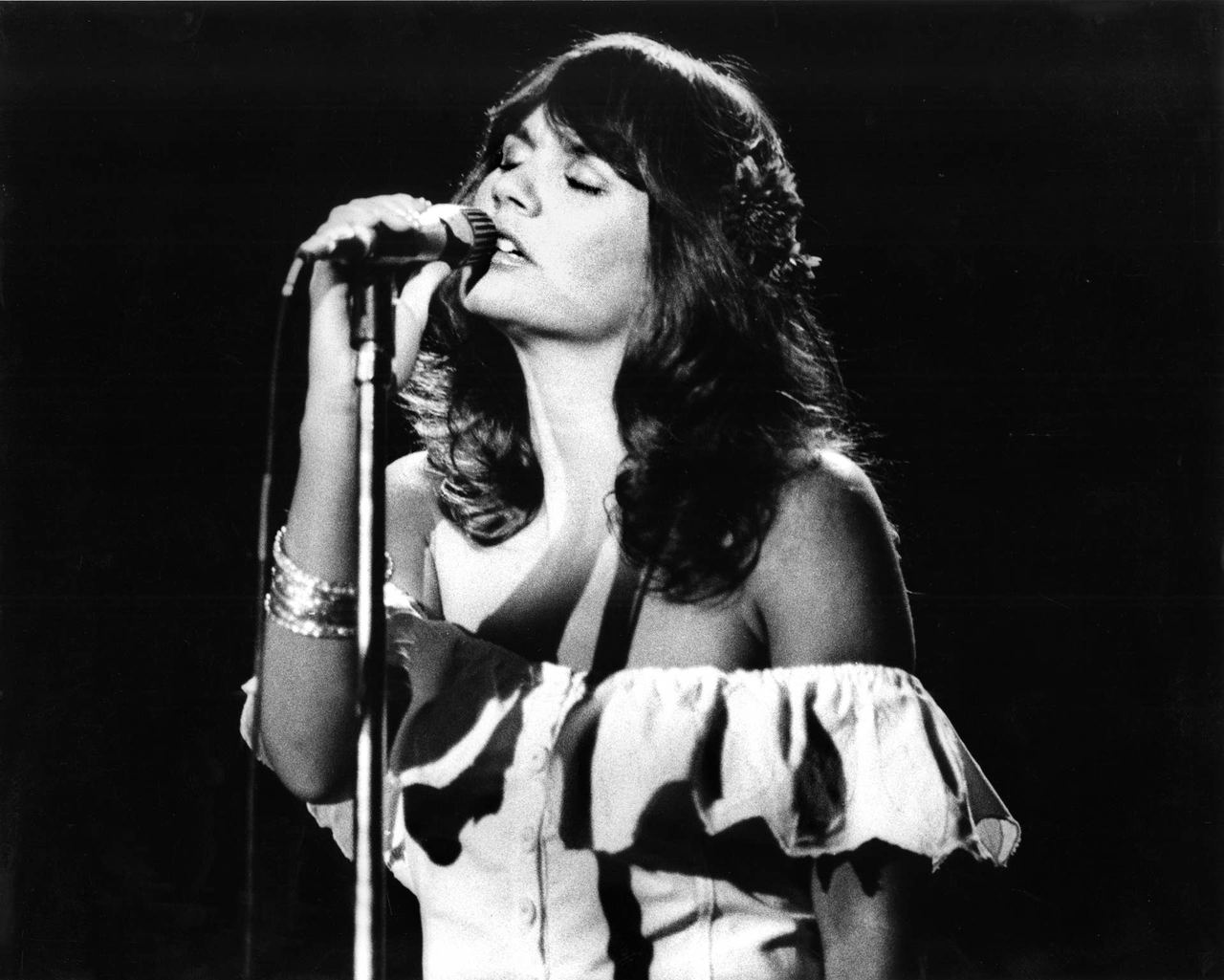
Its path to number one now seems inevitable, but nothing about the session was simple. The song entered the album late, survived an unsuccessful first arrangement and kept a guitar ending the singer initially disliked. Each possible reason to abandon it became another stage in finding its final identity.
Listen again when the guitars begin to gather behind the vocal. The record is not merely announcing that someone is no good. It is capturing the moment hesitation becomes certainty – and the last-minute cover becomes the performance an entire career can never leave behind. That resistance gave the finished performance even greater authority.
Listen to the recording
[EMBED:
He Left a Divorce Song Off His First Album – Then Hollywood Made It Number One
In 1984, one of the most exposed ballads on American radio arrived with the polished credentials of a Hollywood theme. Beneath the film title and orchestral sweep, however, was a song Phil Collins had begun years earlier during the collapse of his first marriage.
The recording became "Against All Odds (Take a Look at Me Now)," but that was not its first identity. During the sessions that produced Collins’s 1981 solo debut, Face Value, he worked on an unfinished composition called "How Can You Just Sit There?" The words came from lived separation rather than an invented movie romance.
Much of Face Value was shaped by the end of Collins’s marriage to Andrea Bertorelli and by the absence of the family life he had expected to keep. The abandoned song belonged to that same emotional period: disbelief, anger and the helpless experience of watching someone leave while every important sentence arrives too late.
Collins did not include it on the album. He felt Face Value already carried enough ballads, so the composition was set aside rather than forced into a track list that had found its balance. What looked like a discarded song was really an unresolved piece of his most personal writing.
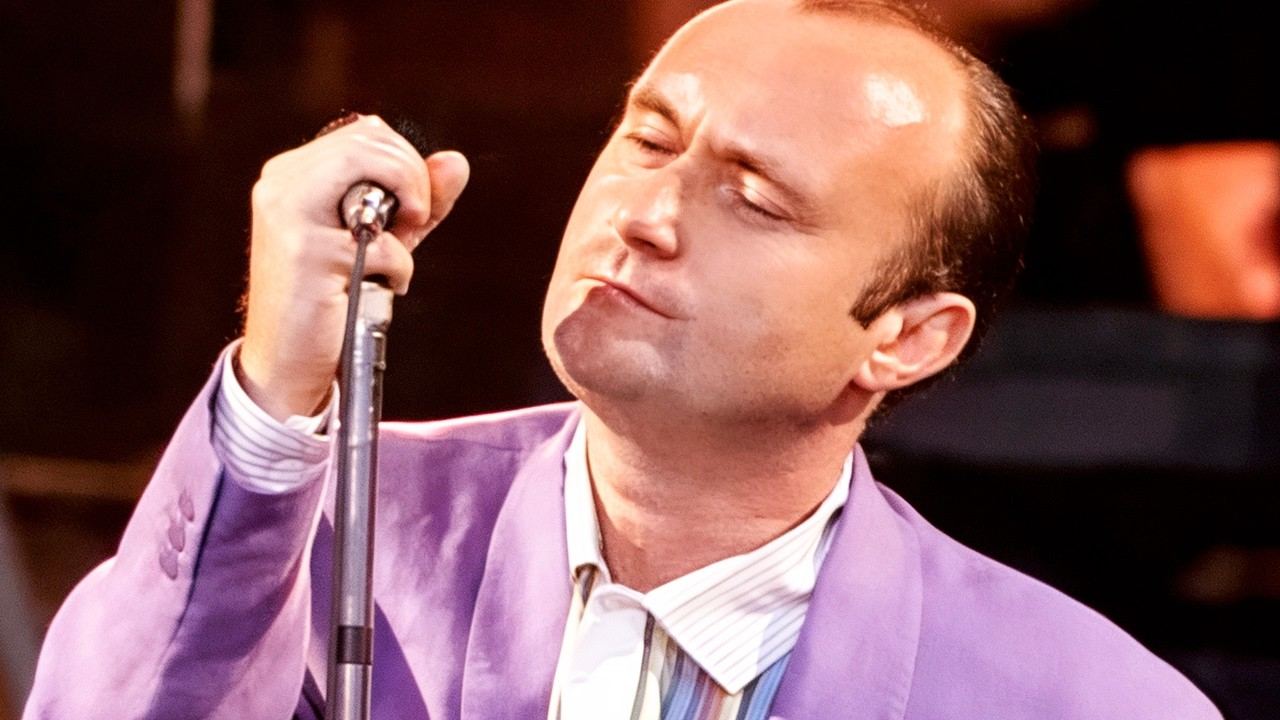
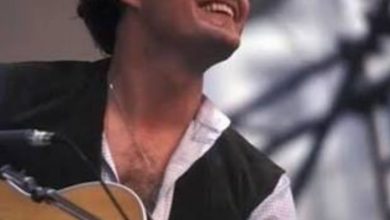
Phil Collins performing in the 1984 music video made for Against All Odds.
Several years later, director Taylor Hackford approached Collins while Genesis was touring and asked him to contribute a theme to the film Against All Odds. Hackford traveled to Chicago to meet him and supplied a rough cut that Collins could watch while considering the assignment.
The request did not immediately produce a brand-new melody. Instead, Collins returned to the old divorce song and recognized that its emotional shape could fit the film: a man facing an empty space, replaying intimacy and hoping for a return that logic says will not happen.
He revised the words so the song could live inside the movie without losing the private emotion that had created it. The new title connected it to Hollywood, but the performance never sounds like a piece of marketing. It sounds like someone discovering that a polished commission can still expose an old wound.
Collins co-produced the recording with Arif Mardin. The production combined close piano, controlled rhythm and an orchestral arrangement that expands around the voice instead of immediately overwhelming it. Parts of the record were assembled across Los Angeles and New York, giving the finished ballad scale without removing its solitude.
The opening works because it refuses to hurry. Collins sings as though the other person is still close enough to hear him, yet already beyond reach. His phrasing repeatedly pushes toward a response that never comes, making the spaces after each appeal feel as important as the notes themselves.
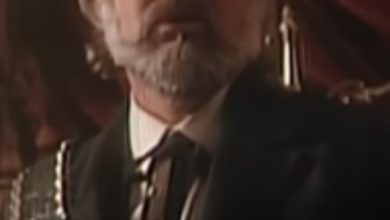
Phil Collins performing the ballad live during his 1985 No Ticket Required tour.
When the arrangement finally grows, the drums and orchestra do not turn the narrator into a hero. They enlarge the emptiness. The recording becomes louder while the central fact remains unchanged: wanting someone back cannot make that person return.
The song plays over the film’s closing credits, but listeners did not need to know the plot to understand it. Its language was broad enough to belong to anyone who had stood in a quiet room after a relationship ended and imagined one more impossible conversation.

Released as a single in 1984, it became Collins’s first solo number-one hit in the United States and remained on top of the Billboard Hot 100 for three weeks. The achievement was especially striking because the song had first been left behind, not prepared as the obvious centerpiece of a commercial campaign.
The performance also brought Collins his first Grammy, for Best Pop Vocal Performance, Male. It received Academy Award and Golden Globe nominations as well. At the Oscars, Collins watched from the audience while Ann Reinking performed the nominated song, an awkward episode that became part of its unusual history.
The success also changed the public balance of Collins’s career. He was still the drummer and increasingly visible singer of Genesis, but this record proved that his solo work could command American pop culture on its own. A private composition that had once seemed unnecessary to one album now stood above every other single on the chart.
Its timing mattered. The early 1980s were full of large electronic textures and highly designed videos, yet the song reached number one by concentrating on an old-fashioned emotional problem. Technology gave the recording atmosphere and scale, but listeners returned because the central plea remained painfully direct.
Later covers proved that the melody could survive very different voices, but the original remains inseparable from its emotional origin. Collins is not simply interpreting a screenplay. He is revisiting the moment when divorce transformed him from a drummer who wrote music into a songwriter willing to place private damage inside a lyric.
That is the contradiction at the center of the record. Hollywood gave the old composition a new title, an orchestra and an enormous audience, yet its power came from something no studio could manufacture: a plea written before the movie existed for a person the singer could not persuade to stay.
Listen again from the first piano phrase. Long before the arrangement reaches its full size, the real story is already present in the voice – one abandoned song, one unresolved goodbye and one second chance that arrived in music instead of life.
Listen to the recording
[EMBED: