The song Willie Nelson wrote in minutes that never left the road
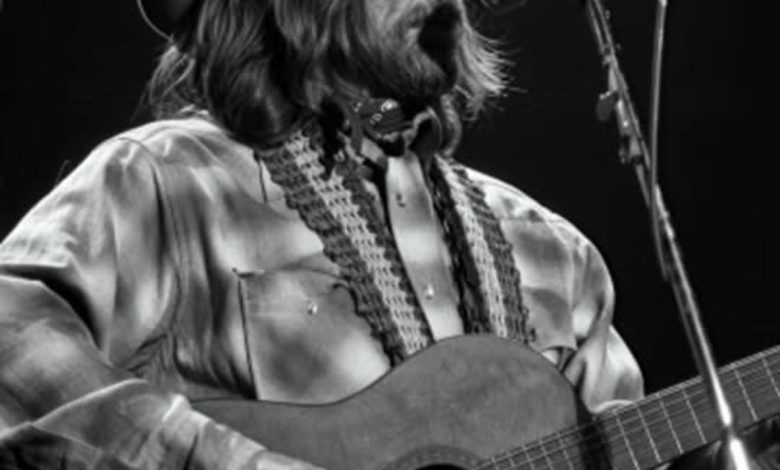
Some songs arrive with such ease and certainty that they seem less written than discovered. Willie Nelson’s “On the Road Again” belongs in that rare company. Easygoing, warm, and instantly recognizable, it captures a feeling that is both personal and universal: the pleasure of moving forward, the comfort of companionship, and the quiet thrill of doing what you were meant to do.
Part of what makes the song so enduring is its simplicity. There is nothing overly complicated about its charm. It does not need grand drama or heavy sentiment to leave a mark. Instead, it speaks in a voice that feels natural and direct, the kind of voice that invites listeners in rather than trying to overwhelm them. That relaxed spirit has helped the song remain close to people’s hearts for decades, whether they first heard it when it was released in 1980 or discovered it much later.
A song born in motion
The story behind “On the Road Again” gives the song an extra glow. Willie Nelson wrote it in just minutes while aboard an airplane, a detail that feels perfectly matched to the music itself. It is hard not to picture that moment with a sense of admiration: an artist traveling between places, suspended between one destination and the next, finding inspiration in the very state of motion that the song would later celebrate.
That setting matters because the song itself feels like movement. Even before a listener thinks closely about the words, the tune suggests forward momentum. It has a light, easy rhythm, but beneath that ease is a deeper emotional current. The song is about travel, yes, but also about purpose. It speaks to the kind of life where the road is not just distance to be crossed, but a space where meaning is found.
There is something deeply appealing about that idea. Many people know what it means to feel most alive while heading toward something, not simply after arriving. “On the Road Again” turns that feeling into music with remarkable economy. In just a few lines, Willie Nelson distilled the experience of being in motion into something listeners could immediately recognize in themselves.
Why it reached far beyond country music
When the song was released in 1980, it quickly found a place not only with country audiences but with a much wider public. That broad appeal says a great deal about its emotional reach. While it grows from the rhythms of touring life, it never feels limited to musicians alone. Dreamers, travelers, workers, and everyday listeners can hear themselves in it. The road in the song becomes both literal and symbolic, a path of work, hope, routine, and freedom all at once.
That helps explain why it has remained such a dependable companion over the years. Some songs belong to a particular moment. Others seem to travel with people through many stages of life. “On the Road Again” fits the second category. It is the kind of tune that can play in the background of a long drive, bring a smile at a live performance, or instantly stir memories with just its opening notes.
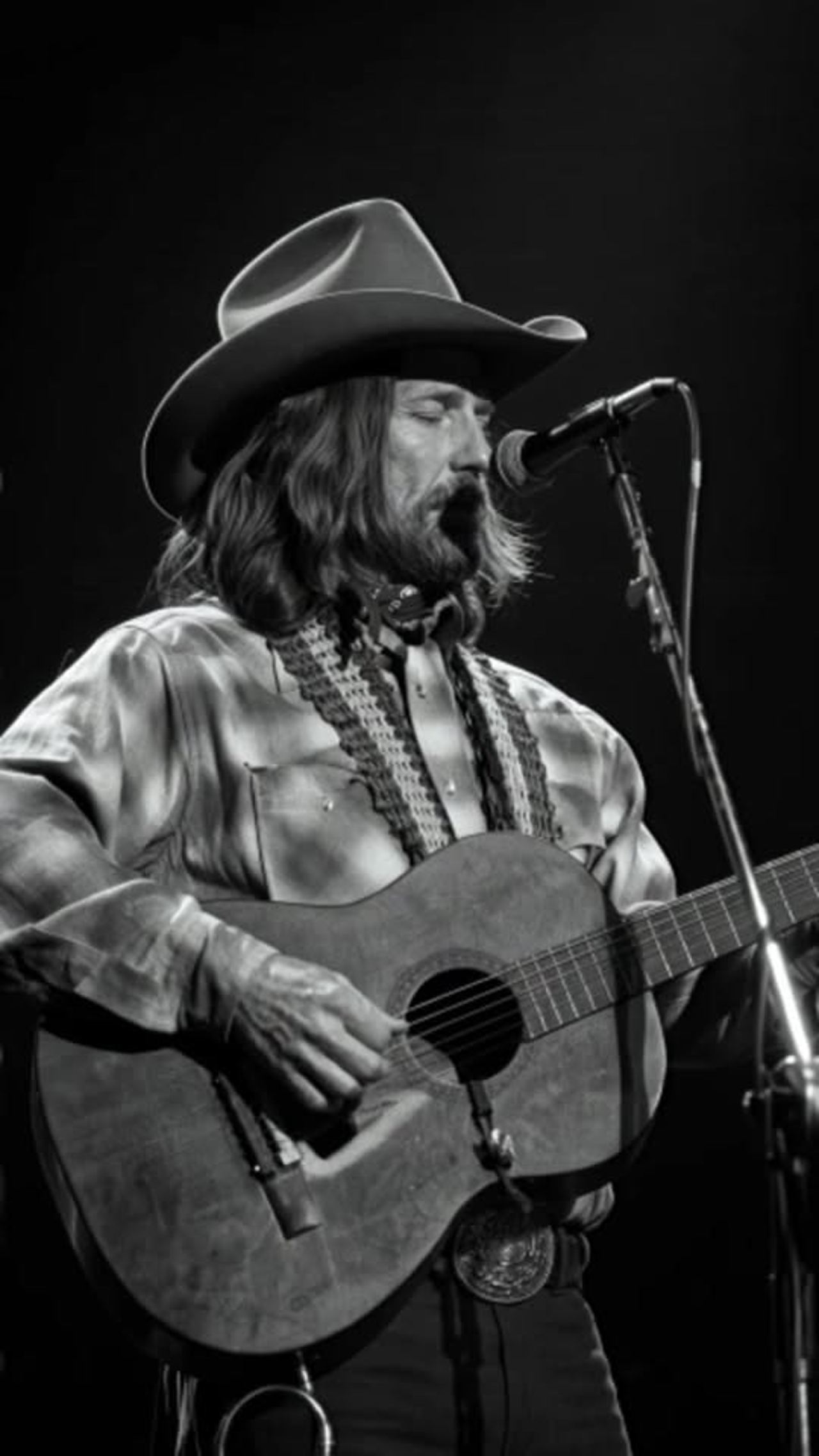
Its staying power also comes from how closely it reflects Willie Nelson’s own musical identity. The song sounds effortless, but not casual. It sounds relaxed, yet completely sure of itself. That balance has always been central to the way audiences connect with him. Nothing about the performance feels pushed. Instead, the song moves with the confidence of someone who understands that the strongest music often says the most with the least.
The lasting pull of the 1985 Farm Aid performance
That is why the 1985 Farm Aid performance still inspires so much affection. Watching a song like this performed by the artist who made it famous brings a special kind of pleasure. It is not only a chance to hear a beloved hit. It is a chance to reconnect with the spirit of the time and with the artist’s unmistakable presence.
For many listeners, performances like that carry more than nostalgia. They preserve a feeling. They remind us of an era strongly associated with classic country music, while also showing why certain songs outgrow any single genre or decade. In that setting, “On the Road Again” becomes more than a familiar favorite. It becomes a living expression of the qualities people have always loved about Willie Nelson’s music: honesty, warmth, and a sense of ease that never slips into indifference.
There is also something powerful about hearing a song rooted in the realities of performing and traveling delivered with such natural conviction. It reinforces the sense that this was not a manufactured anthem but something deeply felt. That sincerity still comes through years later, which is one reason the performance continues to resonate.
A timeless celebration of music and connection
Years after its release, “On the Road Again” remains beloved because it does more than praise motion for its own sake. It honors a way of life shaped by music, connection, and the promise of another horizon just ahead. Its emotional world is simple but rich: friendship, purpose, routine transformed into joy, and the freedom that comes from embracing the journey rather than resisting it.
There is a lesson in that enduring appeal. Not every timeless song needs complexity to survive. Sometimes what lasts is clarity. Sometimes the melodies that travel farthest are the ones that feel closest to everyday life. Willie Nelson took a moment aboard an airplane and, in a matter of minutes, turned it into a song that continues to accompany people through their own journeys.
That may be the deepest charm of “On the Road Again.” It feels rooted in one artist’s experience, yet open enough for almost anyone to step inside. It is about touring life, but also about the wider human pleasure of moving, striving, returning, and beginning again. Few songs make that idea feel so natural.
If this song or that 1985 Farm Aid performance means something special to you, share your thoughts and memories with others. It is always worth hearing how a timeless song has traveled through different lives.
Read more stories
- I was shopping for Christmas groceries when I called my son to ask whether I should bring
- THE WORLD REMEMBERED HIM AS THE OUTLAW WHO TRANSFORMED COUNTRY MUSIC — BUT HIS MOST IMPORTANT REBELLION TOOK PLACE QUIETLY WITHIN THE WALLS OF HIS OWN HOME.
- How a Song Written on a Flight Became Willie Nelson’s Anthem
- The Few Minutes on a Plane That Gave Country Music a Classic