The Unseen Legacy of Matilda Joslyn: A Life Beyond the Vote
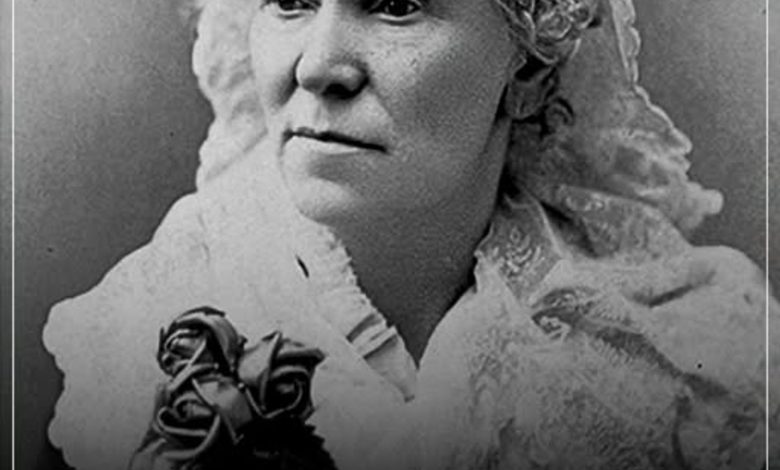
In the quiet town of Cicero, New York, a little girl named Matilda Joslyn was born in 1826, into a world where her family’s home was not just a dwelling but a sanctuary. As the daughter of a devoted abolitionist and a country doctor, Matilda was raised amidst the whispers of freedom and the spirit of defiance. While other children played carefree, she absorbed the weighty lessons of injustice and the vital urgency of speaking out. Her father instilled in her a rare education, teaching her anatomy and physiology long before it was deemed appropriate for girls, igniting a passion for medicine that would never be realized in traditional schools of the time.
Despite the societal barriers that loomed large, Matilda’s spirit was indomitable. After marrying and settling in Fayetteville, she transformed her home into a refuge for those fleeing the shackles of slavery. Each time her door opened to the weary footsteps of escapees, she felt the risk of discovery—a risk that could cost her everything, yet she pressed on. For Matilda, silence was not safety, and her resolve only grew stronger as the years went by.
In 1852, at the age of twenty-six, Matilda Joslyn stepped onto a stage in Syracuse, ready to make her voice heard. At a national women’s rights convention, she delivered a speech so powerful and raw that it quickly became the only one from that event to echo through the pages of newspapers. This was just the beginning of a relentless pursuit for equality that would span nearly half a century. Matilda became a cornerstone in the foundation of the New York State Woman Suffrage Association and climbed to the presidency of the National Woman Suffrage Association, often standing shoulder to shoulder with icons like Susan B. Anthony and Elizabeth Cady Stanton.
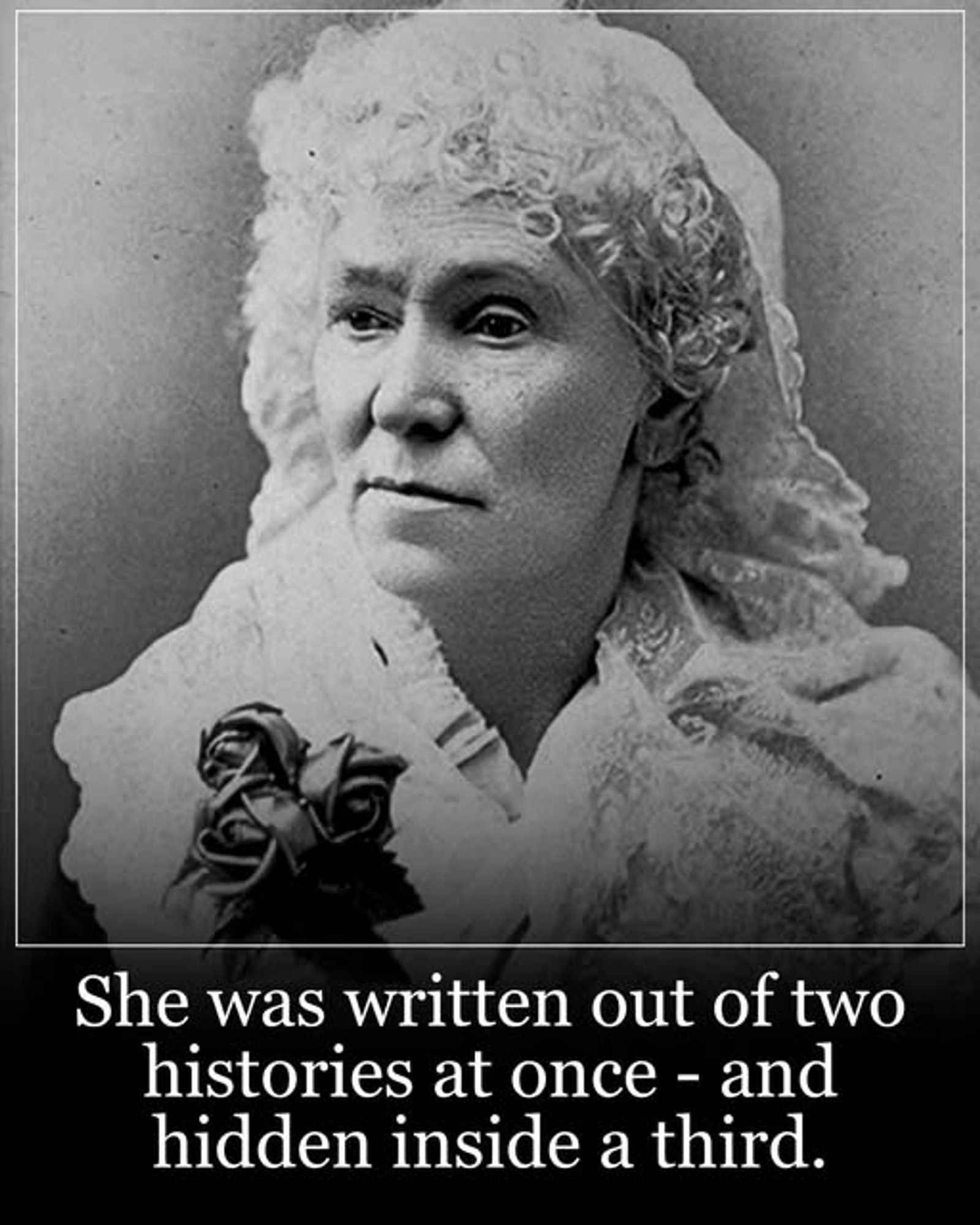
However, what set Matilda apart from her contemporaries was her refusal to limit her ambitions to securing the right to vote. While many suffragists were content to focus solely on the ballot box, Matilda’s vision was significantly broader. She challenged the very institutions that had historically confined women, unearthing discussions about autonomy over one’s body and the recognition of women’s scientific contributions—an advocacy that would later be acknowledged as the ‘Matilda Effect.’
As she confronted societal norms, Matilda did not shy away from the uncomfortable truths about organized religion’s role in maintaining the status quo for women. Her bold assertions and writings paved the way for future generations to embrace the complexities of female identity and autonomy.
The lifetime of Matilda Joslyn was marked by relentless advocacy, courage, and an unwavering commitment to justice that extended far beyond her time. She understood that true change required more than just a vote; it demanded a seismic shift in societal perceptions. Today, as we reflect on her contributions, we celebrate not just the rights she fought for, but the enduring spirit of a woman who dared to dream of a world where every voice could be heard and every life could be fully lived.