Thirty Artists Passed on “Bye Bye Love.” Then the Everly Brothers Turned It Into a Breakthrough
A song nobody seemed to want
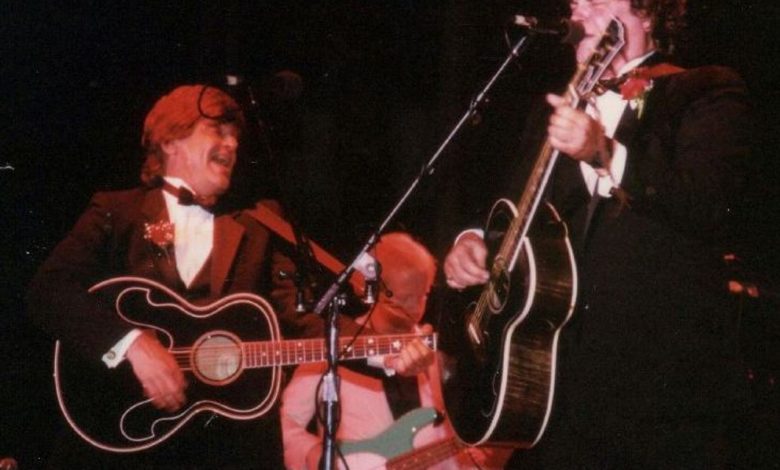
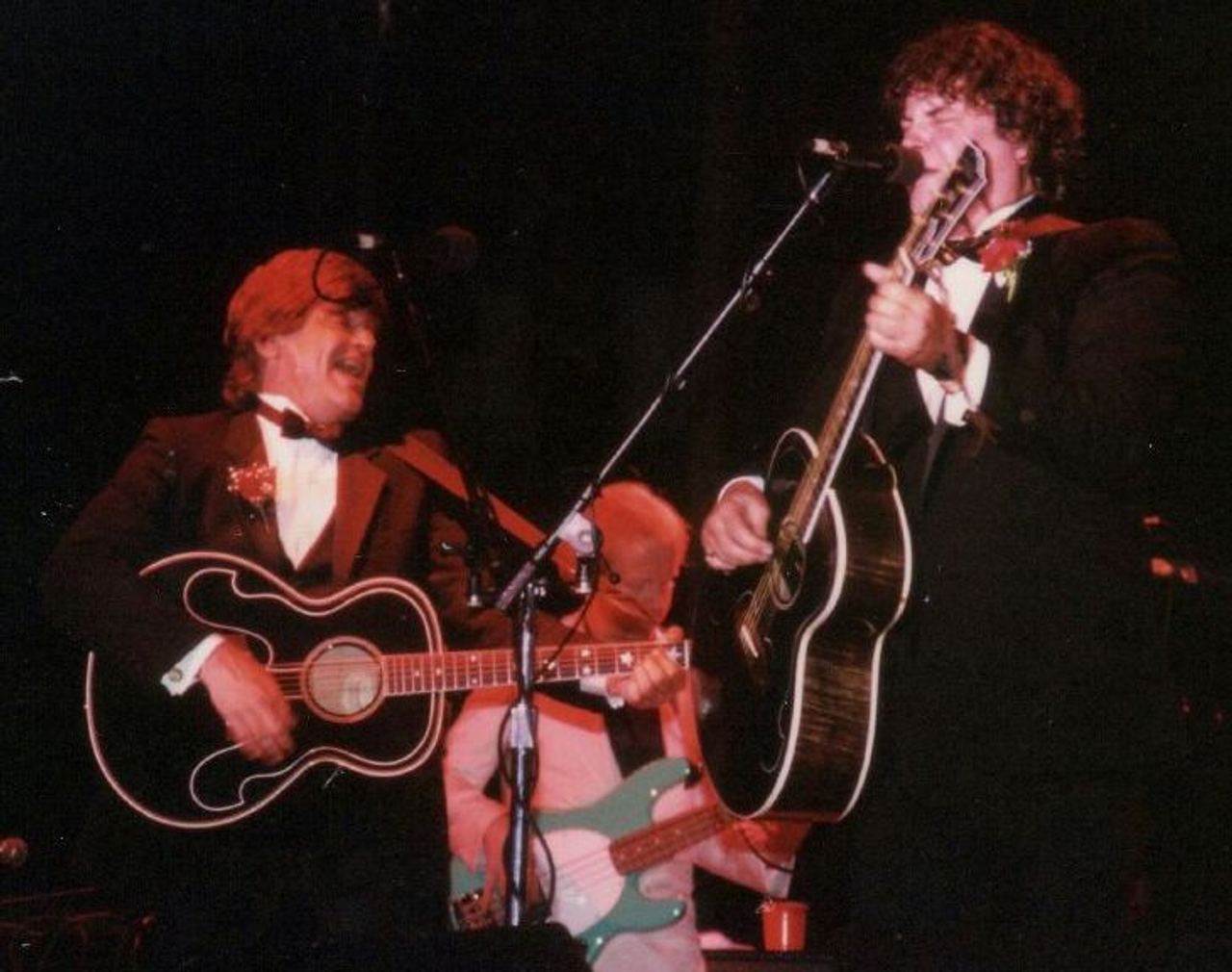
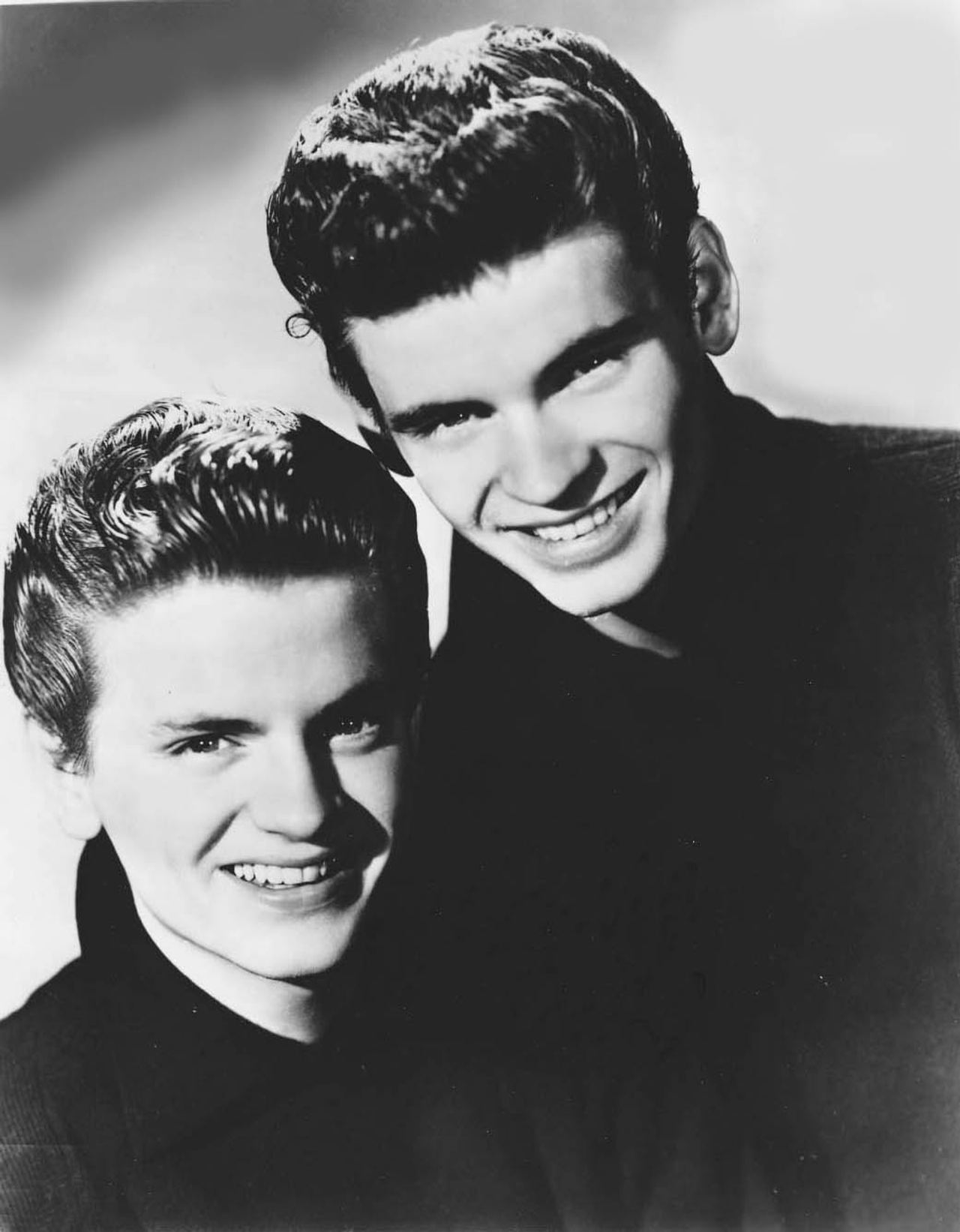
In early 1957, Don and Phil Everly were still searching for the record that could push them from promising young singers into the national spotlight. They had grown up steeped in country music, singing together so closely that their voices often seemed to move as one. What they lacked was a song with enough personality and lift to cut through a crowded, fast-changing pop market.
That song arrived in the form of “Bye Bye Love,” written by the celebrated songwriting team Felice and Boudleaux Bryant. By the time it landed with the Everlys, it came with a curious history: according to Songfacts, roughly 30 artists had already passed on it. In the music business, that kind of track can feel tainted before anyone even presses record. But sometimes a rejection streak says less about a song’s quality than about timing, taste, and the performer who finally hears its potential.
Sometimes the songs that reshape pop history are the ones everyone else failed to imagine correctly.
Why the Everlys could hear what others missed
The Everly Brothers were uniquely equipped to make sense of a song like “Bye Bye Love.” Their sound lived at the intersection of country storytelling, pop concision, and the fresh rhythmic drive of rock and roll. Where another singer might have heard a novelty, or something too country, or something too plain, Don and Phil heard structure, space, and emotional snap.
Their gift was not simply that they could harmonize. It was that they understood how to turn harmony into drama. In their hands, the song’s brisk heartbreak did not feel heavy or sentimental. It felt immediate, catchy, and youthful. The lyric’s pain was there, but it moved with a bounce that made it irresistible rather than maudlin.
The intro that helped define the record
Part of what made the Everlys’ version memorable was its clean, arresting opening. That guitar-led start gave the record an instant identity, the kind of musical doorway that tells a listener within seconds that they are hearing something distinctive. On the radio, where first impressions mattered enormously, that kind of intro could be decisive.
The effect was simple but transformative. Instead of easing into the song, the record announced itself. Then came the brothers’ voices, tight and bright, carrying a blend that felt both rooted in older American music and perfectly suited to the new teen market. It is one of those recordings where arrangement and performance seem to lock together so tightly that it becomes difficult to imagine the song any other way.
A breakthrough bigger than one single
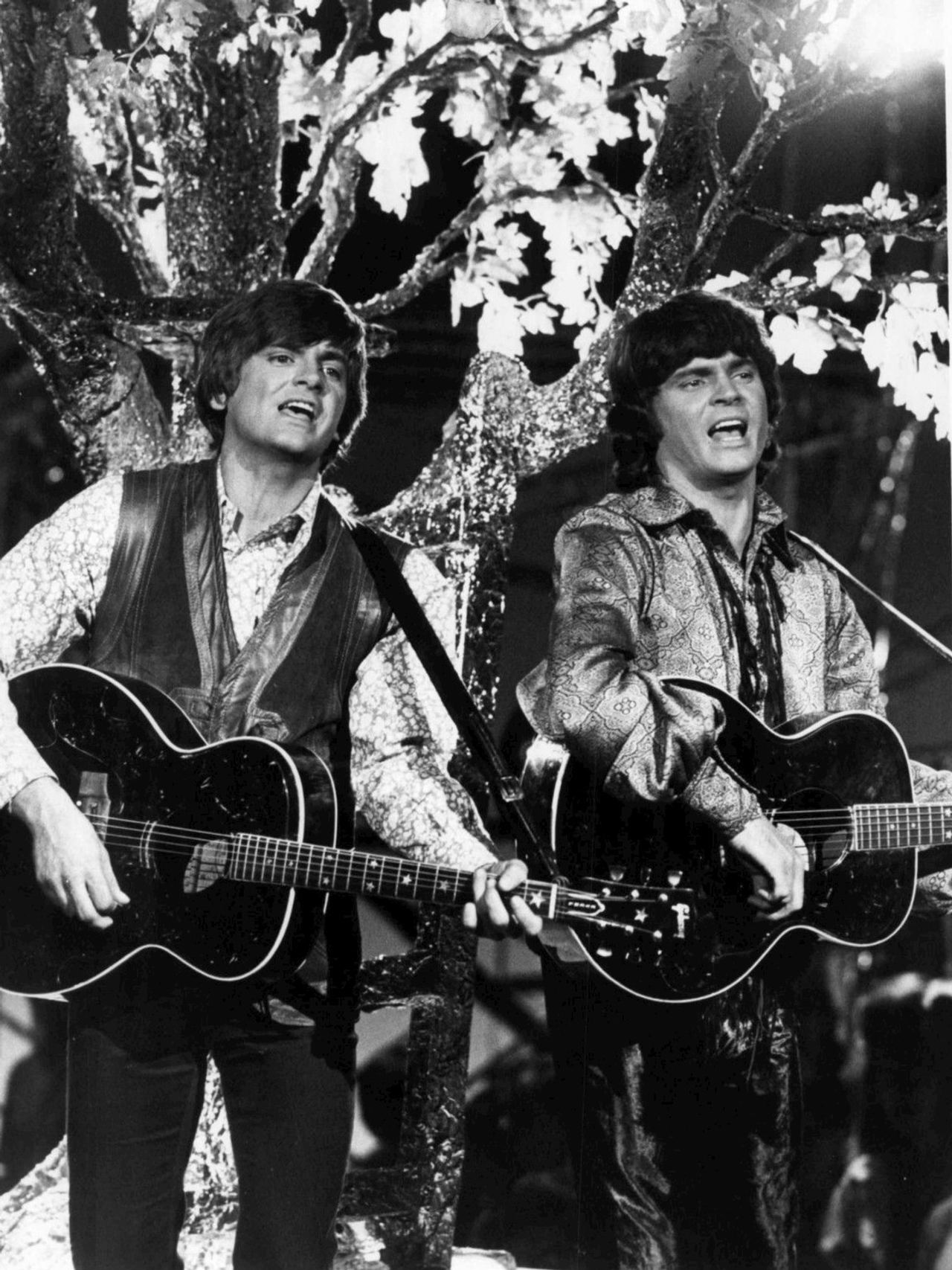
Once recorded by the Everly Brothers, “Bye Bye Love” no longer sounded like a hand-me-down that dozens of others had ignored. It sounded inevitable. The record gave Don and Phil the breakthrough they had been chasing and introduced a huge audience to the style that would become their signature: crystalline sibling harmony, emotional directness, and a sound that bridged country and rock and roll without forcing the connection.
That breakthrough mattered beyond their own career. The Everlys became a crucial link in the evolution of vocal pop, influencing later duos and bands that built their sound around close harmonies. Their approach showed how traditional vocal blending could be repurposed for a modern, youth-driven era. “Bye Bye Love” was not just a hit song in that sense; it was a template.
The Bryants’ writing and the mystery of rejection
The story also says something important about songwriting. Felice and Boudleaux Bryant were among the most accomplished writers of their era, capable of crafting songs that sounded plainspoken but were structurally sharp and emotionally efficient. “Bye Bye Love” has that deceptive simplicity. It sounds easy, almost effortless, which may be one reason it was undervalued at first.
Songs are often rejected for reasons that have little to do with whether they are good. An artist may already have material lined up. A producer may misread the market. A singer may not know how to inhabit the lyric. What “Bye Bye Love” proves is that a song can wait for the right interpreters. In this case, the right interpreters happened to be two brothers whose sound was ready to meet the moment.
Why the story still resonates
The enduring appeal of this story lies in its reversal of expectation. A song that dozens of artists did not want became inseparable from the act that finally recorded it. That kind of transformation is one of pop music’s most compelling dramas: the rejected idea that turns out to be the obvious winner in hindsight.
It also captures something timeless about the business of music. Hits are not manufactured by consensus alone. They happen when writing, voice, arrangement, and timing align in a way that nobody can fully predict. “Bye Bye Love” reminds listeners that what sounds undeniable now often looked uncertain at the start — until the right artists stepped up to sing it.
Quick Facts
- Song: “Bye Bye Love”
- Writers: Felice and Boudleaux Bryant
- Breakthrough artists: The Everly Brothers
- Everly Brothers members: Don Everly and Phil Everly
- Reported early rejections: Around 30 artists, according to Songfacts
- Era: Early 1957
Image credits: Savannah Grandfather / Wikimedia Commons / CC BY 2.0; ABC Television–the press release is not intact, but the ABC New York Avenue of the Americas address can be partially seen. / Wikimedia Commons / Public domain; Everly_Borthers.JPG: “Bruno of Hollywood” derivative work: GDuwen / Wikimedia Commons / Public domain.