Faron Young’s “Hello Walls” and the Moment Country Learned to Speak Pop Fluently
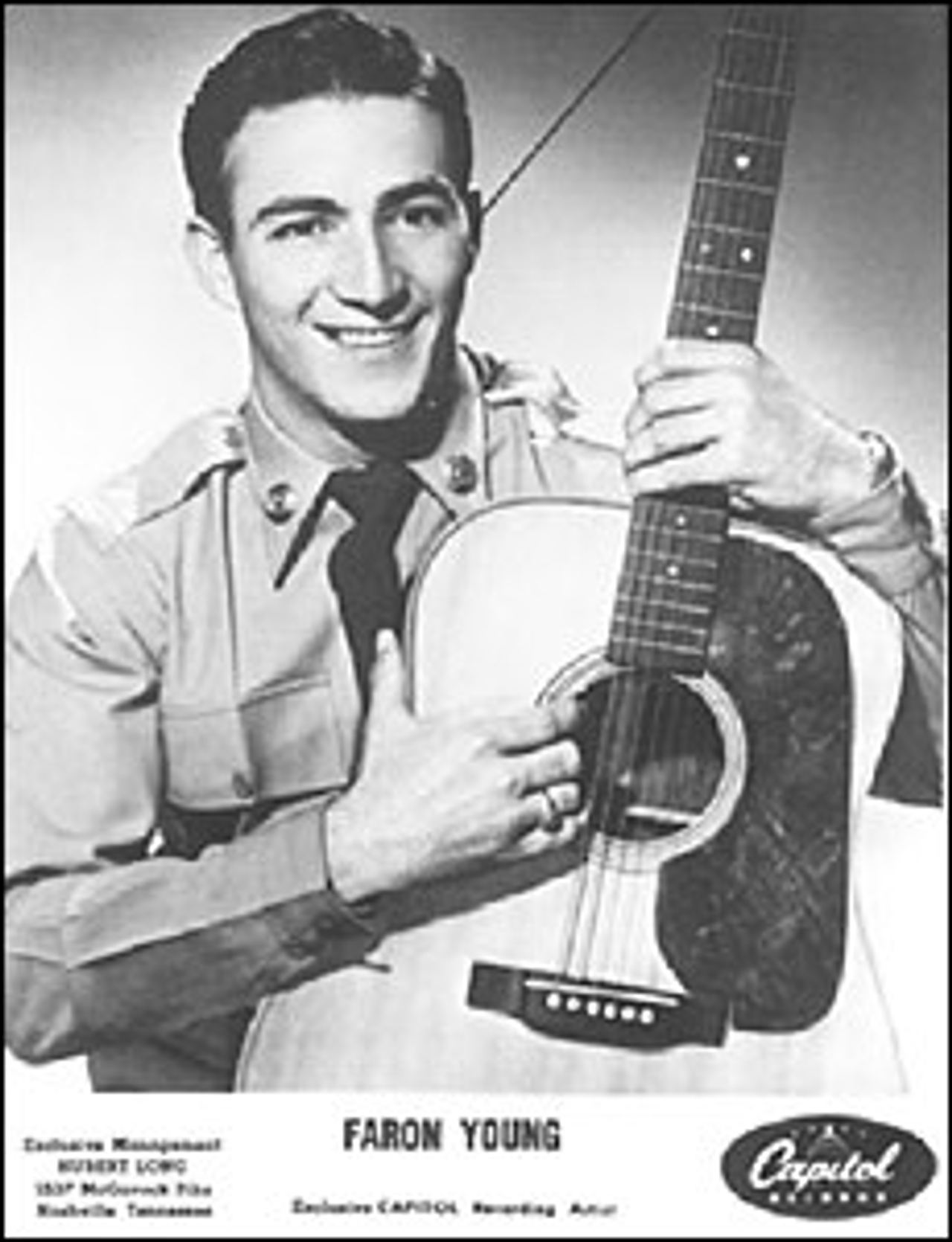
A song that sounded simple and changed the conversation
By 1961, country music was already full of heartbreak, but “Hello Walls” gave that familiar pain a new kind of polish. Faron Young’s recording took a lonely room, a wounded narrator, and a deceptively conversational lyric and turned them into something that could travel well beyond country radio. The song felt intimate and highly crafted at once, built on an idea so plain it was instantly memorable: a man so alone he starts addressing the walls around him.
That emotional directness mattered. Country had long excelled at plainspoken sorrow, yet “Hello Walls” arrived at a moment when smoother production and crossover ambition were reshaping the business. What made the record stand out was that it did not abandon country feeling in pursuit of broader appeal. Instead, it demonstrated that a country song could remain rooted in loneliness, wit, and storytelling while sounding accessible to listeners who might not have considered themselves country fans at all.
“Hello Walls” works because its central image is both lightly comic and deeply sad: the singer talks to the room because no one else is left to hear him.
Faron Young’s voice: warm, agile, and unmistakably human
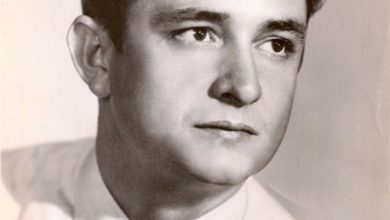
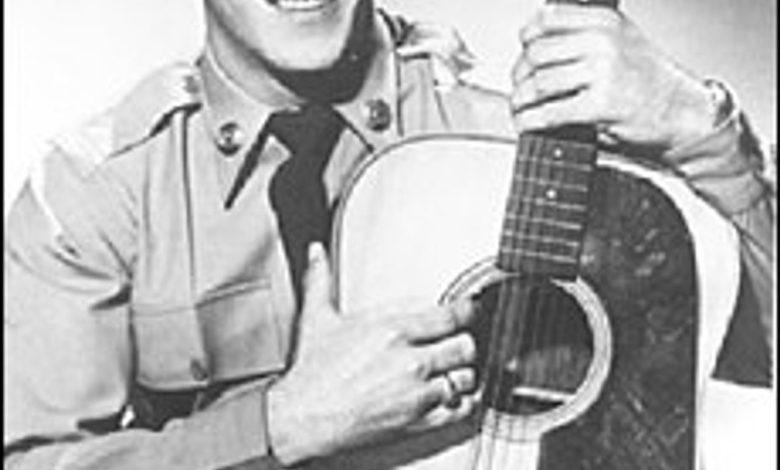
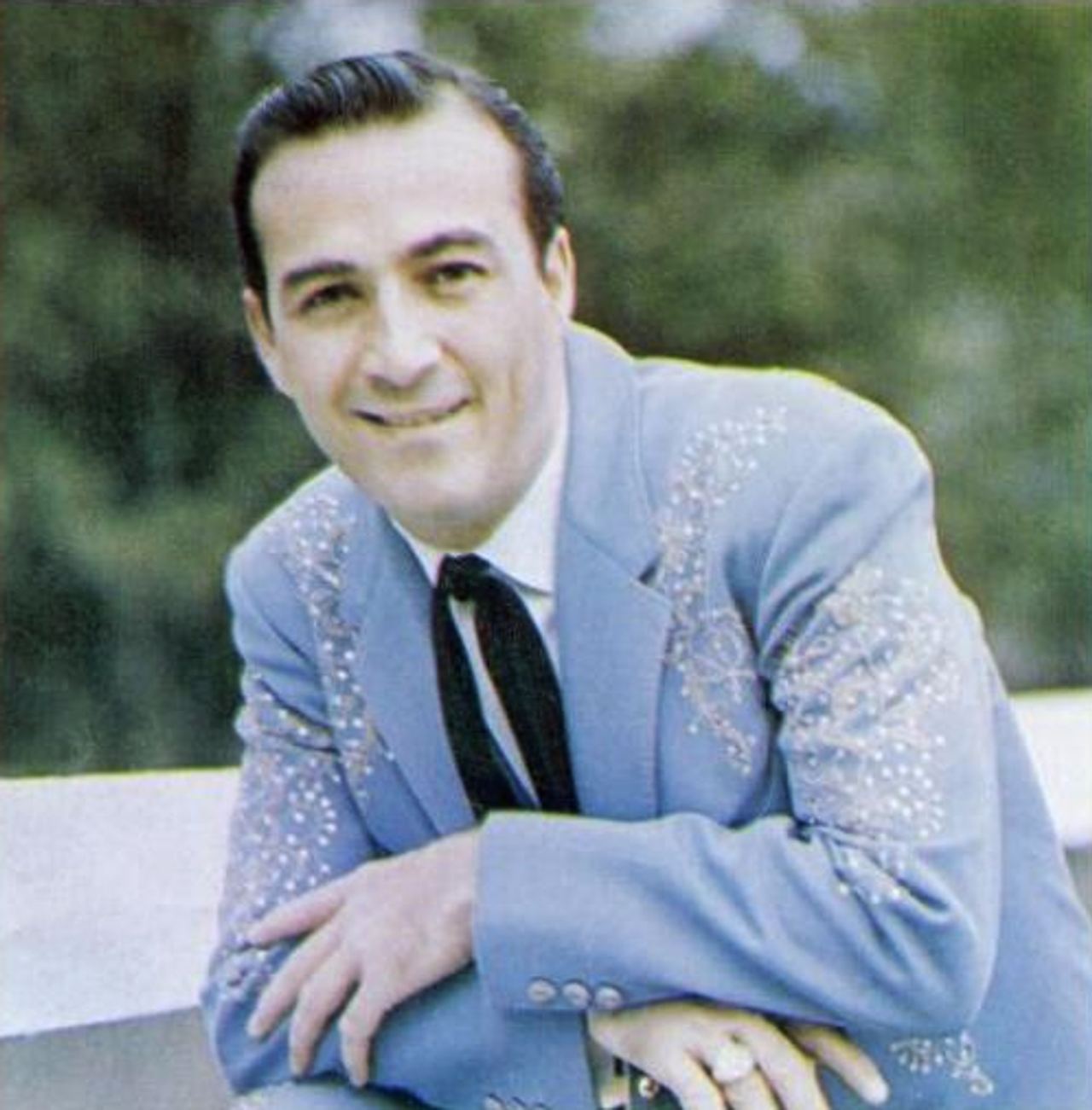
Faron Young had the kind of voice that could carry confidence and vulnerability in the same phrase. On “Hello Walls,” he avoids melodrama. He sounds wounded, yes, but also controlled, almost companionable, as if he has been sitting with his grief long enough to narrate it with a rueful half-smile. That balance is crucial to the song’s appeal. It invites sympathy without begging for it.
Young’s performance also helped define the record’s crossover strength. He sang with country phrasing, but there was a smoothness in the delivery that connected naturally with pop audiences of the early 1960s. The result was a performance that felt emotionally specific rather than regionally confined. Listeners did not need to know anything about country traditions to understand the scene he was setting; they only had to recognize solitude.
The songwriting hook that made loneliness unforgettable
A major reason “Hello Walls” endured is its concept. Great story songs often hinge on a single image that can be grasped in an instant, and this one has exactly that. The walls are not just part of the setting; they become companions, witnesses, and silent judges. The room closes in, but it also listens. That is a classic country move, turning everyday objects into emotional actors, and it gives the song a theatrical clarity that lingers long after it ends.
There is also craft in the song’s restraint. Instead of loading the lyric with elaborate detail, it lets repetition and address do the work. The effect is conversational rather than literary, which makes the sadness feel lived-in. The listener is not hearing a grand speech about loss but eavesdropping on a private coping mechanism. That intimacy helped the song cross formats without losing its sting.
Country-pop crossover before the term felt routine
Today, the blending of country and pop is so common it can seem inevitable. In 1961, it still carried the energy of a threshold being crossed. “Hello Walls” belongs to a period when Nashville was refining a smoother, more radio-friendly sound that could appeal to mainstream listeners while preserving country’s narrative core. The record’s arrangement and delivery made it feel less like a compromise than a translation—country emotion spoken in a language a wider market could immediately understand.
That is why the song matters beyond nostalgia. It helped prove that crossover success did not have to come from novelty or dilution. A country song could move outward simply by sharpening its melody, softening its edges, and trusting the universality of heartbreak. In that sense, “Hello Walls” stands as an early example of how country music expanded its commercial reach without surrendering the plain truths that made it powerful in the first place.
Emotional storytelling with a wink
One of the record’s most appealing qualities is its tonal complexity. “Hello Walls” is sad, but it is not heavy-handed. There is a faint smile inside the sorrow, a recognition that talking to your surroundings is both pitiable and absurd. That touch of humor keeps the song from collapsing under its own loneliness. It makes the narrator more believable, too. People in pain do not always speak in solemn declarations; often they drift into odd habits, small jokes, and ritualized conversations with empty space.
That blend of humor and hurt became one of the song’s lasting lessons. Emotional storytelling in popular music is often strongest when it allows contradictory feelings to coexist. “Hello Walls” understands that heartbreak can be theatrical and mundane, comic and devastating, all at once. The song’s emotional intelligence lies in refusing to separate those things.
Why “Hello Walls” still resonates
More than six decades later, the song remains easy to recognize because its premise is timeless. Everyone understands the strange intimacy of a room after a goodbye: the objects that suddenly seem too still, the silence that feels almost conversational, the impulse to fill emptiness with words. “Hello Walls” captures that sensation in a way that is specific enough to be vivid and broad enough to feel universal.
Its legacy also lives in the path it helped illuminate. The record showed that country storytelling could thrive in a more polished commercial environment and that crossover appeal did not have to flatten personality. For listeners revisiting 1961, the song offers more than period charm. It marks a pivotal moment when country music’s emotional candor met pop accessibility and discovered that the two could strengthen each other.
Quick Facts
- Song: “Hello Walls”
- Artist: Faron Young
- Year highlighted: 1961
- Theme: Heartbreak, loneliness, and talking to an empty room
- Significance: An early country-pop crossover touchstone
- Style: Emotional storytelling with polished accessibility
Image credits: Capitol Records / Wikimedia Commons / Public domain; Mercury Records / Wikimedia Commons / Public domain; Albert C. Gannaway / Wikimedia Commons / Public domain.