The Organ Line That Made 1967 Sound Like a Dream
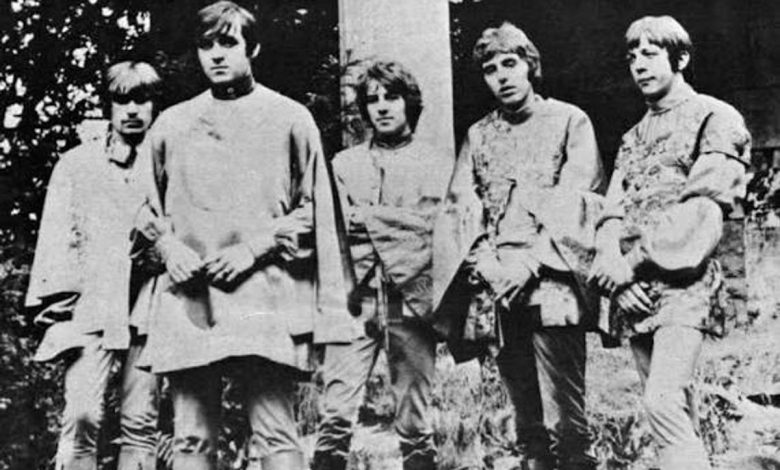
_PROCOL HARUM | 1967 | A WHITER SHADE OF PALE_
The first few seconds changed the room
In 1967, a record by a new British group began with a Hammond organ line that sounded as if it had drifted out of an old church, a Bach exercise and a late-night soul club at the same time. Then Gary Brooker’s voice entered, carrying Keith Reid’s strange images through a slow-moving harmonic world. ‘A Whiter Shade of Pale’ did not explain itself. That was part of its power. The organ felt familiar without being a direct quotation, the lyric felt meaningful without yielding a single clean interpretation, and the entire recording seemed suspended between classical music, R&B, psychedelia and pop. Instead of confusing the public, that mixture became a massive hit. The song reached No. 1 in Britain for six weeks and became one of the defining records of the Summer of Love.
A phrase before a story
Lyricist Keith Reid said the title came first. He had heard someone use the phrase ‘a whiter shade of pale,’ and it stayed with him. From there, he built images rather than a conventional plot. The words contain dancing, seasickness, a room that seems to change shape, playing cards, vestal virgins and a face turning pale. Reid later explained that he was trying to create a mood and a scene more than a straightforward narrative. That approach matched the moment. By 1967, pop lyrics were rapidly moving away from simple romantic declarations toward surrealism, literary reference and ambiguity. Yet Reid’s words never sound like an intellectual exercise pasted onto a song. Brooker’s melody gives them emotional gravity, allowing listeners to feel coherence even when the literal story remains elusive.
Bach as atmosphere, not imitation
The organ part has often been described simply as ‘Bach-inspired,’ which is more accurate than saying the song copied a specific Bach piece. Brooker himself explained that he had been trying to play music associated with Bach, got it wrong, and discovered a chord movement that led somewhere new. The descending bass motion and Baroque flavor became the harmonic atmosphere. Matthew Fisher’s Hammond organ then gave the record its most famous instrumental voice. The part moves with ceremonial calm, creating the sense that the song has existed much longer than 1967. At the same time, Brooker’s soul-influenced singing and the rhythm section keep the performance tied to contemporary popular music. That combination is why the record resists easy categorization. It is not classical rock, soul, psychedelic pop or blues alone. It is the tension among all of them.
Mystery became the hook
Most pop wisdom says a hit should communicate quickly. ‘A Whiter Shade of Pale’ communicated quickly, but not by being clear. The clarity was emotional rather than literal. Listeners could recognize melancholy, intoxication, distance and romantic collapse even if they could not diagram what every image meant. The organ establishes a solemn mood before the first line. Brooker’s vocal carries weariness and dignity. The lyric invites the listener to project a personal explanation into the gaps. That openness turned ambiguity into participation. Instead of solving the song, audiences lived inside it. The record’s mystery was therefore not an obstacle to popularity. It was one of the main reasons people kept returning.
An unlikely chart giant
The song’s success was immediate and enormous. In Britain it climbed to No. 1 and stayed there for six weeks. It also became a major international hit and reached the Top 5 in the United States. Contemporary reporting marveled that an unknown group had arrived with a song that seemed too slow, too long in feeling and too cryptic to fit ordinary expectations, only to become one of the year’s defining records. Procol Harum would go on to make ambitious music and build a lasting career, but nothing could reproduce the strange shock of that first single. The group had entered public consciousness with a piece that sounded as if it belonged to no obvious trend even while perfectly capturing the era’s appetite for expansion.
Why the organ matters more than explanation
Debates about the song’s meaning and musical sources have continued for decades. Courts even became involved in questions of authorship surrounding the organ contribution. Those controversies matter to history, but they can distract from the listener’s experience. Put the record on and the first thing that happens is still physical: the organ fills the space. Its long, curling line creates a mood before interpretation begins. This is why the song has survived changing fashions in psychedelic music. Many records from 1967 are inseparable from production effects that announce their period. ‘A Whiter Shade of Pale’ uses an older vocabulary – organ, descending bass, hymn-like harmony – to create something that still feels outside ordinary time.
The record that refuses to become fully familiar
Great old songs often become so familiar that listeners stop hearing them. This one resists that fate. The organ remains slightly uncanny. The words still contain corners that do not resolve. Brooker’s voice still sounds as if he is remembering something important but cannot quite explain it. That unresolved quality is precisely the legacy. Procol Harum made a record that listeners could recognize in seconds yet never completely decode. In an era famous for psychedelic excess, ‘A Whiter Shade of Pale’ achieved its dreamlike effect with restraint: a stately tempo, a haunting organ, a soulful singer and a lyric built from images. The result was not only distinctive in 1967. It remains one of the clearest examples of how mystery itself can become a pop hook.
The longer shadow
The song later became one of the most played and remembered British records of its era, used repeatedly in films, television and public commemorations. That ubiquity has not solved the lyric, which may be the greatest compliment possible. The record can be culturally familiar while still retaining private mystery. Every new listener inherits the same question that listeners had in 1967: what exactly is happening here, and why does it feel so important?
Listen again
The best way to understand the record is to return to the opening and notice how quickly its identity is established. The production does not need a long explanation before the central idea appears. Within seconds, the listener hears the sound that made the recording distinct in its own era and durable beyond it. That economy is one mark of classic pop craft: even when the backstory is rich, the record itself communicates before the history lesson begins.
The organ suggests history without becoming a lesson
The Bach influence matters because listeners can sense an older musical gravity even if they cannot identify a specific classical source. Matthew Fisher’s Hammond line moves with a stately inevitability, creating the impression that the melody has existed for centuries and has somehow resurfaced inside a 1967 pop record. Yet the organ is not presented as a museum quotation. Its tone is warm, slightly ghostly and deeply integrated with the rhythm section. That combination makes the track feel both ancient and modern. Psychedelia often pursued strangeness through studio effects and sonic overload; Procol Harum reached a similarly altered atmosphere by giving a familiar keyboard instrument an almost sacred role.
The lyric works because it never closes the door
Keith Reid’s images invite interpretation without rewarding any single explanation completely. That can be frustrating on the page, but in the recording it becomes an advantage. The listener catches fragments – a face, a room, a feeling of disorientation – and the organ supplies emotional continuity where narrative continuity is missing. Brooker’s singing makes the words sound consequential even when their literal connections remain uncertain. The song therefore behaves more like a remembered dream than a conventional story. Each return can reveal a new image while leaving the overall mystery intact. Few pop hits have made ambiguity feel so welcoming.
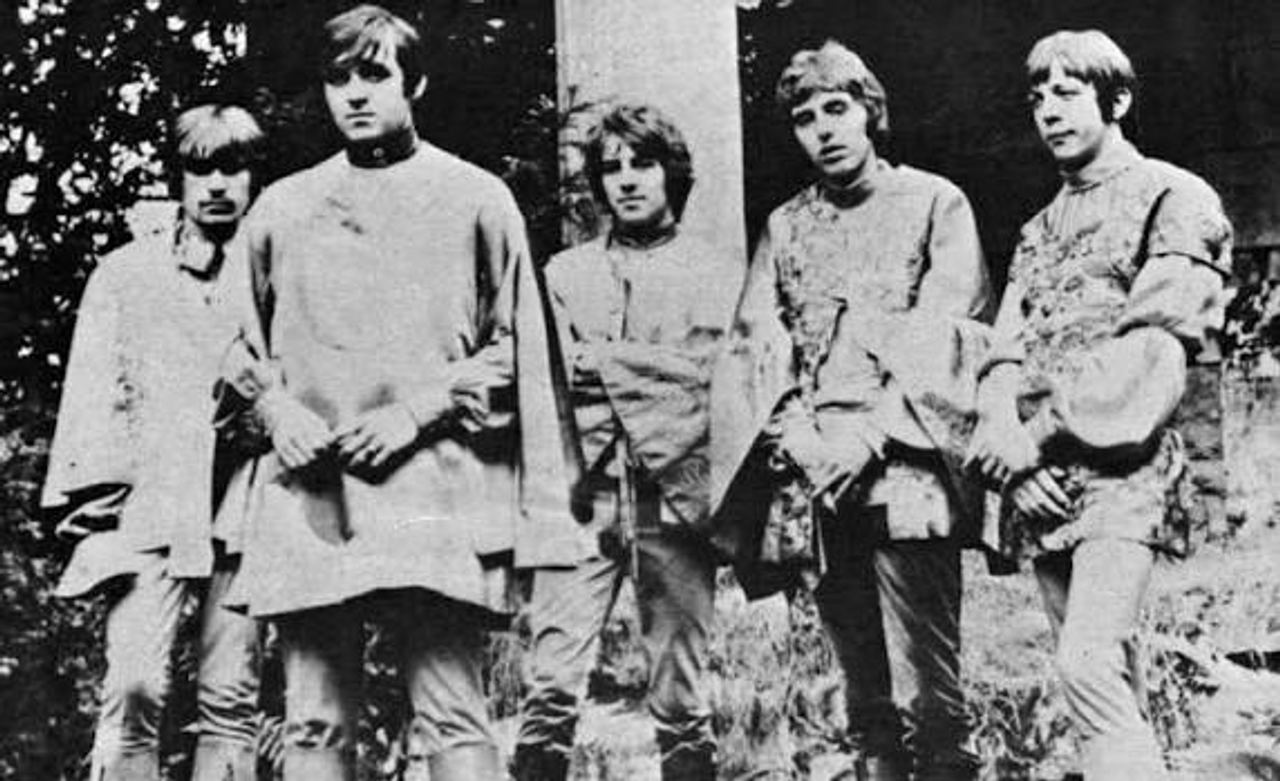
A psychedelic record built on restraint
The era around the song is remembered for bright colors, experimentation and expanding studio technology, but this recording is powerful partly because it refuses to crowd the listener. The tempo is measured. The rhythm section does not fight for attention. The vocal, organ and lyric occupy clear spaces. That restraint allows every unusual element to feel larger. When the organ turns or Brooker leans into a phrase, the effect is dramatic because the arrangement has not exhausted the ear beforehand. This is why the record can still sound dreamlike without sounding dated to one set of psychedelic production tricks. Its mystery is structural and emotional, not merely decorative.
The Organ Line That Made 1967 Sound Like a Dream
Let the record play again – first in the studio, then in performance:
[EMBED: [EMBED:
Continue reading
George Strait’s “Amarillo by Morning” Rides Into Country Music History as a Quiet Masterpiece in 1983-2 – StoryPulse
The Song That Quietly Became a Country Classic
When George Strait released “Amarillo by Morning” in 1983, it didn’t top the charts—but it became something far more lasting. With its gentle fiddle intro, steel guitar, and heartfelt storytelling, the song captured the loneliness and freedom of life on the road in a way few country songs ever had.
Strait’s calm, restrained vocal delivery gave the track an authenticity that stood out during an era filled with more polished, pop-driven country music. Rather than chasing trends, “Amarillo by Morning” embraced traditional country roots and reminded listeners of the power of simple, honest storytelling.
“It didn’t need flashy production—its emotion carried everything.”
Though it peaked at No. 4 on the country charts, the song became one of George Strait’s signature recordings and helped shape the rise of neotraditional country music in the 1980s. Decades later, it remains one of the most respected and beloved songs in the genre.
[EMBED:
The Beautiful Dream That Ended With a Shocking Truth
In 1965, Porter Wagoner recorded a song that seemed to be about returning home. A man steps off a train, sees his parents and his sweetheart, and walks through the familiar green grass of his childhood.
But the beautiful reunion is only a dream.
In the final moments, he wakes to the reality of a prison cell. He is a condemned man, waiting for his execution at dawn.
Written by Curly Putman, the song was recorded by Wagoner on June 7, 1965, at RCA Studio B in Nashville. His version reached No. 4 on the country chart, making it one of his notable hits of the year.
What makes the song unforgettable is the twist: everything warm and nostalgic in the opening suddenly becomes heartbreaking. The green grass is no longer simply a symbol of home—it becomes the final place the prisoner hopes to return to.
That contrast is why the song has endured. Beneath its gentle country melody is a story about regret, memory, and a final goodbye.
[EMBED:
One of the Greatest Songs Ever Recorded in Music History… – Today’s Story!
What made that moment so powerful wasn’t just the song itself—it was the way Jim Reeves delivered it, as if he understood that sometimes the quietest emotions carry the deepest weight.
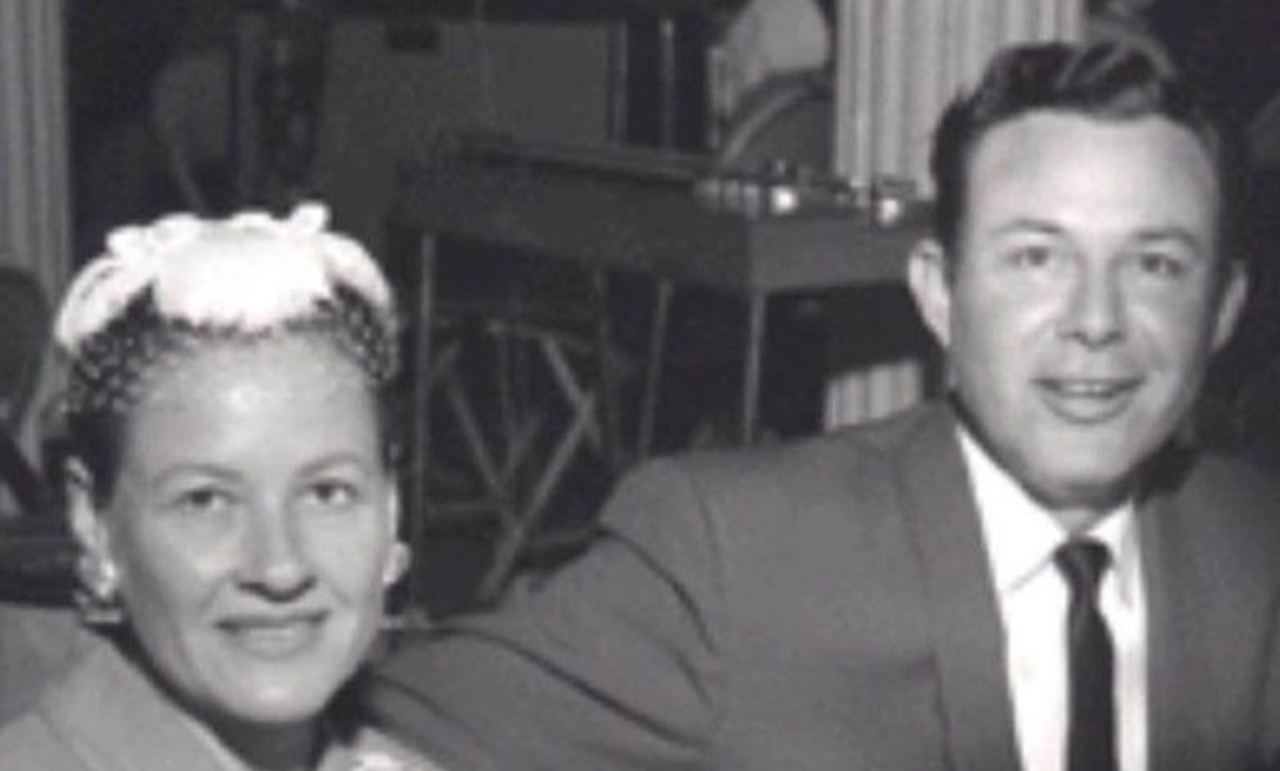
When “He’ll Have to Go” arrived in 1960, it didn’t crash into the charts with noise or spectacle. It slipped in gently, almost like a private conversation overheard by millions—and somehow, that made it impossible to ignore. With his smooth, controlled voice, Reeves transformed a simple late-night phone call into something intimate and unforgettable.
He had always been different. While many country artists leaned into grit or rawness, Reeves carried a calm, polished presence that earned him the nickname “Gentleman Jim.” Before music fully claimed him, he worked in radio, and that background shaped the way he understood sound—not as something to dominate, but something to guide. By the time this song came along, he was already respected. But this… this was something else.
The story behind the song feels almost too real to be written. It came from a moment overheard by Joe Allison—a man at a bar, speaking into a phone, trying to hold onto someone slipping away. That single line, “Put your sweet lips a little closer to the phone,” carried a vulnerability that didn’t need embellishment. It was human in the most immediate way.
When Reeves recorded it, he didn’t try to dramatize the pain. Instead, he trusted restraint. Under the careful production of Chet Atkins, the arrangement stayed minimal, almost delicate. The instruments stepped back, allowing the voice to lead—and that voice did exactly what it needed to do: it pulled listeners closer, as if they were the ones on the other end of the line.
[EMBED:
The response was immediate and far-reaching. The song climbed to the top of the country charts and crossed into the pop world, reaching number two—a rare feat at the time. It proved something many hadn’t fully believed yet: country music could step into the mainstream without losing its soul.
But its impact went beyond charts. “He’ll Have to Go” became one of the defining pieces of what would later be called the Nashville Sound—a smoother, more refined blend of country and pop that reshaped the industry. It opened doors for artists who didn’t want to choose between emotional authenticity and wider appeal.
Many tried to revisit that magic. Elvis Presley and Ry Cooder were among those who recorded their own versions, each bringing something new. But Reeves’ original remained untouched in a deeper sense—because it wasn’t just about the notes or the words. It was about the stillness between them, the space where feeling lives.
His influence didn’t stay contained within one era or one genre. Artists like Shania Twain, Taylor Swift, and Keith Urban would later walk a path that Reeves helped quietly clear—blending styles, reaching broader audiences, and proving that country music could be both personal and universal.
His life, however, ended far too soon. In 1964, at just 40 years old, Reeves died in a plane crash—a sudden loss that left a sense of something unfinished. And yet, in a way, nothing essential was lost. Because songs like “He’ll Have to Go” don’t fade. They linger. They wait. They find new listeners who hear them not as relics, but as something strangely current.
[EMBED:
Even now, decades later, the song feels immediate. The longing in it hasn’t aged. The simplicity hasn’t weakened. If anything, it feels even more rare in a world that often mistakes volume for depth.
That’s what made Jim Reeves unforgettable.
He didn’t need to raise his voice to be heard.
He just needed to be honest—and let the silence do the rest.
Read more stories
KSI Freaks Out as a Britain’s Got Talent Performance Pushes the Limits
The McCoys’ “Hang On Sloopy” Rockets to No. 1 and Grows into Ohio’s Unofficial Anthem in 1965
Jackie DeShannon’s Timeless Classic “What the World Needs Now Is Love” Still Uplifts and Inspires Generations
Released in 1971, this heartbreaking ballad changed how people heard breakup songs forever… because it wasn’t about anger or betrayal, but the quiet moment two people realize love is already gone.
3 minutes read
Share
X
Telegram
Other posts
Jul 27, 2026
Tammy Wynette’s “Stand By Your Man” Shakes the Foundations of Country Music and Becomes a…
Aug 20, 2026
The Heartbreaking Story Behind “I Will Always Love You” — The Farewell That Became One of…
May 30, 2026
Stone Poneys’ “Different Drum” Hits Its Stride in 1967: A Defining Breakthrough for Folk-R…
Jul 26, 2026
The Box Tops’ “The Letter” Captures Lightning in a Bottle and Redefines Blue-Eyed Soul in…
Jun 07, 2026
The Song That Made Frankie Valli a Solo Superstar
Jun 26, 2026
The Teen Idol Who Descended From Heaven in Grease
Jun 03, 2026
The Rejected Song That Became Bobby Vinton's First No. 1
Aug 08, 2026
The Teen Love Song That Became Paul Anka's Biggest Hit of 1960
Read more stories
- Dolly Parton received a 100 million dollar philanthropic award in late 2022, and she immediately put every penny to work for working families.
- Crockpot Chicken and Noodles
- My Husband's Friends Have Called Me 'Butter' for Years – I Finally Asked What It Meant, and Everyone Stopped Laughing
- Peter Cullen, 85, the Voice Behind Optimus Prime, Dies — His Brother’s 6 Words That Shaped the Iconic Role