At 15, Peggy March Turned “I Will Follow Him” Into a Pop Milestone
A teenage voice at the center of a pop sensation
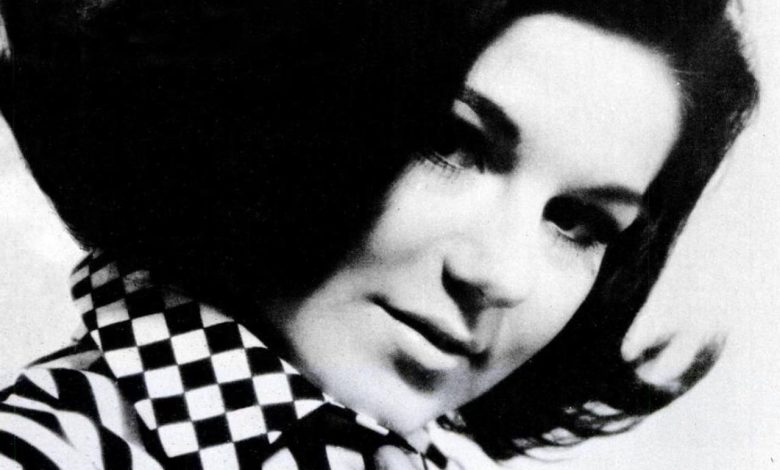
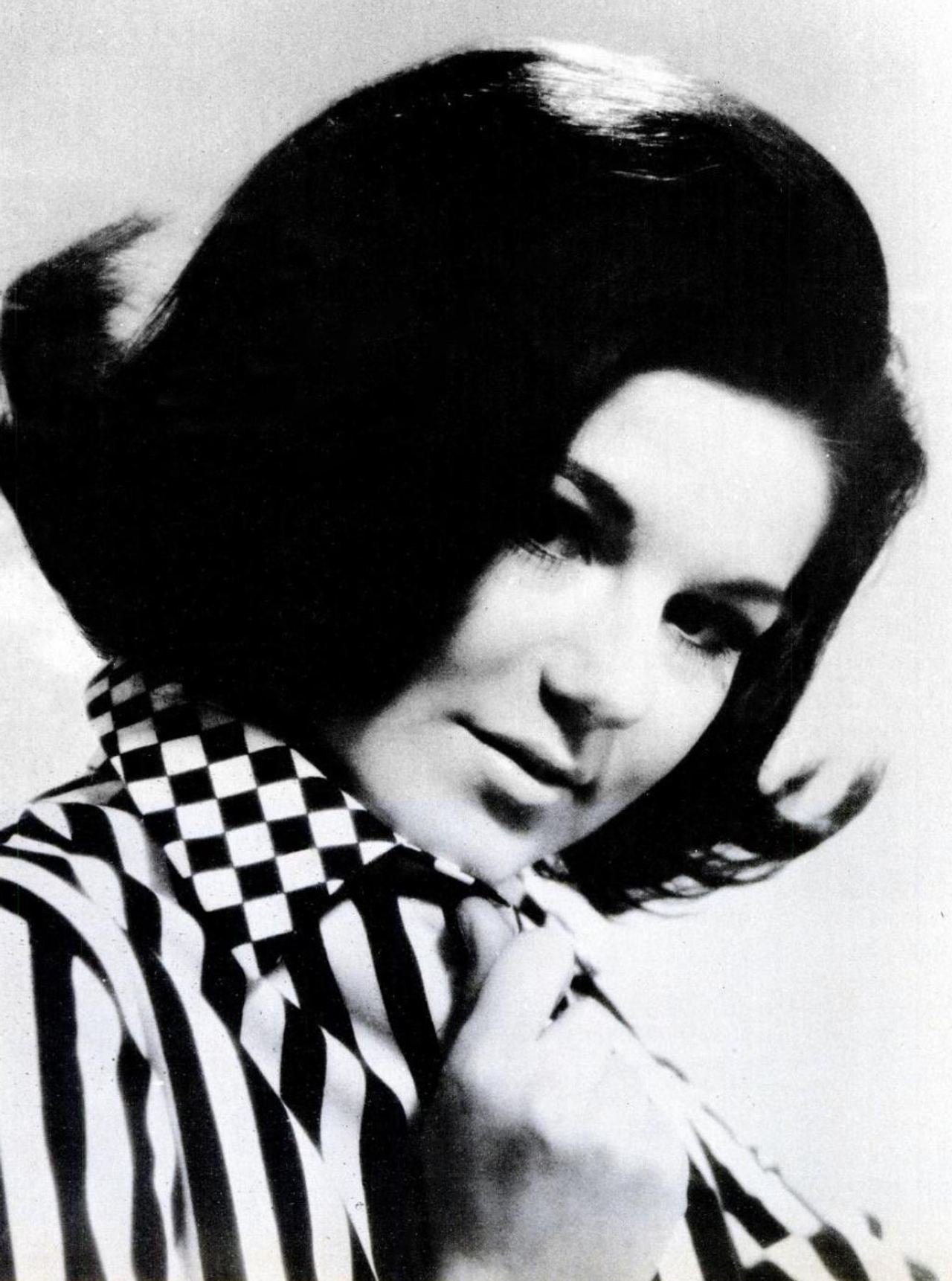
In 1963, Peggy March was just 15 years old when she recorded the song that would define her name for generations: “I Will Follow Him.” Her performance sounded deceptively light — buoyant, polished and full of youthful confidence — but its impact was enormous. The record became one of those rare pop singles that feels instantly familiar even decades later, driven by a melody that seems to move forward almost on its own.
What made the recording so striking was the contrast at its heart. March’s voice had the clean, earnest quality of a teenager, yet the song itself carried a dramatic sense of pursuit and devotion. That tension helped make the record memorable: it was innocent on the surface, but musically bold enough to stand out in a crowded pop era.
The genius of “I Will Follow Him” is how effortless it sounds. Behind that simplicity is a melody that had already traveled across borders before it ever became an American teen hit.
Before Peggy March, the melody had a life in Europe
The path to “I Will Follow Him” did not begin in an American recording studio. Its roots lay in Europe, where French musicians Franck Pourcel and Paul Mauriat created an instrumental piece known as “Chariot.” Even without English lyrics, the tune already had what pop producers are always looking for: momentum, elegance and a hook strong enough to survive different arrangements.
The melody continued its journey when Petula Clark recorded a French-language vocal version. That earlier incarnation revealed how adaptable the composition was. It could work as an instrumental, as a continental pop song and, eventually, as something else entirely — a transatlantic hit remade for a young American singer.
How “Chariot” became “I Will Follow Him”
By the time Peggy March recorded the song, the material had been reshaped for a new audience. The English-language version transformed the European melody into a compact, highly commercial pop single. What had originated as a sophisticated instrumental and then a French vocal recording became, in March’s hands, a direct and emotionally immediate declaration.
That transformation is part of what makes the song historically interesting. It was not simply a cover in the ordinary sense. It was an example of how melodies traveled in the early 1960s, crossing languages, markets and styles. The final hit version retained the sweep of the original tune while sharpening it into something radio-ready and unforgettable.
Why the record connected so powerfully
“I Will Follow Him” works because nearly every element is immediately graspable. The melody rises with purpose, the beat keeps things moving and the chorus lands with total clarity. Listeners do not need to study it to understand it; the song announces itself in seconds. That accessibility made it perfect for a young singer whose appeal rested on freshness rather than complexity.
But there is also discipline in the record’s construction. Its bright surface hides careful pop engineering — a gradual build, emotional insistence and just enough drama to make the central promise feel absolute. Peggy March delivered all of that without sounding heavy-handed. She sang it with a clean directness that kept the song from becoming overly theatrical.
A defining moment in early-1960s pop
For Peggy March, “I Will Follow Him” was not merely a successful single; it became the song most closely associated with her career. That can be both a gift and a burden for any artist. One song can eclipse everything else, but it can also secure a permanent place in music history. In March’s case, the song did exactly that.
Its endurance says something important about early-1960s pop. This was a period when a strong melody could travel internationally, be reinterpreted for a new market and become a cultural landmark through the right voice at the right moment. March, still in her teens, happened to be that voice.
The long afterlife of an unforgettable melody
Part of the song’s continuing appeal is that it contains several histories at once. It is a Peggy March signature. It is also a European melody with French origins, a record shaped by adaptation and an example of the international exchange that has always fueled popular music. Listeners may first remember the chorus, but behind it is a story about how songs evolve as they move from one performer to another.
That layered history gives “I Will Follow Him” more depth than its breezy first impression suggests. What sounds like a simple teenage pop record turns out to be the end point of a much longer journey — one that began with continental composers, passed through French pop and reached a new peak when a 15-year-old singer delivered it with irresistible conviction.
Quick Facts
- Song: “I Will Follow Him”
- Singer: Peggy March
- Peggy March’s age at release: 15
- Year highlighted: 1963
- Earlier title of the melody: “Chariot”
- Associated earlier artists: Franck Pourcel, Paul Mauriat, Petula Clark
Image credits: RCA Victor / Wikimedia Commons / Public domain; Mieremet, Rob / Anefo / Wikimedia Commons / CC BY-SA 3.0 nl; Anefo / Wikimedia Commons / CC0.