How “California Girls” Helped Turn a State Into a Dream
A Pop Song That Felt Like Postcard Weather
In 1965, The Beach Boys released “California Girls,” a song built from a few bright, instantly legible ideas: sun, surf, youth, beauty, ease. It sounded effortless, but its cultural effect was anything but small. At a moment when popular music was rapidly changing, the record offered listeners a fantasy of place so vivid that it could be grasped even by people who had never set foot on the West Coast.
The song’s premise was straightforward. Its power came from how completely it packaged a mood. California was not presented as a complicated state of industries, cities, farms, highways, and inequalities. It arrived as a feeling—warm, open, flirtatious, and glowing with possibility. For millions of listeners, that image was enough. The state became less a geography than a promise.
With “California Girls,” California stopped being just a place on the map and became a portable daydream.
The Mid-1960s Were Ready for a New Myth
By the middle of the 1960s, American pop culture was moving fast. The British Invasion had disrupted familiar patterns, radio was crowded with new sounds, and young audiences were looking for identities to try on. In that atmosphere, regional style could become national fantasy almost overnight. The Beach Boys had already established a musical world filled with cars, surfing, harmonies, and adolescent freedom. “California Girls” sharpened that world into one of the decade’s most durable symbols.
Part of the song’s timing was crucial. Postwar America had already been fed a steady diet of Western expansion, suburban aspiration, and television sunshine. California sat at the meeting point of all three. It suggested mobility, reinvention, and escape from older, grayer parts of the country. The Beach Boys did not invent those associations, but they gave them a melody people could hum.
Selling a Landscape Most Listeners Had Never Seen
What made the song especially potent was distance. For many people hearing it on radios far from the Pacific, California was largely imaginary. They knew it through movies, magazines, television, and advertisement more than firsthand experience. “California Girls” fit neatly into that media-made landscape, reinforcing a vision of the state as a place where beauty and leisure seemed natural, even automatic.
That is how pop songs can work at their most influential. They compress an entire region into a few sensory cues: sunlight on skin, ocean air, open roads, the company of attractive strangers. The details are selective, but that selectiveness is the point. A successful myth leaves out almost everything that might break the spell. In this case, the spell was persuasive enough that listeners began dreaming of a California assembled from chorus lines and harmonies.
The Beach Boys and the Architecture of the California Image
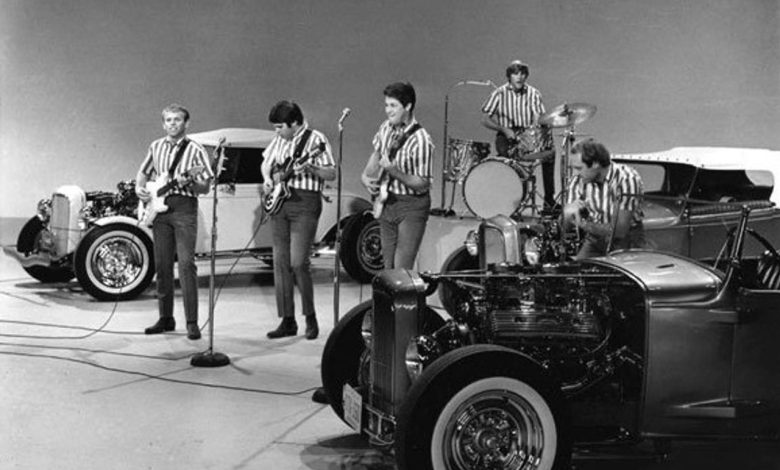
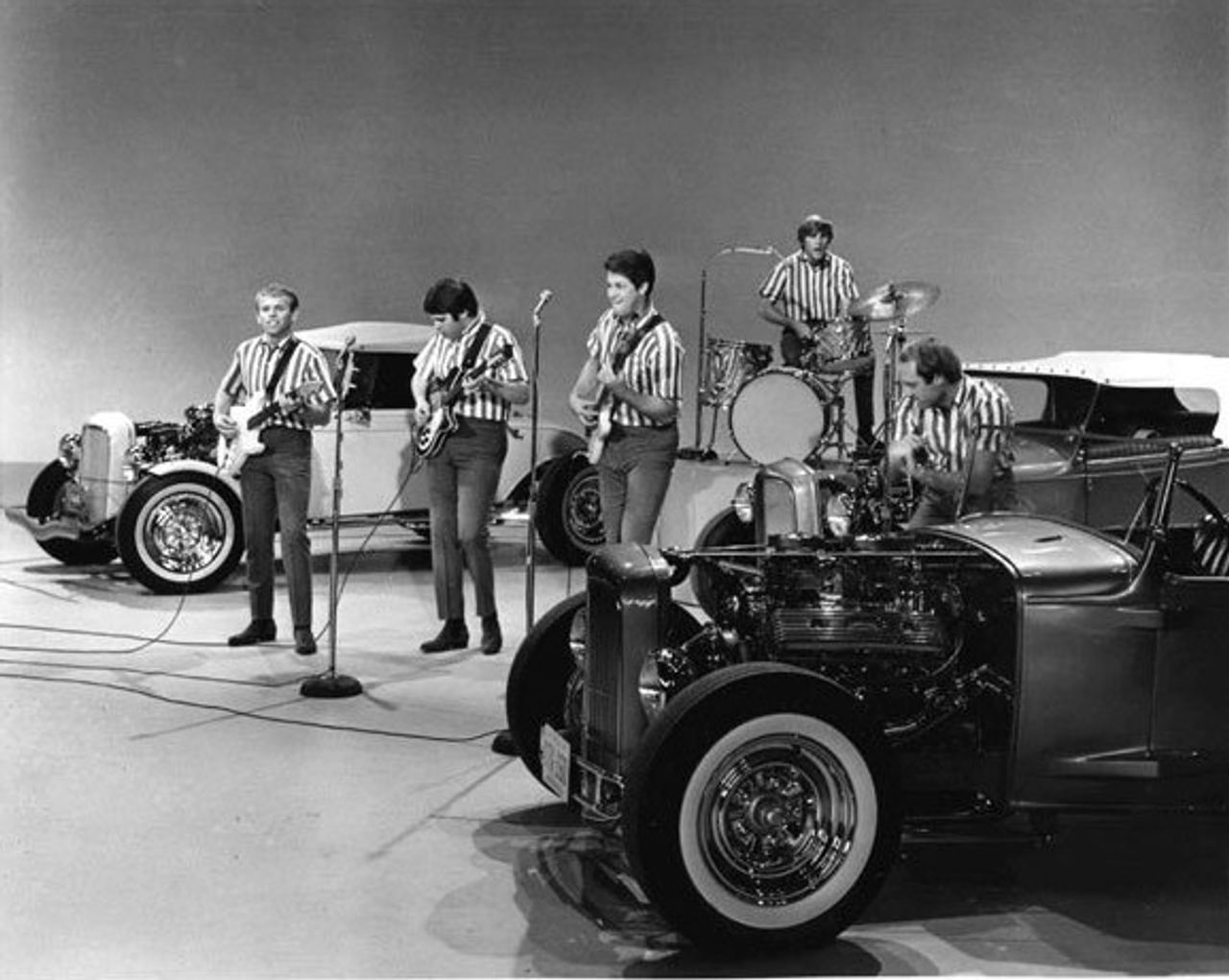
The Beach Boys were uniquely positioned to do this kind of cultural work. Their music had already become deeply associated with Southern California, even when it trafficked in idealization. They were not simply making songs set in a location; they were helping build a recognizable aesthetic. Their records linked the state with clean melodic pleasure, adolescent energy, and a vision of outdoor abundance that felt endlessly renewable.
“California Girls” distilled that aesthetic into one of their signature statements. The song did not need sociological complexity to be effective. It needed confidence, atmosphere, and a catchy emotional shorthand. In doing so, it helped define a version of California that would long outlive the single itself: a place of tanned ease, glamour without stiffness, and happiness that looked deceptively simple.
From Hit Record to Cultural Blueprint
Once fixed in popular culture, the California dream proved remarkably portable. It could be reused by tourism campaigns, fashion photography, teen films, television, and later generations of musicians who inherited the same iconography of beach life and West Coast freedom. The song became part of a larger feedback loop: media sold California as fantasy, people moved west or vacationed there, and their stories in turn reinforced the fantasy.
Of course, the real California has always been more layered than the version celebrated in pop. It contains contradiction as much as sunshine. Yet myths endure not because they are complete, but because they are emotionally efficient. “California Girls” offered an image of life stripped of burden and full of invitation. That image was powerful enough to travel across states, across oceans, and across decades.
Why the Dream Still Matters
The endurance of “California Girls” says something larger about how modern identity is shaped. People often fall in love first with a place they know only through culture. A song, a film, a photograph, a television rerun—these become introductions not just to destinations, but to possible selves. California, in this sense, was one of the 20th century’s greatest acts of branding, and The Beach Boys were among its most gifted storytellers.
That is why the song still resonates. Even now, it evokes more than nostalgia for a mid-1960s summer. It recalls the moment a three-minute pop single helped persuade millions that somewhere beyond their own neighborhoods there existed a brighter way of living. Whether or not that place was real in the form they imagined, the dream itself became real enough to change culture.

Quick Facts
- Song: “California Girls”
- Artist: The Beach Boys
- Released: 1965
- Core theme: California as sunshine-filled youth fantasy
- Cultural impact: Helped popularize an idealized image of the West Coast
Image credits: Unknown authorUnknown author / Wikimedia Commons / Public domain; Louise Palanker / Wikimedia Commons / CC BY-SA 2.0; William Fitz-Patrick / Wikimedia Commons / Public domain.