Cass Elliot Finished Her Greatest London Triumph—Then Never Woke Up
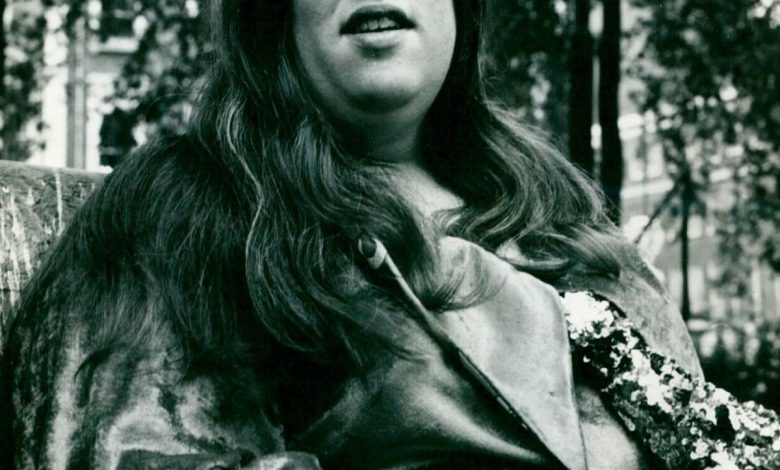
The final Palladium performances that proved Cass Elliot had rebuilt her career just days before her death.
Cass Elliot. Photo: Unknown author Unknown author. Public domain.
London offered a second verdict
Cass Elliot arrived in London in July 1974 with something to prove. Her first major Las Vegas engagement years earlier had opened disastrously after crash dieting and inadequate rehearsal left her physically depleted. She had rebuilt herself as a solo entertainer through television, touring and persistence, but the old failure still followed her.
At the London Palladium, she received the response she had wanted. The engagement demonstrated that she could command a prestigious stage beyond the protective identity of The Mamas & the Papas.
Calls home carried relief
After the shows, Elliot contacted people close to her and spoke with excitement about the reviews and ovations. The satisfaction mattered because it was professional, not merely nostalgic. She was moving away from the Mama Cass label she disliked and presenting herself as Cass Elliot: singer, comic presence and complete solo performer.
The success also answered years of commentary that had treated her body as more newsworthy than her craft. Onstage, the argument was settled by the audience.
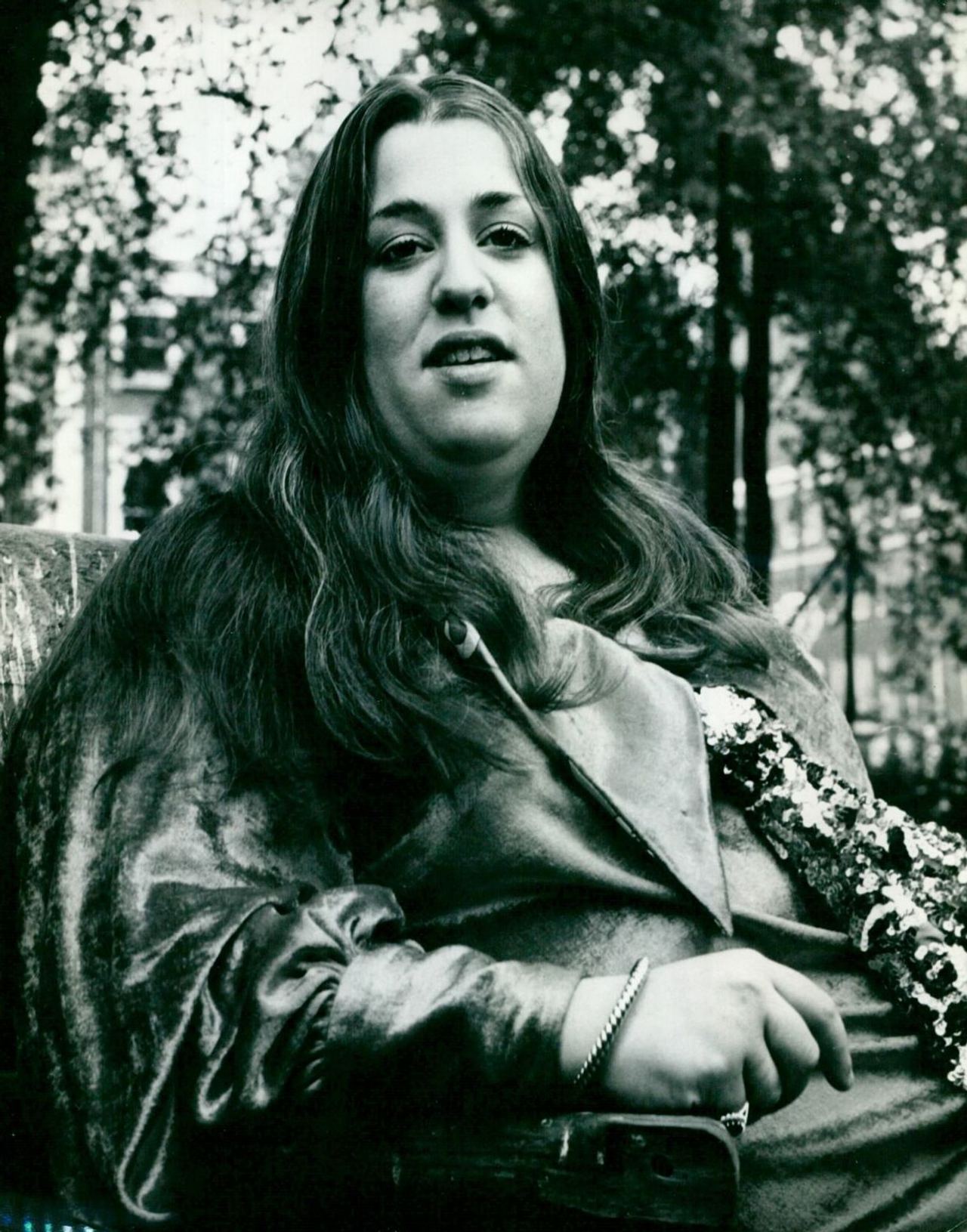
Cass Elliot. Photo: Unknown author Unknown author. Public domain.
The morning that froze the story
On July 29, Elliot was found dead in the London apartment where she was staying. She was 32. The pathologist determined that she had suffered heart failure; no drugs were found in her system, and she had not choked on food. A false sandwich story nevertheless overwhelmed the truth for decades.
Remembering the Palladium changes the frame of her final days. They were not a punch line or a collapse after failure. They were the culmination of a hard-won comeback. Cass Elliot died immediately after receiving evidence that the solo career she had fought to build was real. The tragedy lies in how much possibility remained, not in the myth that tried to define her ending.
Why the story still matters
The Palladium ovations deserve to stand beside her famous studio recordings. They preserve the most truthful final image available: an artist hearing a demanding audience confirm that she had finally arrived on her own terms.
Continue reading
He Never Lived to See His Biggest Hit—But Otis Redding’s Voice Still Takes Us Back

By the time his biggest hit reached the world, the man singing it was already gone.
That fact changes the way we hear Otis Redding. But it should not be the only thing we hear.
Behind the tragedy is a voice that can still make a quiet moment feel full: the weariness in a phrase, the warmth beneath it, and the sense that someone understands what it means to stop moving without feeling settled.
There is a particular reason to return to that voice this September.
September 9, 2026 marks what would have been Redding’s eighty-fifth birthday. Macon-Bibb County has announced a ceremony for that date to dedicate portions of Cotton Avenue and Mulberry Street Lane as Otis Redding Way.
It is a public tribute in the city where he grew up. For listeners elsewhere, another kind of remembrance is much closer: press play.
Otis Redding in a Stax Records publicity portrait catalogued as 1967. Via Wikimedia Commons; listed as public domain in the United States.
The song is (Sittin’ On) The Dock of the Bay.
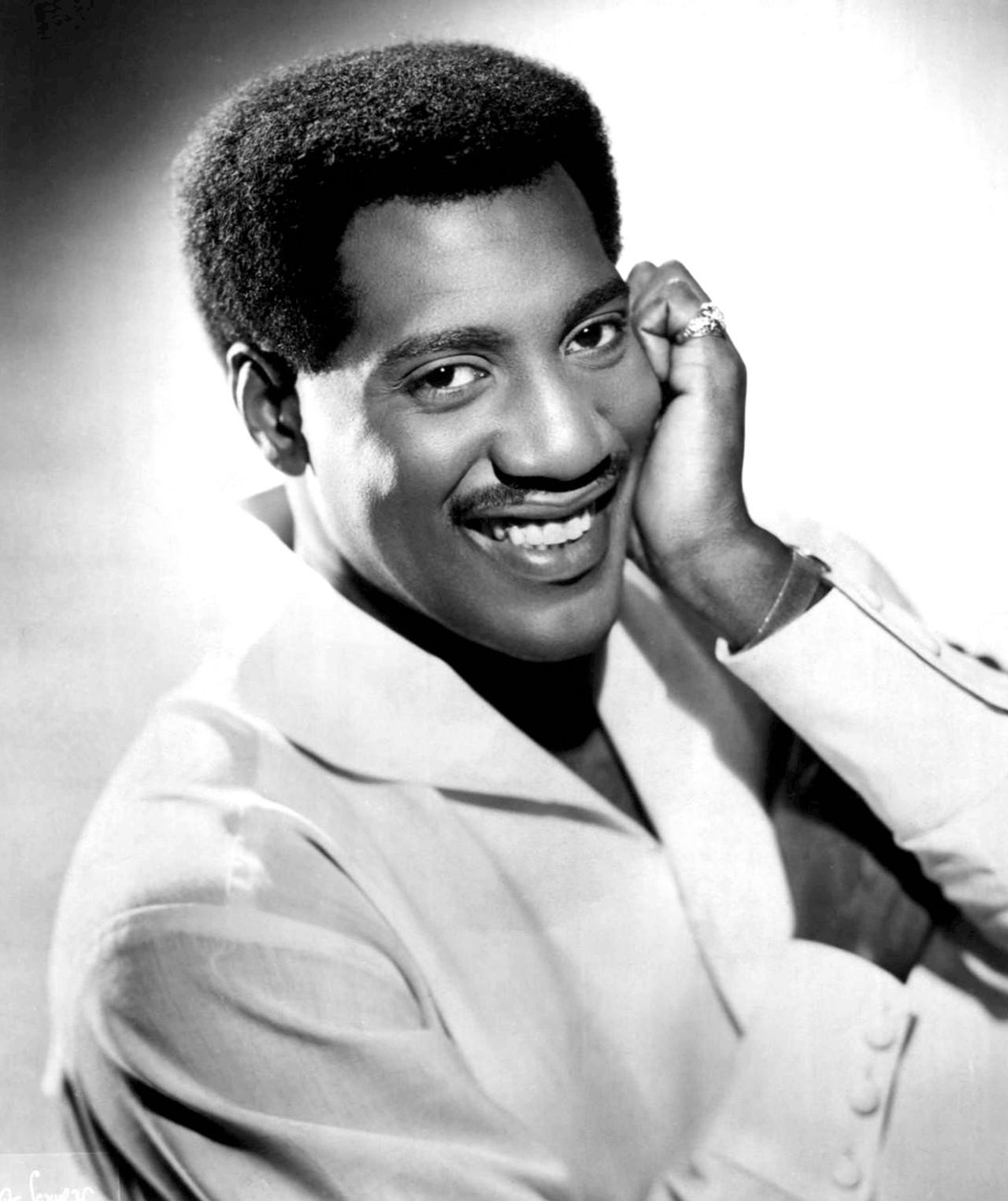
Redding began developing it after spending time beside the water in Sausalito, California. Back in Memphis, he worked with guitarist Steve Cropper to complete the composition.
The recording sessions came in November and December 1967. This was an artist exploring a quieter direction, not a man knowingly recording a farewell.
Then, on December 10, Redding died in a plane crash. He was twenty-six.
The single was released on January 8, 1968. It went on to reach number one on both the American pop and R&B charts, a milestone he did not live to see.
Yet the record does not need that history to make its loneliness recognizable.
Listen to the space around his voice. The guitar does not hurry him toward a grand conclusion. The rhythm continues while the singer seems suspended between somewhere he has left and somewhere he has not found.
For anyone who has sat alone after a long day, unsure what to do next, that feeling may be more familiar than the setting.
A different portrait of Redding, published in a Volt Records advertisement in January 1967. Via Wikimedia Commons; listed as public domain in the United States. This is not a photograph of the later recording session.
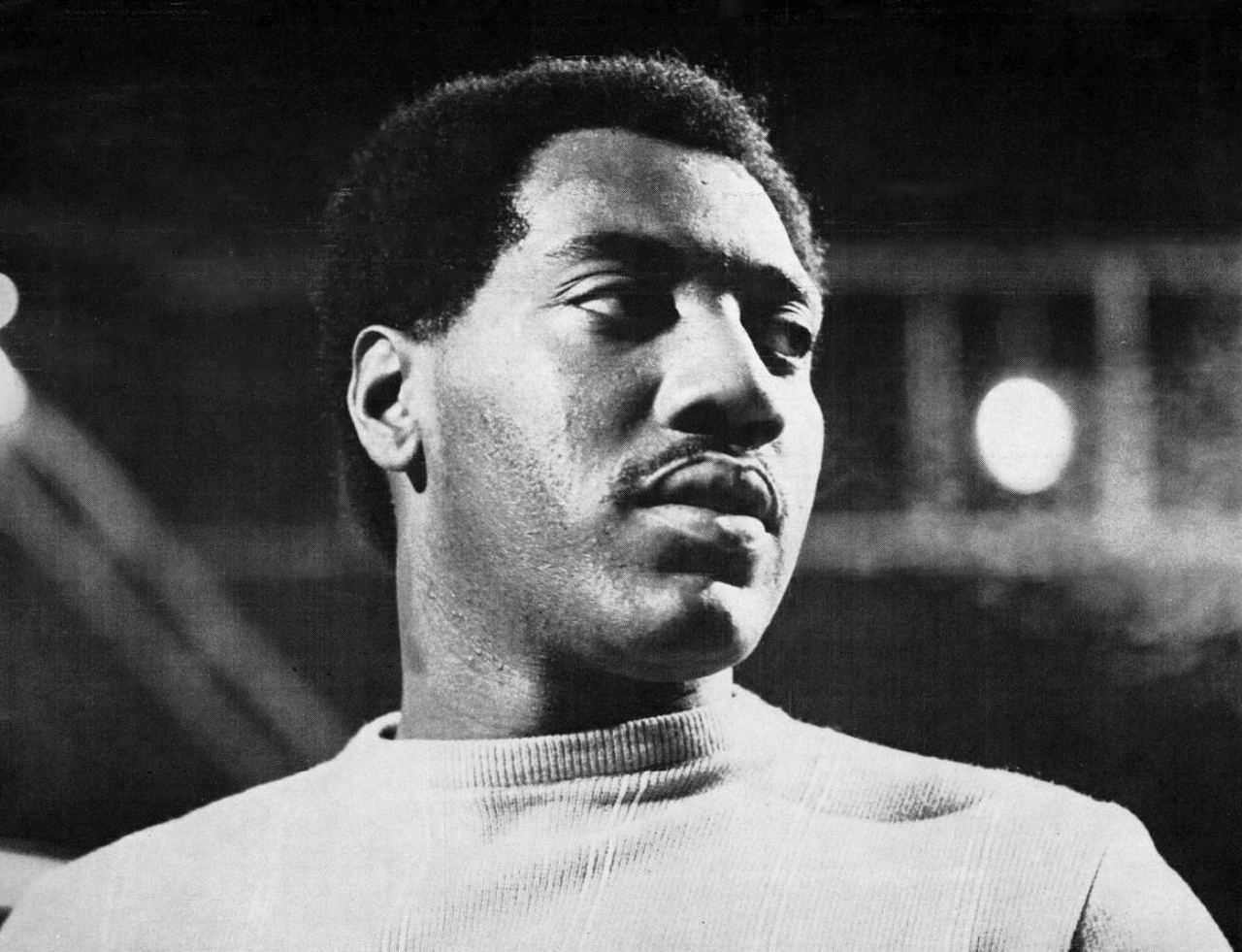
And then comes the whistle.
After so much feeling carried in words, the ending lets a simple tune remain. You do not have to interpret it as a goodbye. It can sound like a person keeping himself company.
Perhaps that is why returning to this recording feels different from reading an anniversary date. A date tells us how far away someone is. A voice can briefly make that distance disappear.
The planned street dedication will give Redding’s name a lasting place in Macon. His music offers something more personal: a few minutes in which a listener can meet him again.
Listen to (Sittin’ On) The Dock of the Bay below, in the official music video shared by Rhino. This presents the recording, not a live performance of the song by Redding.
Stay for the whistle. Let the voice, rather than the anniversary, have the last word.
The Night 60 Million Watched Elvis—and Heard the Tender Voice Behind the Controversy
The argument was about how he moved. The surprise was how gently he could sing.

By the time Elvis Presley appeared on The Ed Sullivan Show, his reputation had arrived ahead of him. The young singer’s performances had become a source of excitement for fans and anxiety for people who thought television should be protecting them from him.
Then, in the middle of that extraordinary attention, he sang a love song.
No furious rhythm. No need to force the moment. Just a melody that gave a very different part of his voice room to be heard.
Elvis onstage in Miami, August 3, 1956, a month before his Sullivan debut. Photo: Don Wright, via Wikimedia Commons; listed as public domain in the United States.
The date was September 9, 1956. The broadcast drew an estimated 60 million viewers. September 9, 2026 marks seventy years since that first Sullivan appearance.
The song was Love Me Tender.
It is easy to hear the title now and skip straight to familiarity. But try watching the young man in the surviving performance before thinking about everything his name would eventually mean.
The melody gives him very little to hide behind. He does not need a large vocal flourish to make a phrase feel affectionate. The attraction is in the ease of the delivery: a public performance that can still feel surprisingly personal.
For listeners who know Elvis chiefly through the louder records, this is another way into his music. The same singer could create excitement by pushing a rhythm forward, then hold attention by letting a quieter phrase settle.
There was another unexpected detail about the evening.
Ed Sullivan was not there.
Recovering from a car accident, he had handed hosting duties to actor Charles Laughton. Elvis was also away from the program’s New York home, performing from Los Angeles while working on his first film.
And this was not Elvis’s first appearance on television. What made the occasion remarkable was the platform and the scale of the audience, not the discovery of an unknown singer.
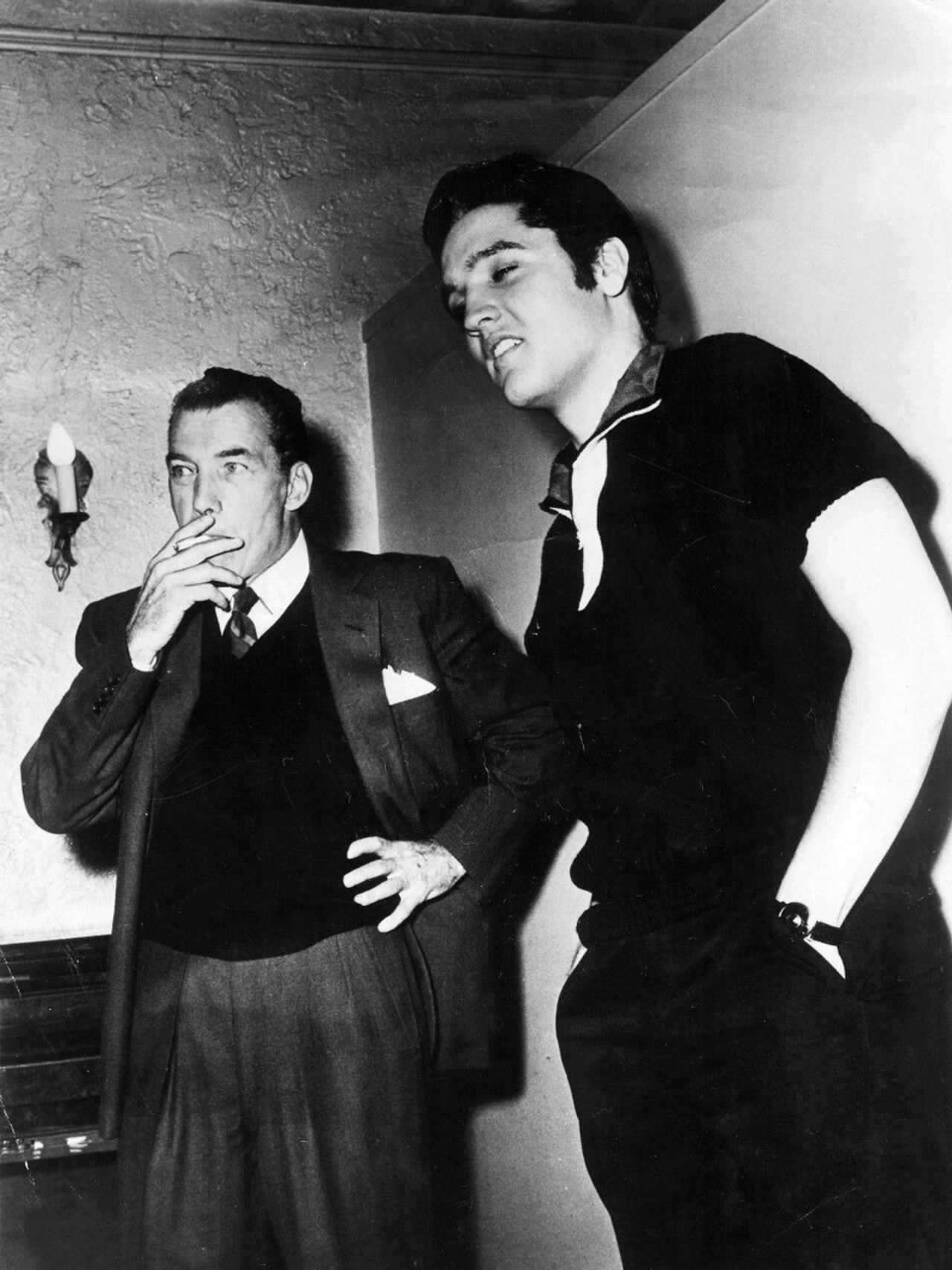
Elvis with Ed Sullivan in October 1956, after the September debut. CBS publicity photograph, via Wikimedia Commons; listed as public domain in the United States.
History also records the extraordinary demand for Love Me Tender: advance orders reached a million before its public release.
Yet the numbers are not the best reason to return to it.
For a listener today, the tenderness offers something the headlines cannot. You can know every argument about Elvis and still be caught by the way a simple melody lets his voice come close.
Seventy years is a long time in television history. It feels much shorter when the song begins.
Watch Elvis sing Love Me Tender on September 9, 1956, below. This is the performance from that evening, shared by the official Ed Sullivan Show channel.
Listen past the legend for a moment. The young voice is still there.
Read more stories
- My Husband Moved My 70-Year-Old Mom to an Air Mattress in the Basement While She Was Staying with Us During Chemo Because He Said, ‘I’m the Man of the House’ – So I Taught Him a Lesson He’d Never Forget
- Buddy Holly wore thick black glasses and held a sunburst Fender Stratocaster, proving that a skinny kid from Texas could reshape American music without looking like a movie star.
- My Husband and I Took Our Daughter on the Trip She Had Dreamed Of – On Our Last Day, the Manager Stopped Me and Whispered, ‘There’s One Thing About the Trip That Your Husband Never Told You’
- My Daughter Wasn’t Paid for Her Summer Job at the Local Ice Cream Truck – How She Handled It Made Me Realize I’d Raised Her Right