The Bitter End: Dolly Parton, Porter Wagoner, and the Lawsuit
When Dolly Parton Joined Porter Wagoner’s World
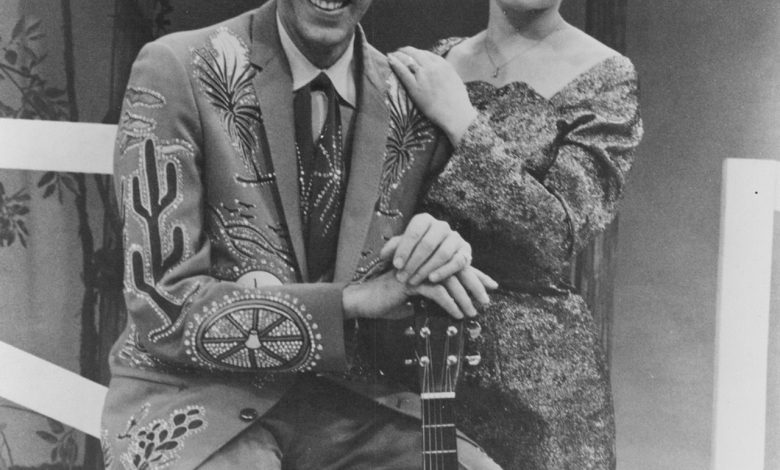
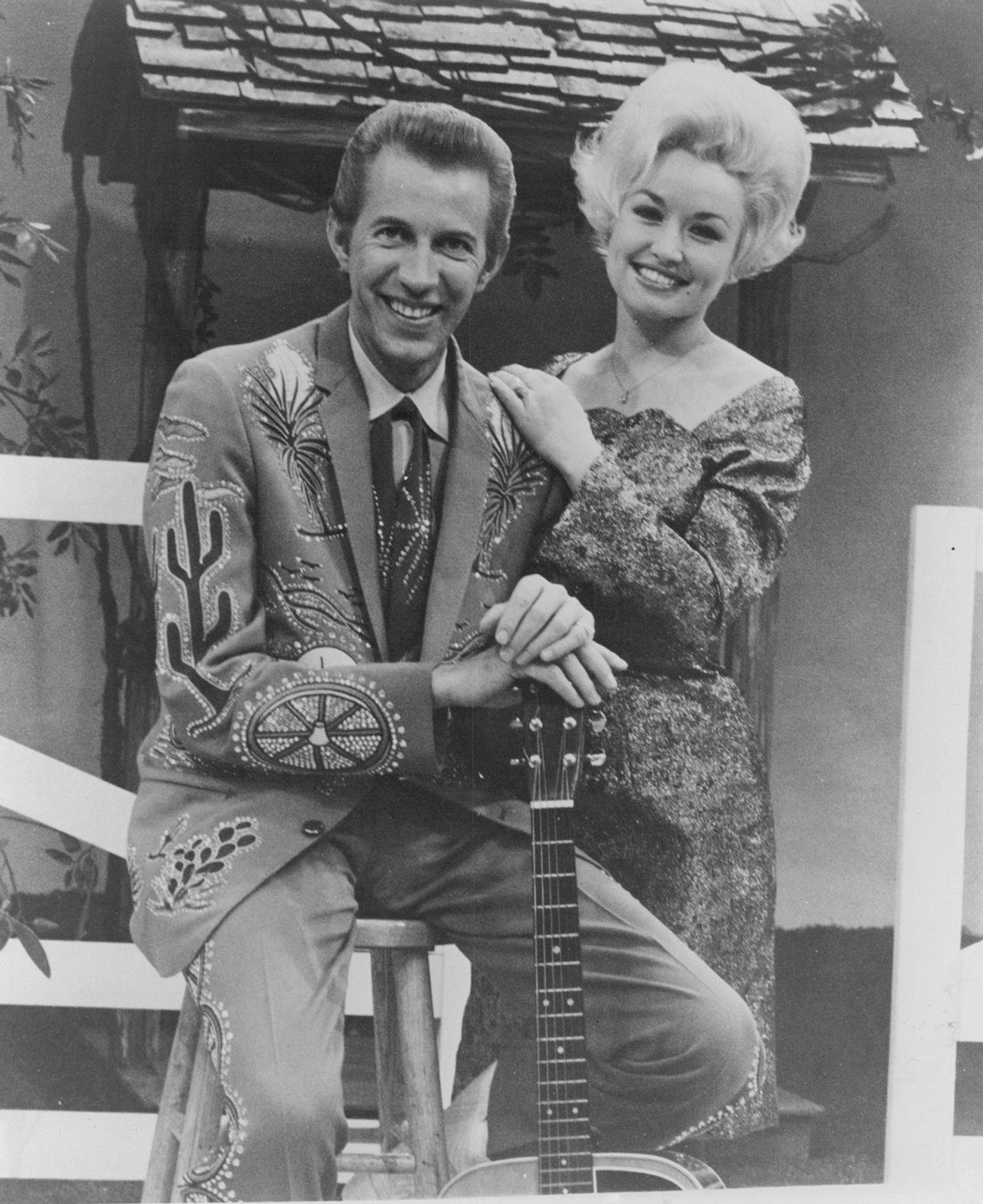
In 1967, Dolly Parton entered The Porter Wagoner Show as a young singer-songwriter with a bright voice, sharp instincts, and a style that was already unmistakably her own. Porter Wagoner was by then a major force in country music, a polished television personality and recording star with a loyal audience. Bringing Parton onto his show gave her national exposure, but it also placed her inside a tightly structured professional machine built around Wagoner’s name.
For viewers, the pairing clicked quickly. Wagoner’s theatrical presentation and Parton’s warmth, wit, and emotional clarity made for compelling television. Onstage and on record, they created the impression of effortless harmony. Behind that success, though, was a more complicated arrangement: one artist already established, another rapidly outgrowing the role she had been hired to play.
A Partnership That Helped Shape Country Music
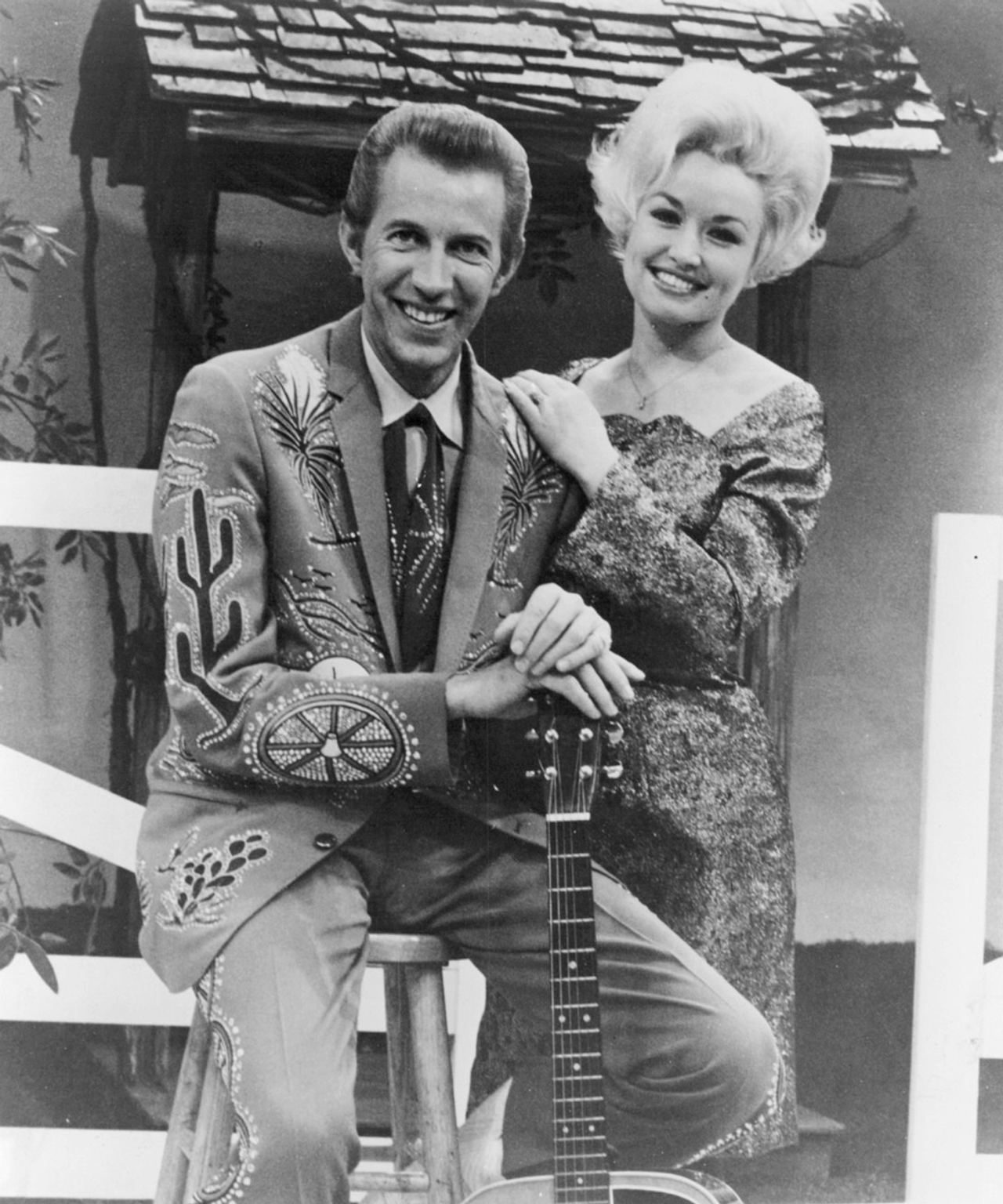
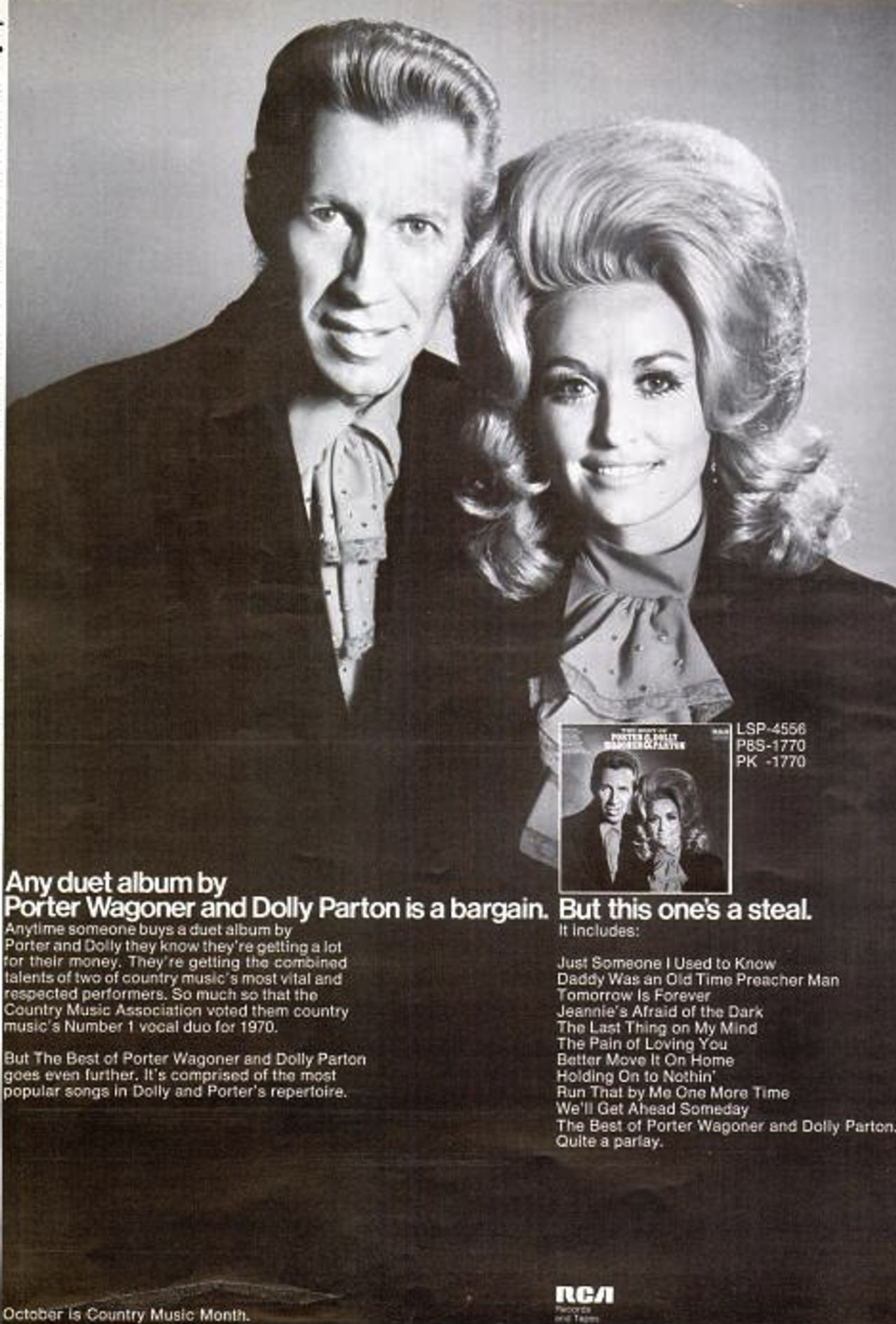
The collaboration between Parton and Wagoner became one of the most recognizable duos in country music. Their appearances together helped introduce Parton to a broad mainstream audience, while their duets carried a chemistry that felt both traditional and fresh. She was not simply a featured singer; she was a writer, stylist, and emerging star whose songs and presence increasingly drew attention in their own right.
That success contained the seeds of future conflict. The more popular Parton became, the clearer it was that she had ambitions beyond being the female counterpart on someone else’s program. Country music has long celebrated loyalty and apprenticeship, but it also rewards individuality. Parton’s gift was too large to remain permanently secondary, and she knew it.
Their musical chemistry was undeniable, but chemistry onstage is not always enough to contain two powerful careers.
Why Dolly Parton Wanted to Leave
By the early 1970s, Parton was moving toward a solo career with increasing confidence. She had the songs, the voice, and the instincts to stand on her own. Leaving Wagoner’s show was not just a professional adjustment; it was a declaration of independence. For Parton, the decision meant risking the support system that had helped launch her. For Wagoner, it meant watching a protégé become a rival attraction.
The emotional stakes were high because the relationship was both personal and businesslike. Wagoner had invested in her career and believed in her talent. Parton was grateful for that support, but gratitude did not erase her determination. In country music, departures are rarely only about contracts. They are also about pride, ownership, and who gets credit for making a star.
The Lawsuit and the Fallout
When the split turned legal, the warm public image of the partnership gave way to a harsher reality. Wagoner sued Parton after she left his show, a clash that made plain how bitter the separation had become. The lawsuit was about business, but to fans it also felt like a rupture in a story they had watched unfold in living rooms across America.
For Parton, the dispute was one more obstacle in a career already defined by persistence. For Wagoner, it was a fight over professional loss and broken expectations. Legal battles can reduce complicated human relationships to claims and counterclaims, but this one carried an especially sharp sting because it followed years of shared success. The same partnership that had elevated them both now had to be untangled in public.
A Song, a Goodbye, and a Long Memory
One of the most enduring details from this chapter of Parton’s life is the way she transformed pain into art. Her farewell to Wagoner has often been linked to one of her most famous songs, a reminder that endings in country music are often narrated not in courtrooms alone but in melody and lyric. That ability to convert private turmoil into something universal became one of Parton’s greatest strengths.
The conflict did not erase what they had accomplished together. If anything, it sharpened the story’s emotional contours: mentor and student, partner and breakout star, loyalty and self-determination. Fans remember the bitterness, but they also remember the music, the television appearances, and the sense that they were witnessing a crucial turning point in modern country history.
How the Story Endures
Today, the Parton-Wagoner split remains compelling because it captures a familiar drama in the entertainment world: the moment when a rising talent insists on becoming fully herself. Parton went on to build one of the most durable careers in American music, while Wagoner’s role in her ascent remains an inseparable part of the story. Their conflict is remembered not simply as scandal, but as the painful price of artistic transition.
It is also a reminder that country music’s most polished narratives often conceal hard negotiations over power, money, and identity. The public saw rhinestones, harmonies, and smiles. Beneath that surface was a struggle over authorship and autonomy. That is why the story still resonates: it is not just about a lawsuit, but about what happens when gratitude meets ambition and neither side is willing to surrender its version of the truth.
Quick Facts
- Key figures: Dolly Parton and Porter Wagoner
- Partnership began: 1967 on The Porter Wagoner Show
- Core conflict: Parton’s decision to leave and pursue a solo career
- Public fallout: A lawsuit followed the split
- Why it matters: It marked a pivotal turning point in Parton’s rise as an independent star
Image credits: Moeller Talent, Inc. Nashville (management) / Wikimedia Commons / Public domain; Moeller Talent, Inc. Nashville (management) / Wikimedia Commons / Public domain; RCA Victor / Wikimedia Commons / Public domain.