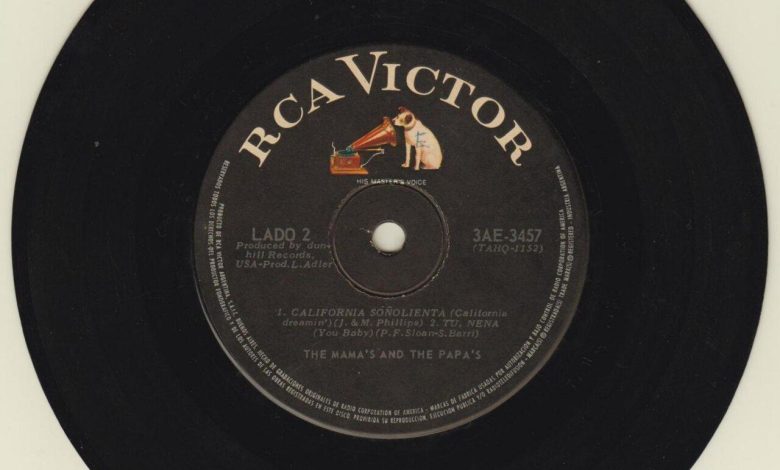
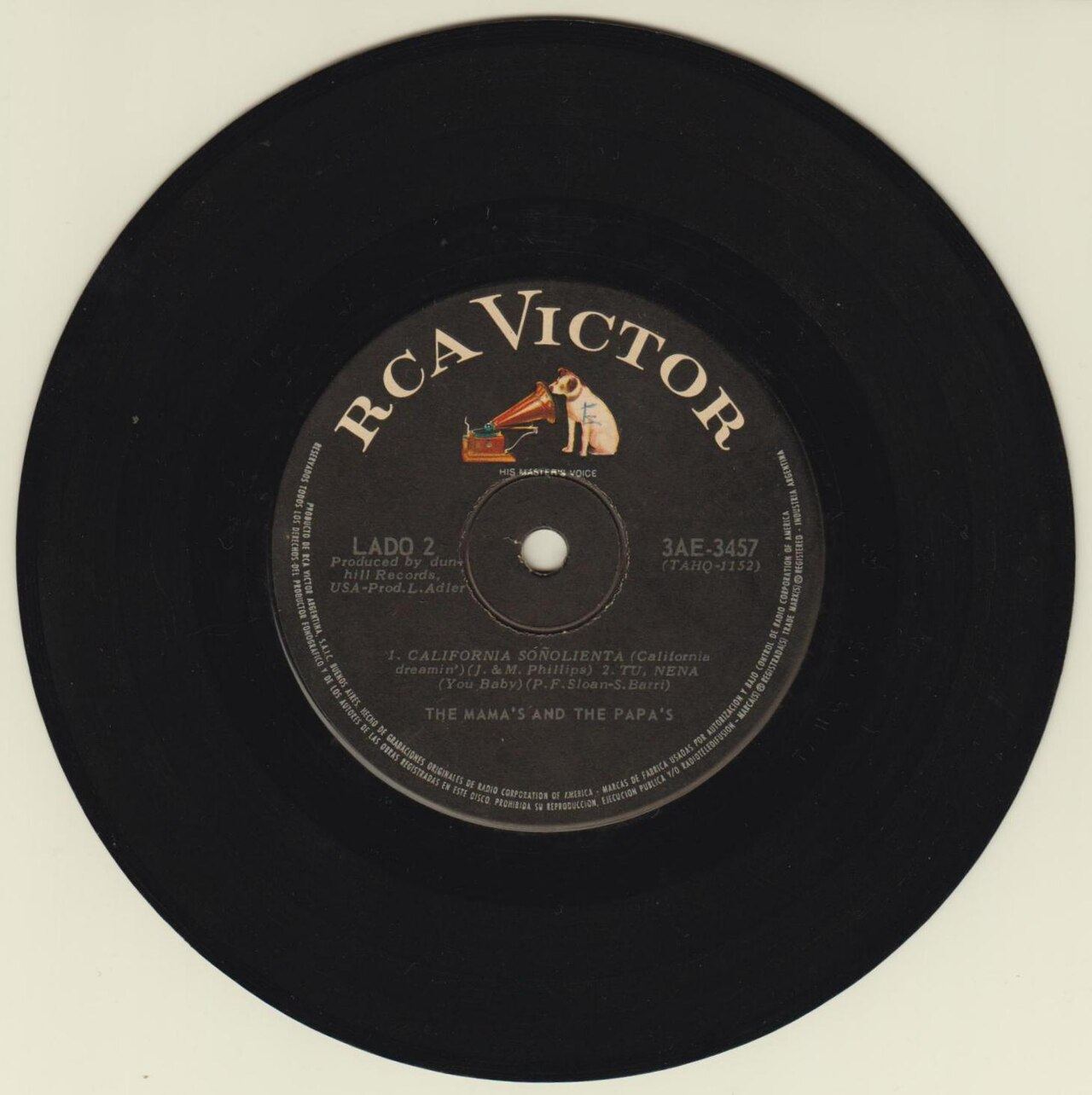
Chasing Sunshine: The Timeless Longing of “California Dreamin’” by The Mamas & The Papas
A song born from weather, distance, and desire
In the early 1960s, John and Michelle Phillips were living in New York, surrounded by the speed and grayness of the city as winter tightened its grip. For Michelle, who had grown up in California, the season was more than a passing inconvenience. It sharpened a sense of displacement, turning memory into craving: warmth, brightness, open skies, and the easy mythology of the West Coast.
That emotional contrast became the spark for “California Dreamin’.” John Phillips, moved by Michelle’s homesickness, began shaping lines that captured not just a wish to travel, but the emotional weather of longing itself. The genius of the song lies in that simple premise: the cold is literal, but the dream is larger than climate. It is about wanting to be elsewhere, and believing that elsewhere might restore something missing.
All the leaves are brown, and the sky is gray — few opening lines have framed longing so instantly or so completely.
From the New Journeymen to a defining vocal group
At the time, John and Michelle were part of the New Journeymen, a folk outfit that reflected the era’s shifting musical landscape. American pop was changing fast, and so were the musicians moving through its clubs, coffeehouses, and studios. The Phillipses were not standing still; they were evolving toward a richer, more layered sound.
That evolution would help give rise to The Mamas & The Papas, the group with which “California Dreamin’” became indelibly associated. Their harmony style was central to the song’s power. It did not merely tell a story of yearning; it surrounded that feeling with voices that sounded intimate and expansive at once, like a private thought suddenly becoming communal.
Why “California Dreamin’” feels cinematic
Part of the song’s enduring appeal is the vividness of its imagery. Brown leaves. Gray sky. A winter’s day. A walk. A stop at a church. These are ordinary details, but arranged with such precision that they feel almost filmic. The listener does not need a full biography of the song’s writers to understand the mood; the scene does the work instantly.
That clarity gives the song unusual elasticity. It belongs to a specific moment in American music, yet it is never trapped there. Anyone who has felt stuck in one place while imagining another can enter it. The California of the lyric is both real and symbolic: beaches and sun, yes, but also release, reinvention, and emotional rescue.
The California myth at the heart of the song
“California Dreamin’” arrived at a time when California already held enormous imaginative power in American culture. It represented possibility, youth, beauty, and escape. In the song, that mythology is filtered through something more intimate than boosterism. This is not a tourism brochure set to music; it is a personal ache shaped into melody.
That distinction matters. The song lasts because it understands that longing is rarely about geography alone. People dream of cities, coastlines, and climates, but often what they really seek is transformation. California becomes a stand-in for the life one hopes is still possible — sunnier, freer, more fully oneself.
A harmony record with emotional weather
The Mamas & The Papas were masters of contrast: polished yet soulful, accessible yet emotionally nuanced. In “California Dreamin’,” their harmonies give the song movement between melancholy and uplift. The arrangement does not erase the cold at the center of the lyric; it makes that cold bearable by wrapping it in beauty.
That balance is one reason the track remains so recognizable. It sounds wistful without collapsing into self-pity, and nostalgic without becoming sentimental mush. The performance understands that yearning can be elegant. It can even be catchy. Few pop records have turned emotional discomfort into something so singable.
Why the dream still resonates
Decades later, “California Dreamin’” continues to surface because its emotional engine has not aged. People still endure winters, literal and metaphorical. They still imagine elsewhere. They still build inner landscapes of sunlight when the present feels cramped, cold, or colorless. The song offers no grand solution, but it gives that feeling a language and a sound.
Its legacy rests on a rare combination: a sharply observed origin, memorable writing, and a performance that transformed one couple’s homesickness into a cultural touchstone. What began with John and Michelle Phillips in a New York winter became something larger than biography. It became one of pop music’s clearest expressions of wanting warmth, distance, and a different horizon.
Quick Facts
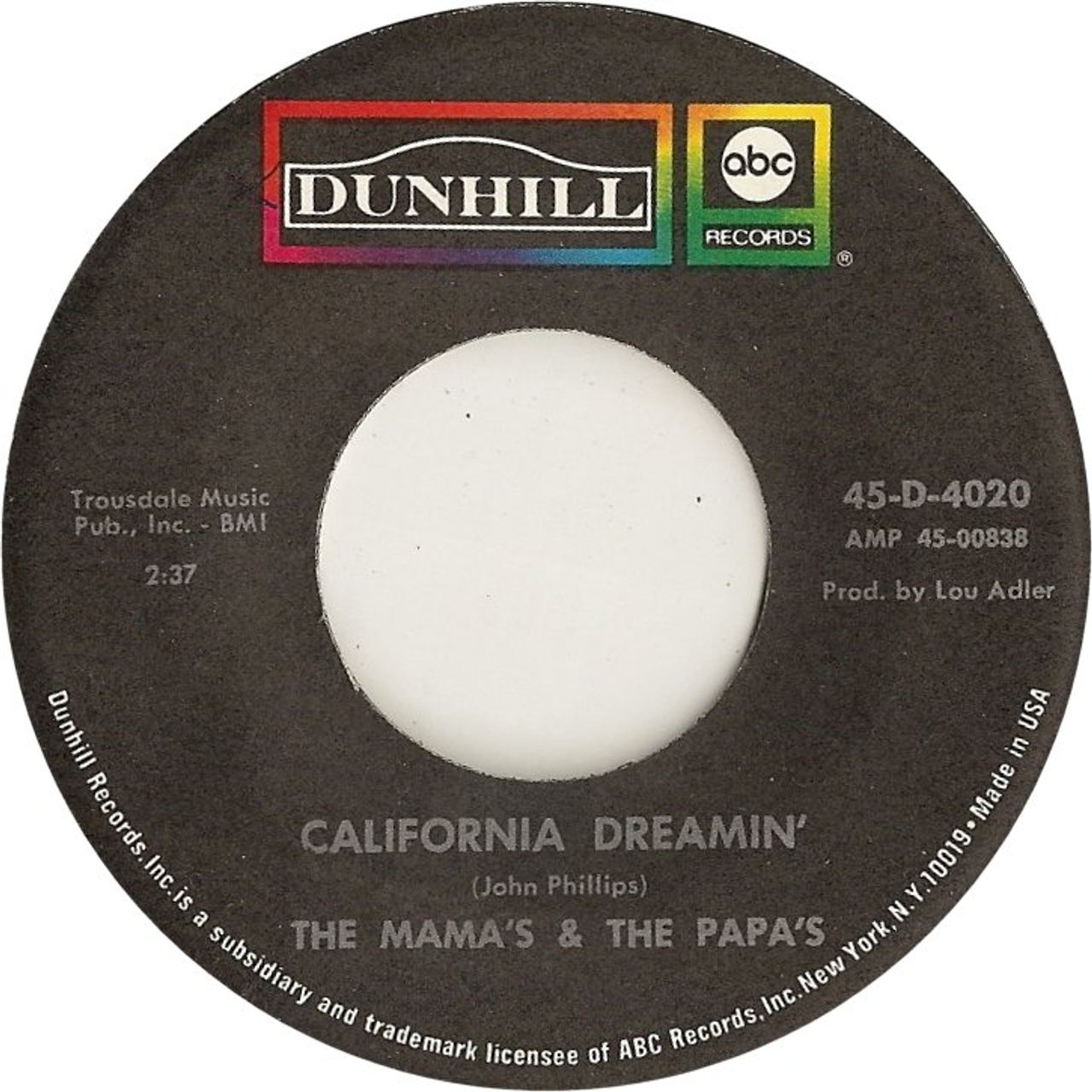
- Song: “California Dreamin’”
- Associated artist: The Mamas & The Papas
- Origin idea: John Phillips wrote from Michelle Phillips’ homesickness for California during winter in New York City
- Early group connection: John and Michelle Phillips were performing with the New Journeymen as their musical path evolved
- Core theme: Longing for warmth, home, and emotional escape
Image credits: Unknown authorUnknown author / Wikimedia Commons / Public domain; Catalyststyle / Wikimedia Commons / CC BY-SA 4.0; Jaymegersh / Wikimedia Commons / CC BY-SA 4.0.