The Tribute Song He Found Too Painful to Sing Again
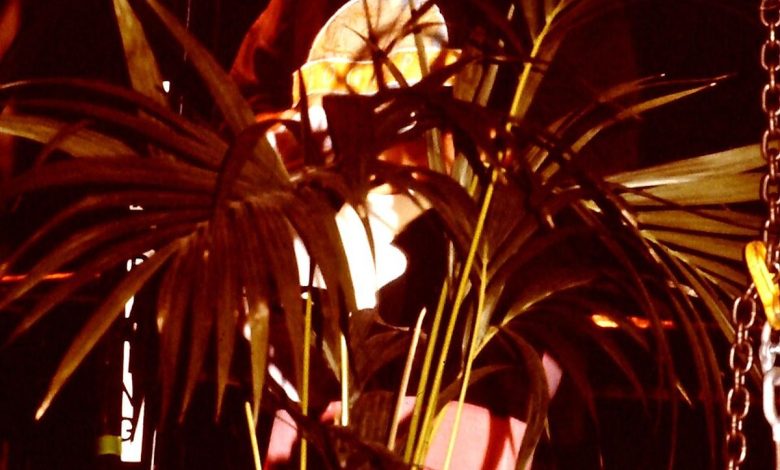
A crowded concert hall is an unlikely place to begin a story about emptiness.
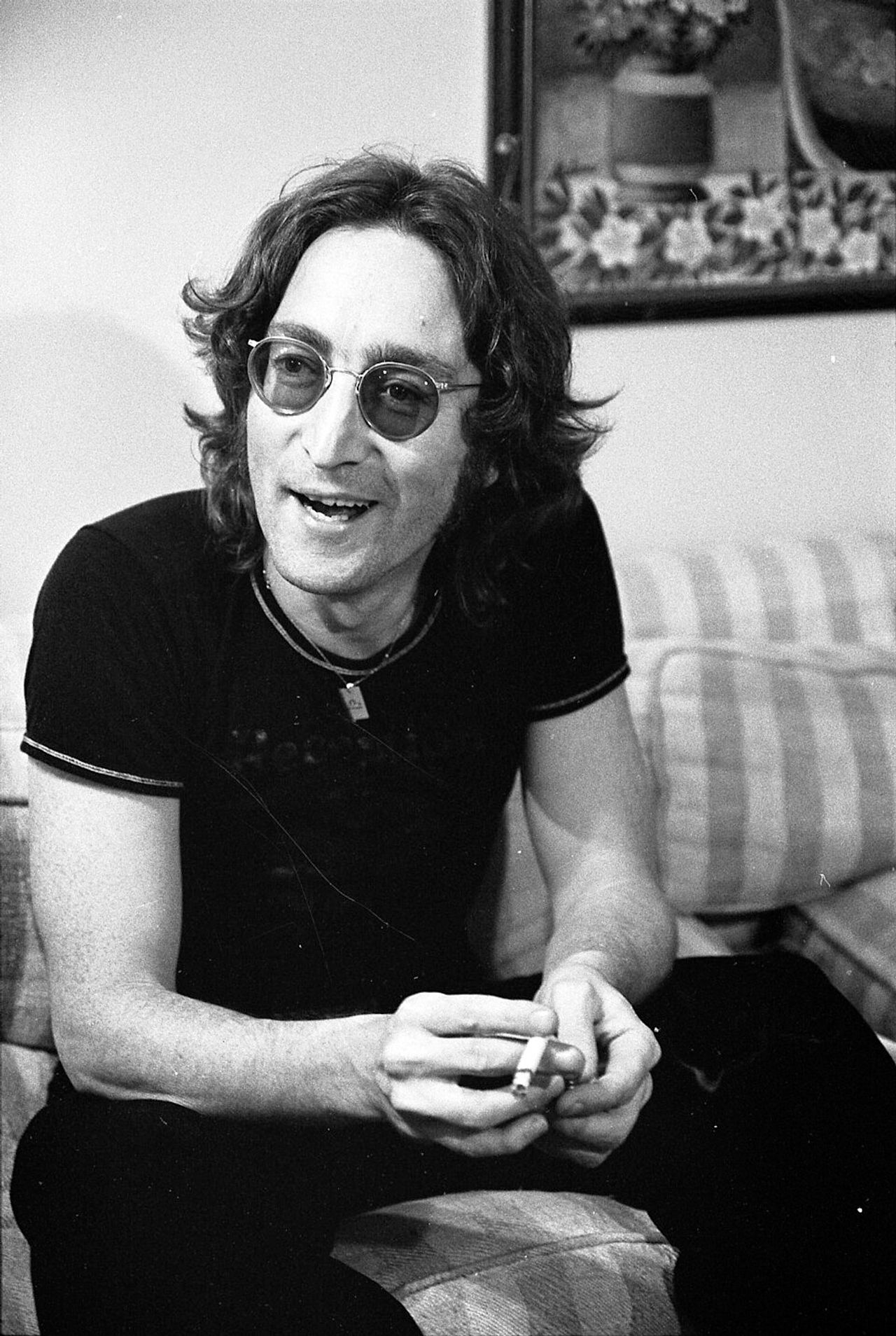
But that is where this one leads: back to Madison Square Garden, where John Lennon joined Elton John onstage on November 28, 1974. Lennon performed three songs with him. Years later, that shared place would become part of a very different song.
One friend would be singing. The other could no longer answer.
“Empty Garden (Hey Hey Johnny)” appeared on Elton’s 1982 album Jump Up!, with music by Elton and lyrics by Bernie Taupin. It was their tribute to Lennon after his death in 1980.
Taupin’s approach was not to assemble a list of achievements. He gave the loss a setting: a garden missing the person who had cared for it.
The image carries an ordinary kind of devastation. A place can remain recognizable after someone dies. The streets still have their names. The room still has its furniture. Yet the person who gave those surroundings their warmth is absent, and familiarity becomes a reminder rather than a comfort.
Elton’s official account of the song connects the garden with that Madison Square Garden appearance. A location associated with the two musicians playing together becomes an image of separation.
The scale contracts from an arena to the sound of somebody calling for a friend.
That is what makes the record more intimate than a ceremonial tribute. Its grief does not depend on the listener having known Lennon, or even on knowing the concert story. The unanswered appeal is recognizable on its own.
In the interview published with the 1990 To Be Continued… collection, Elton remembered how deeply Lennon’s death affected him. He also explained that performing “Empty Garden” upset him and made the song difficult to sing.
That was a statement about the emotional cost, not evidence that he never performed it again. What matters is the distinction between having written a tribute and being able to revisit its feelings on demand.
A recording can hold a moment still. A live performance asks the singer to enter it again.
Elton’s interpretation gives Taupin’s central image both tenderness and frustration. The melody can rise, but it cannot produce the answer the narrator wants. Music offers a way to call out; it cannot reverse the reason for calling.
Listen with the 1974 appearance in mind and the title becomes especially poignant. There had been a real stage, a real audience, and two musicians making music together. The later song does not erase that happiness. It lets you feel what its survival in memory can cost.
“Empty Garden” is not moving simply because it concerns a famous death.
It is moving because it understands the impulse to address someone as if, for one more moment, they might still hear you—and answer in the voice you remember.
Listen to the recording
[EMBED:
Continue reading
The Heartbreak Song That Had to Wait Years to Become a Hit
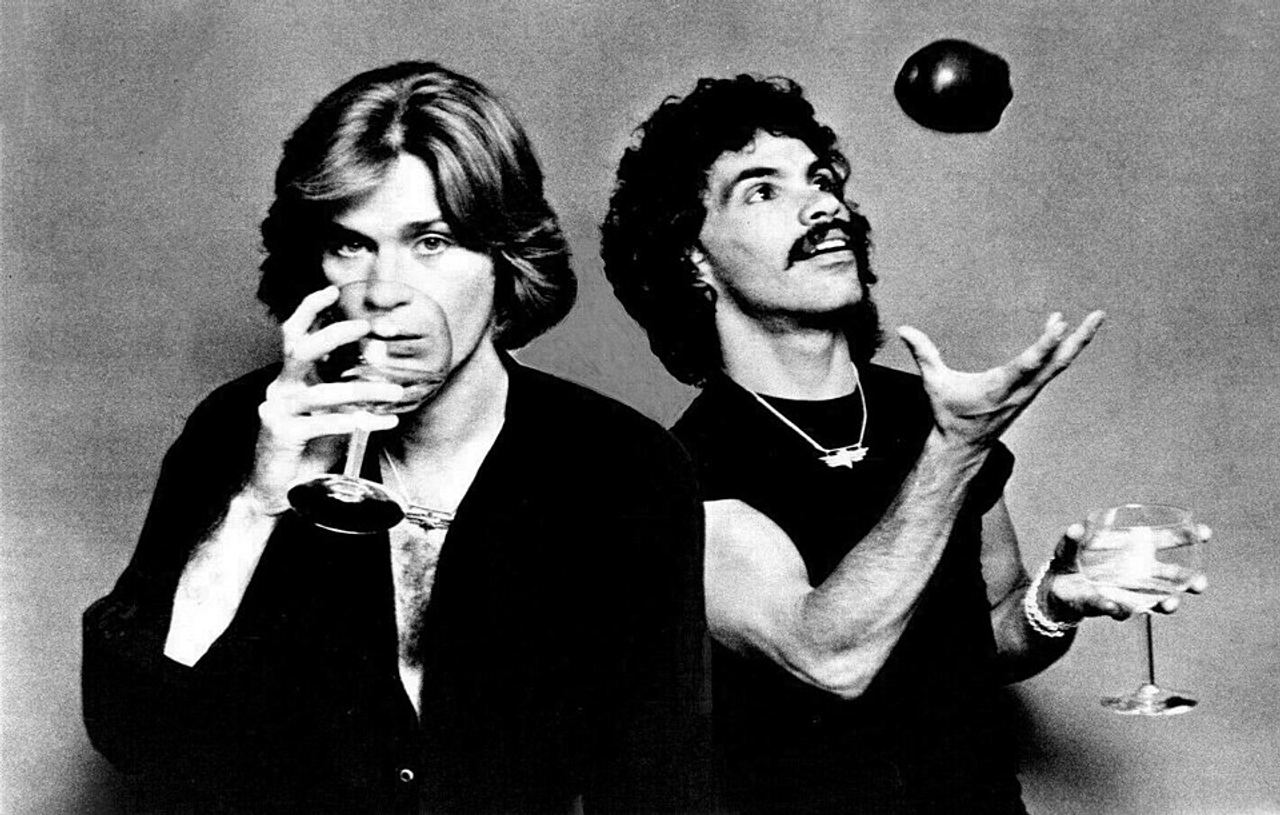
John Oates had plans for New Year’s Eve. The woman he was waiting for never arrived.
What he picked up instead was a guitar.
That small, disappointing evening would help begin a song with a much bigger life. But the finished recording had a wait of its own ahead of it: Hall & Oates released it before they had the audience that would eventually embrace it.
The song was “She’s Gone.”
Oates later recalled the missed date in interviews, describing the first idea as a simple, folk-like lament. Daryl Hall then joined the writing, adding the piano figure and helping develop the unfinished idea into a song. Their collaboration turned a private disappointment into something neither man had to carry alone.
There was more than one emotional history feeding the music. In a 2011 interview, Oates remembered that both musicians had been dealing with separations. The song was not a literal report of a single evening. It grew into a wider picture of loneliness.
That distinction helps explain its reach.
The person who inspired the first idea is not somebody the listener needs to know. The feeling is familiar enough: an expected presence becomes an absence, and suddenly ordinary surroundings seem to have changed their meaning.
Hall & Oates put the song on their 1973 album Abandoned Luncheonette. Producer Arif Mardin and the studio players gave it a scale far beyond the guitar idea Oates had started with. The arrangement is rich, but it never loses its connection to the uneasy human voice at the center.
Listen to how patiently it develops. The opening doesn’t demand that you feel everything immediately. There is movement, there is space, and then the voices begin to push against the restraint. When the emotion rises, it feels like something the song has been holding back rather than something added for effect.
Yet a persuasive record is not automatically an immediate hit.
Its first American chart run peaked at No. 60 on the Billboard Hot 100. That wasn’t no audience at all, but it was a long way from the recognition the recording would later receive.
The story might have ended there. Instead, the composition found another route forward.
Tavares recorded it and reached No. 1 on the R&B chart in 1974. Another group’s voices helped demonstrate how naturally the song could speak through soul music. Hall & Oates’ own breakthrough with “Sara Smile” followed in 1976, and Atlantic brought their earlier recording back into circulation.
This time, “She’s Gone” reached No. 7 on the Hot 100.
The important change wasn’t that a failed song had finally been rewritten into a good one. An existing recording was meeting listeners under different circumstances, with the duo now far more visible.
There is a poignant contrast between that history and the music. The record received another opportunity. The person inside the song cannot be so sure that what has been lost will return.
Perhaps that is why the success story doesn’t make the performance any less sad. Knowing it became a hit doesn’t resolve the feeling you hear when the voices rise.
Return to the full recording and let it take its time. The familiar refrain is only part of its power. The gradual build lets you hear how a quiet disappointment can become something much harder to contain.
One evening, Oates waited for someone who did not come.
Years later, the music that began in that absence finally found more of the people who needed to hear it.
Listen to the recording
[EMBED:
The Hidden Whisper Inside One of Rock’s Most Haunting Classics
There is more than one Jim Morrison vocal inside “Riders on the Storm.”
One carries the melody. Another whispers underneath it, close enough to change the atmosphere without always drawing attention to itself.
Once you notice that second voice, the recording becomes harder to hear in quite the same way.
It is not a supernatural sound. It is a studio decision. Yet few overdubs have acquired such an unsettling relationship with the life that followed them.

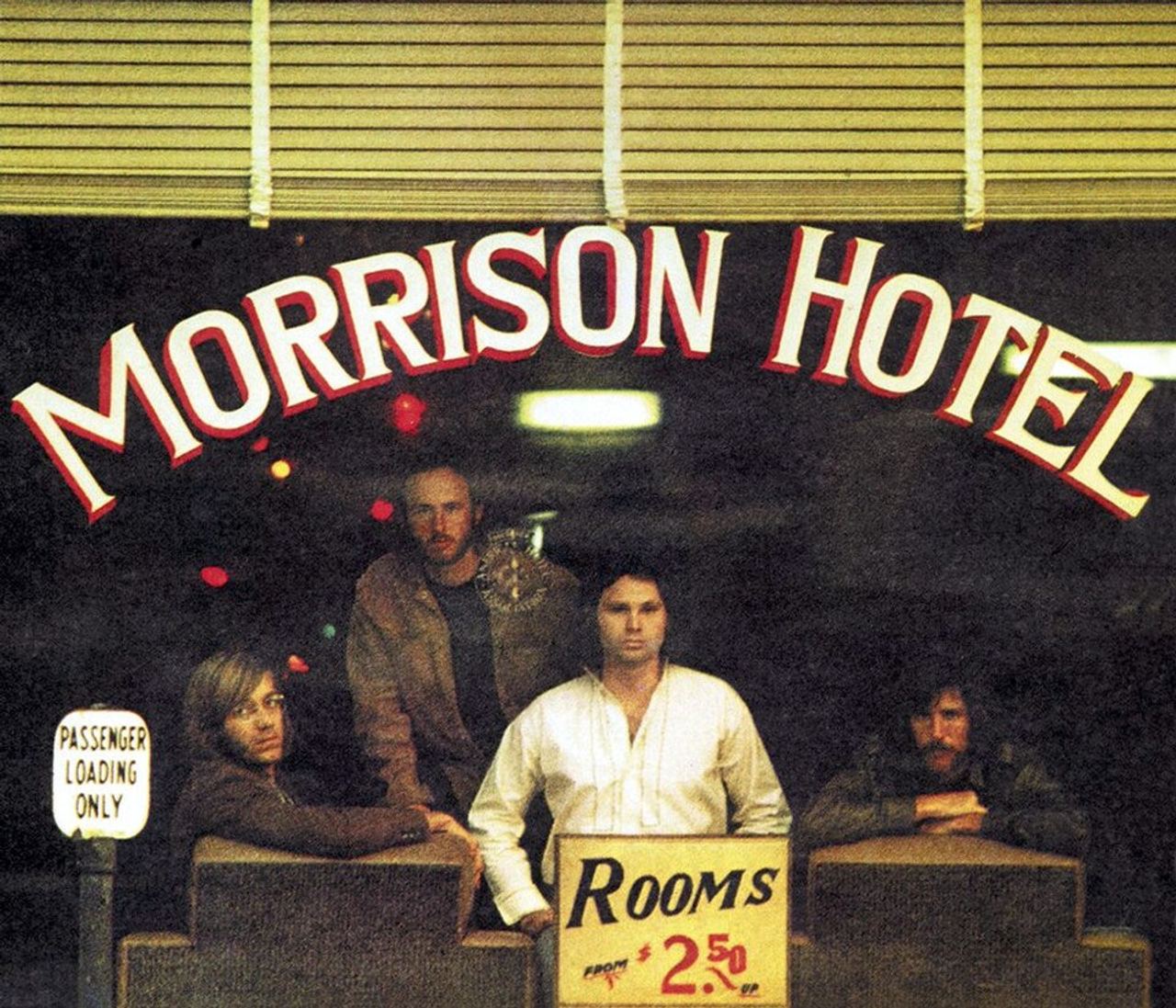
The song closes The Doors’ 1971 album L.A. Woman, recorded with engineer and co-producer Bruce Botnick after longtime producer Paul Rothchild left the project. Much of the album took shape in the band’s own rehearsal space rather than a grand studio.
The setting was practical. The result feels almost without walls.
Rain opens a space around the instruments. Ray Manzarek’s electric piano seems to fall through it in small, luminous patterns. The rhythm moves steadily underneath, while Morrison delivers his phrases with a calm that does not quite reassure you.
The lyric gives that calm something disturbing to carry: danger on the road, human vulnerability, and an appeal for love within the same musical landscape.
It never becomes a straightforward crime story. The threatening figure is part of a wider unease. The listener is invited into a beautiful sound while being reminded that beauty offers no guarantee of safety.
Botnick later recalled that Morrison suggested adding rain and thunder. The effects are not simply decoration around an already finished song. They help establish the space in which the listener encounters it: enclosed by sound, but exposed to whatever might be approaching.
Then there is the whisper.
Ray Manzarek later remembered that overdub as Morrison’s final recorded vocal. That is a bandmate’s retrospective account, not a reason to claim that Morrison consciously recorded his own farewell. What can be said without that leap is that this was among the closing work of his recording career with The Doors.
Morrison left for Paris before the album’s release. He died there in July 1971, aged 27.
The sequence changed what listeners could hear in the music. A quiet additional vocal, made during a living band’s work on a new record, could now sound like a presence receding beyond reach.
That feeling belongs to hindsight. There is no need to turn it into a prediction to find it moving.
Listen again with attention to the space beneath the main voice. The whispered layer does not fight for prominence. It remains near the edge of awareness, giving the singer an almost doubled presence: clear in one place, elusive in another.

The recording’s power lies partly in that balance. It is meticulously made, yet it leaves the listener uncertain. The groove carries you forward even as the atmosphere makes you hesitate.
The song finishes. The voice has stopped.
But for a moment afterward, silence can feel less empty than it did before you pressed play.
Listen to the recording
[EMBED:
Share
X
Telegram
Other posts
Sep 09, 2026
The Breakup Song She Sang After Divorcing the Man Who Wrote It
Sep 09, 2026
The Love Song That Turned Confusion Into One of Pop’s Most Timeless Promises
Sep 09, 2026
The Breakup Song That Refused to Turn Either Person Into the Villain
Sep 08, 2026
The Slade Anthem That Turned a Number-One Hit Into an Invitation to Let Go
Sep 08, 2026
Before Elvis Made It Rock, Bill Monroe Made This Song Hurt
Sep 08, 2026
The Quiet John Lennon Song That Became a Voice for a World Longing for Peace
Sep 08, 2026
He Never Lived to See His Biggest Hit—But Otis Redding’s Voice Still Takes Us Back
Sep 08, 2026
The Night 60 Million Watched Elvis—and Heard the Tender Voice Behind the Controversy
Read more stories
- I Stopped Cleaning up After My 42-Year-Old Husband – Three Days Later, He Came Begging for One Favor
- The Secret History Behind Snoop Dogg and the 1985 Hip Hop Revival
- The Night Elvis Presley Conquered Television Without Ed Sullivan in the Room
- 25 Years Later, Trump Shares Story of the Two Mystery Men Who Carried Him from Building Near Ground Zero on 9/11