The Hidden Whisper Inside One of Rock’s Most Haunting Classics
There is more than one Jim Morrison vocal inside “Riders on the Storm.”
One carries the melody. Another whispers underneath it, close enough to change the atmosphere without always drawing attention to itself.
Once you notice that second voice, the recording becomes harder to hear in quite the same way.
It is not a supernatural sound. It is a studio decision. Yet few overdubs have acquired such an unsettling relationship with the life that followed them.
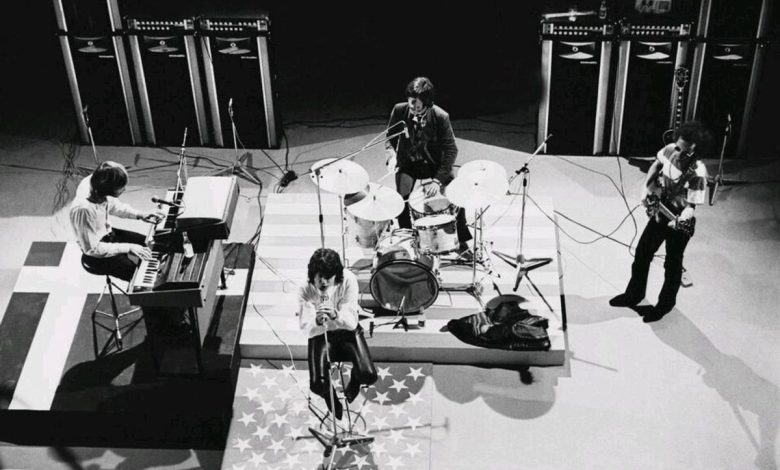
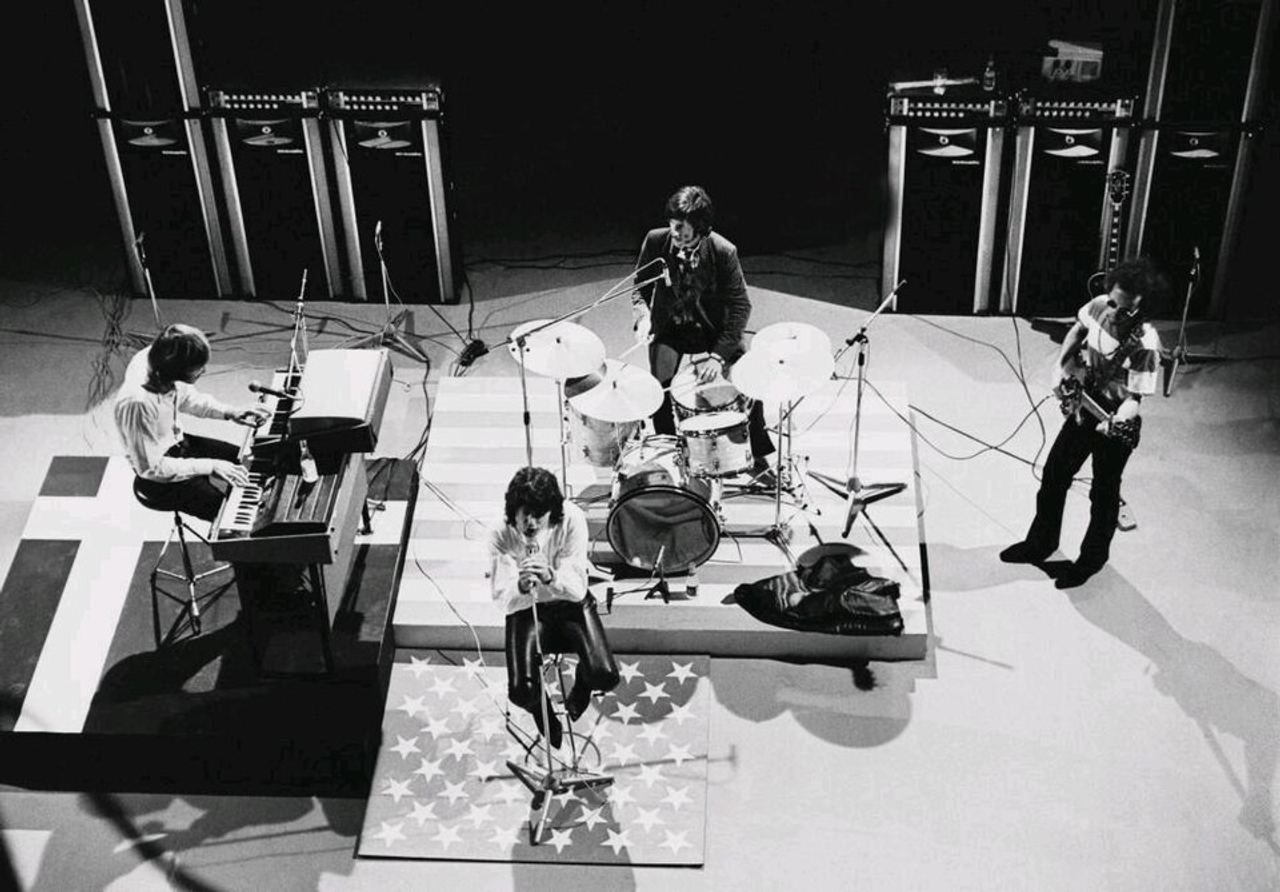
The Doors performing for Danish television in Copenhagen on September 17, 1968. An earlier performance, not a Riders on the Storm session. Photo: Jan Persson / Polfoto, via Wikimedia Commons; listed as public domain in Denmark and the United States.
The song closes The Doors’ 1971 album L.A. Woman, recorded with engineer and co-producer Bruce Botnick after longtime producer Paul Rothchild left the project. Much of the album took shape in the band’s own rehearsal space rather than a grand studio.
The setting was practical. The result feels almost without walls.
Rain opens a space around the instruments. Ray Manzarek’s electric piano seems to fall through it in small, luminous patterns. The rhythm moves steadily underneath, while Morrison delivers his phrases with a calm that does not quite reassure you.
The lyric gives that calm something disturbing to carry: danger on the road, human vulnerability, and an appeal for love within the same musical landscape.
It never becomes a straightforward crime story. The threatening figure is part of a wider unease. The listener is invited into a beautiful sound while being reminded that beauty offers no guarantee of safety.
Botnick later recalled that Morrison suggested adding rain and thunder. The effects are not simply decoration around an already finished song. They help establish the space in which the listener encounters it: enclosed by sound, but exposed to whatever might be approaching.
Then there is the whisper.
Ray Manzarek later remembered that overdub as Morrison’s final recorded vocal. That is a bandmate’s retrospective account, not a reason to claim that Morrison consciously recorded his own farewell. What can be said without that leap is that this was among the closing work of his recording career with The Doors.
Morrison left for Paris before the album’s release. He died there in July 1971, aged 27.
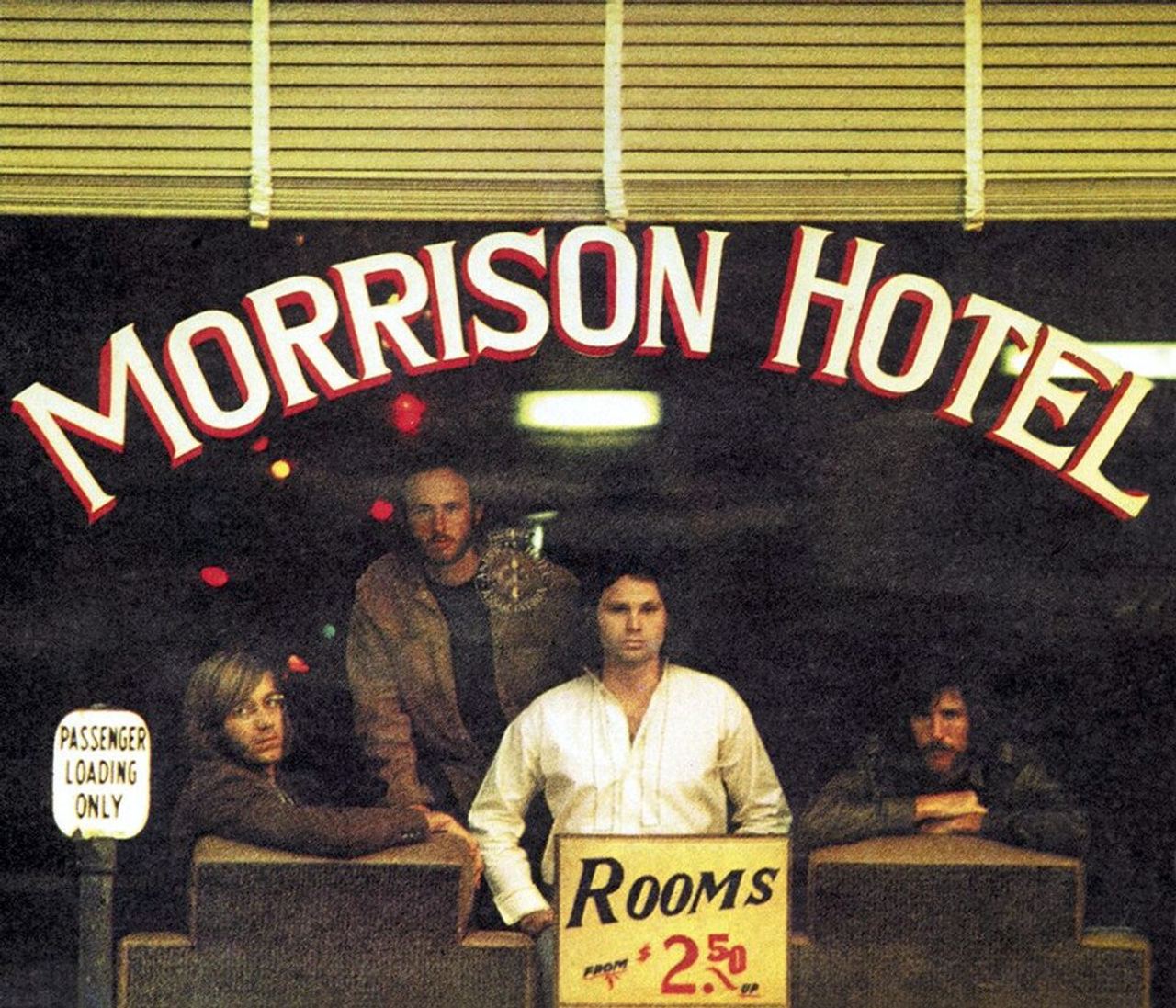
The Doors in the photograph used for Morrison Hotel, reproduced in a February 1970 advertisement. This image predates L.A. Woman. Photo: Henry Diltz / Elektra Records, via Wikimedia Commons; listed as public domain in the United States.
The sequence changed what listeners could hear in the music. A quiet additional vocal, made during a living band’s work on a new record, could now sound like a presence receding beyond reach.
That feeling belongs to hindsight. There is no need to turn it into a prediction to find it moving.
Listen again with attention to the space beneath the main voice. The whispered layer does not fight for prominence. It remains near the edge of awareness, giving the singer an almost doubled presence: clear in one place, elusive in another.
The recording’s power lies partly in that balance. It is meticulously made, yet it leaves the listener uncertain. The groove carries you forward even as the atmosphere makes you hesitate.
The song finishes. The voice has stopped.
But for a moment afterward, silence can feel less empty than it did before you pressed play.
Listen to the recording
The Guitarist Hired on the Spot Who Changed the Sound of a Famous Band
A phone call arrived when a successful rock band was running out of time. One guitarist had left, a tour was approaching, and the replacement flew to Chicago without knowing that the audition would change the next half-century of his life.
Tommy Shaw, born on September 11, 1953, turns 73 this year. His story with Styx began long before the platinum albums, arena choruses, and songs that still arrive on classic-rock radio every day.
Shaw grew up in Montgomery, Alabama. His grandfather once paid him a nickel to sing on the porch, a moment he later joked was his first professional engagement. At ten, he received the guitar that gave his ambition a direction.
By fourteen he was playing in a band. After high school, he joined M.S. Funk and spent years learning the discipline of working stages far from celebrity.
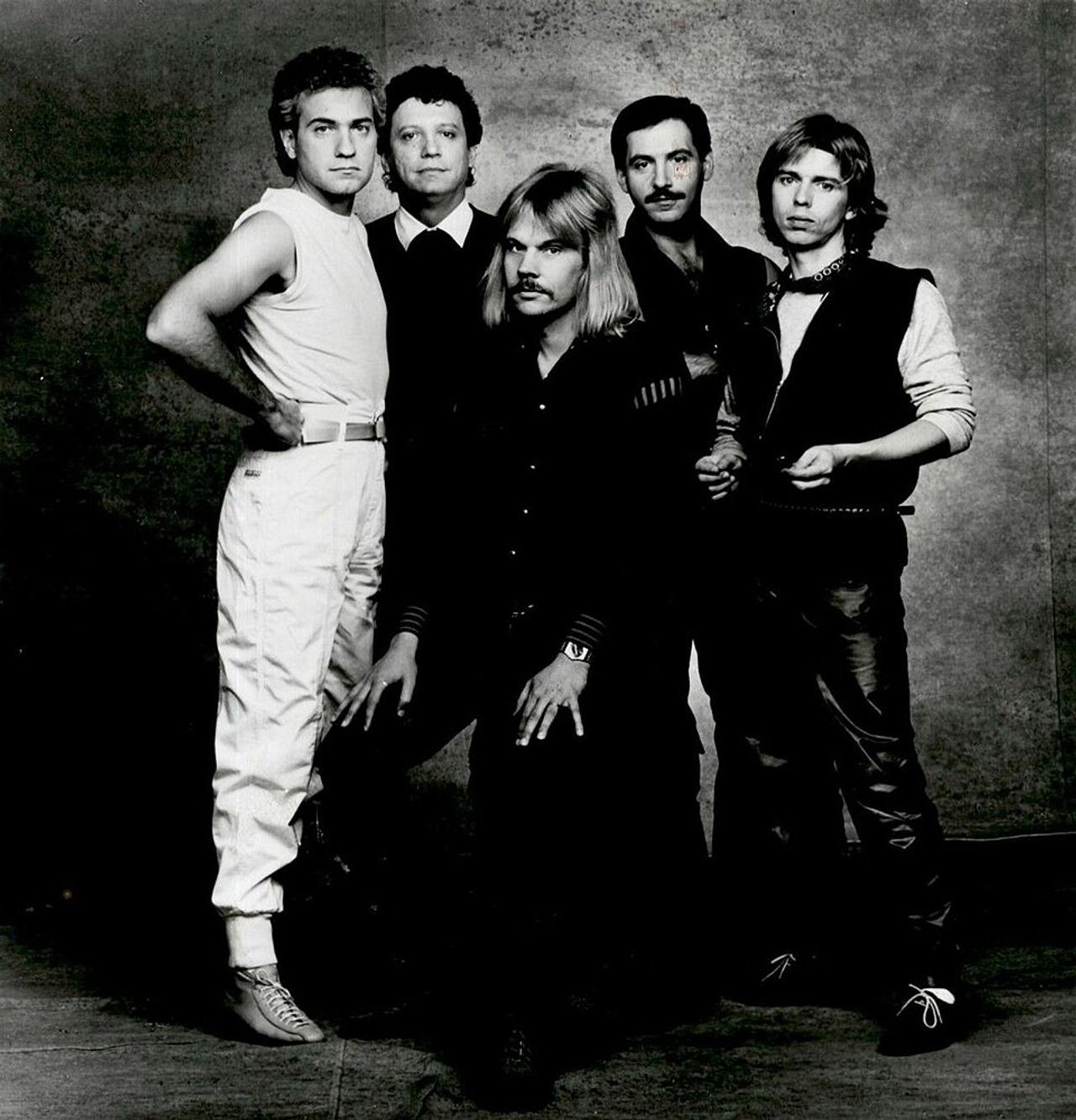
Styx in a 1983 publicity photograph, with Tommy Shaw at right. Photo: Front Line Management and A&M Records, via Wikimedia Commons. Public domain in the United States.
When that group ended, Shaw returned to Montgomery in 1975 and joined a band called Harvest. He kept writing, including a song called “Crystal Ball.” Then Styx called.
The group was in a genuine emergency. Guitarist John Curulewski had departed as a new tour approached. Shaw flew to Chicago, auditioned, and was hired on the spot.
The speed of the decision sounds reckless until the records are played.
“Crystal Ball” became the title song of Shaw’s first album with Styx in 1976. His high, clear voice and melodic guitar work added a new color beside Dennis DeYoung and James Young. The contrast gave the band more than one center of gravity.
The Grand Illusion followed in 1977 and transformed Styx into arena stars. Shaw wrote and sang “Fooling Yourself (The Angry Young Man),” turning nervous self-doubt into a soaring piece of progressive rock that could still move a large crowd.
On Pieces of Eight, his role became even harder to imagine the band without. “Blue Collar Man (Long Nights)” carried the anxiety and pride of someone desperate to work. “Renegade” began with an exposed vocal and grew into one of the group’s most enduring rock songs.
Shaw’s writing could be muscular without losing melody. He understood how a quiet opening makes a loud arrival feel larger, and how a chorus becomes communal when it gives the audience one clean emotional idea to hold.
The Styx years were not without conflict. The theatrical direction of Kilroy Was Here deepened creative tensions, and Shaw left after the tour. His 1984 solo album Girls with Guns opened another chapter, followed later by the supergroup Damn Yankees with Ted Nugent, Jack Blades, and Michael Cartellone.
The title “High Enough” could almost describe Shaw’s gift for harmony. With Damn Yankees, he proved that the recognizable voice was not dependent on one band’s name.
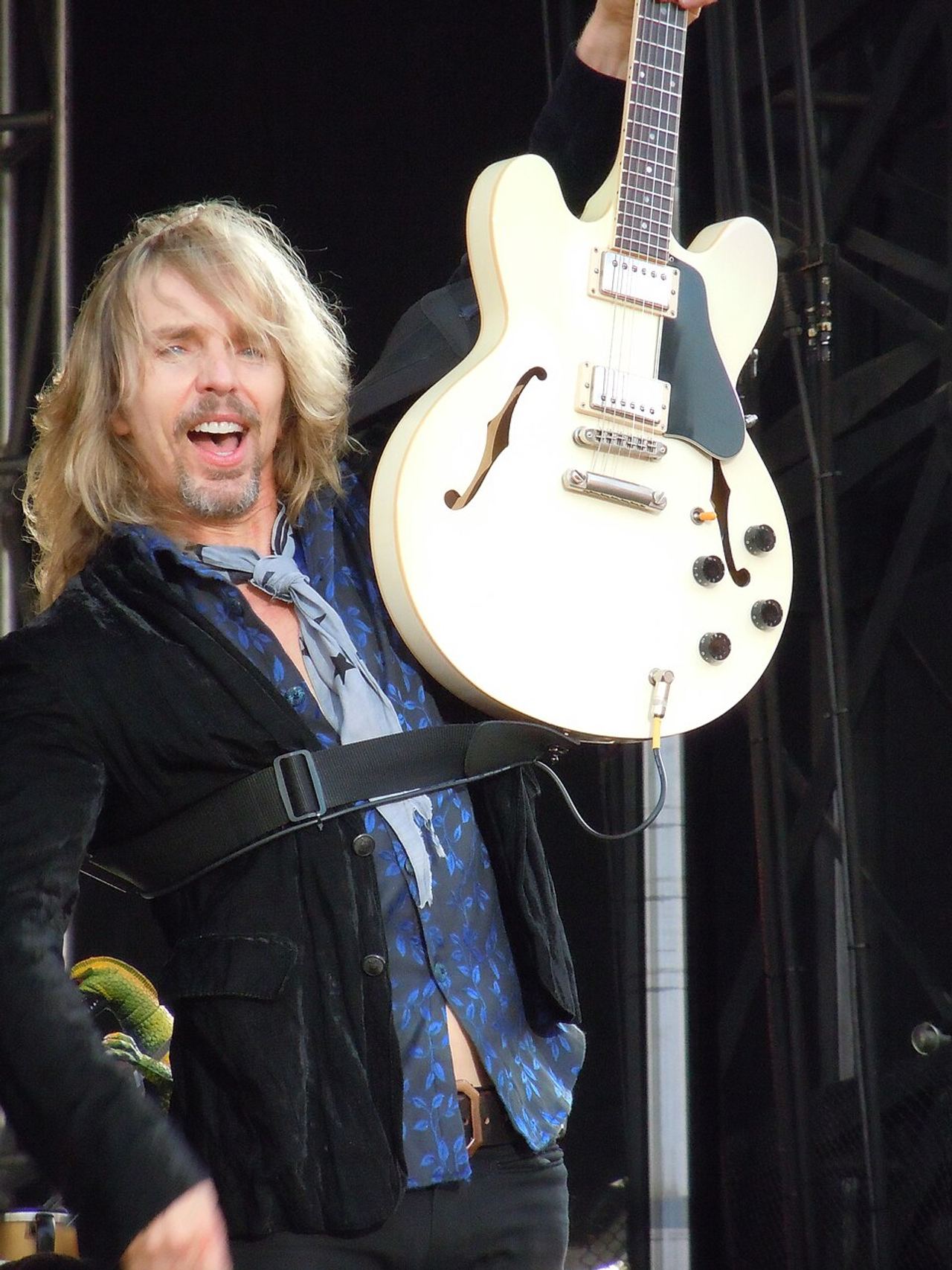
Tommy Shaw performing with Styx in 2010. Photo: Nirvanafanatic619. CC BY-SA 3.0, via Wikimedia Commons.
He eventually returned to Styx and helped carry the group into a new era of touring and recording. Decades after that hurried audition, the once-emergency replacement became one of the band’s defining figures.
Birthdays invite easy praise, but Shaw’s career offers something more useful than a list of hits. Preparedness met opportunity in Chicago. The phone call mattered because years of small stages had already made him ready for the room.
On September 11, the songs tell the story better than any celebration. A guitarist flew north for an uncertain audition, was hired before the day was over, and helped give a famous band the voice it did not yet know it needed.
Listen to the recording
A phone call arrived when a successful rock band was running out of time. One guitarist had left, a tour was approaching, and the replacement flew to Chicago without knowing that the audition would change the next half-century of his life.
Tommy Shaw, born on September 11, 1953, turns 73 this year. His story with Styx began long before the platinum albums, arena choruses, and songs that still arrive on classic-rock radio every day.
Shaw grew up in Montgomery, Alabama. His grandfather once paid him a nickel to sing on the porch, a moment he later joked was his first professional engagement. At ten, he received the guitar that gave his ambition a direction.
By fourteen he was playing in a band. After high school, he joined M.S. Funk and spent years learning the discipline of working stages far from celebrity.
Styx in a 1983 publicity photograph, with Tommy Shaw at right. Photo: Front Line Management and A&M Records, via Wikimedia Commons. Public domain in the United States.
When that group ended, Shaw returned to Montgomery in 1975 and joined a band called Harvest. He kept writing, including a song called “Crystal Ball.” Then Styx called.
The group was in a genuine emergency. Guitarist John Curulewski had departed as a new tour approached. Shaw flew to Chicago, auditioned, and was hired on the spot.
The speed of the decision sounds reckless until the records are played.
“Crystal Ball” became the title song of Shaw’s first album with Styx in 1976. His high, clear voice and melodic guitar work added a new color beside Dennis DeYoung and James Young. The contrast gave the band more than one center of gravity.
The Grand Illusion followed in 1977 and transformed Styx into arena stars. Shaw wrote and sang “Fooling Yourself (The Angry Young Man),” turning nervous self-doubt into a soaring piece of progressive rock that could still move a large crowd.
On Pieces of Eight, his role became even harder to imagine the band without. “Blue Collar Man (Long Nights)” carried the anxiety and pride of someone desperate to work. “Renegade” began with an exposed vocal and grew into one of the group’s most enduring rock songs.
Shaw’s writing could be muscular without losing melody. He understood how a quiet opening makes a loud arrival feel larger, and how a chorus becomes communal when it gives the audience one clean emotional idea to hold.
The Styx years were not without conflict. The theatrical direction of Kilroy Was Here deepened creative tensions, and Shaw left after the tour. His 1984 solo album Girls with Guns opened another chapter, followed later by the supergroup Damn Yankees with Ted Nugent, Jack Blades, and Michael Cartellone.
The title “High Enough” could almost describe Shaw’s gift for harmony. With Damn Yankees, he proved that the recognizable voice was not dependent on one band’s name.
Tommy Shaw performing with Styx in 2010. Photo: Nirvanafanatic619. CC BY-SA 3.0, via Wikimedia Commons.
He eventually returned to Styx and helped carry the group into a new era of touring and recording. Decades after that hurried audition, the once-emergency replacement became one of the band’s defining figures.
Birthdays invite easy praise, but Shaw’s career offers something more useful than a list of hits. Preparedness met opportunity in Chicago. The phone call mattered because years of small stages had already made him ready for the room.
On September 11, the songs tell the story better than any celebration. A guitarist flew north for an uncertain audition, was hired before the day was over, and helped give a famous band the voice it did not yet know it needed.
Listen to the recording
Share
X
Telegram
Other posts
Draft
The Guitarist Hired on the Spot Who Changed the Sound of a Famous Band
Draft
The Guitarist Hired on the Spot Who Changed the Sound of a Famous Band
Draft
The Guitarist Hired on the Spot Who Changed the Sound of a Famous Band
Draft
The Guitarist Hired on the Spot Who Changed the Sound of a Famous Band
Draft
The Guitarist Hired on the Spot Who Changed the Sound of a Famous Band
Draft
The Guitarist Hired on the Spot Who Changed the Sound of a Famous Band
Draft
The Guitarist Hired on the Spot Who Changed the Sound of a Famous Band
Draft
The Guitarist Hired on the Spot Who Changed the Sound of a Famous Band