Dave Davies Took a Razor Blade to a Cheap Amp — and Helped Give The Kinks Their Breakthrough Sound
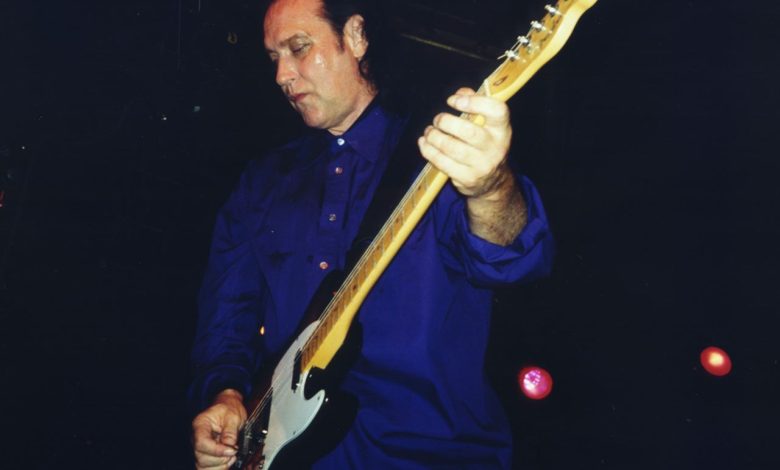
A band nearly out of time
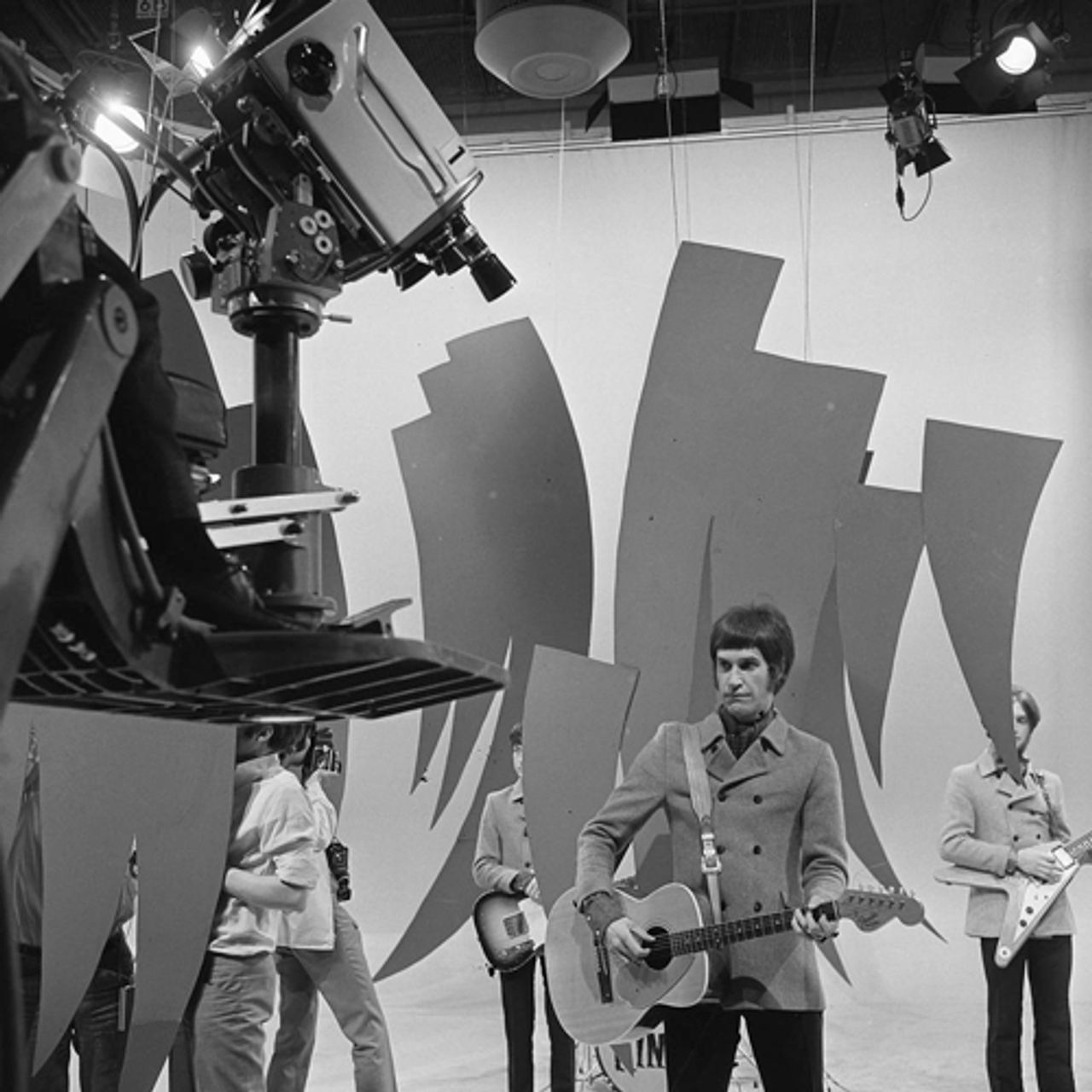
In early 1964, The Kinks were still searching for the record that would change everything. Ray Davies, Dave Davies, Pete Quaife and Mick Avory had already put out singles, but the young London group had yet to land the kind of hit that could secure their future. They were talented, energetic and ambitious, but the breakthrough kept slipping away.
That pressure helps explain why one small piece of equipment would become so important. The band did not arrive at its signature sound through expensive studio experimentation or high-end gear. Instead, the turning point came from a cheap amplifier, a teenager’s impatience and a willingness to damage something in pursuit of a noise no one else seemed to be making.
The slash that changed the speaker
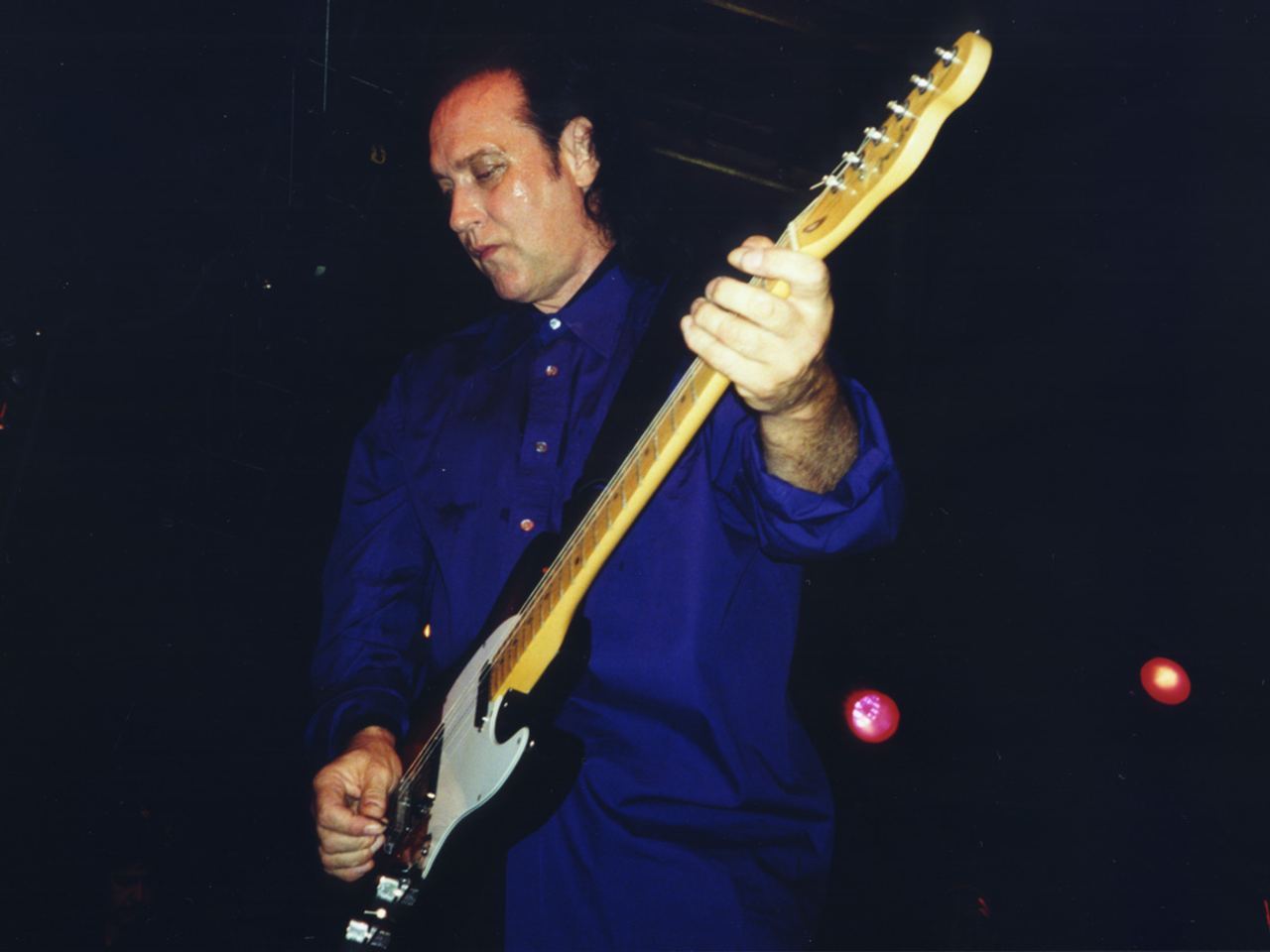
Dave Davies was only 17 when he decided the clean sound coming from his little green Elpico amplifier was not enough. It was too neat, too ordinary, too far from the aggressive edge he heard in his head. So he took a razor blade to the speaker cone, physically cutting it to force the amp into a harsher response.
What came out was not polished or refined. It was rough, torn and abrasive, with a jagged quality that sounded more like attitude than technique. In another context it might have been dismissed as broken equipment. For Dave Davies and The Kinks, it became the beginning of something instantly recognizable.
He wasn’t chasing perfection. He was chasing a sound with teeth.
From damage to identity
The genius of the moment was not simply that the amp sounded different. It was that the damaged speaker produced a guitar tone that felt perfectly matched to The Kinks’ urgency. At a time when many records still favored cleaner, more controlled textures, this sound came across like a shove. It had grit, bite and a sense of physical force.
That kind of distortion would later become commonplace in rock music, but in 1964 it felt startling. Dave Davies’ hacked-up amp helped transform a simple electric guitar into a blunt instrument, and that sonic attack gave The Kinks an identity that listeners could grasp immediately. The band no longer sounded like hopeful contenders. They sounded singular.
Why the sound mattered so much
Breakthroughs in pop history are often described as songs, but they are just as often about sound. A riff can be memorable because of the notes, yet unforgettable because of the texture. The Kinks’ emerging style depended on that principle. The guitar did not merely accompany the song; it announced it, setting the emotional temperature from the first seconds.
What Dave Davies created by mutilating that inexpensive amp was a tone that conveyed rebellion before a lyric had even landed. It was dirty in a way that suggested danger, youthful defiance and impatience with anything polite. For a band running out of chances, that feeling was not decoration. It was the difference between blending in and breaking through.
A cheap amp, a lasting legend
Part of the story’s staying power lies in its simplicity. Rock mythology is full of grand gestures, but this one is wonderfully small-scale: a teenager, a razor blade and a modest piece of gear. There is no laboratory quality to it, no sense of carefully engineered innovation. It feels accidental, physical and immediate, which is one reason it has endured for decades as one of the great origin stories in guitar music.
It also captures a truth about popular music that fans and musicians alike continue to love. Important sounds do not always come from pristine instruments used correctly. Sometimes they come from frustration, curiosity and the refusal to accept the equipment as it is. Dave Davies did not just alter an amplifier. He turned a limitation into a signature.
The sound that helped make stars
For The Kinks, the result was bigger than a memorable anecdote. The new guitar sound helped give the band the edge they had been missing, sharpening their records and making them stand out in a crowded field of British groups. It was a defining element in the shift from near-miss hopefuls to genuine stars.
Long after countless guitarists learned how to produce distortion more safely and more predictably, the image remains vivid: Dave Davies, still a teenager, slashing a speaker because the ordinary sound was not enough. In that impulsive act, rock and roll found one of its most famous textures — raw, snarling and impossible to ignore.
Quick Facts
- Band: The Kinks
- Guitarist: Dave Davies
- Year: 1964
- Age at the time: 17
- Modified gear: Small green Elpico amplifier
- Method: He cut the speaker cone with a razor blade
- Result: A rough, distorted guitar sound
- Significance: It helped define the breakthrough sound associated with The Kinks
Image credits: ultomatt (Matt Gibbons / Wikimedia Commons / CC BY 2.0; Klaus Hiltscher / Wikimedia Commons / CC BY-SA 2.0; Photographer: W. Veenman / Wikimedia Commons / CC BY-SA 3.0 nl.