The Forbidden Energy of Little Richard: How 1957 Changed Rock Forever
When the airwaves still wanted obedience
In 1957, much of popular entertainment still operated on a simple promise: keep things smooth, respectable, and easy to package. Television variety shows favored clean presentation, network gatekeepers worried about anything that looked unruly, and the adult culture surrounding pop music often treated rock and roll as a passing disturbance that could be softened into something more acceptable.
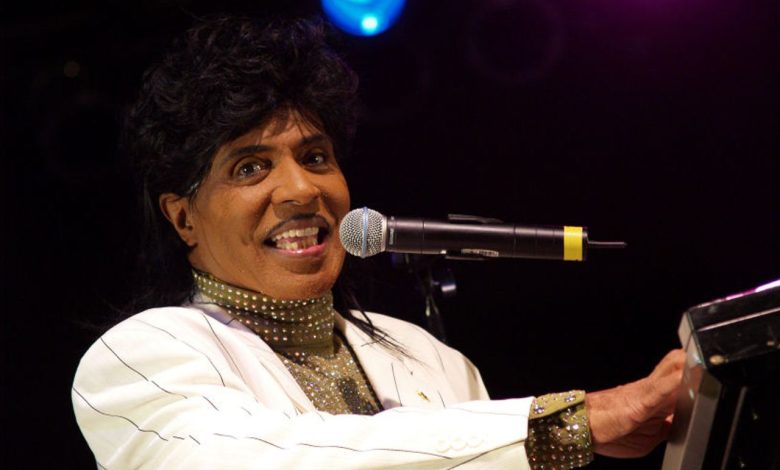
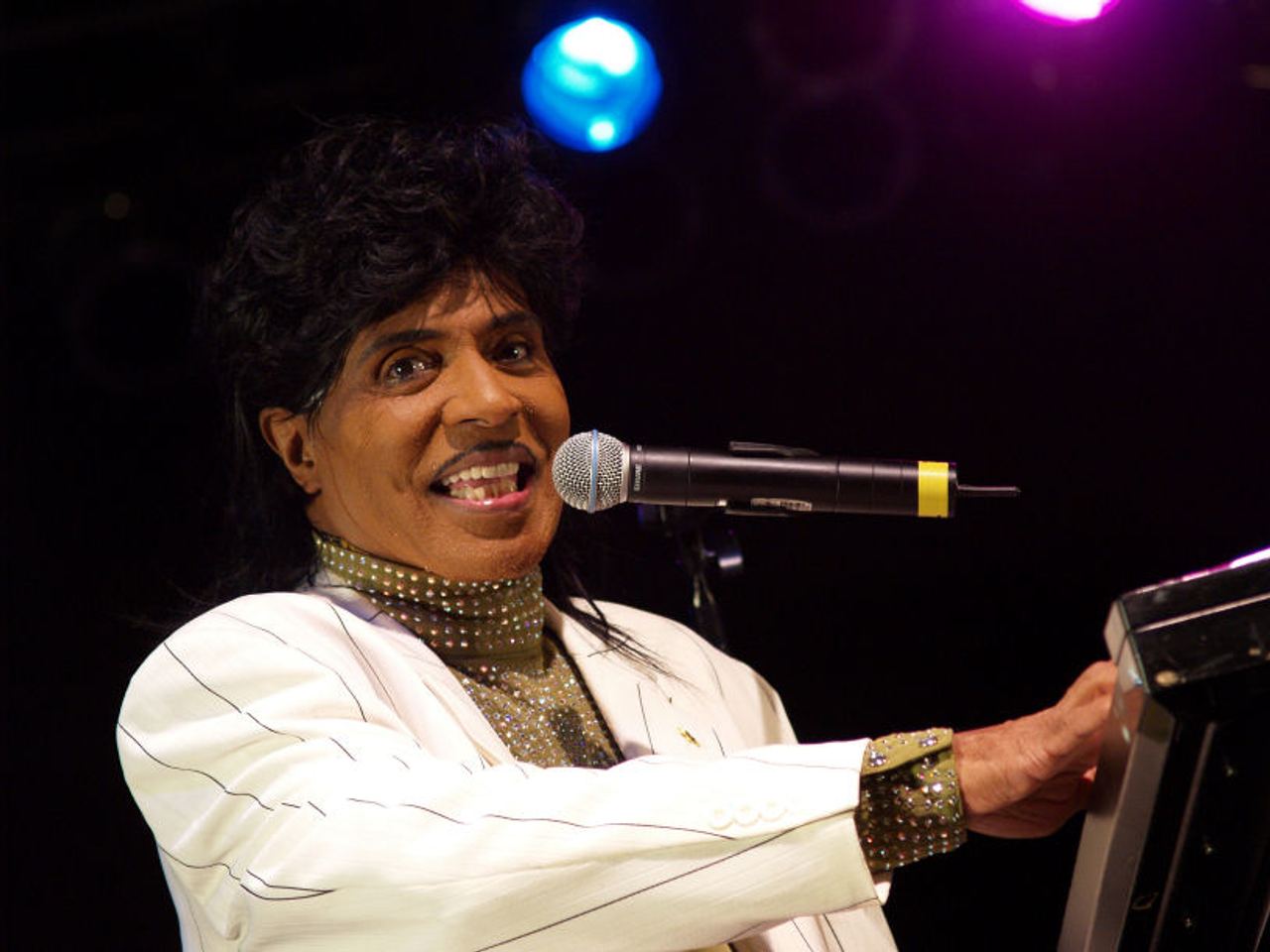
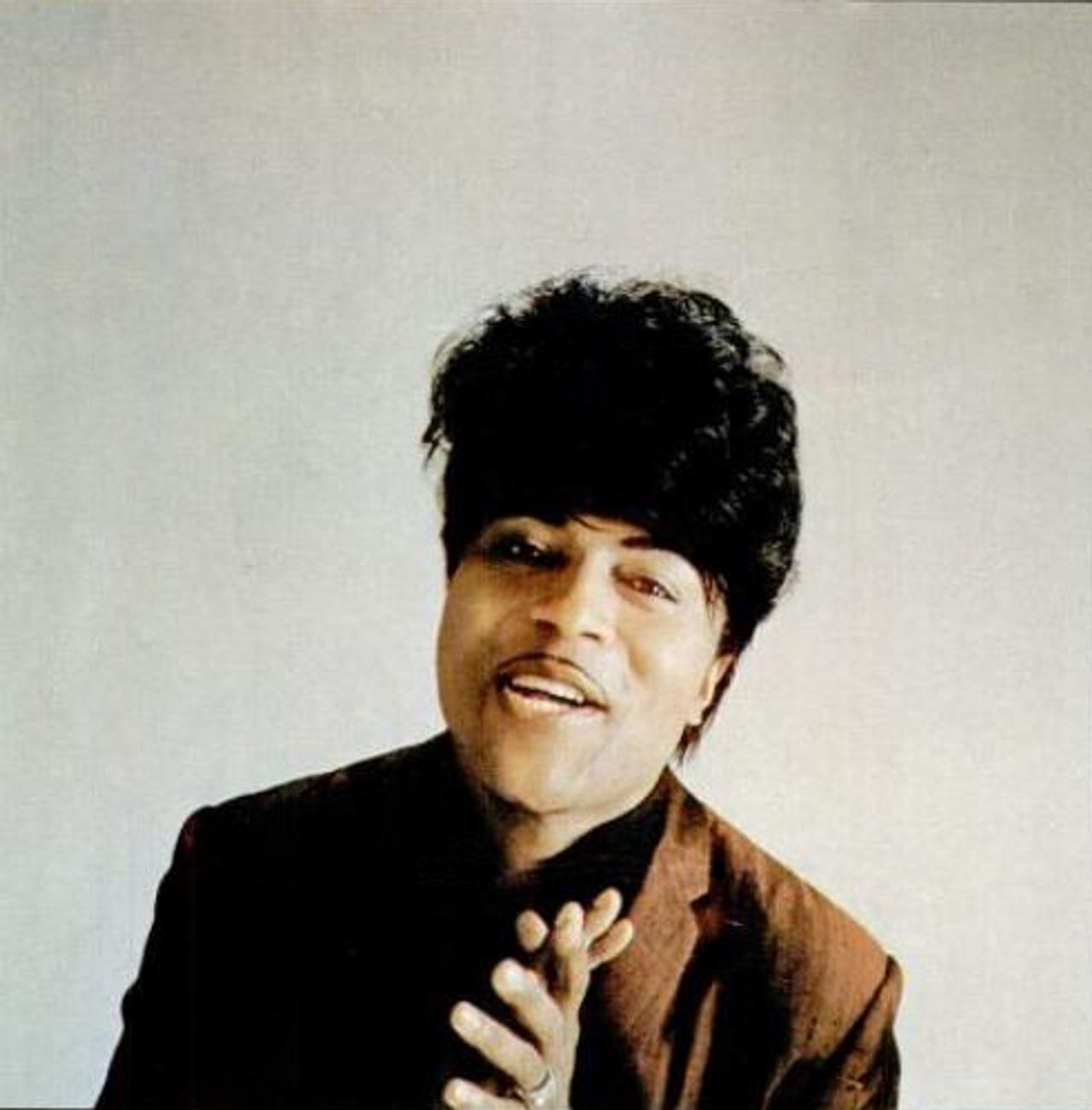
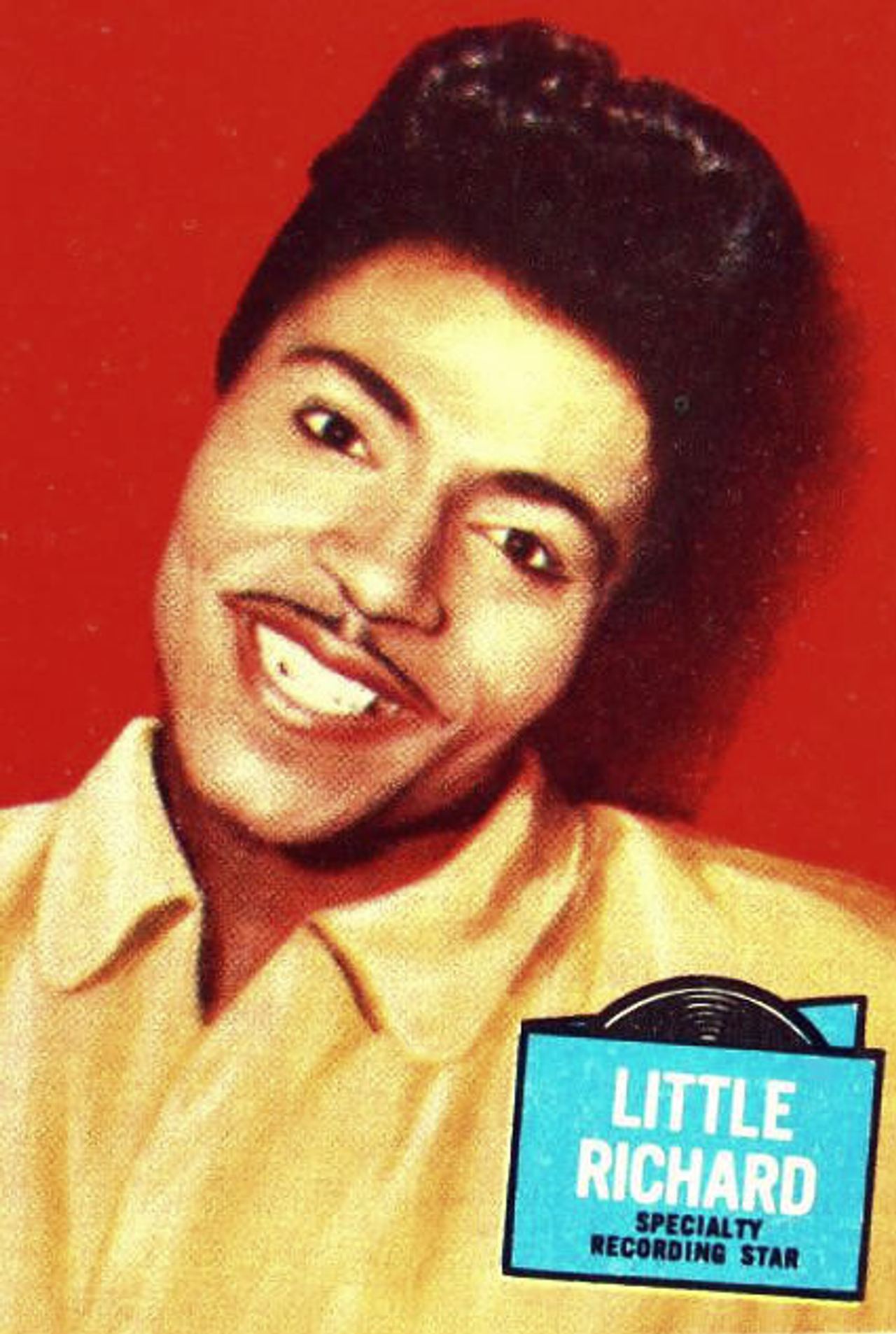
That was the climate Little Richard crashed into. He did not arrive as a polite singer asking for admission. He came as an event: pompadour gleaming, voice detonating, piano hammering, body language charged with a kind of theatrical urgency that seemed to dare the room to stop him. On records and onstage, he sounded less like an entertainer fitting into the system than like a system overload.
A scream, a piano, and a new kind of danger
What made Little Richard feel so transgressive was not just volume or speed, though he had plenty of both. It was the totality of the performance. His records turned rhythm into velocity, gospel fervor into rock attack, and sexual energy into something impossible to ignore. The voice could yelp, plead, shriek, and command within the span of a few seconds. The piano did not accompany the song so much as drive it forward like an engine under stress.
To listeners used to smoother vocal styles, that sound could feel thrilling and destabilizing at once. To censors and television producers, it posed a different problem: Little Richard was not merely singing songs; he was introducing volatility into a medium built around control. Even when cameras tried to frame him neatly, the essential thing could not be tidied up. The performance kept spilling past the edges.
Little Richard made rock and roll sound like it had broken out of the building.
Why 1957 became a flashpoint
By 1957, rock and roll was no longer a rumor. It had become a cultural argument. Adults debated its effect on teenagers, broadcasters worried over its image, and performers were increasingly split between those who could be marketed as safe and those who could not. Little Richard belonged squarely to the second category. He represented not just youth music, but youth music at its most uncontainable.
That matters because 1957 was not simply a date on a timeline; it was a moment when the battle over what rock could be was still open. Could it be cleaned up for mass consumption, or would it remain unruly, sensual, and loud? Little Richard helped answer that question. His presence made clear that the wild core of the music was not accidental. It was the point.
Sequins, swagger, and the politics of performance
Little Richard’s visual style was as disruptive as his sound. The makeup, the hair, the glittering clothes, the flamboyant physicality: all of it challenged the narrow performance codes of the era. He presented masculinity, glamour, and showmanship in a way that did not ask permission. For 1950s mainstream culture, that alone was enough to make him seem radical.
But the visual daring was never separate from the music. It intensified the feeling that every appearance was a provocation. He looked like the future and sounded like a riot. That combination would echo through decades of rock performance, from glam to punk to hard rock and beyond. Countless artists later adopted pieces of the template, but in Little Richard it arrived as a complete voltage surge: image, sound, attitude, and abandon all fused together.
The networks tried to contain him. Rock learned from him instead
Television producers of the period often responded to rock and roll with a familiar reflex: soften the edges, trim the camera angles, make the dangerous parts look harmless. Little Richard was uniquely difficult to neutralize because the danger was not in one lyric or one gesture. It was in the propulsion of the whole act. Even when presented inside respectable formats, he still radiated disruption.
That is why his influence runs so deep. Later rock stars learned that performance could be bigger, stranger, more theatrical, and more confrontational than mainstream culture wanted. The scream could be a signature. The piano could hit like percussion. The stage could become a site of transformation rather than mere presentation. Little Richard did not just help shape rock songs; he widened the emotional and visual possibilities of being a rock star.
The year the future got louder
Looking back, 1957 stands as one of those hinge moments when a culture trying to preserve order meets an artist who makes order feel obsolete. Little Richard did not politely request a larger role in American music. He seized space with force, wit, charisma, and a sound that still feels feverish decades later. He turned rock and roll into something more than a teenage fad. He made it feel like a threat, an eruption, a liberation.
That is why the year still matters. In Little Richard’s hands, rock became unmistakably physical, theatrical, and defiant. The polished surfaces of the era were still there, but they no longer had the final word. Once that scream came through the speakers, once that piano started pounding, the argument was over. Rock and roll had found one of its purest and most unstoppable forms.
Quick Facts
- Subject: Little Richard
- Key theme: How Little Richard’s explosive 1957 presence intensified rock and roll’s rebellious identity
- What made him stand out: A ferocious vocal style, pounding piano, flamboyant stagecraft, and unapologetic energy
- Why 1957 matters: It was a turning point in the fight between sanitized pop presentation and rock’s raw force
- Lasting influence: He helped define the theatrical, aggressive, and liberating possibilities of rock performance
Image credits: Anna Bleker / Wikimedia Commons / Public domain; Okeh Records / Wikimedia Commons / Public domain; TGC-Topps Gum Cards / Wikimedia Commons / Public domain.