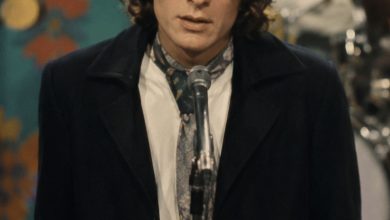
When Merle Haggard Sang a Divided America Into One Classic
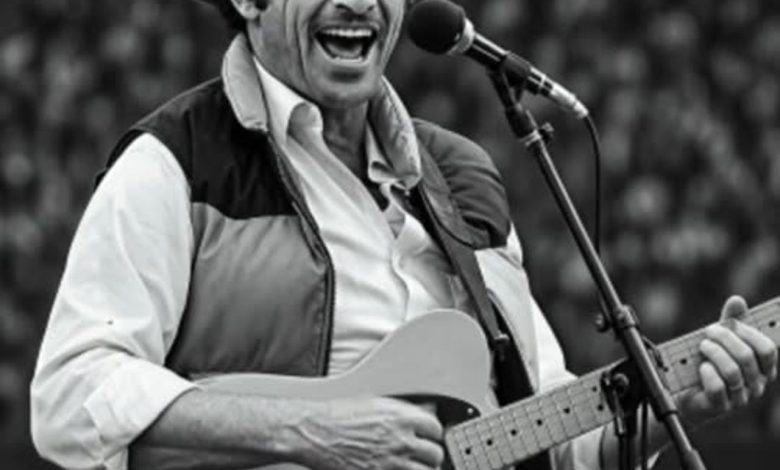
In 1969, Merle Haggard released a song that would become one of country music’s most discussed and enduring classics. “Okie from Muskogee” rose all the way to No. 1, arriving at a time when America was changing fast and public life felt sharply divided. Few country songs have carried the weight of a cultural moment so clearly, or lingered in conversation for so many years afterward.
Part of the song’s lasting power comes from how directly it spoke to its audience. It captured the perspective of small-town values and pride in a way that resonated deeply with many listeners, especially during a period when the country was wrestling with generational tension, protest, and shifting ideas about identity. Whether embraced as an anthem, debated as a statement, or revisited with fresh ears decades later, it refused to be ignored.
Haggard’s style gave the song even more force. He did not need elaborate production or theatrical flourishes to make an impression. His voice, plainspoken and unmistakable, carried the message with a steadiness that felt true to the world the song described. That sincerity helped turn “Okie from Muskogee” into more than a hit record. It became a musical snapshot of its era, one that invited listeners to hear not just a melody but a mindset.
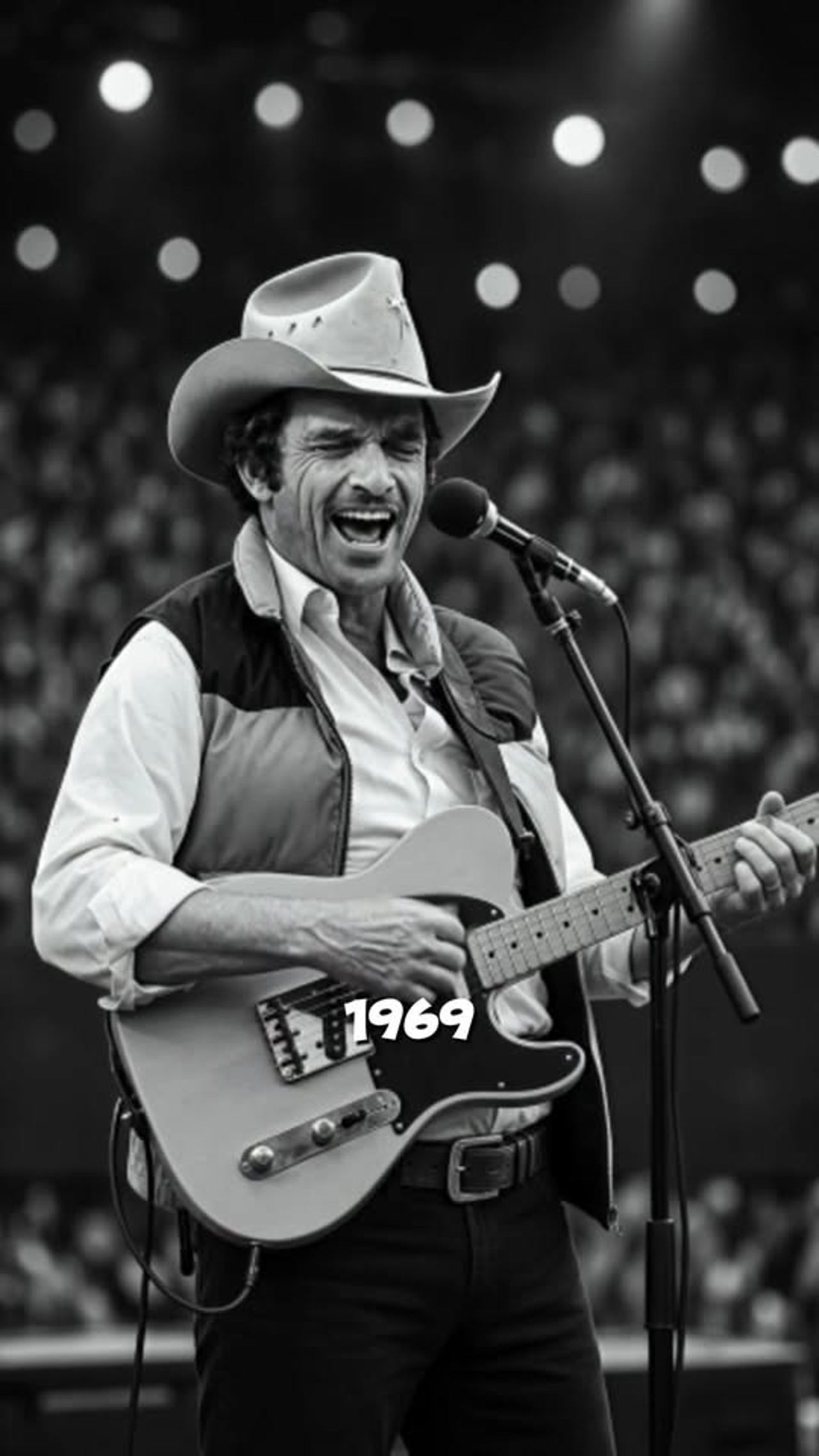
By 1970, when Haggard performed the song on television, the moment had only grown more powerful. Seeing him deliver it on screen now brings back the atmosphere of country music’s golden years, when performances felt grounded, direct, and deeply connected to everyday people. There is something striking about revisiting that appearance today: it offers a window into a time when a song could seem to speak for a whole segment of America in just a few unforgettable lines.
That is part of why the performance still resonates. It is not only about nostalgia, though there is certainly some of that. It is also about witnessing an artist in command of a song that had already entered the national conversation. The television setting preserves more than entertainment; it preserves a mood, a voice, and a chapter in country music history that still stirs strong feelings.
Looking back, “Okie from Muskogee” remains a reminder of how music can reflect a country’s fault lines while also securing a permanent place in its cultural memory. Merle Haggard’s 1970 performance does more than revisit a hit. It returns listeners to a remarkable moment when country music stood at the center of a larger American story, and when one song could echo far beyond the stage.
Read more stories
- The week before Christmas, my son gave me a yellow sticky note with a motel address on it
- My Son Let Go of His Beloved Guitar to Buy a Wheelchair for a Classmate, but What Took Place the Following Day Left Me Stunned!!!
- My Husband Thought I Was Having An Affair—Then A Stranger Exposed What Was Really Going On!!
- I drove 6 hours through a storm to a hotel I owned, only to be handed a $1,400 bill for a