A Few Notes, and 1977 Comes Rushing Back

It only takes a handful of notes for certain songs to open a door in the mind. Suddenly, a different time returns in full color, carrying with it the mood, the style, and the feelings of an entire era. One mention of 1977 is enough to summon a world of memory, and in that world, one unforgettable voice rises above the noise with a song about a love that, in the end, simply was not enough.
There is something timeless about music that tells the truth without trying to soften it. Songs about heartbreak are everywhere, but the ones that endure are the ones that recognize a harder reality: sometimes care, devotion, and hope still cannot save what is breaking. That emotional honesty is what gives a performance its staying power. It is not just the melody people remember, but the way the voice carries disappointment, longing, and acceptance all at once.
When listeners return to a song like this, they are often returning to more than the recording itself. They are revisiting who they were when they first heard it. A car radio. A living room stereo. A dance floor. A quiet evening when the lyrics felt uncomfortably personal. The song becomes a kind of time capsule, preserving not only the sound of 1977 but the private emotions that listeners tucked inside it.
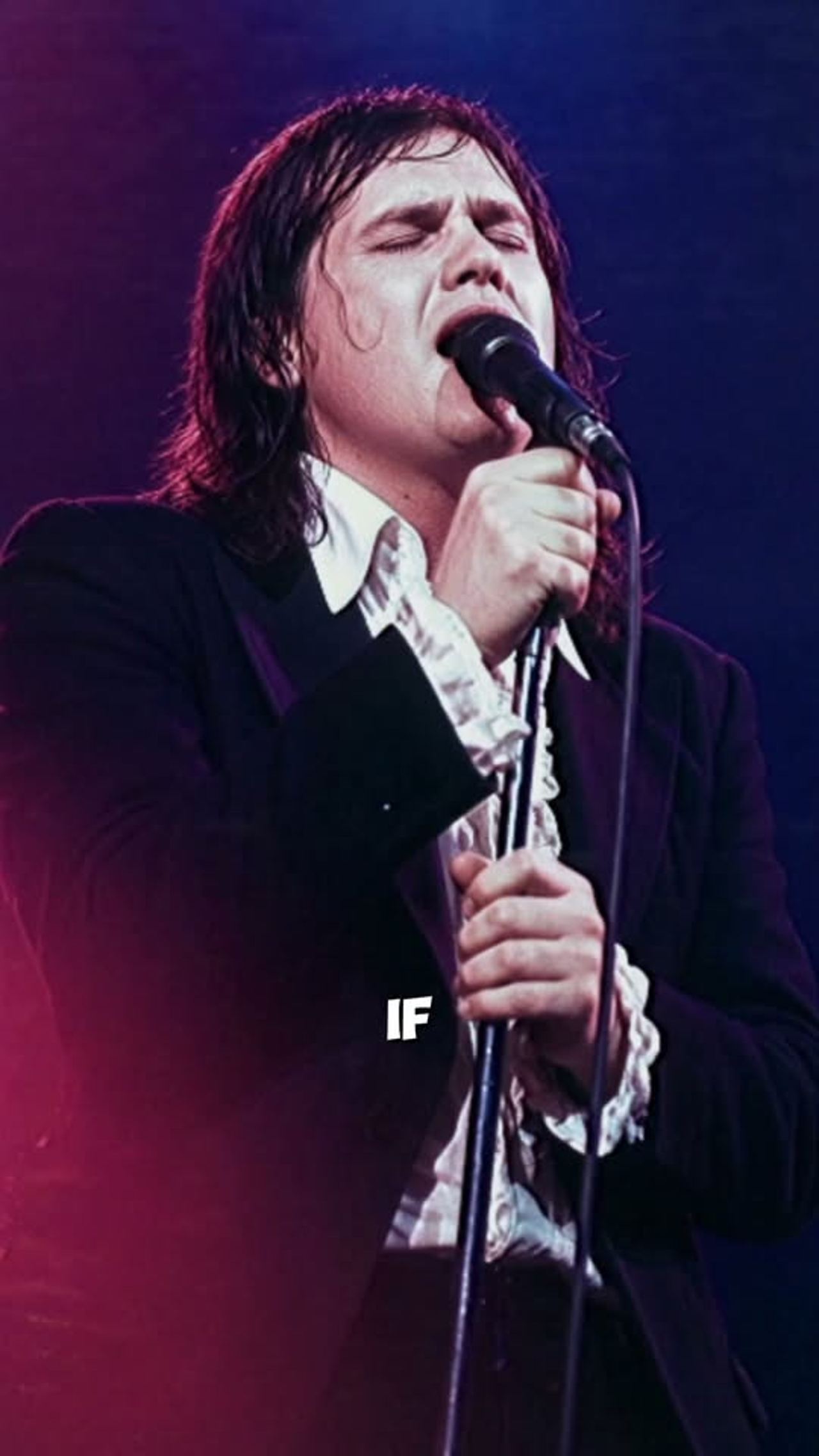
An unforgettable voice can do that almost instantly. It does not merely sing the words; it gives them weight. It makes the story believable. A line about love falling short stops being a familiar sentiment and becomes a lived experience, one that feels intimate even decades later. That is the rare power of a truly memorable performance: it bridges the distance between then and now with astonishing ease.
There is also comfort in how these songs continue to find new ears. What once belonged to one moment can keep speaking across generations, because the feeling at its center never really changes. Love can be deep and sincere and still fail to become what people hoped it would be. A great song does not solve that sadness. It simply gives it a voice, and in doing so, makes listeners feel less alone.
That may be why just a few notes can still stop someone in their tracks. They do more than revive 1977. They awaken the ache, beauty, and tenderness tied to a song that understood something difficult and deeply human. Long after the first release, that voice still lingers, reminding us that music’s greatest gift is not just memory, but recognition.