The Forgotten Innovator Behind Daytime Drama’s Birth
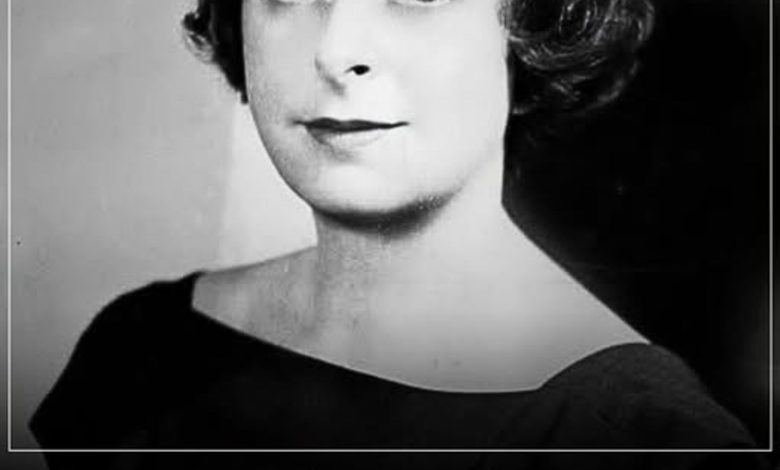
In the bustling city of Chicago in 1930, Irna Phillips found herself at a crossroads. At just 29, she was unemployed, an aspiring actress turned schoolteacher, with dreams that felt lightyears away. With a heart full of hope and an idea she believed in deeply, she stepped into WGN radio station, ready to pitch a concept that was as revolutionary as it was unprecedented: a daily drama that would not conclude in a single episode but would continue indefinitely, evolving day by day as long as there were listeners.
Her daring pitch came at a time when radio was dominated by self-contained stories that wrapped up neatly, adhering to the familiar formula of the era. But Irna was unyielding, convinced that audiences craved something more—a connection that extended beyond a single half-hour segment. On October 20, 1930, the airwaves crackled to life with “Painted Dreams,” a show she not only wrote but also produced and starred in. With no budget to hire additional actors, she poured her heart into the lead role, hoping to draw in an audience that would resonate with her vision.
The show was groundbreaking, marking one of the first forays into serialized storytelling. Yet, as she watched the initial reactions, it was clear that many in the industry dismissed her work as a frivolous endeavor, labeling it as a passing fad. Their scoffs only fueled her determination. The women who tuned in, however, found something special in the daily rituals of empathy, drama, and the relatable struggles of fictional families. Irna had unwittingly tapped into a void; she was speaking to the heart of her audience.
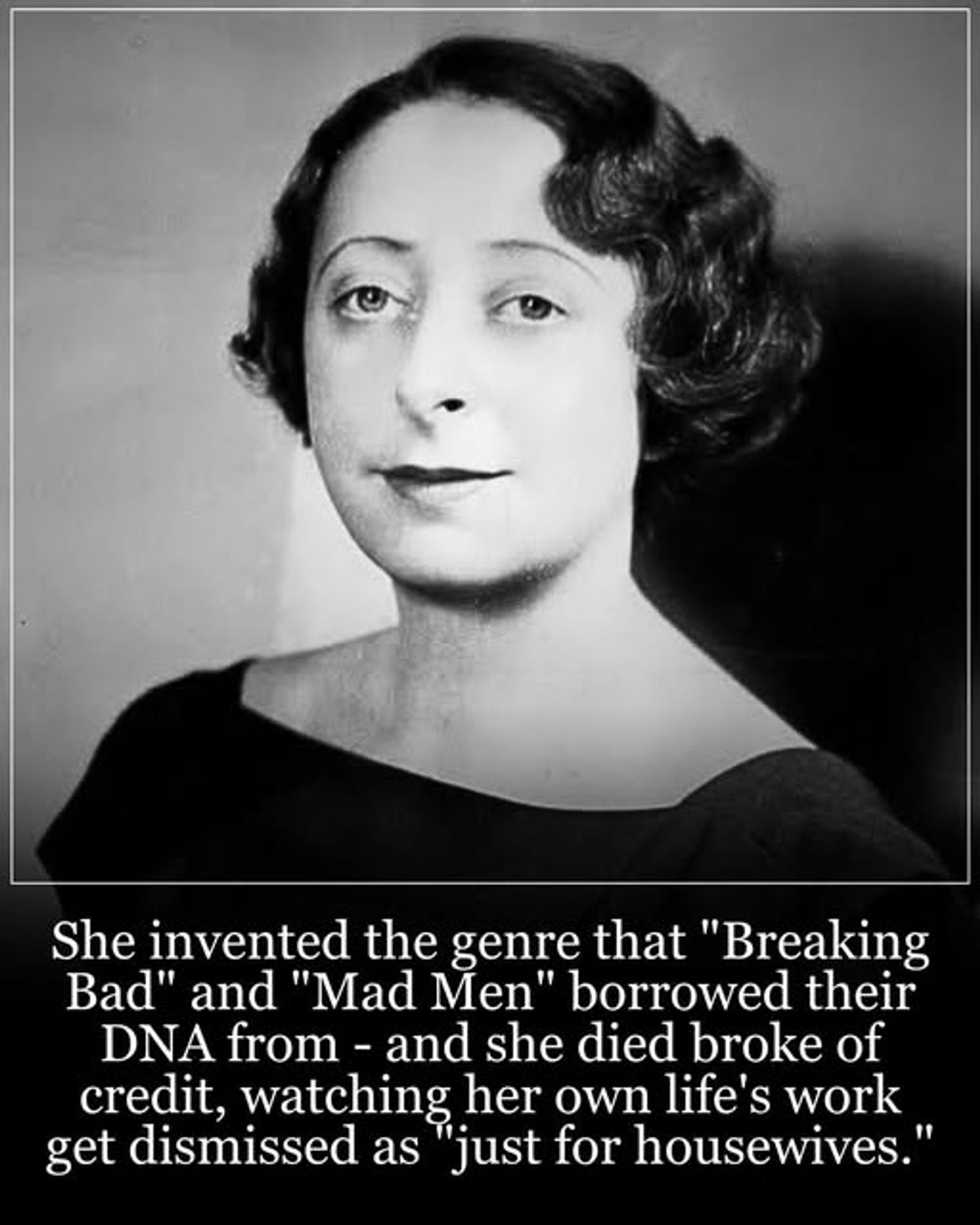
Over the following decades, Phillips became the architect of a new kind of storytelling, crafting a toolkit that would change television forever. She invented the cliffhanger, a device that would leave audiences yearning for more. She understood the power of emotional music swelling beneath poignant scenes, guiding viewers to feel before they could articulate their emotions. She paced her narratives deliberately, allowing small moments and conversations to breathe, creating a tapestry of life that reflected the complexities of human relationships.
By 1956, the stage was set for her bold vision to transition to television. “As the World Turns” premiered on CBS, set in the fictional Oakdale, depicting the intricacies of family life, marriages, and secrets. Critics derided it as dull, yet its slow storytelling captured the hearts of millions of housewives and everyday viewers. Within two years, over ten million people tuned in daily, proving that Irna’s ideas were not only viable but transformative.
Despite her monumental contributions, Phillips remained in the shadows of history, her name often overlooked in the annals of television lore. Yet her legacy is undeniable; she laid the groundwork for the narratives that have captivated audiences across generations. Today, as viewers binge-watch their favorite series and discuss cliffhangers online, they owe a silent gratitude to the woman who dared to dream of stories without an ending. In her journey, we find a reminder that innovation often lies in the courage to defy convention, and sometimes, the most impactful legacies are those that quietly reshape the world.