The Unlikely Rise of Nancy Astor: From Poverty to Political Power
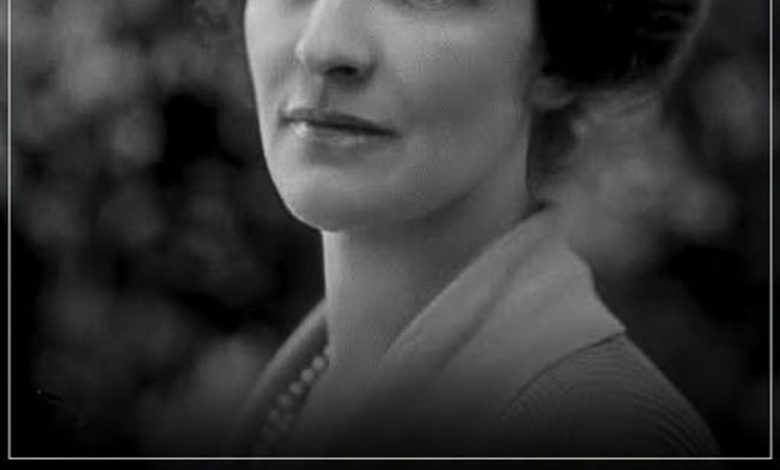
In the quiet town of Danville, Virginia, in 1879, a girl named Nancy Astor was born into a world still reeling from the scars of the Civil War. Her family, once prosperous, had been reduced to scraping together a living. Her father, a determined man, worked tirelessly, ensuring his children had opportunities he had been denied. It was a humble beginning, one that would shape Nancy’s fierce resolve and ambition.
By her late teens, Nancy was a striking presence, known not just for her beauty but for her sharp wit. At 18, she married a wealthy Bostonian, hoping to step into a fairy tale life. Yet, the reality she faced was far from romantic; her husband’s addiction suffocated their union, and by 1903, she found herself standing at the precipice of disgrace, a divorced single mother at just 24. In an era when women were expected to retreat into the shadows after such a fall, Nancy chose to defy expectations.
With courage that seemed almost foreign for a woman of her time, she packed her bags and her young son, embarking on a voyage across the Atlantic to England. There, she felt a sense of liberation, a chance to reconstruct her life away from the judgmental eyes of her past. London welcomed her with open arms; her charm and intelligence quickly turned her into a social sensation, and it wasn’t long before she met Waldorf Astor, the heir to a significant fortune. They married in 1906 and moved to Cliveden, a lavish estate that would soon be synonymous with power and influence.
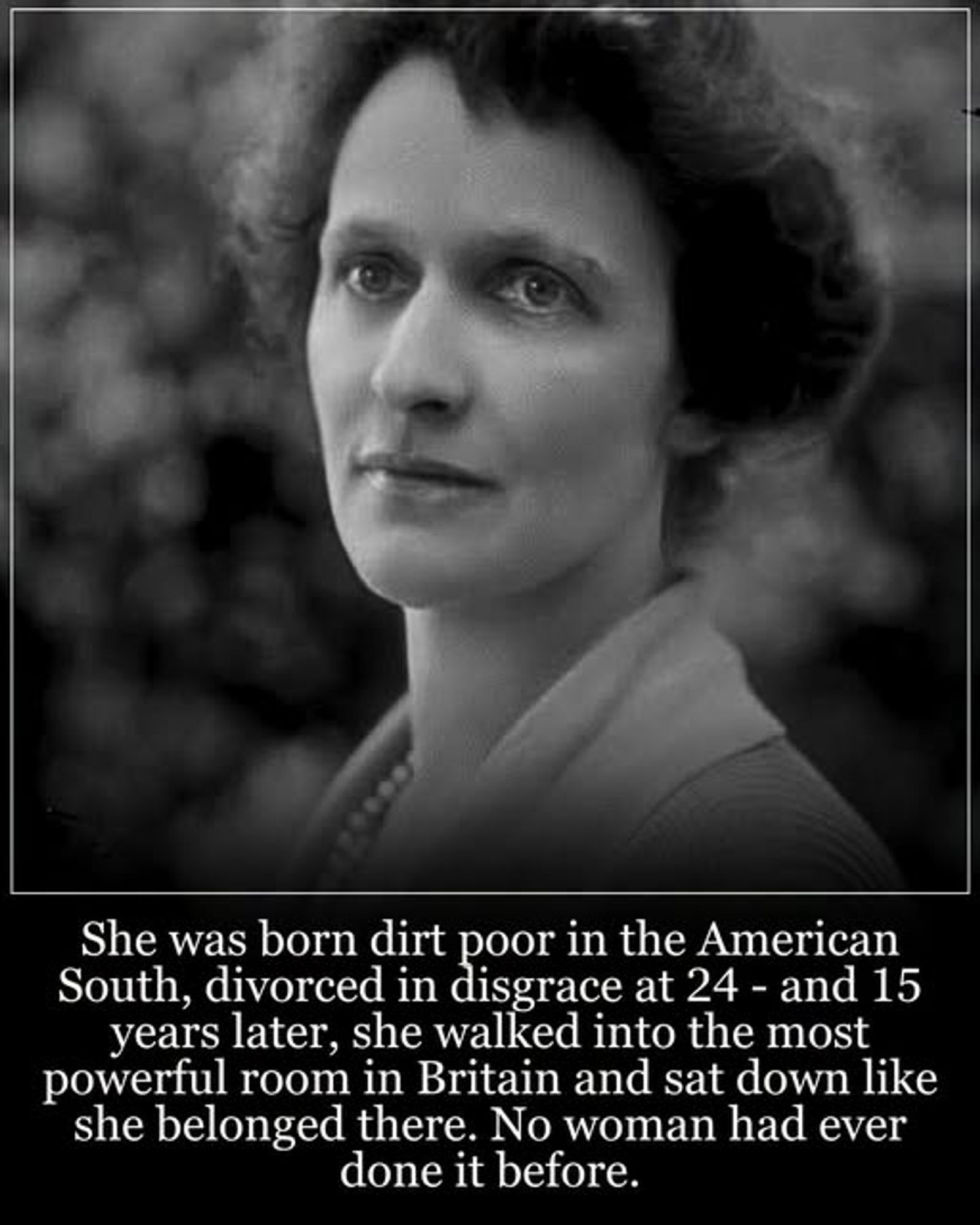
For over a decade, Nancy played the role of the brilliant hostess, but deep within her heart, she yearned for more. Her ambitions were not merely about social standing; they were about making her mark in a world dominated by men. In 1919, a twist of fate shattered the status quo when Waldorf’s father passed away, and he inherited his title in the House of Lords, leaving a vacancy in the House of Commons. It was then that Nancy saw her chance, a moment that could change everything.
At that time, it had only just become legal for women to run for Parliament, and while one woman had technically been elected the year before, she had never taken her seat. With a fierce determination ignited within her, Nancy launched a campaign that was as bold as it was unprecedented. She faced ridicule for being an American and for daring to step into a man’s world, yet she countered every insult with her trademark wit and resilience.
As the campaign unfolded, Nancy became a symbol of defiance against societal norms, embodying the spirit of a woman who would not be silenced. In an election that echoed with uncertainty, she made history by becoming the first woman to take her seat in the House of Commons. Her presence in that powerful room marked a turning point, not just for her, but for women across Britain and beyond.
Reflecting on her journey, one can’t help but admire the tenacity that drove Nancy from the depths of poverty to the heights of political power. Her life was not a fairy tale, but a testament to the strength of the human spirit and the relentless pursuit of one’s dreams. In a world where women were expected to conform, Nancy Astor carved her own path, forever altering the landscape of British politics and inspiring generations to come.