A Soldier’s Silent Valor: The Story of Desmond Doss at Hacksaw Ridge
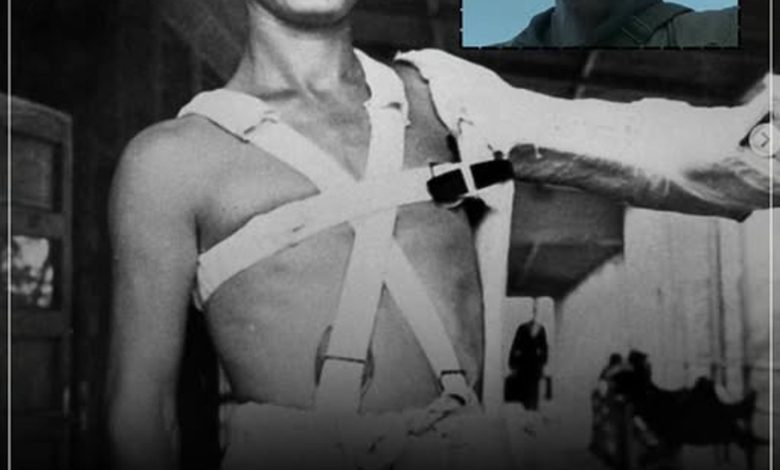
In the heart of a world engulfed by turmoil, a young man from Lynchburg, Virginia, made a declaration that would echo through history. It was 1942, and Desmond Doss walked into an Army recruiting station, his intentions noble yet unconventional. When he announced his desire to serve his country, he followed it with a poignant caveat: he would not carry a weapon. Not a rifle, not a pistol, not even a knife. As a devout Seventh-day Adventist, Doss had taken a vow to save lives, not to take them. This commitment transformed him from a mere recruit into a conscientious objector, a man determined to fight the horrors of war in his own way.
The atmosphere in the recruiting station shifted palpably. Officers exchanged bewildered glances, and a heavy silence fell over the room. His fellow soldiers, however, were less understanding. To them, Doss was not a hero; he was a coward, a man hiding behind the guise of religion. They hurled insults and boots at him while he knelt, praying for strength. The hostility peaked when one soldier ominously vowed to ensure Doss wouldn’t return home. His resolve faced relentless scrutiny, and attempts by commanding officers to declare him mentally unfit for service only strengthened his determination. Desmond Doss would not waver. He shipped out to the Pacific as a medic, armed with nothing but his faith and a determination to help others.
As the war raged on in places like Guam and the Philippines, Doss showcased his unwavering courage. He crawled through enemy fire, risking his life to drag the wounded to safety, earning two Bronze Stars for his bravery. Gradually, the soldiers who once scorned him began to see him in a different light. Their perception shifted from that of a coward to one of admiration. Doss had earned their respect through sheer determination and selflessness, proving that courage comes in many forms.
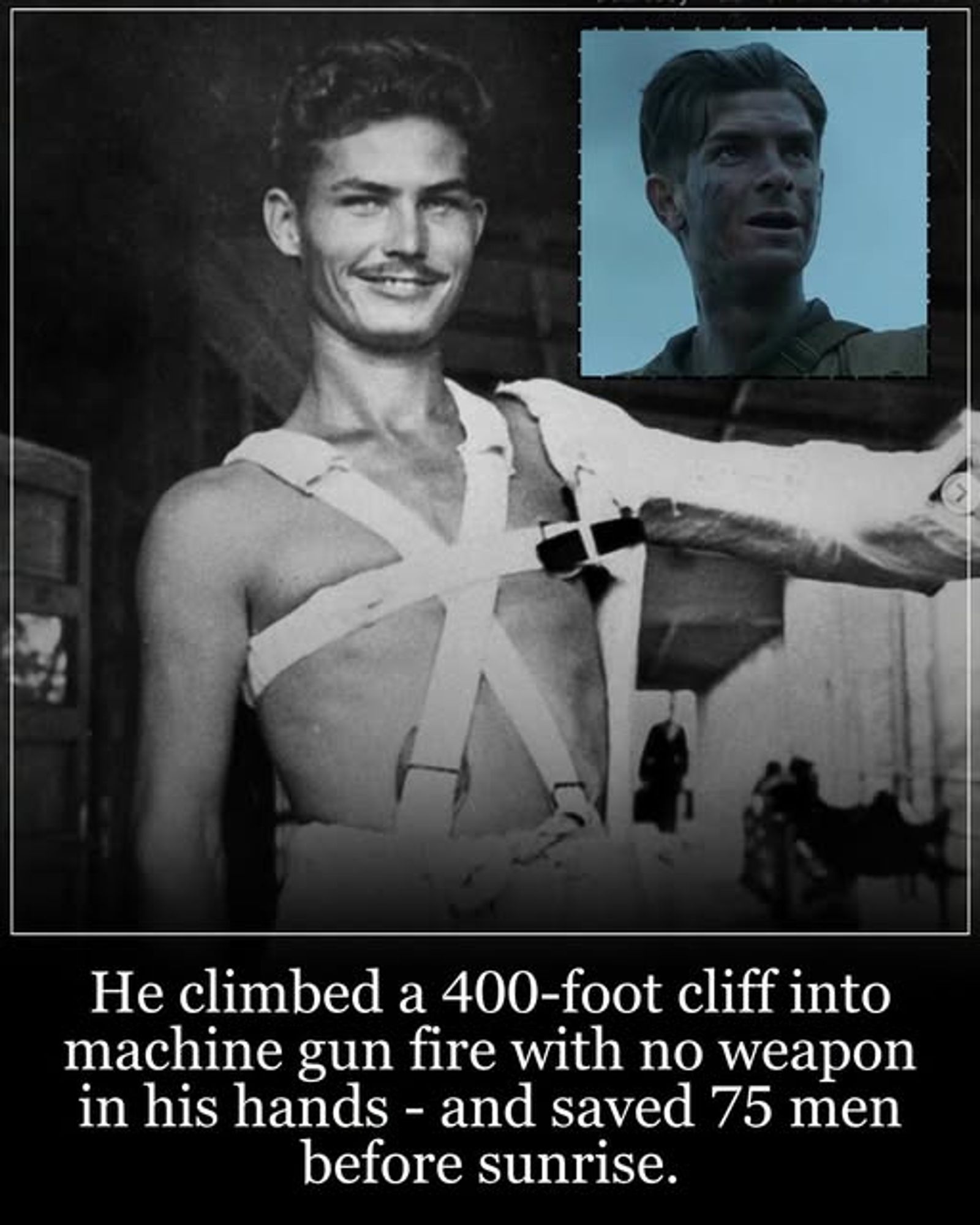
The pivotal moment arrived on May 5, 1945, a Saturday, which was also Doss’s Sabbath—a day he dedicated to prayer. His battalion was given the harrowing task of capturing the Maeda Escarpment, a sheer 400-foot cliff known as Hacksaw Ridge. As they advanced, the Japanese forces unleashed a torrent of fire from their fortified positions. The battlefield transformed into a scene of chaos and horror, with the American soldiers retreating under the relentless barrage. All but one.
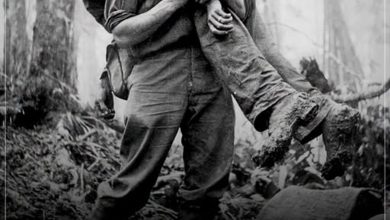
Desmond Doss, the man they once mocked, remained on the ridge, undeterred. In a heart-stopping display of valor, he crawled through the darkness, amid explosions and gunfire, searching for fallen comrades. His spirit and resolve shone brightest during those hours of hell as he methodically rescued each injured soldier, whispering a simple prayer between each act of bravery: ‘Lord, help me get just one more.’
And he did. Again and again, Doss returned to the treacherous battleground to save lives, his actions weaving a powerful narrative of love and sacrifice in the midst of despair. His bravery not only transformed the lives of those he saved but also reshaped the perception of what it meant to be courageous in a time of war. Desmond Doss’s legacy serves as a poignant reminder that true bravery lies not in the weapons one carries, but in the strength of one’s convictions and the unwavering commitment to stand for what one believes in, even amidst the darkest trials.