From War to Western: The Unseen Journey of James Arness
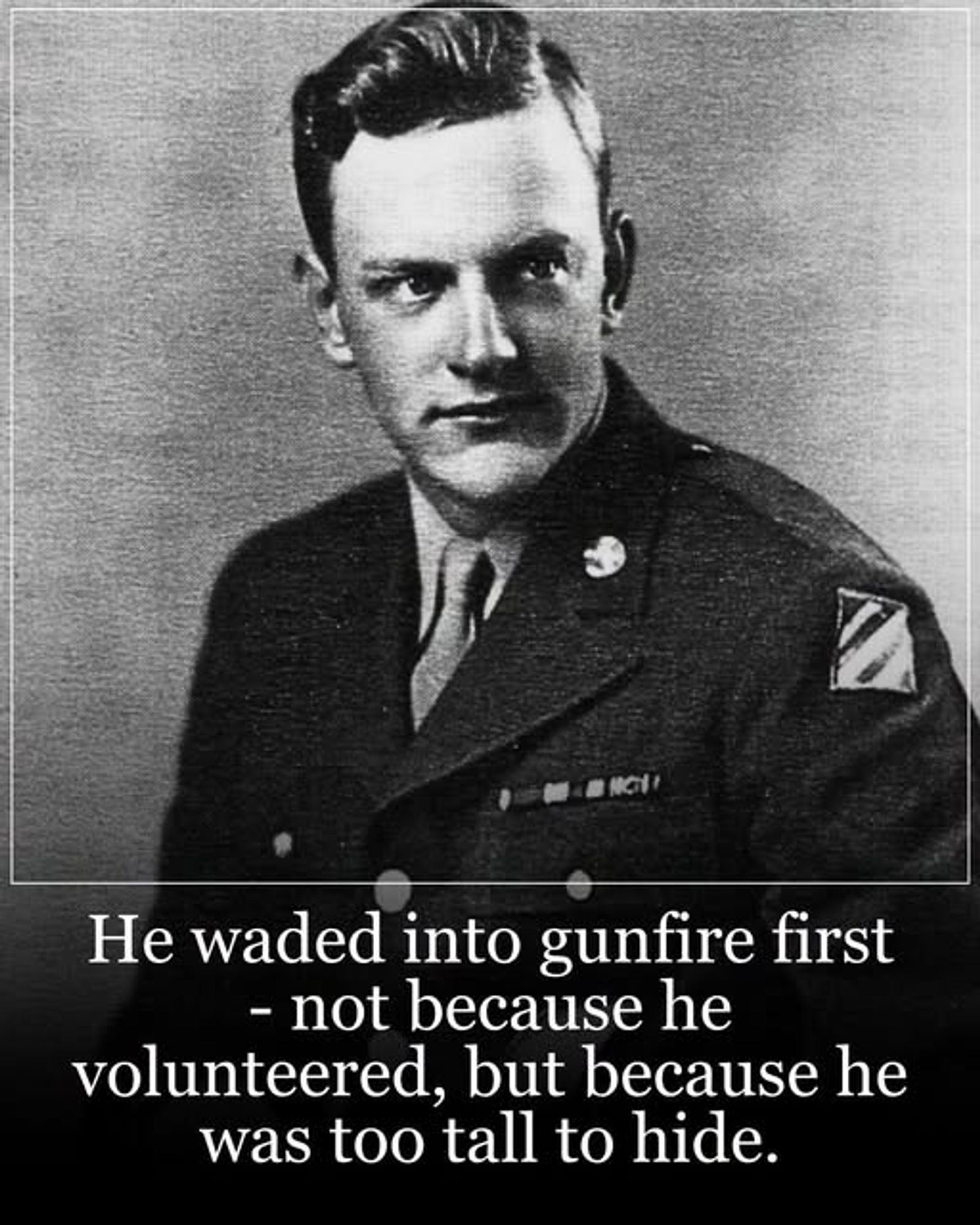
On January 22, 1944, as the landing craft doors trembled open at Anzio, Italy, twenty-year-old Private James Arness stood at the front, tall and unwavering. At six foot seven, his height made him less of a soldier in that moment and more of a target, yet also a shield for those who followed. He hadn’t volunteered for this hazardous role; the Army simply needed someone to brave the water first, and that someone was him. With the waves crashing around his waist, he took that fateful step into the chaos, bullets singing past him as thousands of troops surged behind, relying on the path his courage carved through the treacherous surf.
The battle that followed was relentless. The air buzzed with gunfire, and amidst the confusion, a machine-gun burst shattered the calmness of Arness’s military aspirations, ripping through his right leg. The pain shot through him like a lightning bolt, and in that instant, dreams of becoming a fighter pilot slipped away, replaced by the stark reality of mortality. He was quickly evacuated to military hospitals, where the fight for his life continued — a struggle that would stretch on for nearly a year. The wound became infected, and the specter of amputation loomed dangerously close, but a new drug called penicillin emerged as his unlikely savior.
When the dust finally settled, Arness emerged from the hospital with scars that would tell a lifetime of stories. His leg, once a symbol of his strength, now bore the mark of war, measuring two centimeters shorter than it had before, forever a reminder of that harrowing day. On January 29, 1945, he was honorably discharged, a Bronze Star and a Purple Heart pinned to his chest, but the ache in his leg was a wound that would never fully heal. Most men, faced with such trials, would have retreated into the shadows, but Arness’s spirit was an indomitable one.
Determined to forge a new path, he enrolled at Beloit College under the GI Bill and soon found work as a radio announcer back in Minneapolis. Yet, the bright lights of Hollywood called out to him, promising a chance to reinvent himself. He navigated the arduous world of film, enduring years of overlooked roles that tested his patience and resolve. However, fate would soon intervene in the form of John Wayne — a towering figure in his own right who believed in Arness’s potential.
In 1955, CBS sought a commanding presence for their new Western, Gunsmoke, and Wayne pushed for Arness to land the role. In a poignant moment, Wayne appeared in the show’s prologue, introducing Arness to America, a gesture that would forever change his life. As Marshal Matt Dillon, Arness brought a depth of character molded by his own experiences — a blend of authority and resilience that resonated with viewers across the nation.
For twenty years, he walked the dusty streets of Dodge City, embodying a character shaped not just by the scripts he recited, but by the battles he fought in both life and war. James Arness became a household name, yet few knew the man behind the badge had faced the ultimate test of courage long before the cameras rolled. His story is a testament to the human spirit’s capacity to rise from the ashes of pain and loss, seeking not just survival, but a life filled with purpose and passion.