The Unyielding Fight of Anne Clifford for Her Inheritance

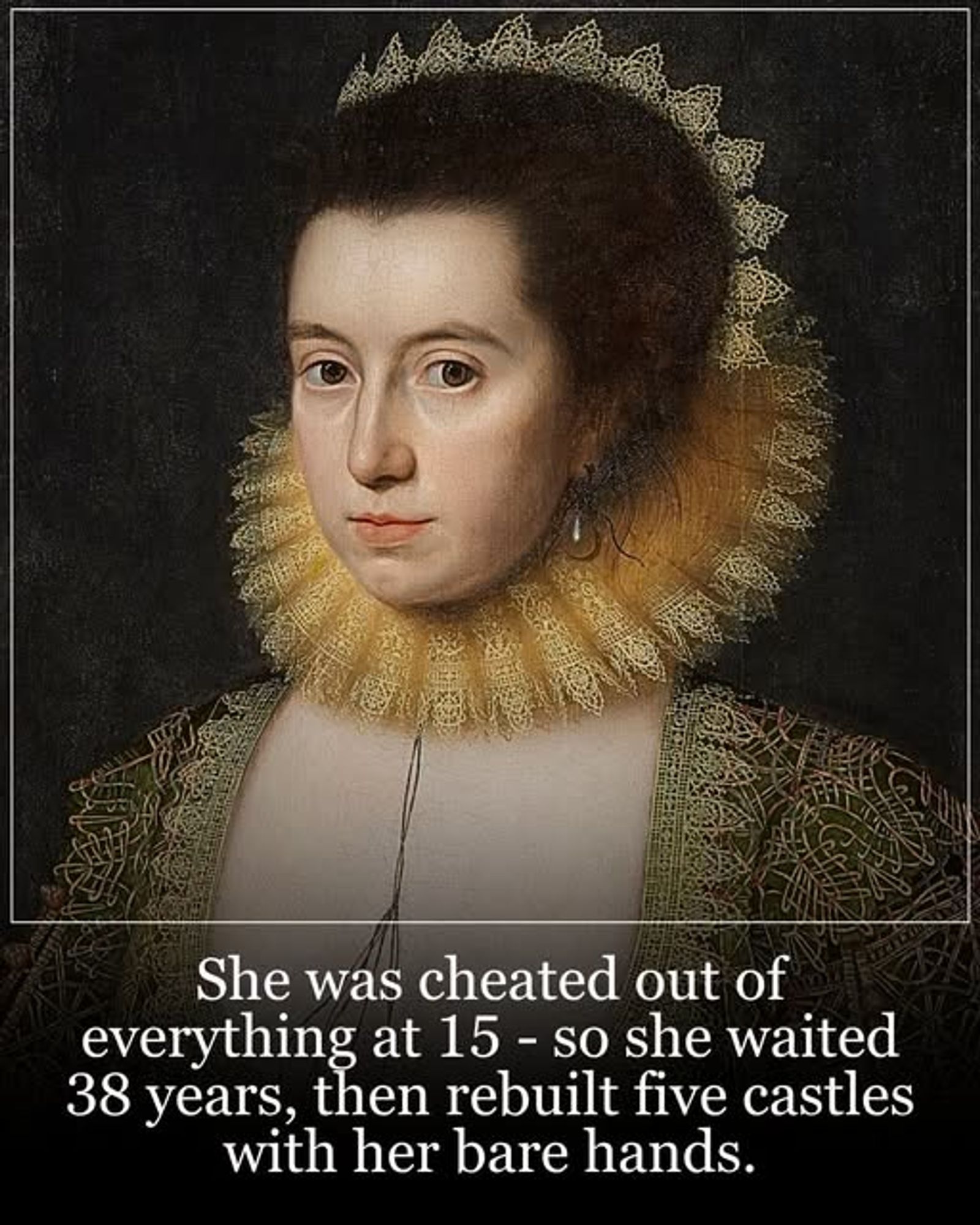
In 1605, the sun dipped low over the rolling hills of northern England, casting long shadows across the imposing structures that formed the Clifford estate. Fifteen-year-old Anne Clifford stood at a crossroads, the weight of loss heavy on her small shoulders. Just moments after mourning her father, she faced an even graver injustice—her inheritance was snatched away in a single, cruel act of patriarchal disregard. With her two brothers lost to infancy, her father’s immense fortune and five magnificent castles were meant to be hers by right, dictated by centuries-old law.
But Anne’s father chose differently, bequeathing the entire estate to his brother, leaving his only surviving child with nothing but a mere sum of money. In this disheartening moment, a flicker of defiance ignited within Anne’s heart. While many would have accepted this fate and quietly moved on, Anne refused to be silenced by the societal norms that deemed her unworthy simply for being a girl. With unwavering support from her mother, she embarked on a legal battle that would consume the next forty years of her life—a fight not just for ownership, but for recognition and dignity.
Anne’s journey through the courts was fraught with twists and turns, each victory met with the sting of defeat. Courts ruled in her favor only to have decisions overturned, leaving her uncle, emboldened by his privilege, to cling to the properties she rightfully deserved. When Anne married, her husband took control of her case, not out of solidarity but in pursuit of the estates for himself. When she resisted a settlement that would strip her of her claim, his fury matched that of the king, who exerted pressure on her to relent. Yet, Anne stood resolute, her spirit unyielding against the tides of authority.
In 1616, heartbroken but determined, Anne made a poignant visit to the castles that represented both her dreams and her despair, knowing it would be her final farewell to her mother—the only person who had always stood by her side. The loss of her mother weeks later left a gaping void in Anne’s life, yet the fire within her refused to extinguish. The legal battle continued, though with diminished support, and a settlement was reached without her consent, depriving her of both her inheritance and her agency.
Time marched on. Anne’s husband passed, and she remarried, yet the fight remained her own. Through the years of waiting and reading, she clung to hope, her resolve deepening with each passing day. Finally, in 1643, thirty-eight long years after being denied her birthright, fate intervened. With the death of her cousin, the law dictated that the estates revert to her. At the age of fifty-three, Anne Clifford was no longer a girl denied her inheritance; she was the rightful owner of the life and legacy that had been wrested from her.
But even this triumph was tinged with the shadows of war and loss. As she stood at the helm of her reclaimed estate, she reflected on the decades of struggle, the love of her mother that fueled her tenacity, and the price she had paid for her rightful place in history. Anne’s story is not just one of ownership; it’s a testament to resilience, a reminder that the fight for justice often takes a lifetime, but in the end, the spirit of one can reclaim the world.