The Japanese Art of Napping at Work: A Sign of Dedication
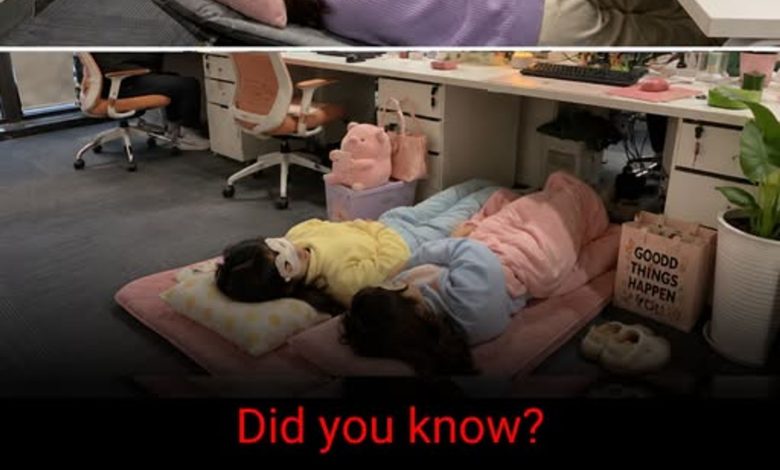
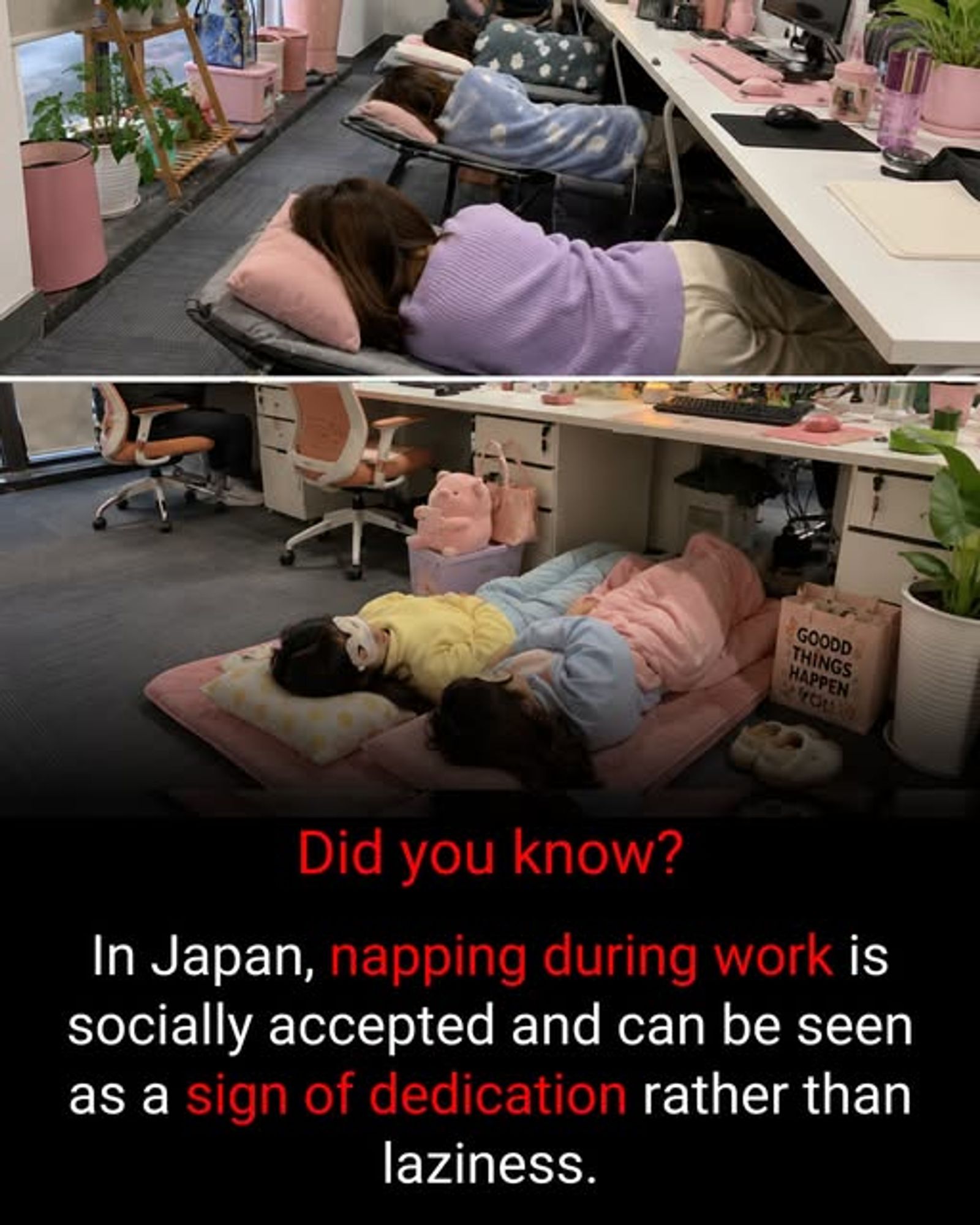
In the bustling heart of Tokyo, the hum of office life is palpable. Amidst the clacking of keyboards and the murmur of conversations, a curious sight unfolds: employees, heads resting on their desks, eyes gently closed. This is not a sign of laziness or a lack of commitment; rather, it embodies a deeply ingrained cultural practice known as “inemuri.” This term translates to “being present while sleeping,” and it encapsulates a philosophy that may seem perplexing to outsiders.
Inemuri is a tradition that highlights the struggles of Japan’s work culture, where long hours often blur the line between dedication and exhaustion. It is common to see senior employees taking brief naps during their workday, a silent testament to their tireless efforts. These moments of rest convey a message: the individual has pushed themselves to their limits, their bodies demanding a respite from the relentless pace of their professional lives.
The practice extends beyond the confines of office walls. On crowded trains, weary commuters find solace in a few stolen minutes of sleep. In meeting rooms, even during presentations, it’s not uncommon for senior figures to nod off momentarily, their presence still felt even as they drift into a light slumber. There’s an unspoken understanding that they are to remain alert enough to respond when called upon, a delicate balance between rest and engagement that many have mastered.
Yet, not all employees enjoy the same privilege. Junior staff members, often caught in the throes of discussions and brainstorming sessions, are expected to remain fully awake and engaged. For them, the sight of their seniors napping can serve as both a comfort and a challenge; they aspire to reach that level of experience, where a quick nap is an acknowledgment of hard work, not a signal of neglect.
To outsiders, this practice can be surprising, even shocking. In many cultures, sleeping at work is a breach of professionalism, equated with a lack of discipline or motivation. However, in Japan, inemuri stands as a stark contrast, reflecting a society that often equates long hours with dedication and commitment. It serves as a poignant reminder of the lengths to which many people go to fulfill their responsibilities, revealing the hidden struggles behind the polished veneer of corporate life.
As the world becomes increasingly aware of the need for mental health and work-life balance, the tradition of inemuri may prompt reflection on how societies view productivity and rest. Perhaps, in the gentle embrace of a brief nap, there lies an opportunity to rethink our definitions of dedication, commitment, and, ultimately, the human experience in the workplace.
In this intricate dance of work and rest, the practice of inemuri invites us to consider the value of self-care amid the relentless pursuit of success. It challenges us to embrace our humanity, recognizing that sometimes, a moment of vulnerability can manifest the truest form of dedication.