The Unlikely Journey of a Wax Sculptor in Revolutionary France
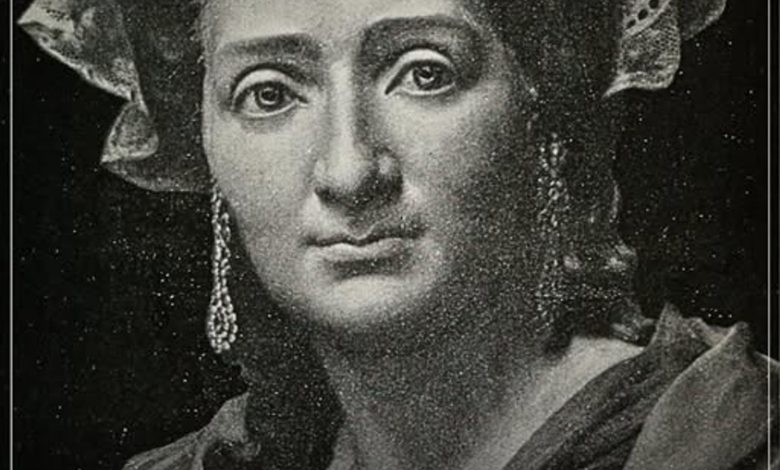
Anna Maria Grosholtz’s life began in the vibrant city of Strasbourg in 1761, a place rich with culture and history. Yet, her early years were marked by tragedy. Her father’s death during the Seven Years’ War cast a long shadow over her childhood, leaving her mother to navigate the world alone. Seeking stability, Anna’s mother took a job as a housekeeper for a physician named Philippe Curtius in Bern, Switzerland. It was there that Anna first encountered the mesmerizing art of wax modeling, captivated by Curtius’s uncanny ability to replicate human faces with astonishing detail.
As the young girl watched Curtius sculpt, she felt an awakening within her, a desire to emulate his craft. With keen eyes and a steady hand, she began to learn the intricacies of wax portraiture, honing her skills under the watchful gaze of her mentor. When they relocated to Paris, a city teeming with the wealthy elite who clamored for lifelike representations of themselves, Anna found herself at the heart of a burgeoning art form. In an era devoid of photography, her wax figures became treasured keepsakes, the closest semblance of memory that families could hold onto.
By the time she reached her teenage years, Anna had become remarkably adept, creating her first solo figure by 1777. However, the winds of change were brewing ominously. The summer of 1789 ushered in the French Revolution, a tumultuous period that would upend not just the political landscape but also the very fabric of Anna’s life. The aristocrats and cultured patrons who once adorned her studio were now targets of a society poised for upheaval. One by one, they disappeared, victims of a relentless guillotine.
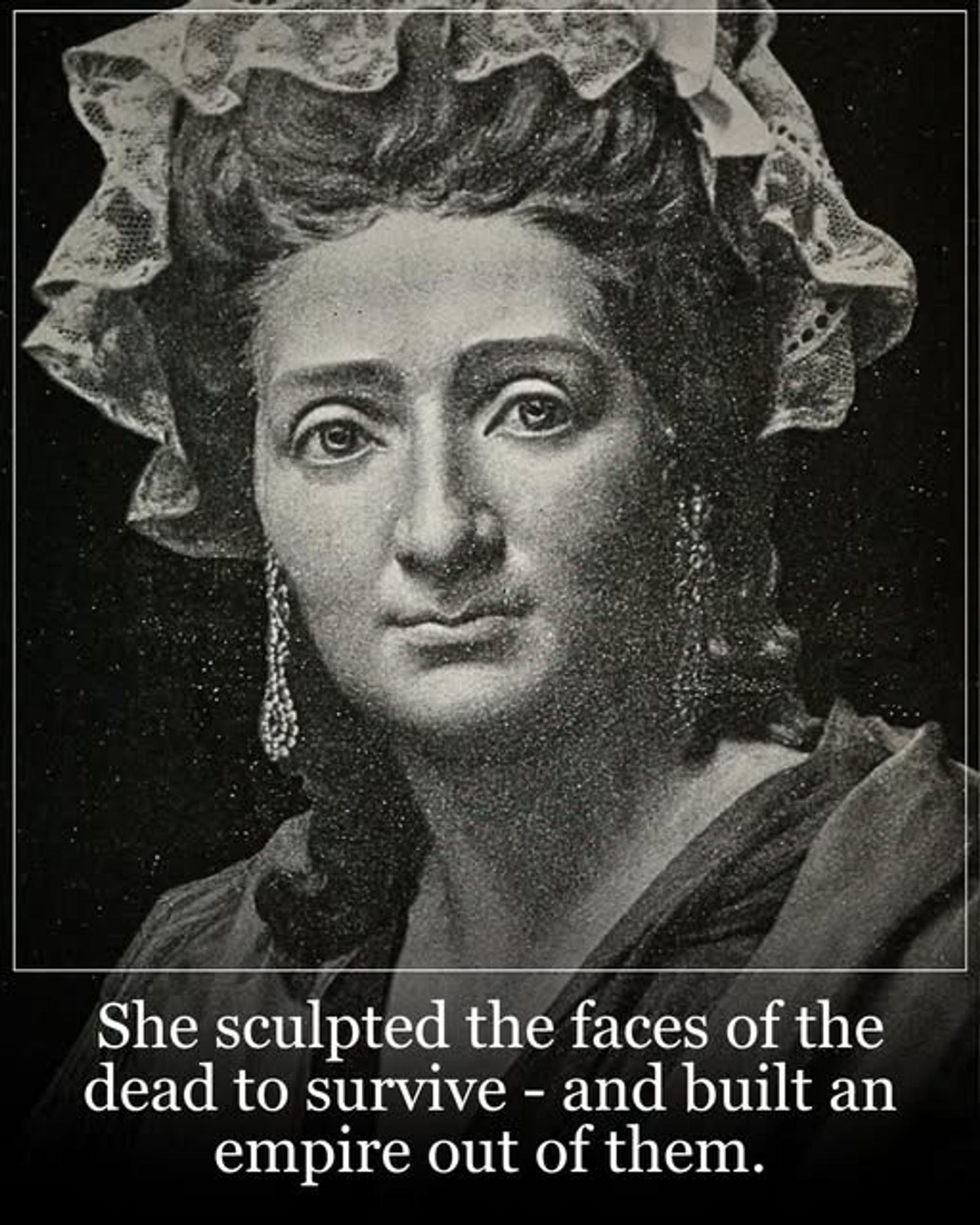
As the Revolution descended into chaos and fear known as the Reign of Terror, Anna found herself swept up in the madness. Arrested on suspicion of royalist sympathies—an unfortunate consequence of her connections—she spent months in a prison cell, confronting the very real possibility of her own execution. Miraculously, she emerged alive, but the world she once knew was irrevocably altered.
In the grim aftermath, her skills became a lifeline. With a demand for mementos of the fallen growing in the wake of the upheaval, Anna’s wax artistry transformed from a delicate craft into a vital necessity. She preserved the likenesses of those lost, capturing their essence in a world that was struggling to remember them. Curtius, her guiding light, had managed to navigate the Revolution with care, and it was his connections that aided her release. His passing in 1794 left her with his invaluable collection, a legacy that tied her to her haunted past.
In 1795, Anna married François Tussaud, a relationship overshadowed by discontent, but the following years would see her embark on a new adventure. In 1802, she left France for Britain, bringing her collection with her and severing ties with the tumultuous life she once knew. As she established herself in London, Anna Maria Grosholtz, now known as Madame Tussaud, would create a legacy that would endure through the ages, immortalizing figures who shaped history while reflecting on the resilience of her own spirit in the face of adversity.