The Silent Legacy of Shoeless Joe Jackson: A Hidden Struggle in Fame
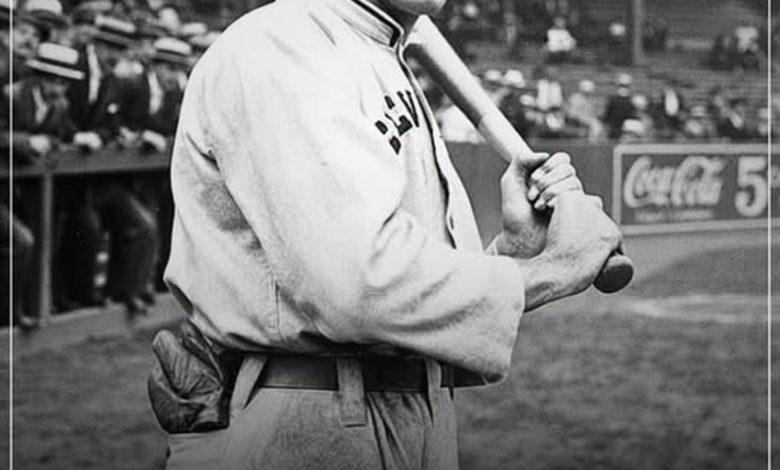
In the small, dusty town of Greenville, South Carolina, a young boy named Joe Jackson learned early on that life had plans for him beyond the classroom. Instead of attending school, he was sent to work in a textile mill at the tender age of six, where cotton fibers floated in the air like dreams left unfulfilled. There were no books on his family’s shelves, no lessons to guide him, and as the years passed, Joe learned to navigate a world he could not read. The irony was heavy; the world would come to know him as one of baseball’s greatest hitters, yet he could not decipher his own name in print.
As Joe grew, so did his talent on the baseball field. He became known as “Shoeless” Joe, a nickname earned when he played a game barefoot, after his shoes became painful during a match. His swing was legendary, capturing attention with its effortless power. Even Babe Ruth would later claim to have modeled his own batting stance after Jackson’s. But behind this celebrated facade lay a secret—a lifetime of illiteracy. Joe’s wife, Katie, became his lifeline; she read contracts, letters from fans, and newspaper articles to him, allowing him to navigate a world dominated by words. Joe’s world was one of shadow and silence, where he meticulously avoided situations that would expose his inability to read.
When Joe traveled on the road with his team, he would carefully listen as others ordered at restaurants, memorizing their choices so that he could mimic them and never reveal his secret. Each small act of survival was a testament to the lengths he would go to maintain his dignity. He was a man forever defined by his swing, yet burdened by a reality that threatened to unravel him should anyone discover the truth.
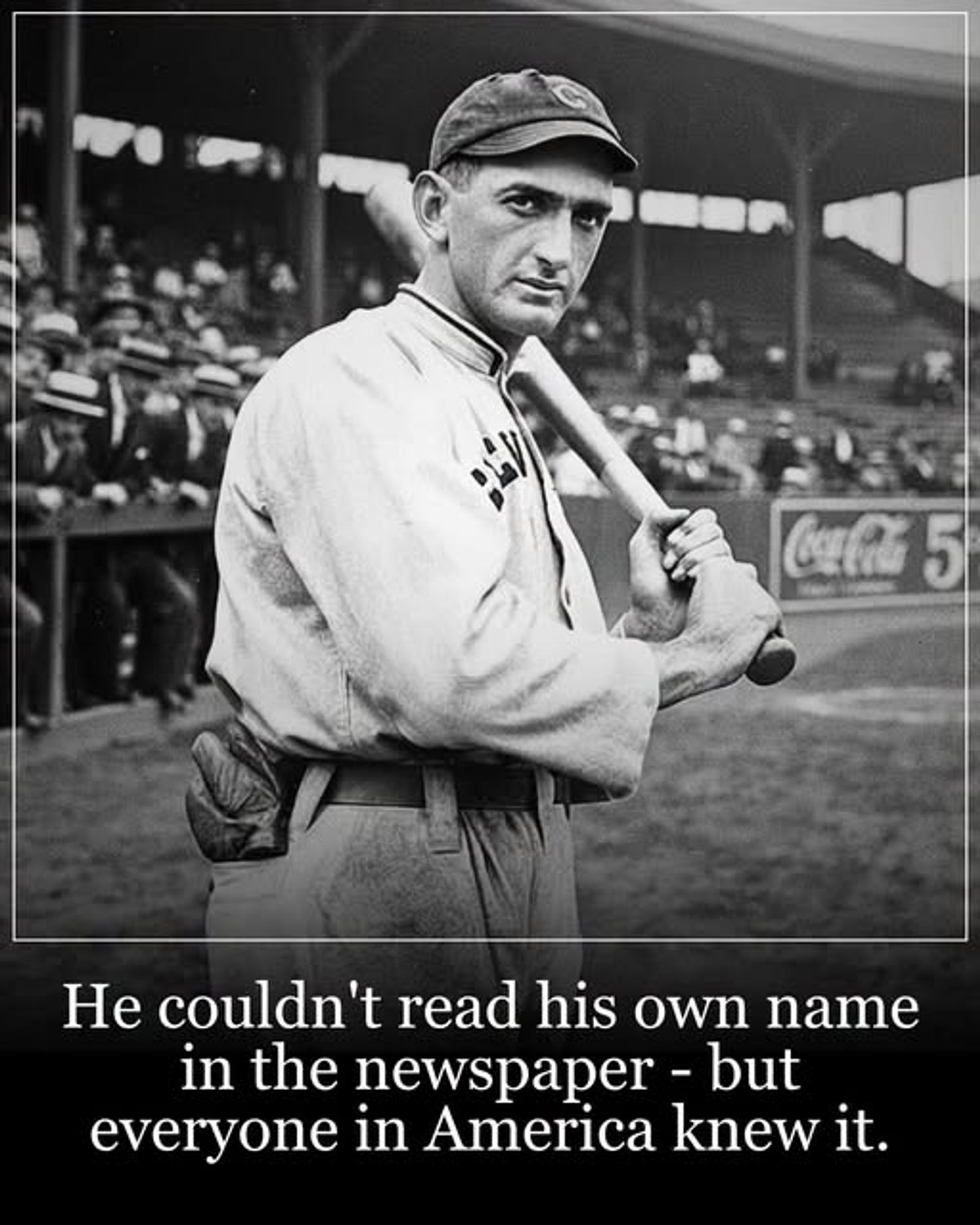
Then came the tumultuous year of 1919, a turning point that would forever stain his legacy. Jackson, along with seven teammates from the Chicago White Sox, found himself embroiled in one of the most notorious scandals in sports history. Accusations of collusion with gamblers echoed in the halls of power, and Joe, overwhelmed by the enormity of the situation, confessed to accepting $5,000 to participate in the scheme. But on the field, he performed brilliantly, hitting an astounding .375 in the World Series, the highest average of any player. His bat seemed to rebel against the notion of throwing games, as if he were pleading with the world to see the truth of his character.
Despite being acquitted of any criminal wrongdoing, the newly appointed baseball commissioner, Kennesaw Mountain Landis, banned him from the sport for life, a punishment rooted in a desire to protect baseball’s image rather than in justice. Joe Jackson walked away from the courtroom, perhaps relieved, yet heartbroken—a man stripped of his passion and purpose. His name was expunged from Hall of Fame ballots, forever consigned to the shadows of a sport that seemed to forget him.
In the end, Shoeless Joe Jackson never learned to read or write. His silence echoed through a life of triumph and tragedy, a man whose greatness was overshadowed by a scandal that silenced him. The irony remains poignant: a natural talent taken from the spotlight, not for his failures on the field but for the sins of others. His legacy, marked by both brilliance and betrayal, reminds us of the stories that often go untold—the struggles of those who, despite their greatness, remain forever misunderstood.
Read more stories
- Released in 1971, this cheerful pop hit sounded bright and carefree on the surface… But hidden inside the lyrics was a surprisingly sad story most listeners never noticed.
- Shelley Winters: A Voice That Refused to Be Silenced
- Ed Harris’s Journey from Frustration to Acceptance in Dutton Ranch
- The Last Ride: John Wayne’s Moving Farewell in The Shootist