Bernie Kopell’s long road from Navy duty to TV stardom
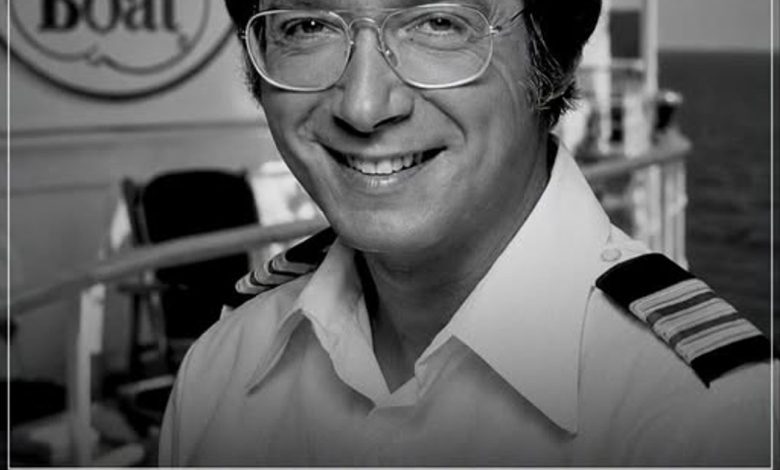
Bernie Kopell left the Navy in 1957 believing the hardest part of his life was behind him. He had finished his degree in dramatic arts in New York with one dream in mind: acting. But the path from that dream to a steady career turned out to be far steeper than he imagined, and Hollywood would test his patience long before it rewarded his talent.
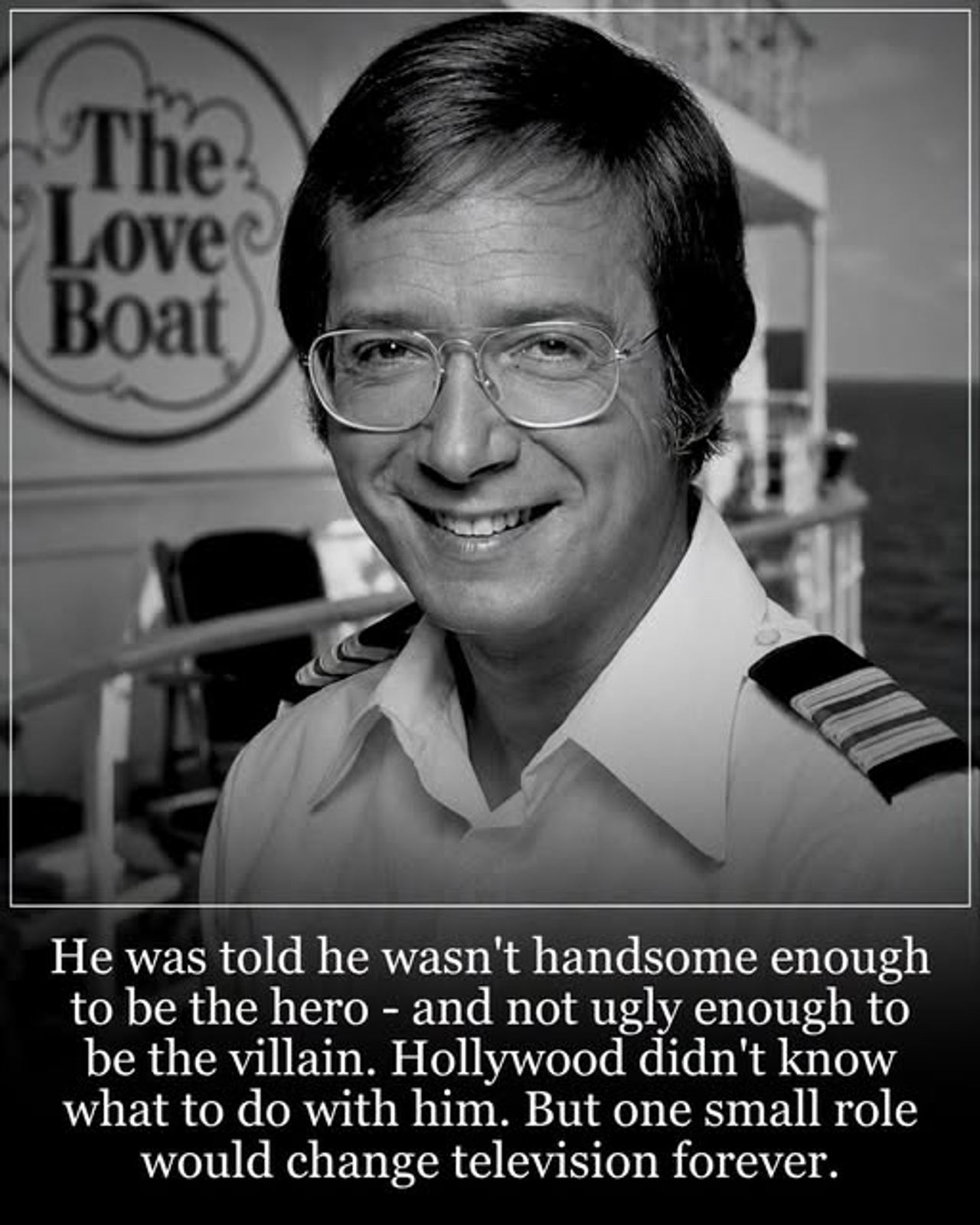
After his service, the reality came quickly and without kindness. His first agent did not try to soften the blow, telling him he was not handsome enough to lead and not rough enough to menace. In an industry hungry for a certain kind of face, Bernie was told he simply did not have the look. For a young actor with ambition, that kind of rejection could have ended everything. Instead, he kept moving.
To make ends meet, he drove a cab through New York by day and chased tiny parts by night. Then a lucky moment changed the direction of his life: one of his passengers turned out to be a film producer. That brief ride led to a four-word role in a Western, a tiny speaking part that barely flashed by on screen but gave him something invaluable — a beginning. From there, he followed the work west to Los Angeles, where the competition only grew tougher.
In those years, Bernie became the kind of actor who could be almost anywhere: a bad guy one week, a bumbling neighbor the next, a stranger with a few lines and no name. Most of his parts lasted only minutes before the credits rolled. Week after week, he waited outside casting offices with hundreds of others, all reaching for the same small opening. It was the sort of grind that can wear a person down, but Bernie had something from the Navy that never left him: discipline.
Rather than chasing attention, he built a reputation. He showed up prepared. He knew his lines. He respected everyone on set, from the biggest star to the newest crew member. He never wasted anyone’s time. That steady professionalism began to matter just as much as charm or looks, and slowly, it opened doors that fame alone never could. Work came more regularly. Familiar faces on television learned his range. He traded one-liners with sitcom stars, made side characters memorable, and turned a bumbling spy villain into one of the most quotable comic performances of his era.
Then, in 1977, came the idea that would change everything: a comedy-drama set aboard a real cruise ship, with a rotating cast of guests and a crew that could feel like family. Bernie Kopell would become the warm, quick-witted ship’s doctor on The Love Boat, the role fans would remember most. What they never saw was the decade of rejection that came before the white coat — or the quiet determination it took to keep going until Hollywood finally got him right. His story lingers as a reminder that being underestimated is not the same as being finished.