The Christmas gift that gave a writer her first chance
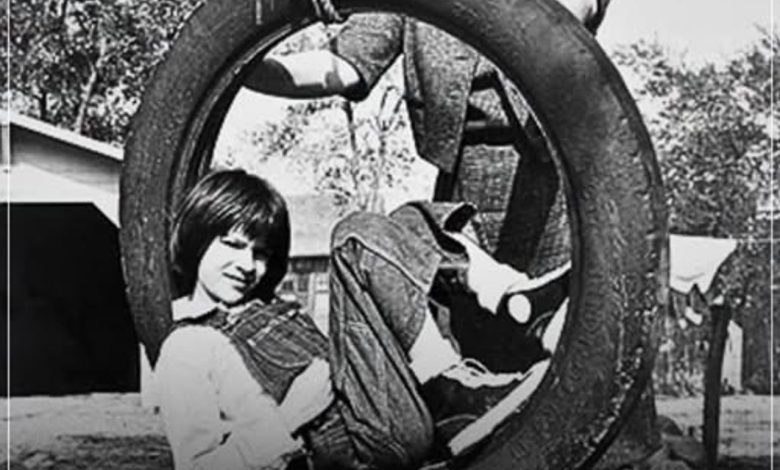
She was the kind of child who answered trouble with her fists, not her words, and in a quiet Alabama town that made her something close to a guardian for the strange new boy who moved in next door. He arrived in fancy clothes, speaking in a manner the other children didn’t understand, and they laughed at him. She didn’t. Instead, she stood beside him, and in that simple refusal to join the ridicule, a friendship took root between two lonely children who had little else to hold onto.
They spent their days reading together, inventing characters, and building whole imagined worlds with nothing but a manual typewriter and long summer hours. There was no fame in it then, no sense that either of them was practicing a future the world would one day notice. They were just outsiders who recognized each other immediately, two children making a place where they could breathe. Only later would they grow into writers whose names would be remembered. Back then, they were simply companions in a small town that had not made room for either of them.
At home, another lesson was being absorbed more quietly. Her father was a lawyer, careful and principled, the sort of man who did not show off his convictions. Long before she was born, he took on a case that others would not touch: defending two Black men accused of a crime in a town already certain of the outcome. He lost, and he knew he probably would. Still, he took the case. It became one of those family stories that settles into a child’s understanding of the world, shaping her sense of courage and rightness even when the details grow dim.
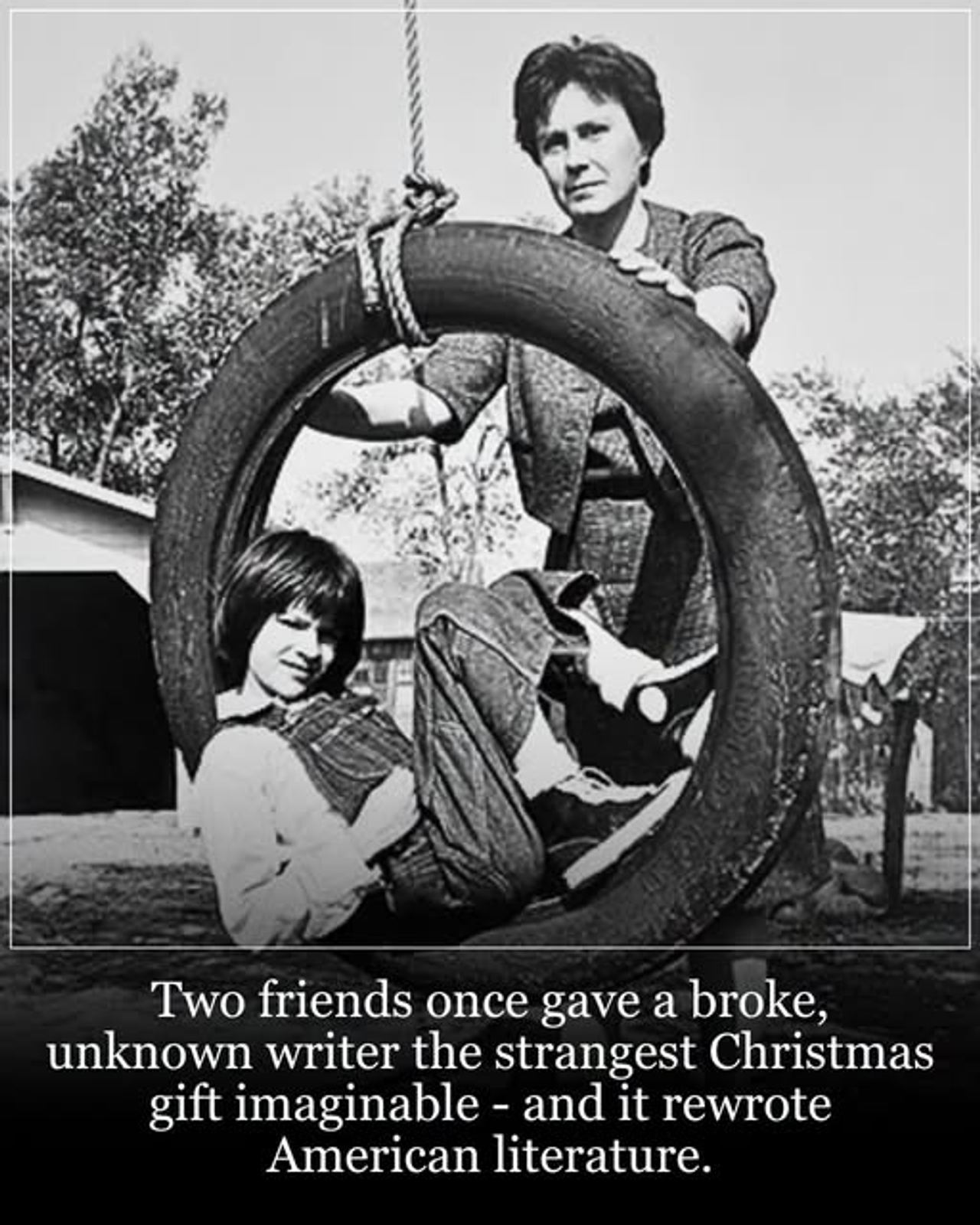
She grew up, went to college, and for a while thought she might follow him into law. But at twenty-three, she chose something harder to explain and easier to feel: she packed a bag and moved to New York City to write. The city did not wait for her to become ready. To pay the rent, she took a job selling airline tickets, then tried to write in the stolen hours before work, after work, and on weekends. The stories and essays she sent out went nowhere. The years went by, and at thirty she was still behind the reservations desk, still chasing sentences in the tired margins of her life.
Then, on a Christmas morning, her life turned in a way she could not have planned. Friends who had watched her struggle without ever telling her to stop handed her an envelope from their Christmas tree. Inside was a note giving her one year off. Not a loan, not an investment, but a gift. They didn’t care whether she ever made a cent. They only wanted her to have the time to find out what might happen if she were finally allowed to write without being pulled in every direction at once.
It was a gesture of faith so quiet and so generous that it altered everything. The girl who once protected the boy next door, and the woman who had spent years writing in the cracks of a crowded life, had been given something rarer than luck: a chance. And sometimes that is all a life needs, at exactly the right moment, to begin becoming itself.