The girl told to try nursing became a scientist reaching for space
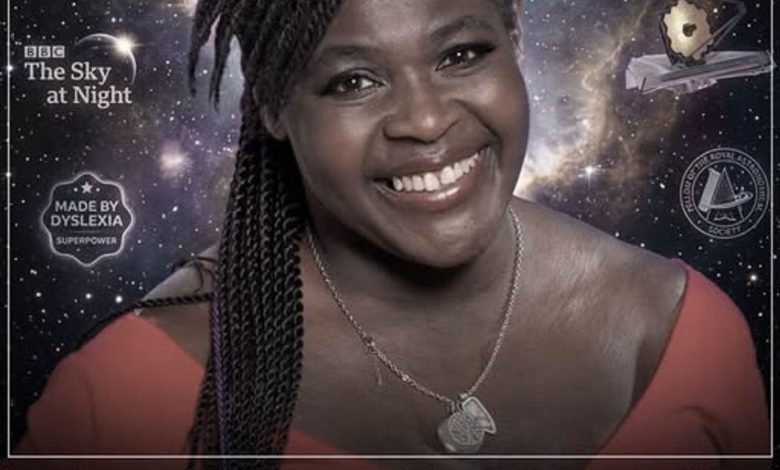
When Maggie Aderin was eight years old, she was diagnosed with dyslexia, and school became a place of constant strain. Reading and writing did not come easily. Words moved on the page, letters swapped places, and in a classroom built around written work, she was often seen as a child who would not amount to much. Each lesson could feel like another reminder that she was struggling to fit into a system that did not know how to see her clearly.
Her childhood only made that harder. Before she finished her education, Maggie moved through 13 different schools. Each new classroom meant new teachers, new routines, and new chances to be underestimated. She had to begin again and again, proving herself to people who had already formed an opinion before she had even settled into her seat. For many children, that kind of constant upheaval might have been enough to dull ambition. For Maggie, it did not.
Because beneath all of that, she carried a dream that no one else could see at first. She had watched a children’s show about tiny creatures who lived on the moon, and something about it stayed with her. Space captured her imagination completely. She wanted to go up there. She wanted to be an astronaut. So she said it out loud once, to a teacher, only to be met with a suggestion that she should try nursing instead. Science, the teacher said, would still be a good fit.
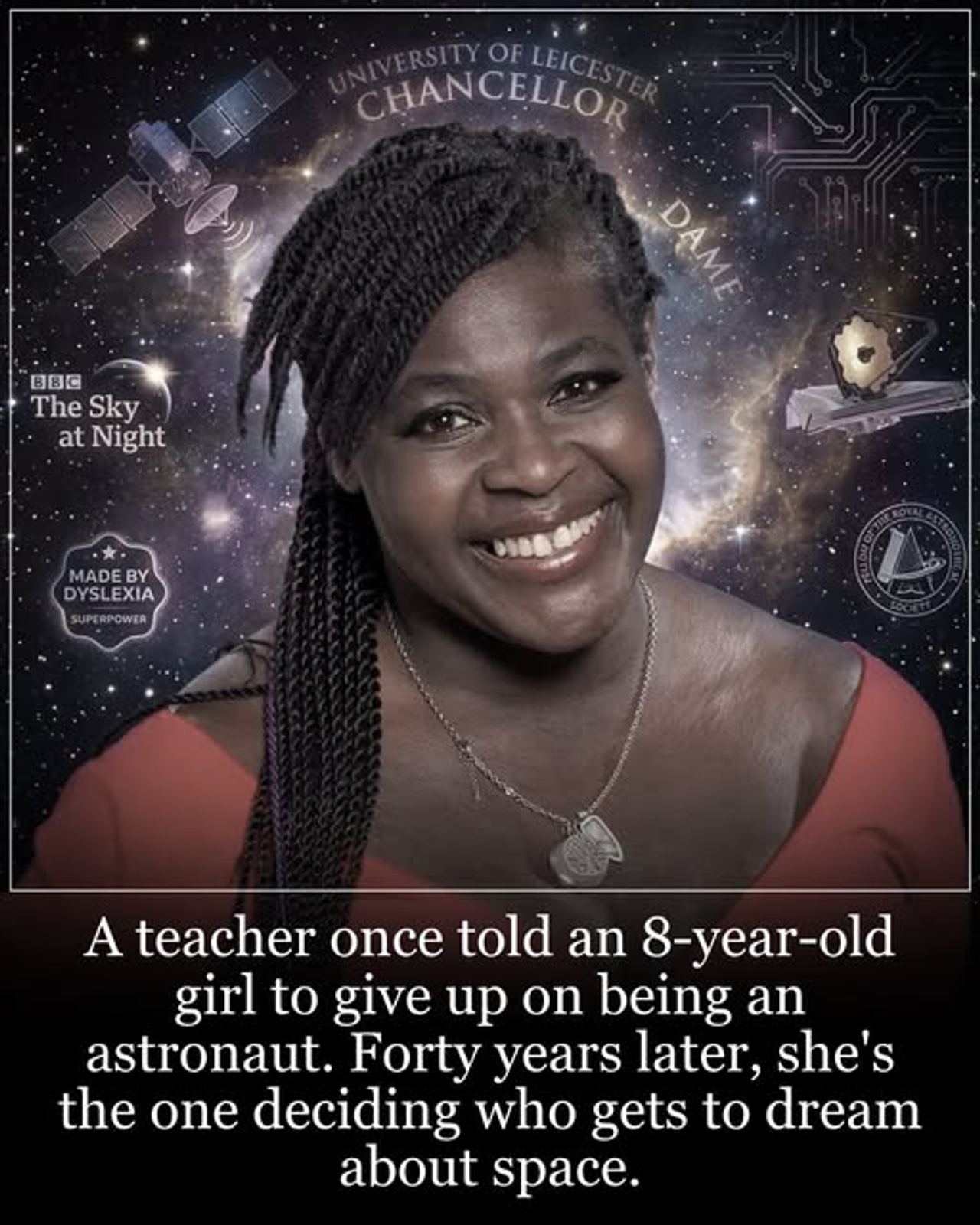
It was not a dramatic rejection, but it revealed something quiet and familiar: the small ceiling that so often gets offered kindly to children who do not match other people’s expectations. Maggie was a Black girl from an immigrant family, struggling in school, and to some people that seemed to make “space scientist” sound like a fantasy. But she did not argue. She simply refused to accept the limit.
She noticed that while spelling and grammar fought her every step of the way, numbers did not. Physics made sense. The patterns of the physical world spoke to her in a language she understood. So she followed that strength with determination, earning A-Levels in maths, physics, chemistry, and biology, then going on to Imperial College London. She graduated with a degree in Physics and later earned a PhD in Mechanical Engineering from the same institution.
From there, Maggie built a career in work that demanded precision and imagination in equal measure. At the Ministry of Defence, she helped develop missile warning systems for military aircraft, where mistakes could have serious consequences. Later, she worked on high-precision instruments for telescopes that study distant stars, and on observation systems for a satellite designed to track wind patterns and climate change from orbit.
Her story is a reminder that intelligence does not always look the way schools expect it to look. Sometimes it arrives in a child who struggles to read but can grasp the universe’s patterns. Sometimes it needs more time, more patience, and more belief than the world is willing to offer. Maggie Aderin kept going anyway, and in doing so, she turned a childhood of being underestimated into a life reaching steadily outward.