The woman who turned grief into a revolution in style
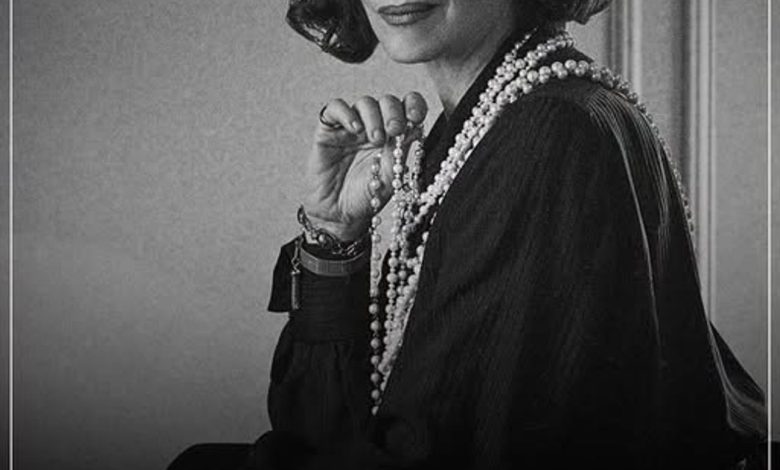
Gabrielle Chanel was eleven when her father left her at the gates of a stone orphanage in central France and never returned. The nuns gave her a needle, a plain uniform, and a silence that shaped the rest of her childhood. In those years, she learned to sew in strict, steady lines, the kind of discipline that can feel like punishment at first and purpose later. She never spoke publicly about that time again. Not once, for the rest of her life.
The world would come to know her as Coco, and then as Chanel, a name that would stand for a new idea of elegance. In 1910, with the support of a man who believed in her before anyone else did, she opened a small hat shop on a quiet street in Paris. The sign above the door was modest, but the ambition behind it was not. From that small beginning, she started to reshape the way women dressed, replacing stiffness with movement and heavy formality with clothes that felt lighter, freer, more alive.
By the 1920s, her influence had widened far beyond hats. She designed garments that moved with the body instead of resisting it, and women responded to the ease of it. In 1921, she chose her fifth perfume sample and launched it on the fifth day of the fifth month, trusting the number that guided her instincts. The fragrance would outlive her by more than half a century, becoming part of the same legend that surrounded her clothes.
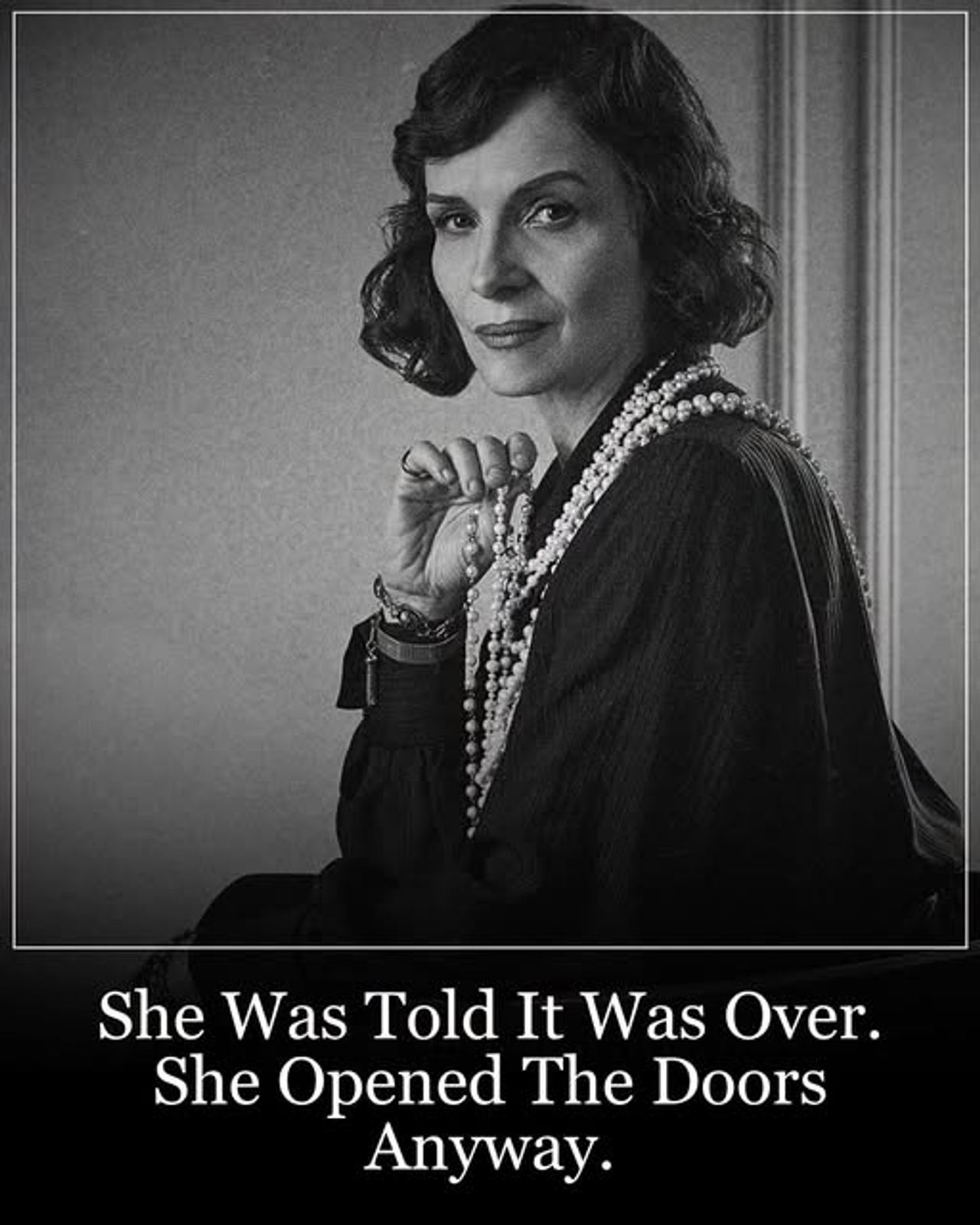
By the 1930s, Chanel was running one of the most powerful ateliers in the world. Then war came, and she closed it all down. Thousands of workers lost their jobs overnight. She remained in Paris during the occupation, and when the war ended, she left for Switzerland, where difficult questions followed her about the company she had kept. For nearly a decade after that, she designed nothing at all. Fashion moved on. A new generation filled the magazines. The woman who had once defined elegance was now treated by many as a figure from the past.
She was in her seventies when she returned. There was no easy welcome waiting for her. French critics were harsh, calling her comeback disappointing and outdated. The reviews appeared the same day as the show, and they seemed to settle the matter. But Chanel did not argue, and she did not change a single seam. Instead, she sent the clothes across the ocean.
American buyers saw something the critics had missed: clothes that let women move, soft shoulders, easy tailoring, a suit that did not force a woman to hold herself differently just to wear it. Within two years, that suit became the most copied garment in American fashion. She kept working into her eighties, and when she died in 1971, she was still, by most accounts, mid-collection. Her life began in abandonment, but she ended it having changed how the world understood style, freedom, and the quiet power of a woman who refused to disappear.