This Classic Melody Hid a Truth About Life That No One Could Ignore
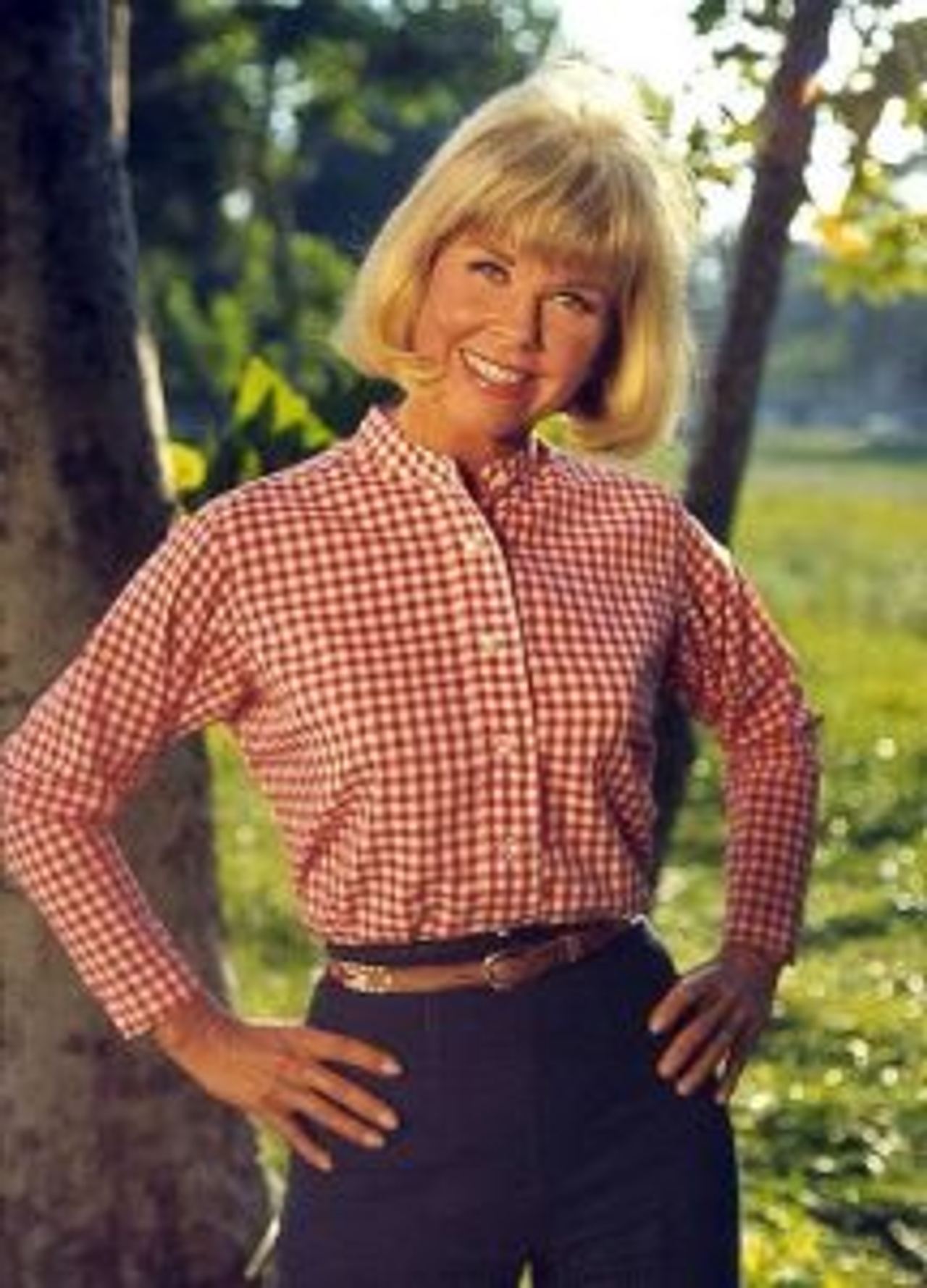
In a world that often feels obsessed with certainty, there’s something quietly revolutionary about a song that asks us to accept the unknown. Back in 1956, Doris Day introduced audiences to “Que Sera, Sera (Whatever Will Be, Will Be)” in The Man Who Knew Too Much—and in doing so, created one of the most enduring musical moments in cinematic history.
At first glance, the song feels almost childlike in its simplicity. A young girl asks her mother what the future holds—what she will become, what life has planned for her. Instead of offering predictions or promises, the answer comes gently, wrapped in melody: “Whatever will be, will be.” It’s a response that avoids certainty, yet somehow offers comfort.
That simplicity is exactly what gives the song its emotional weight. It doesn’t try to solve life’s questions; it simply acknowledges them. In an era defined by post-war optimism and rapid change, this message resonated deeply. It spoke to a universal truth—that no matter how much we plan, the future remains unwritten.
Doris Day’s performance is a key part of what makes the song so powerful. Her voice carries a warmth and sincerity that feels deeply personal, as if she’s not just singing to a child, but to anyone who has ever felt uncertain about what lies ahead. There’s no dramatic flourish, no overwhelming instrumentation—just a calm, steady reassurance.
Over the decades, “Que Sera, Sera” has transcended its origins in film to become something much bigger. It has been covered, referenced, and remembered across generations, often resurfacing in moments when people need comfort the most. The song even earned the prestigious Academy Award for Best Original Song, cementing its place in cultural history.
But beyond awards and recognition, its true legacy lies in its message. In a time when we are constantly encouraged to predict, plan, and control every aspect of our lives, this song offers a different perspective—one rooted in acceptance. It reminds us that uncertainty isn’t something to fear, but something to live with.
Perhaps that’s why it still resonates today. Because no matter how much the world changes, the questions remain the same. And sometimes, the most honest answer is also the simplest one.
Whatever will be, will be. 🎶
Ralna English – “First Date”: A Forgotten Romantic Gem That Captures the Magic of a Moment
Some songs are not remembered because they were the biggest hits, but because they capture a feeling that never disappears. “First Date” by Ralna English is one of those special recordings—a gentle and nostalgic song that brings back the innocence, excitement, and emotion of a first encounter between two people.
Known for her elegant voice and her appearances with Guy & Ralna on The Lawrence Welk Show, Ralna English became recognized for her warm vocal style and ability to deliver songs with sincerity and emotion. In “First Date,” she presents a story built around one of life’s most unforgettable moments—the beginning of something new.
A first date is more than just meeting someone for the first time. It is a moment filled with curiosity, nervous smiles, quiet conversations, and the hope that something meaningful might begin. This song captures that feeling beautifully, reminding listeners of a time when romance was expressed through simple gestures and genuine emotions.
The charm of “First Date” comes from its simplicity. Rather than relying on dramatic arrangements, the song allows the emotion of the melody and Ralna’s voice to carry the story. Every note feels delicate and personal, creating the atmosphere of an old photograph coming back to life.
Listening to the song feels like opening a forgotten memory—a moment from another era when love stories unfolded slowly and every small detail mattered. The warmth in Ralna’s performance gives the song a timeless quality, allowing listeners from different generations to connect with its message.
Although many songs come and go with the changing trends of the music industry, recordings like “First Date” remain special because they represent something universal. Everyone remembers a moment when they felt excitement, hope, or uncertainty about someone new. That emotional connection is what allows a song like this to continue finding new listeners.
Ralna English’s performance reminds us that sometimes the quietest songs can tell the biggest stories. “First Date” is not about grand declarations or dramatic endings—it is about a simple beginning, a single moment, and the feeling that something beautiful could be waiting ahead.
Decades later, the song remains a beautiful reminder that the most meaningful memories are often created in the smallest moments. A first meeting, a first smile, a first conversation—sometimes those are the moments that stay with us forever.
LeAnn Rimes’ “How Do I Live”. The Power Ballad That Redefined Crossover Success in 1997
When How Do I Live was released in 1997, few could have predicted the lasting impact it would have on pop and country music alike.
The soaring ballad, written by legendary songwriter Diane Warren, became a cultural phenomenon, breaking records and earning a place in history as one of the longest-charting songs of all time.
With its sweeping melody and heartfelt lyrics, the song perfectly captured the anguish of love and loss, resonating with audiences worldwide.

Despite an unusual controversy that resulted in two competing versions—one by LeAnn Rimes and the other by Trisha Yearwood—Rimes’ rendition became a pop juggernaut, spending an astonishing 69 weeks on the Billboard Hot 100, a record at the time.
By 1997, LeAnn Rimes was already a rising star in country music.
Born in 1982 in Jackson, Mississippi, she showed exceptional talent from a young age and was often compared to Patsy Cline due to her rich, mature voice.
She had burst onto the scene at just 13 years old with Blue, a traditional country song that showcased her powerhouse vocals and earned her critical acclaim.
While Blue cemented her status as a country prodigy, How Do I Live would take her to an entirely different level, propelling her into the mainstream and marking the beginning of her crossover success.
The story behind How Do I Live is one of the most intriguing in modern music history.
Diane Warren, one of the most successful songwriters of her generation, originally wrote the song for the 1997 action film Con Air.
She envisioned LeAnn Rimes as the perfect singer for it, and Rimes recorded the track with the expectation that it would be featured in the film.
However, the movie’s producers felt that Rimes’ version sounded too youthful and opted for a more mature interpretation by Trisha Yearwood instead.
This led to an unprecedented situation where both Rimes and Yearwood released the same song on the same day—June 10, 1997—creating a rivalry between the two versions.
Despite the behind-the-scenes drama, Rimes’ version of How Do I Live became an unstoppable force.
Produced by Wilbur C. Rimes (her father) and songwriter Diane Warren, the song’s production leaned heavily into pop territory, with lush orchestration and soaring vocal lines that emphasized its emotional intensity.
Rimes’ youthful yet powerful voice gave the song a sense of vulnerability, making it more accessible to a broad audience.
Unlike Yearwood’s more country-oriented version, Rimes’ rendition featured a more polished, radio-friendly sound that allowed it to dominate pop airwaves.

Upon its release, How Do I Live quickly became a massive hit.
While Yearwood’s version topped the Billboard Hot Country Songs chart and won a Grammy for Best Female Country Vocal Performance, Rimes’ version achieved unprecedented longevity.
It peaked at No. 2 on the Billboard Hot 100 and stayed on the chart for an incredible 69 weeks, a record at the time.
The song was also a global success, charting in multiple countries and eventually earning Rimes a Grammy nomination for Best Female Pop Vocal Performance.
The Recording Industry Association of America (RIAA) later certified it triple platinum, further solidifying its status as a pop powerhouse.
Beyond its commercial triumph, How Do I Live reshaped the landscape of country-pop crossovers.
At a time when the lines between country and pop were becoming increasingly blurred, the song proved that a country artist could successfully transition into mainstream pop without losing their core identity.
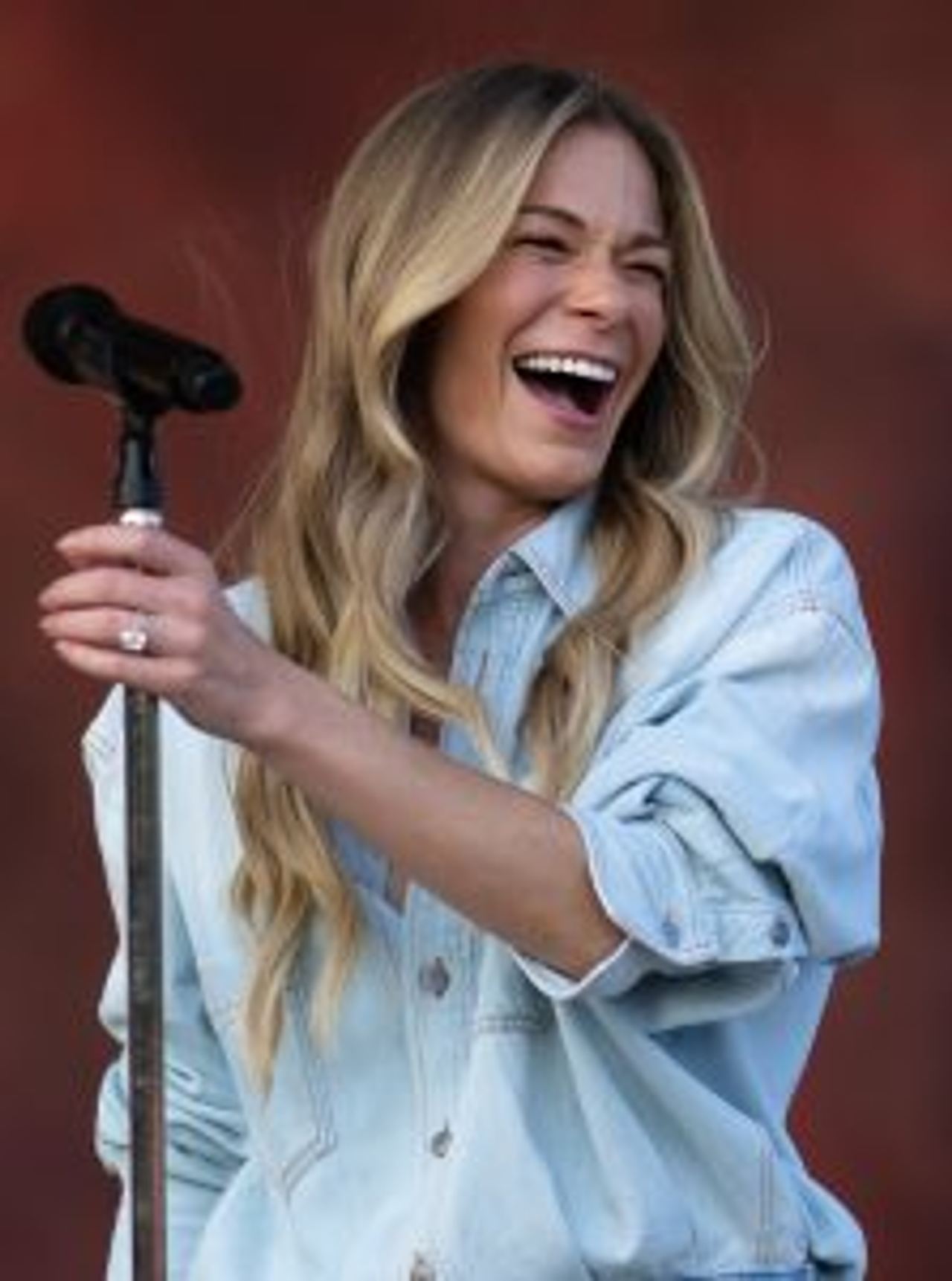
It set the stage for later crossover acts like Faith Hill, Shania Twain, and Taylor Swift, who would follow Rimes’ lead in blending country storytelling with pop production.
For Rimes, How Do I Live was a turning point in her career.
While she continued to have success in country music, the song established her as a major force in the pop world, leading to subsequent hits like I Need You and Can’t Fight the Moonlight.
The success of the song also opened doors for her internationally, making her one of the best-selling female country artists of all time.
However, the song’s overwhelming association with her career also meant that she struggled at times to escape its shadow, as she was forever linked to its massive success.
The song’s influence extended beyond Rimes and the country-pop genre.
It became a staple for television soundtracks, movie montages, and emotional moments in pop culture.
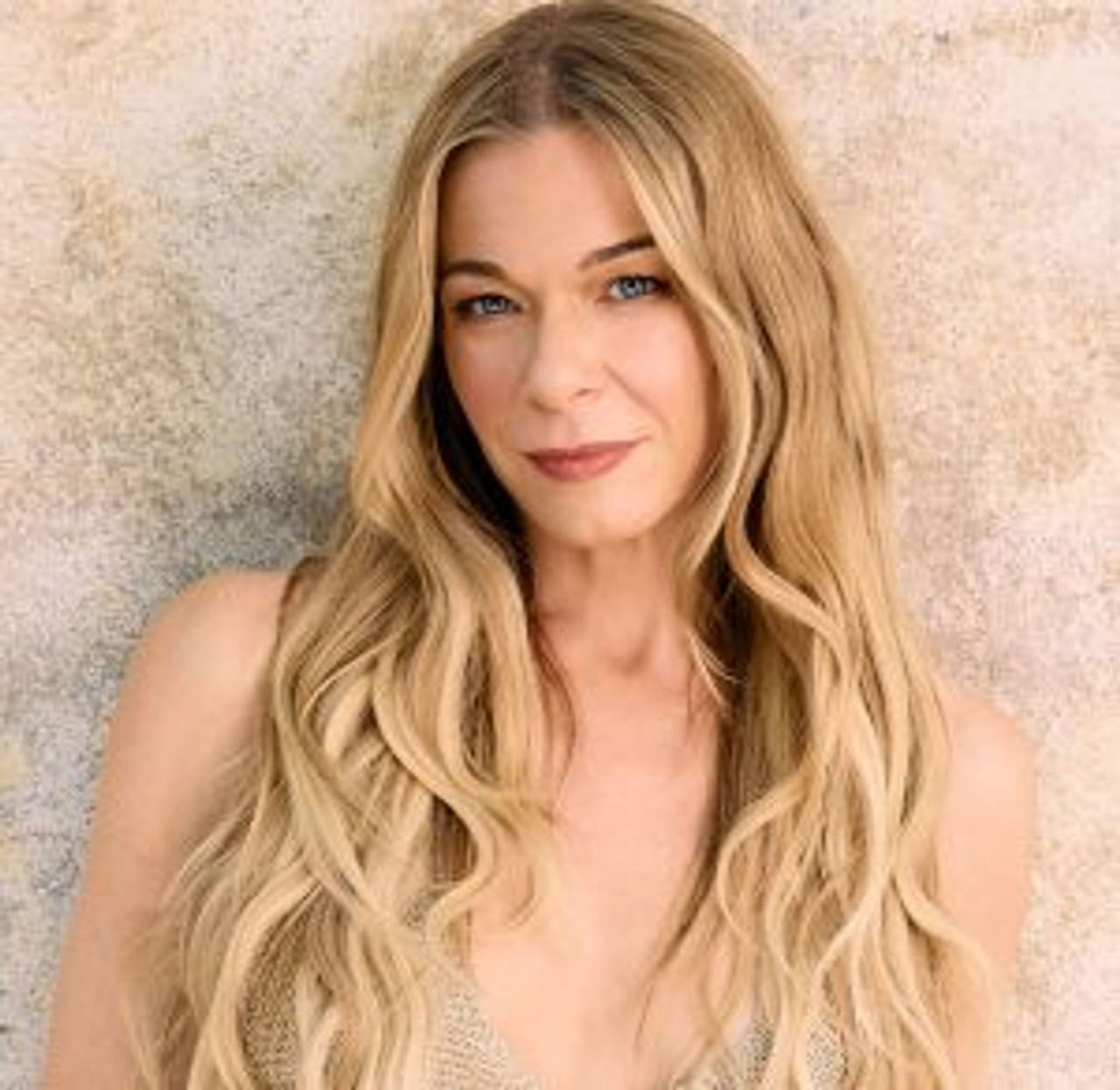
Artists from various genres have covered it, including Kelly Clarkson, Kristin Chenoweth, and even dance remix artists, proving its universal appeal.
The song also remained a karaoke favorite and a go-to ballad for vocalists looking to showcase their range.
Interestingly, while How Do I Live was written as a love song, its meaning evolved over time for many listeners.
The lyrics, which express a desperate longing for a loved one, have been adopted for everything from wedding first dances to tributes for lost loved ones.
Its versatility in interpretation is part of what has kept the song relevant for over two decades.
Even as the music industry has changed, How Do I Live continues to hold a special place in pop and country history.
In 2014, Billboard ranked it as the No. 1 song on its Hot 100: All-Time Top Songs list, acknowledging its remarkable chart performance.
The song’s longevity and impact have ensured that it remains one of the defining ballads of the late 1990s.
The legacy of How Do I Live is undeniable.
It bridged the gap between country and pop at a crucial moment in music history, proving that a well-crafted song could transcend genres.
It also showcased the immense vocal talent of a teenage LeAnn Rimes, who delivered a performance beyond her years.
More than two decades later, How Do I Live still resonates with audiences around the world.
Whether heard on the radio, in a movie scene, or during a heartfelt moment at an event, its emotional weight remains just as powerful as it was in 1997.
Read more stories
- I Adopted the Teen Boy 10 Families Had Given up On – Two Weeks After I Brought Him Home, He Said One Sentence So Shocking I Almost Fainted
- Randy Travis built his legacy on one of the most recognizable voices in country music, yet his survival came down to the woman who stayed when the singing stopped.
- My Teenage Son Refused to Pose with Me on Vacation Because of My Weight – Then His Father’s Text Left Him Pale and Shaking
- I Did My 70-Year-Old Grandma’s Makeup for Her First Date in 40 Years – My Stepmom Laughed at Us Both, but My Dad Taught Her a Lesson She’d Never Forget