Sonny James Built a Country Empire Without the Nightclub Circuit


The farm boy from Hackleburg
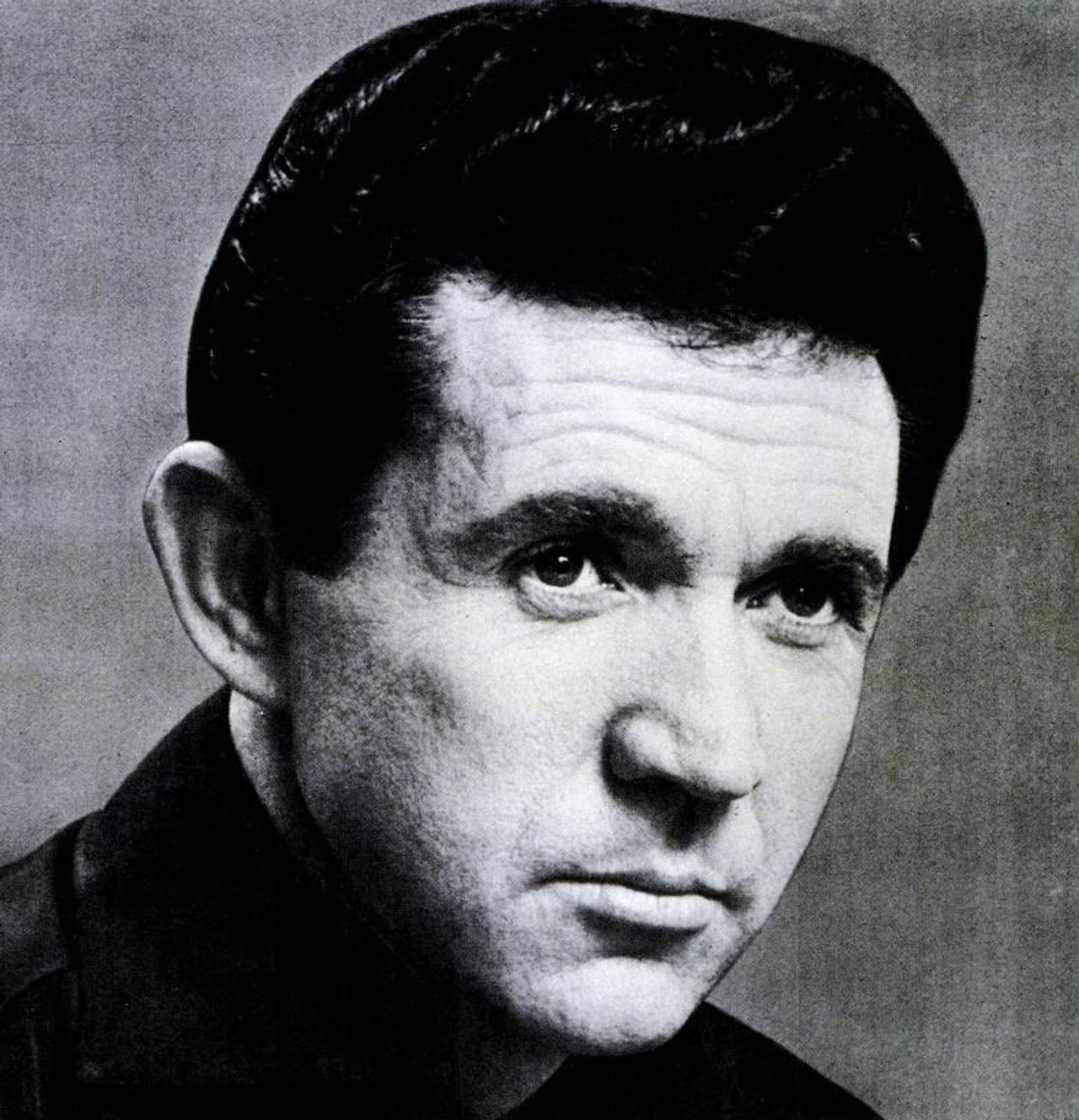
Long before he became one of country music’s most quietly astonishing hitmakers, Sonny James was a boy from a 300-acre farm outside Hackleburg, Alabama. That beginning mattered. It gave his story a rooted, rural logic: discipline, family, churchgoing respectability, and a sense that music did not have to come packaged with the hard-drinking mythology that often shadowed the business.
Even in a genre built on small-town authenticity, James stood apart. He did not cultivate an outlaw aura or a backroom legend. His public image was cleaner, steadier, and more deliberate than that. The values attached to his name were not marketing inventions; they became the operating rules of his career.
A decision that shaped everything
Early on, James spent two months fronting Slim Whitman’s touring band, an opportunity that could have pushed him deeper into the standard working life of a country road act. But when Whitman began taking nightclub dates to keep his musicians paid, James reached a line he would not cross. He finished the shows he had already promised and walked away.
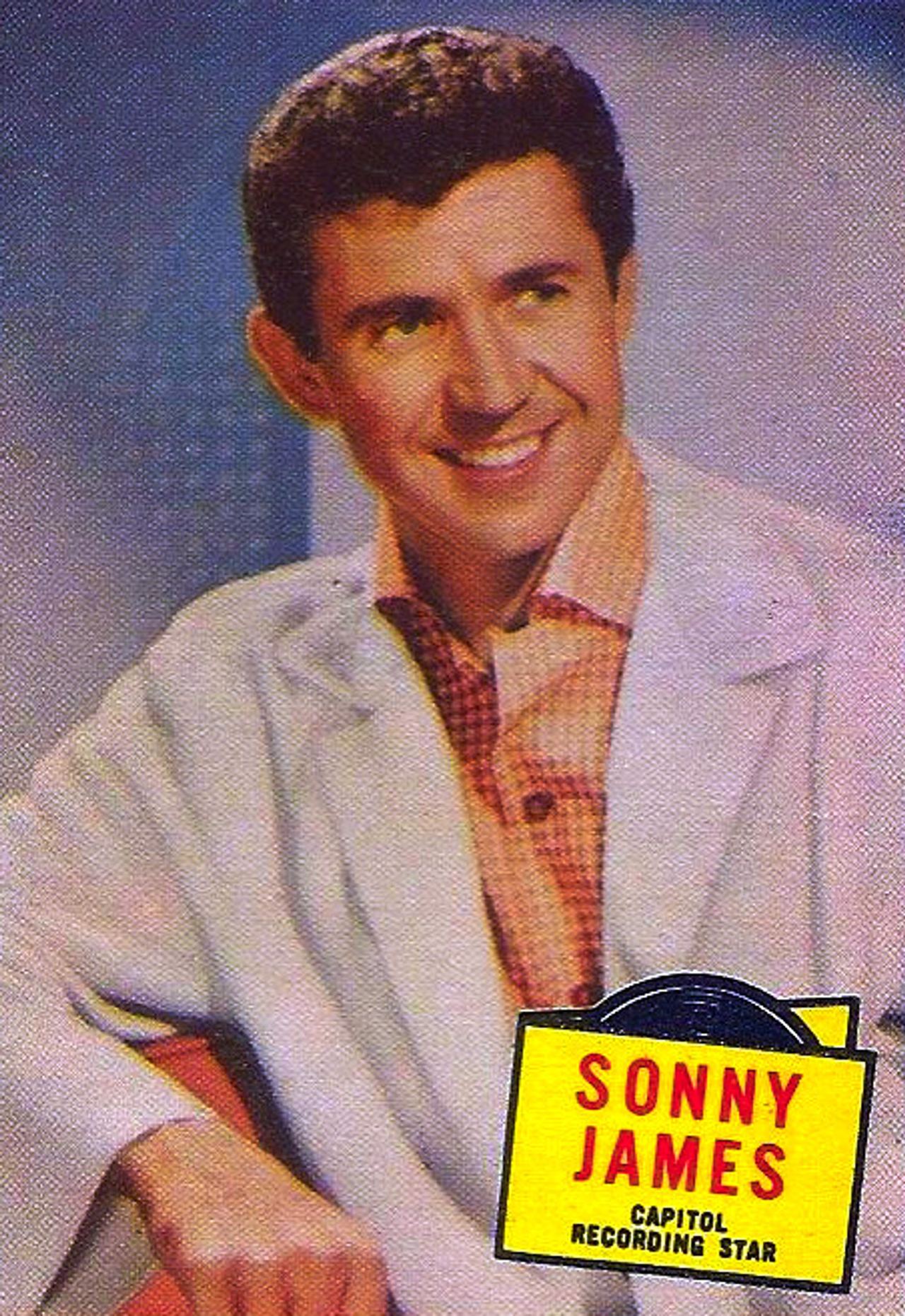
That choice became a lifelong boundary. After “Young Love” went to number one on both the country and pop charts in early 1957 and sold more than a million copies, James added a clause to his contracts: no venues with drinking or gambling. It was not a temporary stance or a publicity flourish. He turned down Las Vegas money and built a career around spaces where teenagers could still get in the door.
He built a mainstream music career on an almost old-fashioned proposition: success was welcome, but not at any price.
When ‘Young Love’ changed the scale
By the time “Young Love” hit, Sonny James was only 28, but the song altered the scale of his possibilities. Crossing both the country and pop charts, it gave him a rare kind of reach. He was not simply a country singer with a loyal regional following; he was a national star with broad appeal, the kind of performer who could move between audiences without changing who he was.
That crossover mattered because it proved his instincts were commercially viable. He did not need smoky rooms, gambling floors, or adults-only settings to connect with listeners. His records could carry the entire burden. In an industry where artists often spent years grinding through every kind of venue available, James found another way: a hit-driven career aimed at families, young listeners, and the vast middle of America.
A marriage kept out of the spotlight
That same year, in July 1957, he married Doris Shrode in Dallas. If Sonny James guarded the terms of his professional life, he guarded his private life even more closely. Doris gave no interviews and never stood on a stage. In an era that still allowed stars to keep some distance from the public, the couple drew a firm curtain around their marriage.
The result was a partnership that remained mostly unperformed. There was no secondary celebrity built around his wife, no curated domestic spectacle. Yet the endurance of that bond became one of the defining facts of his life. They were married for 58 years, a span that outlasted fame cycles, industry shifts, and the public noise that consumes so many careers.
The streak nobody could touch for years
Then came the run that fixed Sonny James in country music history. Beginning with “Need You” in 1967 and continuing through “Here Comes Honey Again” in 1971, he scored 16 straight number-one country hits. It was the kind of feat that sounds almost abstract until you sit with it: not one chart-topping single here and there, but an unbroken chain of winners, each one confirming the last.
For years, nobody matched it. The streak stood alone until 1985, a record of consistency as much as popularity. James was not always the loudest personality in the room, nor the most mythologized figure in country music, but his chart performance was relentless. The records landed with a kind of dependable force that mirrored the image he had cultivated all along: clean, steady, and impossible to dismiss.
A quiet retreat, and a return home
In the spring of 1984, Sonny and Doris quietly went home to Nashville. There was no grand farewell campaign attached to the move, no dramatic final act. True to form, the retreat was understated. He then largely stepped away from television, not appearing again for nearly 20 years.
He died on February 22, 2016, at 87. Doris followed 19 months later. In the end, the arc of his life closed where it began: in the same small Alabama town that had first shaped him. They are buried there together, a final image that suits the life he lived — faithful to home, wary of spectacle, and remarkably consistent from beginning to end.
Quick Facts
- Born: Outside Hackleburg, Alabama, on a 300-acre farm
- Breakthrough hit: “Young Love”
- Major milestone: Number one on both the country and pop charts in early 1957
- Career policy: No venues with drinking or gambling
- Record streak: 16 straight number-one country songs
- Streak span: From “Need You” (1967) to “Here Comes Honey Again” (1971)
- Spouse: Doris Shrode
- Died: February 22, 2016, at age 87
Image credits: chensiyuan / Wikimedia Commons / CC BY-SA 4.0; Wikimedia Commons / Public domain; TGC-Topps Gum Cards-photo from Capitol Records / Wikimedia Commons / Public domain.