Chuck Berry Told Beethoven to Move Over — and Announced Rock & Roll’s Arrival


A warning shot aimed at the old order
When Chuck Berry released “Roll Over Beethoven” in 1956, the title alone sounded like a challenge. It was playful, but it was also pointed: the old musical hierarchy was being shoved aside by a louder, sharper, more youth-driven sound. In a few words, Berry framed rock & roll as a cultural disruption, not just a new dance craze or a passing fad.
That was part of the record’s brilliance. Berry understood that rock & roll needed more than a beat; it needed an attitude. “Roll Over Beethoven” gave the movement a slogan. By invoking one of Western music’s most revered composers, Berry drew a line between formal tradition and the restless energy rising from rhythm and blues, radio speakers and jukeboxes across America.
“Roll over Beethoven and tell Tchaikovsky the news” was a joke, a boast and a manifesto all at once.
The sound of a new generation
The song arrived at a moment when young listeners were discovering music that felt distinctly their own. Berry tapped into that shift by writing from inside the experience of excitement and impatience. This was music for bedrooms, school days, street corners and soda shops — for kids with coins for the jukebox and a hunger for something more immediate than the polished sounds that had dominated before.
Berry’s recording carried that feeling in every element. His guitar playing snapped and surged with forward motion, while his vocal phrasing gave the track a grin and a shove at the same time. He did not merely sing about change; he made change audible. The performance suggested that the future would not ask permission.
Why the song felt revolutionary
“Roll Over Beethoven” celebrated more than one record or one artist’s confidence. It captured an entire ecosystem surrounding early rock & roll: rhythm and blues crossing into the mainstream, jukebox culture spreading songs quickly, and teenagers treating music as a badge of identity. Berry turned those social currents into narrative momentum.
That is why the song landed as more than novelty. Its wit made it memorable, but its structure and drive made it persuasive. Berry presented rock & roll as something inevitable, a force already in motion. The old guard was not being politely replaced; it was being overtaken by a soundtrack built for motion, volume and rebellion.
Berry’s guitar changed the conversation
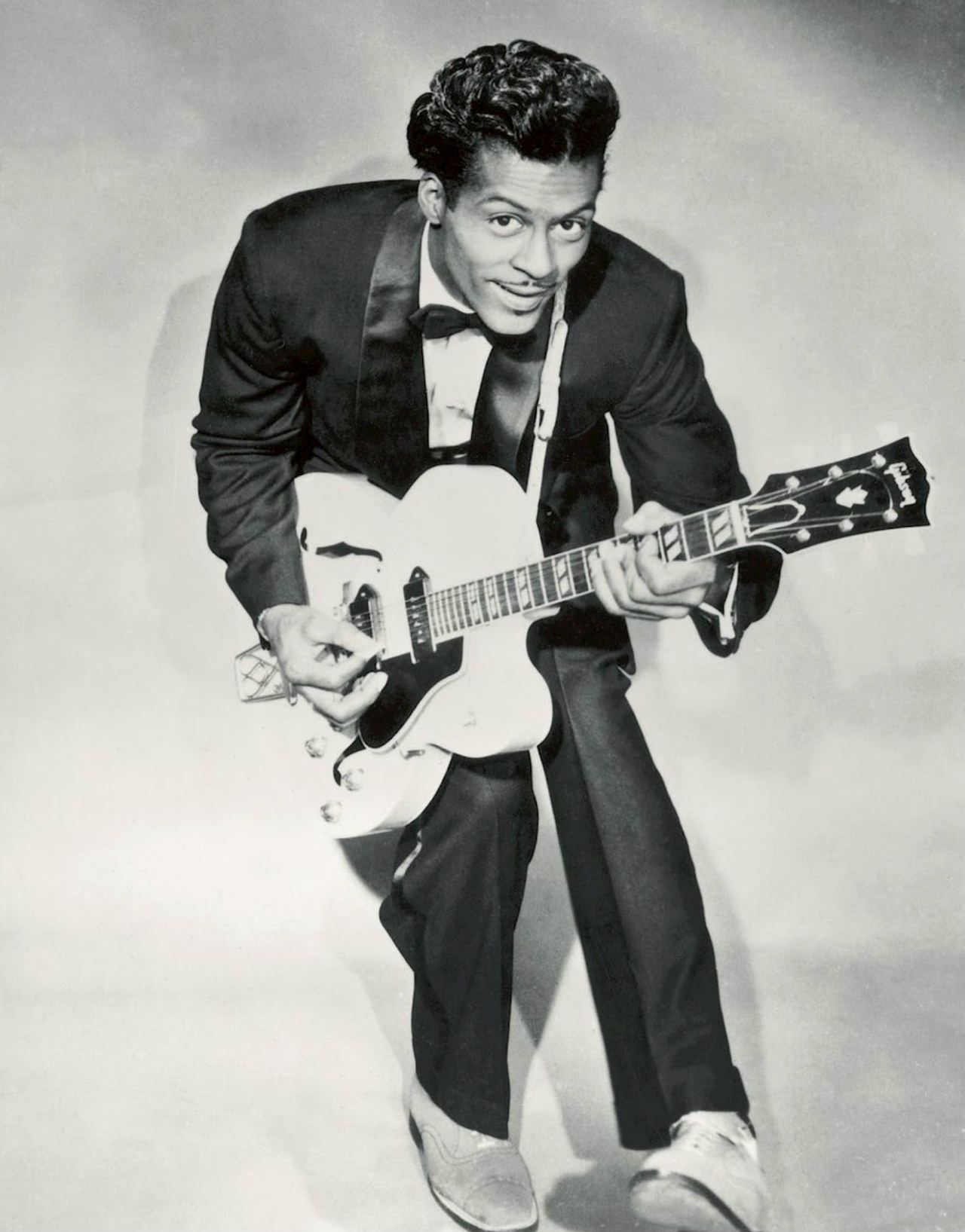
Much of the record’s power comes from Berry’s electric guitar, which was central to his style and to rock & roll’s early identity. His riffs were concise, bright and propulsive, built to grab attention immediately. On “Roll Over Beethoven,” the guitar does not decorate the song; it delivers the argument. It sounds like the engine of the new music.
Just as important was the way Berry fused musicianship with showmanship. He could write lyrics full of humor and pop-culture savvy, then match them with a performance that felt urgent rather than clever for its own sake. The result was a song that appealed both to listeners hearing their own lives in it and to musicians who recognized a new template for rock songwriting.
A bridge between rhythm and blues and rock & roll
Berry’s importance in the birth of rock & roll lies partly in his ability to turn rhythm and blues into something that reached broader audiences without draining it of force. “Roll Over Beethoven” stands as one of the clearest examples of that crossover energy. It kept the pulse, bite and spirit of R&B while presenting them in a form that would help define rock’s mainstream language.
In that sense, the song helped give rock & roll its voice. It was funny, fast, musically tight and culturally bold. It translated a youth movement into a three-minute declaration. Many early rock records were exciting; this one also sounded self-aware, as if the music understood it was making history while it played.
Why it still matters
Decades later, “Roll Over Beethoven” remains a vivid introduction to Chuck Berry’s genius and to the atmosphere of rock & roll’s emergence. You can hear in it the collision of generations, the thrill of technological change and the sense that popular music had become a place where young people could define themselves. The song still feels alive because its central message — that new sounds can upend old certainties — never really grows old.
Berry did not just write a catchy hit. He gave a rising culture one of its clearest early statements of intent. “Roll Over Beethoven” announced that rock & roll had arrived with confidence, humor and voltage. It was a song about a musical revolution, and it sounded exactly like one.
Quick Facts
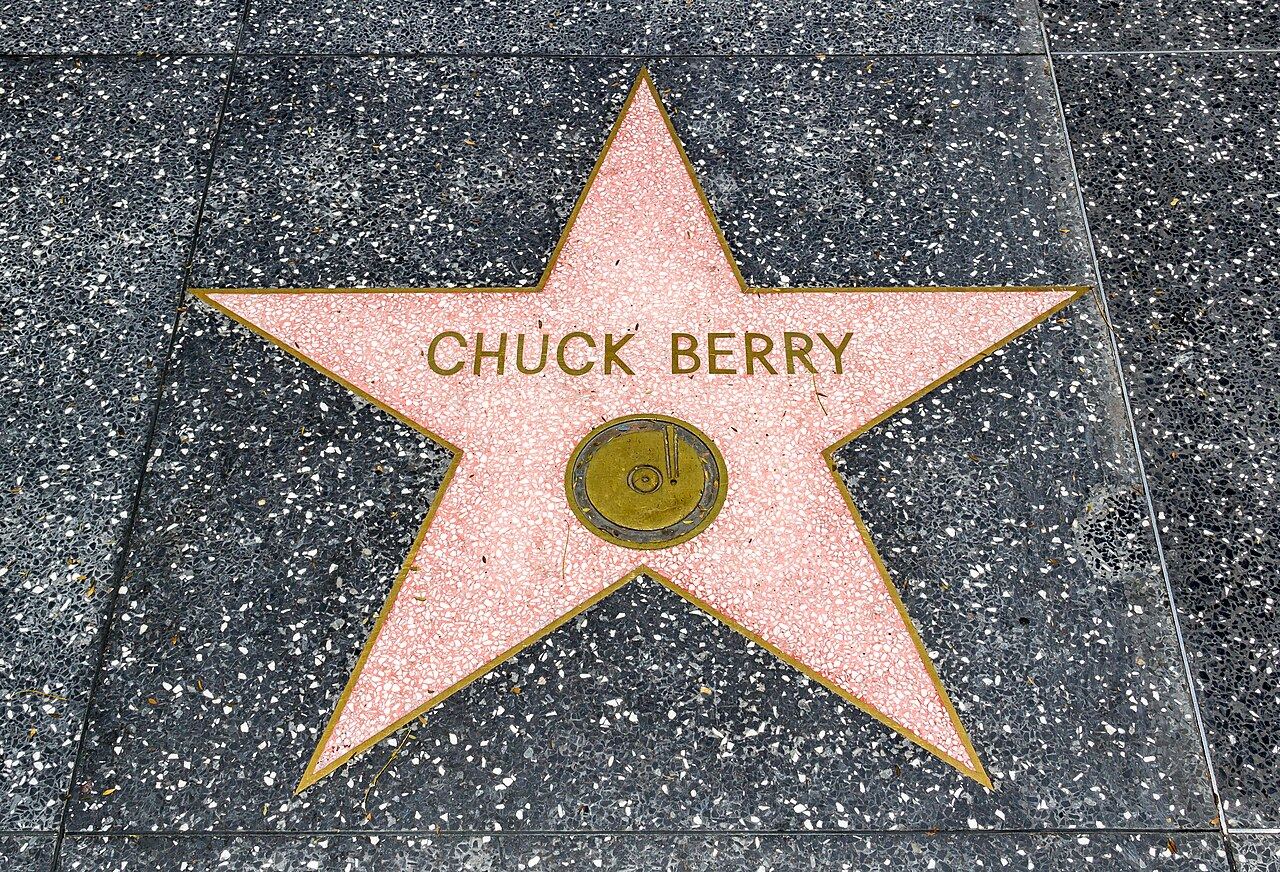
- Artist: Chuck Berry
- Song: Roll Over Beethoven
- Released: 1956
- Significance: An early rock & roll anthem that challenged older musical traditions
- Core themes: Youth culture, rhythm and blues, jukeboxes, rebellion
- Signature elements: Electric guitar riffs, witty lyrics, energetic vocal delivery
Image credits: Håkan Henriksson (Narking) / Wikimedia Commons / CC BY 3.0; Dietmar Rabich / Wikimedia Commons / CC BY-SA 4.0; Pickwick Records / Wikimedia Commons / Public domain.