A Few Notes, and 1977 Comes Flooding Back

Some songs do far more than fill a room with sound. They seem to lift a hidden latch inside us, opening onto memories we did not realize were still waiting so close to the surface. A few opening notes, a familiar vocal phrase, and suddenly the present softens. In its place comes another year, another room, another self. That is part of what gives certain performances their lasting power: they do not merely entertain, they return us to feeling.
This story turns toward 1977, a year that still glows in the minds of many listeners. Music from that time often knew how to sit with emotion instead of hurrying past it. It allowed longing to remain unresolved, heartbreak to be complicated, and tenderness to exist beside disappointment. The song at the center of this reflection carries exactly that kind of weight. Its emotional truth is simple to recognize and difficult to forget: loving someone deeply does not always mean love can save what is already beginning to drift out of reach.
That idea continues to resonate because it is so painfully human. Most people, in one form or another, know the feeling of wanting devotion to be enough. They know the ache of hoping that sincerity, patience, or sheer emotional force might repair distance once it has appeared. Songs that speak to that moment do not become dated easily, because the experience itself does not disappear with changing times. A melody born in one era can still find a listener decades later and feel as though it understands them perfectly.
The door music opens
What makes a song memorable is not only the words on the page, but the way those words arrive. A truly unforgettable voice can make heartbreak feel less like performance and more like confession. It can sound as if the singer is not standing on a stage at all, but speaking quietly from somewhere very near. That intimacy is often what transforms a familiar theme into something personal. Listeners do not simply hear sorrow; they recognize themselves inside it.
There is a special kind of magic in that recognition. One person may hear the song and think of old radios humming in the background of an evening that once seemed ordinary, but now feels precious. Another may be taken back to a long drive, a dimly lit room, or a romance that never quite became what they hoped it would. For someone younger, with no lived memory of 1977, the experience may be different but no less powerful. They may encounter the song for the first time and be startled by how alive it feels, how little the emotional core has aged.
That is one of music’s quiet miracles. It collapses distance. Years fall away. Generations meet in the same melody. A listener who remembers hearing it when it was new and a listener discovering it now may arrive at the same feeling from very different paths. The details of life around them may be worlds apart, but the emotional recognition is immediate.
Why heartbreak songs endure
Heartbreak has always inspired songs, but not every song about loss endures in the same way. The ones that last usually understand that sorrow is rarely loud all the time. Often it is restrained, reflective, and deeply interior. It lives in the realization that something meaningful cannot be held together by desire alone. That kind of sadness lingers because it is not only about losing another person. It is also about losing a future once imagined, a version of oneself that existed within that hope.
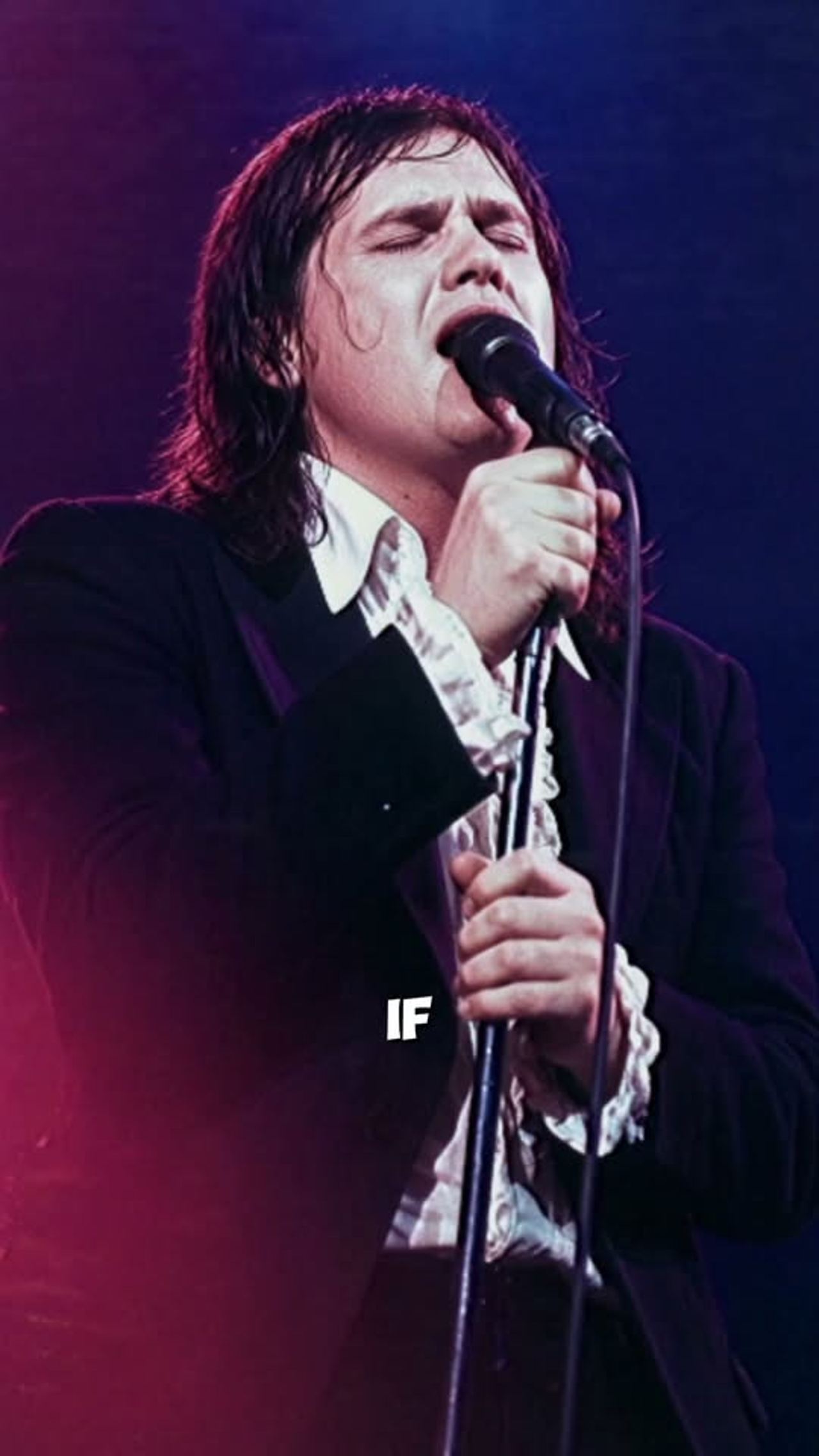
When a song captures that feeling well, it becomes more than a recording from a particular year. It becomes a companion. People return to it not because they enjoy pain, but because it gives shape to emotions that can be difficult to explain in ordinary conversation. There is comfort in hearing a voice carry what we once carried. There is relief in feeling that someone, somewhere, understood enough to sing it.
That may be why these songs remain present long after trends have changed. They are not preserved only by nostalgia, though nostalgia is certainly part of their warmth. They survive because they continue to be useful. They help listeners remember, mourn, reflect, and sometimes even heal. A melody may bring back an old sadness, but it can also remind someone how far they have come since first living through it.
More than nostalgia
It is tempting to think a return to 1977 is only a return to the past. Yet music like this proves that revisiting an earlier era is often about something deeper. To hear such a song again is to reconnect not only with the culture of its time, but with one’s own emotional history. The past comes alive not as a museum piece, but as something still breathing in memory.
That is why songs tied to a certain moment can remain so moving. They preserve atmosphere as much as they preserve sound. They recall how emotions once felt before we had better words for them. They remind us of younger selves who may have been overwhelmed, hopeful, uncertain, or quietly heartbroken. In returning to the music, we also return to those selves with more understanding than we had at the time.
And for listeners who did not live through that era, there is still something meaningful waiting there. Great songs are generous that way. They do not require firsthand memory to make their point. They ask only for openness. Once heard, they invite the listener into an emotional world that remains instantly recognizable, no matter when they were born.
The voice, the melody, the memory
In the end, what stays with us is often beautifully simple: a voice, a melody, and a truth about love that remains difficult to outgrow. These are the elements that allow a song to move through time without losing its force. Every replay becomes a small act of return. The feeling comes forward again, carrying old tenderness into the present.
That is the lasting gift of music that truly matters. It does not stay locked in the year it first appeared. It waits patiently, ready to meet us again when we are prepared to listen differently. What once sounded like sadness may later sound like wisdom. What once felt unbearable may, years later, feel like a reminder of how deeply we were able to care.
And maybe that is the reason these songs never fully fade. They continue to stand quietly at the edge of our lives, asking to be remembered—not only for where they came from, but for what they still awaken in us now. If this kind of song brings back a memory for you, share your thoughts and the moment it returns you to.
Read more stories
- At sixteen, Miranda Lambert burst into tears in a Nashville recording studio and turned her back on the music business before her career had even begun.
- The 1955 Song That Still Sends a Shiver Through Listeners
- Uncommon Glimpse in New York: Iconic Star 87 Appears Frail in Public
- The song that still gives everyone chills